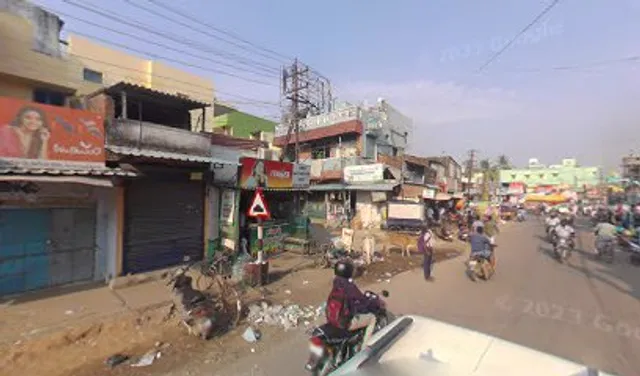
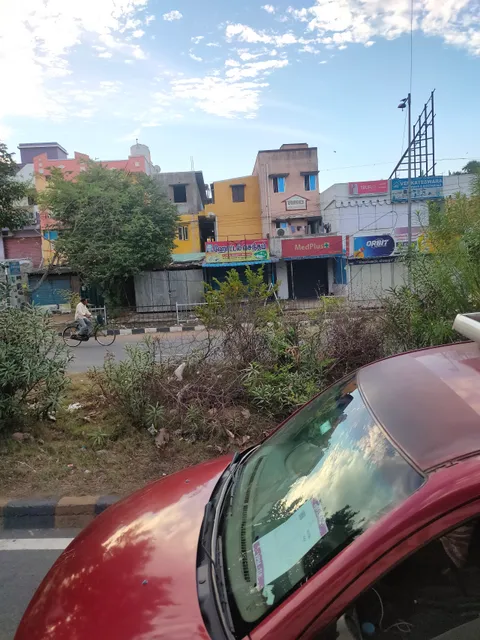
A beautifully built rock-cut temple from the Pallava era, and with inscriptions from the time of Rajaraja I (who gifted several sheep to the temple for the preparation of ghee for the lamps), this temple is in the Singeperumal Koil area of Chennai, some 16 km from Tambaram (on the way to Chengalpattu). It was earlier a part of the Kanchipuram District but is at present a part of Chengalpattu District. The temple is very easy to find, and is just off the main road. There is ample parking for 2-wheelers, and an additional parking for other vehicles a bit off to the side. The temple timings are 7.00 am to 12.00 pm and from 4.30 to 8.30 pm.
The main deity is the Pathaladhari Narasimha and the temple is named after him. It is also just called Narasimhar temple or as Singaperumal Kovil (Tamil translation), which probably gives the locality its name. The temple is dedicated to Vishnu in the form of Narasimha (seated, with the right leg bent and left one hanging) and Lakshmi as Ahobilavalli. There is also a shrine to Andal in this temple, apart from ones for Garuda, Lakshmi Narasimha, Vishvaksena, Ramanuja and a few others. The uniqueness of the temple is the third eye on the Narasimha statue which the priest shows during the arthi ceremony, to shouts of Govinda and Narayana. The third eye is equated to Shiva's third eye, and stands for the eye of destruction.
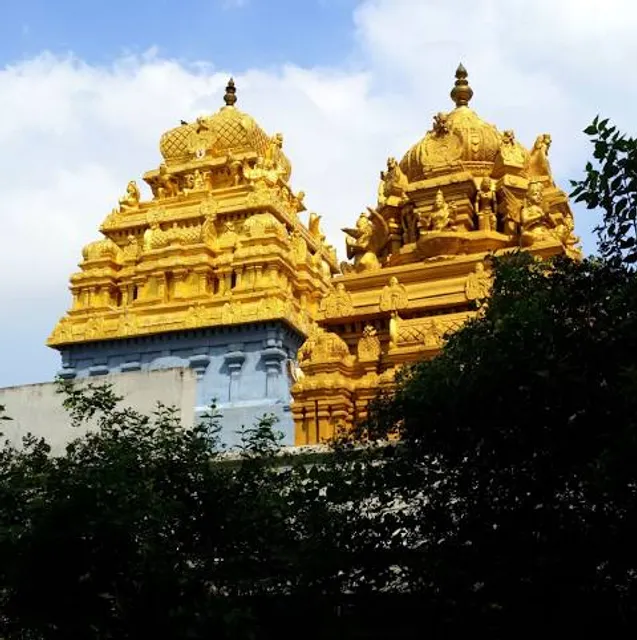
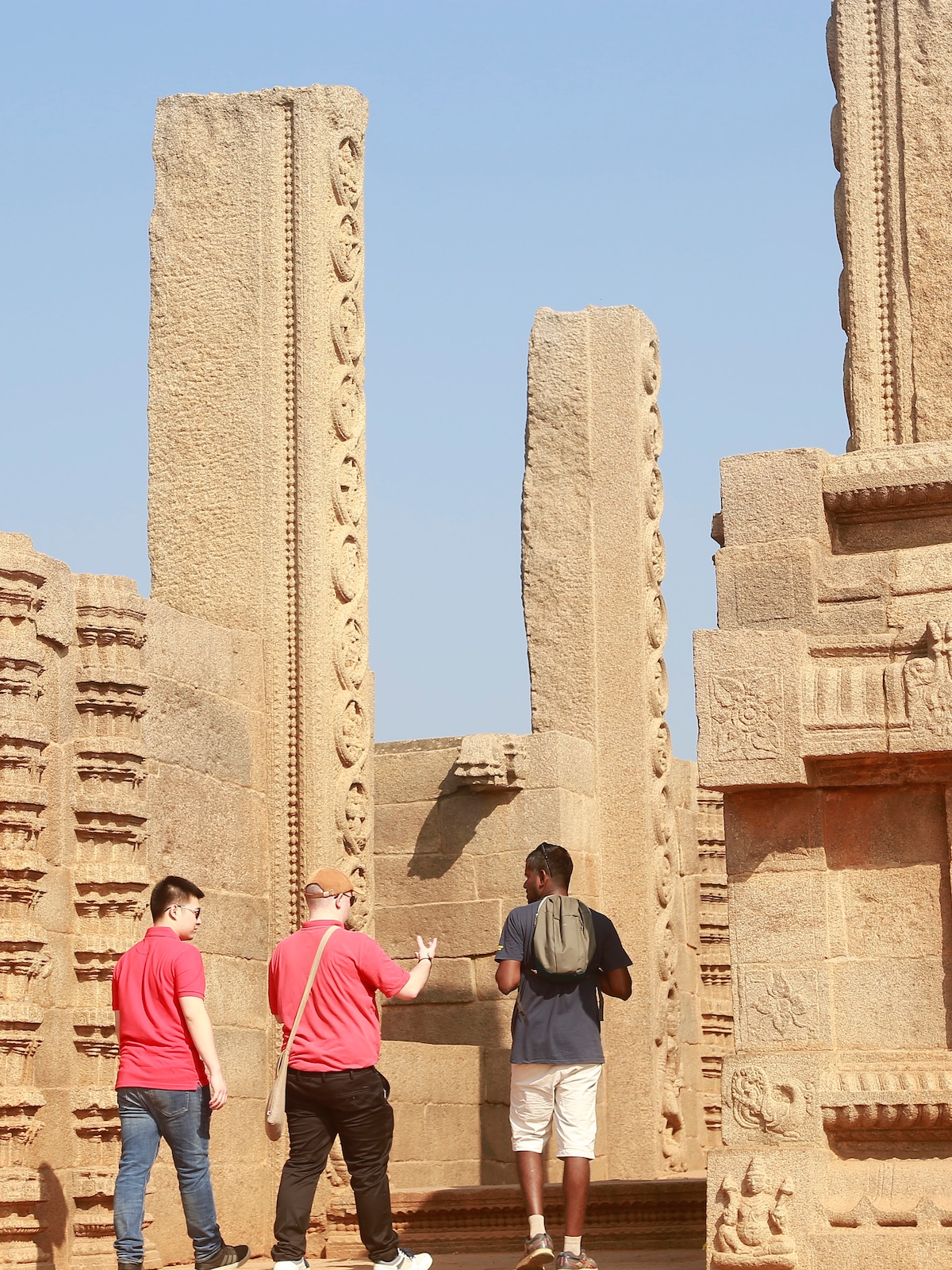
The temple was constructed by the Pallavas using rock-cut architecture in the 8th century, and occupies an area of roughly 1.5 acres. The inscriptions though are from the Chola era (tenth to eleventh century). Some other later inscriptions are not seen clearly enough to be identified. The towers were not part of the original architecture and were added later. One can enter the temple through one doorway and go around in a circular fashion viewing all the deities and come out through the same doorway. The two doormen of Vishnu, Jaya and Vijaya, are seen on either side of the Narasimha shrine. Hanuman is seen on the pillar outside.
An Azhinjil/Ankolam tree (botanical name Alangium salviifolium or sage-leaved alangium) is found on the grounds outside the temple. Considered holy in India, temples were built in around them, or the trees were planted inside temples or near the entrance of houses. The tree itself (or rather the root and fruit) is used in Ayurveda as a treatment for haemorhhoids and rheumatism, skin-related issues and preparation of antivenin.
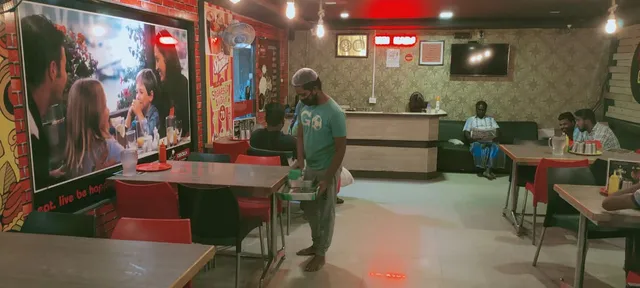
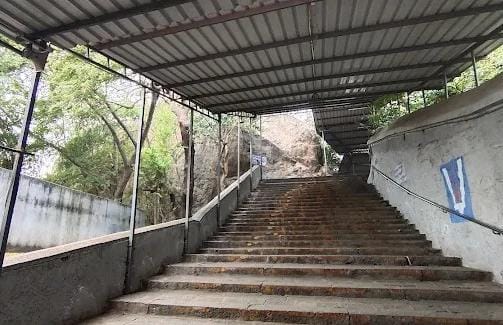
The staircase leads to the other side of the temple, over and across a small mountain, under which is the temple. One ends up near the entrance to the temple, whence they came in. At the base of the staircase is the shop that sells the famous dosas, spread with liberal amounts of not-so-spicy chilli powder, and the other prasad that the temple offers. One can get different varieties of rice, apart from sweet pongal and the usual laddoos, savouries, and halwa, for very reasonable prices.
What I do not like about this temple, and what no one seems to even bother about or mention, is the fact that it is being vandalised and desecrated by senseless people scribbling all over the inside walls of the temple. Could the temple authorities please set up a system to catch and punish these people on the spot. This is a very old structure, maintained by the Hindu Religious and Endowment Board of the Government of Tamil Nadu. It is a part of history. No one in their right mind would have the heart to scribble all over the walls. If a handful of people are made examples of, this senseless habit...
Read moreWonderful divine experience. I regularly go to visit Singaperumal Koil temple once in a month. Post Covid, there's lot of improvement in the temple administration. There's a car park area for a few of ₹20 down the sannidhi street, opposite to Theru. Street vendors are good, who sell thulasi, flowers, lamps etc and converse in a friendly manner. One can leave the shoes at their shop outlets. Temple has been renovated last year. Gopuram is taller and beautiful now. Inside floor is fully concrete. After entering devotees pray the dhwaja stambham and light the ghee lamps opposite to the main entrance. Those willing, can pay ₹100 at the counter at the entrance for preparing paanakam (jaggery plus water) which will be ready in half an hour by the time you complete Darshan. Paanakam can be distributed to the devotees by yourself. After going inside Andal, Narasimhar, Mahalaxmi sannidhis are there. Moolavar's third eye can be seen during aarathi. Thulasi and thayar kumkuma can be collected. While doing pradakshinam around the temple, you will never miss the PRASADAM counter. Dosa with chilli powder in oil is the most popular dish. Each ₹30. You can eat there and also take a parcel to home too. Very delicious prasadam which makes you an addict to it in future visits also. Small vegetable and fruit shops on the road are worth shopping, as the rates are very reasonable and goods is fresh, as it comes from the nearby villages. On the main road, you need to go further south a bit, to take a u turn back to the city. High way is being widened and lot of good tea shops are available, to give a finishing touch to the visit to the temple. Swathi star is a special day at SPkoil as it is Narasimhar's star. Please visit with family once in a month atleast to get blessings of the Lord and to get rid of all your enemies, both outer and inner. Sri Lakshmi Narasimham...
Read moreExcellent ambience and positivity around this temple....One of the oldest narsimha swamy temple said to be around 2000 years old...it is a rock cut architecture type of temple and it is a must visit when in Chennai....
Singaperumal koil's history goes way back to chola and pallava days. The temple is also called Padalathri Narasimhar Temple. The temple was built during Pallava's period in the 8th century. Temple has been made by carving the rock hill and actually the garbagraha is a cave and the preceeding dietyis said to be the lion in the cave with three eyes.
It is believed that after slaying Hiranyakasipu, Prahlad’s prayers and songs cooled him off and he descended into the water of the temple tank to cool off, which then turned red in colour. Hence on the temple is called Patalathri, which in Sanskrit means red.
The specialty of this temple is that the sun rays fall on the feet of Lord Narasimha during the period from December to January. Narasimgha has a third eye, like Lord Siva, which the temple priest shows to the devotees during aarati by raising the Thiruman of the diety. Ahobilavalli is the avatar of Vishnu's consort, Maa lakshmi which is in this temple with his consorts on the right side and Sri Andal thaiyaar on left side.
Singaperumal Koil Narasimhar temple timings are from morning 7 a.m. to afternoon 12 p.m. and then the temple opens in the evening 4:30 p.m. to 8:30 p.m. Singaperumal kovil can be reached through train, road. it is 53 kms from chennai, 9 kms from chengalpattu and 44 kms from...
Read more