HTML SitemapExplore
logo
Find Things to DoFind The Best Restaurants

Vaitheeswarankoil Temple — Attraction in Tamil Nadu

Name
Vaitheeswarankoil Temple
Description
Nearby attractions
Nearby restaurants
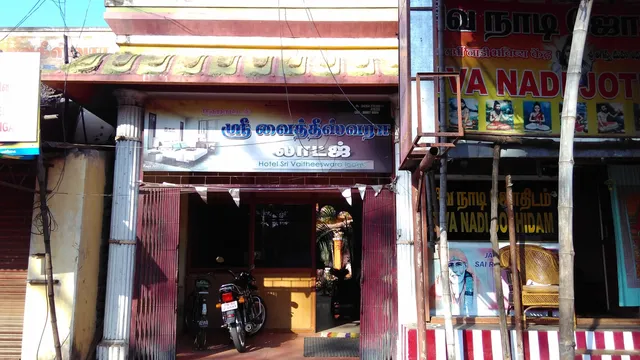
Shree Vaitheeswara Hotel Vaitheeswarankoil
Vaitheeswarankoil, Tamil Nadu 609117, India
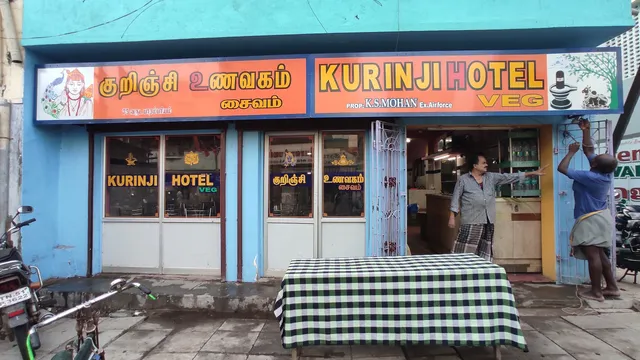
Kurinji
5PW5+4WJ, Vaitheeswaran Koil, West car street Nagapattinam Sirka, Mayiladuthurai, 609117, India
HOTEL SRI ABIRAMI
West street, Vaitheeswarankoil, Tamil Nadu 609117, India
Hotel Papa's
5PW6+3GR, South main road, Vaitheeswarankoil, Mayiladuthurai, Tamil Nadu 609117, India
Hotel Nayaki (veg) ஹோட்டல் நாயகி சைவம்
32, West Car St, Vaitheeswarankoil, Tamil Nadu 609117, India
Nethram Restaurant
1, Mayiladuthurai Road, Vaitheeswarankoil, Tamil Nadu 609117, India
Balaji mess
5PV5+JX7, Main Rd, Vaitheeswarankoil, Tamil Nadu 609117, India
ANJAPPAN HOTEL SILAMBU
01 Vathieesvaran Koil, Manalmedu, Mayiladuthurai, Road, near Rajeswari Mahal, Mayiladuthurai, Tamil Nadu 609117, India
Sampoorna Restaurant
5PX9+X3G, SH 64, Vaitheeswarankoil, Tamil Nadu 609117, India
Nearby hotels
M.K.V. Lodge
02/12, vadaku madavilagam, Vaitheeswarankoil, Tamil Nadu 609117, India
Sri Balaji Lodge
5, Amman Sannathi, Vaitheeswarankoil, Tamil Nadu 609117, India
Hotel Sri Ramathirivathi
Swami, Rajagopala Swami N St, Vaitheeswarankoil, Tamil Nadu 609117, India
Hotel Sri Akshardham
Mayiladuthurai Road, Opp to Police Station, Vaitheeswaran Koil Sirkahzi, Nagapattinam, Tamil Nadu 609117, India
Related posts
Keywords
Vaitheeswarankoil Temple tourism.Vaitheeswarankoil Temple hotels.Vaitheeswarankoil Temple bed and breakfast. flights to Vaitheeswarankoil Temple.Vaitheeswarankoil Temple attractions.Vaitheeswarankoil Temple restaurants.Vaitheeswarankoil Temple travel.Vaitheeswarankoil Temple travel guide.Vaitheeswarankoil Temple travel blog.Vaitheeswarankoil Temple pictures.Vaitheeswarankoil Temple photos.Vaitheeswarankoil Temple travel tips.Vaitheeswarankoil Temple maps.Vaitheeswarankoil Temple things to do.
Vaitheeswarankoil Temple things to do, attractions, restaurants, events info and trip planning
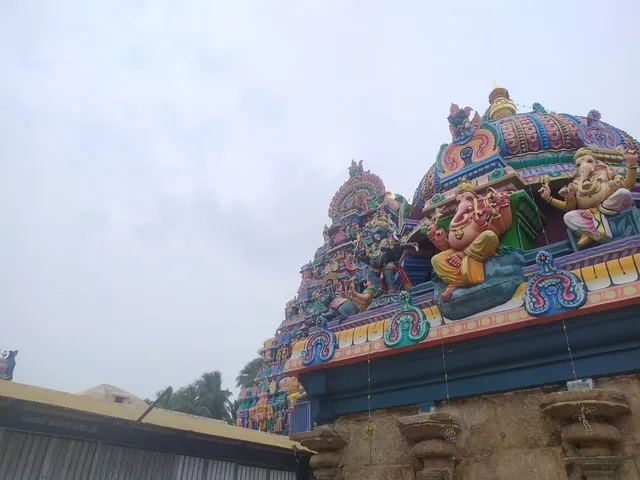
Vaitheeswarankoil Temple
IndiaTamil NaduVaitheeswarankoil Temple

Basic Info

Vaitheeswarankoil Temple

Vaitheeswaran kovil 25, south mada vilagam, Vaitheeswarankoil, Tamil Nadu 609117, India
4.7(1.3K)
Open 24 hours
Save
spot

Ratings & Description

Info

Cultural
Family friendly
Accessibility
attractions: , restaurants: Shree Vaitheeswara Hotel Vaitheeswarankoil, Kurinji, HOTEL SRI ABIRAMI, Hotel Papa's, Hotel Nayaki (veg) ஹோட்டல் நாயகி சைவம், Nethram Restaurant, Balaji mess, ANJAPPAN HOTEL SILAMBU, Sampoorna Restaurant
logoLearn more insights from Wanderboat AI.
Phone
+91 73054 04439
Website
kuladeivam.com

Plan your stay

hotel
Pet-friendly Hotels in Tamil Nadu
Find a cozy hotel nearby and make it a full experience.
hotel
Affordable Hotels in Tamil Nadu
Find a cozy hotel nearby and make it a full experience.
hotel
The Coolest Hotels You Haven't Heard Of (Yet)
Find a cozy hotel nearby and make it a full experience.
hotel
Trending Stays Worth the Hype in Tamil Nadu
Find a cozy hotel nearby and make it a full experience.

Reviews

Nearby restaurants of Vaitheeswarankoil Temple

Shree Vaitheeswara Hotel Vaitheeswarankoil

Kurinji

HOTEL SRI ABIRAMI

Hotel Papa's

Hotel Nayaki (veg) ஹோட்டல் நாயகி சைவம்

Nethram Restaurant

Balaji mess

ANJAPPAN HOTEL SILAMBU

Sampoorna Restaurant

Shree Vaitheeswara Hotel Vaitheeswarankoil

Shree Vaitheeswara Hotel Vaitheeswarankoil

2.8

(27)

Click for details
Kurinji

Kurinji

4.0

(51)

Click for details
HOTEL SRI ABIRAMI

HOTEL SRI ABIRAMI

3.2

(30)

$

Click for details
Hotel Papa's

Hotel Papa's

5.0

(1)

Click for details
Get the Appoverlay
Get the AppOne tap to find yournext favorite spots!
Wanderboat LogoWanderboat

Your everyday Al companion for getaway ideas

CompanyAbout Us
InformationAI Trip PlannerSitemap
SocialXInstagramTiktokLinkedin
LegalTerms of ServicePrivacy Policy

Get the app

© 2025 Wanderboat. All rights reserved.
logo

Reviews of Vaitheeswarankoil Temple

4.7
(1,262)
avatar
5.0
17w

Powerful Kuja/Mars/Chevvaai kshetram. Temple is about 60 minutes drive from Kumbakonam & closer to Chidambaram. It is closer to the Budhan and Ketu sthalams in the navagraha circuit. This is one of the key temples in the Navagraha circuit.

Presiding Deity is Vaidyanatha Swamy (Shiva) - who is the Divine Doctor. It is said that there is no Doctor higher than Vaidyanatha Swamy. Vaidhyanathashtakam recital helps in fast relief/recovery from many diseases.

Goddess Thailambal (Thaiyalnayaki) has a separate sannidhi and is beautiful in standing posture with a pot of sanjeevi thailam (life giving oil).

In the God-Navagraha link, Subrahmanya/Muruga/Katrthikeya represents Mars - so praying to Sri Selvamuthukumara Swami here is very beneficial. Sit down in front of this shrine and chant Muruga / Kartikeya / Subrahamanya stotrams and you will feel an instant inner peace.

There is a separate shrine in the prakaram for Mars/Kuja/Chevvaai too. Spend sometime praying earnestly to Him. If the planet is weak or malefic in your horoscope, or if you are passing through the planet's Mahadasha/antardasha/bhukti etc - you should visit this temple and offer prayers to appease Him. If the planet is strong in your horoscope, visiting will strengthen it further and give you additional benefits.

Wear Red or crimson red (blood red) colour clothes if possible during the visit. Visiting on Tuesdays, Shashti, Kritika etc are good & they also have a homam in the morning I think - although it might be crowded,. You can visit during Kuja/Chevvai/Mars horai (if possible) on any day and it will also be beneficial.

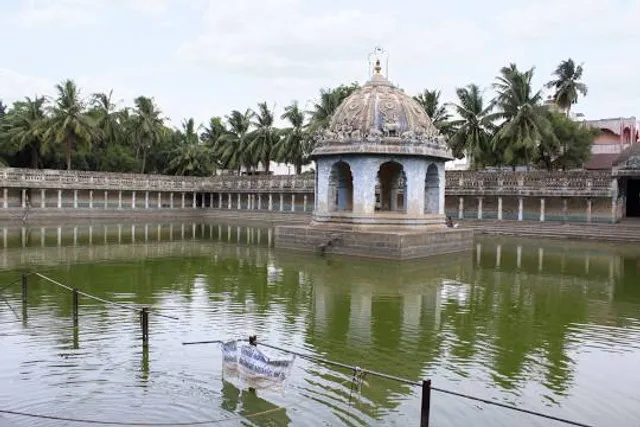
Take a dip in the pond or atleast sprinkle the water on your head first as you enter the temple. One can offer jaggery in the pond (or in the basket they have kept) and also salt and peppercorns in the baskets It is believed to rid you of all illnesses.

Mars is Bhoomi karaka - giver of earth benefits, and also strengthens boldness, vigour, ambition, bravery and never-say-die attitude - the ability to reach a goal in lay man terms - and is responsible for strength/success in these areas. People with low confidence should visit this temple and pray. If you are in property / armed forces etc, you should visit here. He also governs the blood, head, muscles, adrenal glands etc - so when one has these health issues, one must definitely visit here.

You can do archana if you want. Else just pray sincerely. I usually don't do archana in all temples - we will be staying in hotel and would not know what to do with the coconut etc. The Thiruchaatru urundai (small pepper sized ball) is a special prasadam here and is sold in a counter - believed to have medicinal benefits when consumed daily in the morning after bath before food.

The priests here do a special private service where they will do archanai on specific nakshatra days for you every month and send prasadam by post. They charge a nominal amount for it.

There are naadi astrology shops around - exercise caution before you venture into the consultation. Don't fall for any fake ones. There are naadi astrology agents loitering near car parking areas.

Keep mentally chanting throughout your visit - Om Kujaya Namaha or Om Angaarakaaya Namaha or Om Namah Shivaya - it is a simple but very powerful mantra.

One should spend minimum of 30 minutes here and pray. These temples are believed to have powerful yantras (or) they themselves are designed like a yantra. So, do not engage in chitchat/mobile browsing etc while in the temple. Pray in silence and experience inner peace. Chant any shloka/stotra/mantra of the Presiding Deity. If you are initiated in any mantra of the deity, then sit and do atleast 1 maalaa japam (108 times).

Dovotees must light at least 1-2 pure cow ghee lamps in the temple. Pure cow ghee clay lamps lit at such potent temples bestows one with all the goodness, ward off the malefic effects of the navagrahas and one's prayers are answered. Validate authenticity/purity of ghee in the lamps sold in/near temples (or) best to...

   Read more
avatar
5.0
16w

i reached vaitheeswaran temple around 5 pm, and the place felt like it had just taken a breath after the day’s heat. the stone was still warm, but the air had softened, the light had gone honey-gold, and the temple rhythm was shifting from daytime bustle to evening focus. this is a temple that wears its purpose on the name—vaitheeswaran, the divine healer—and you feel that tone in small ways: the quiet lines at the sanctum, the steady murmur of “om namah shivaya,” the way people hold their prayers a little closer to the chest

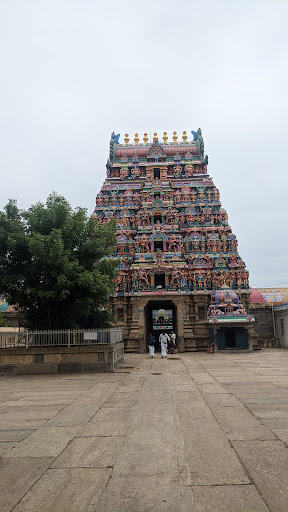
the gopuram isn’t just height and color; it’s a kind of signboard for healing and faith. inside, the pathways are straightforward but textured—old stone, small shops with camphor and tulsi, and that medicinal whiff when someone opens a bottle of temple theertham. if you come around 5 pm, you get the best of both worlds: enough light to see the carvings and corridors clearly, and the start of the evening aarti cycle which tightens the mood into something more concentrated

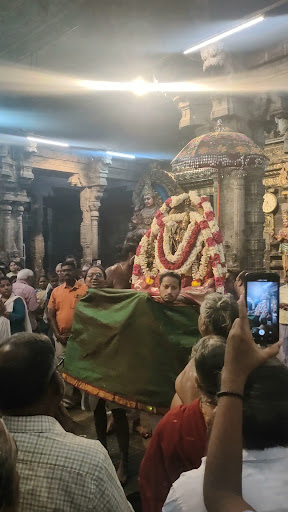
the main sanctum’s darshan is focused and unhurried at that hour. the aarti flame moves, the bell sounds cut through, and for a minute the temple compresses into light, metal, and chant. outside, the sub-shrines add layers—especially dhanvantri, the god of medicine, which fits the temple’s whole stance perfectly. there’s also the navagraha presence you can’t miss—people tying threads and circling with a quiet seriousness. it’s not theatrical; it’s workmanlike devotion, the kind that feels practiced and personal

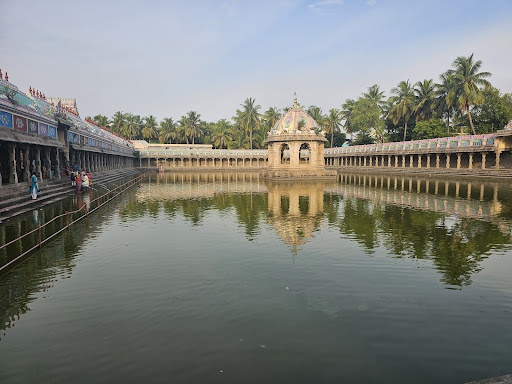
near the teppakulam (temple tank), the evening settles fast. the water holds the last of the sky, and the steps are a good place to sit for a minute and let the noise drain out. vendors hover at a polite distance—flowers, lamps, a few herbal mixes the locals recommend. nothing pushy if you make your choices quickly and keep walking. cleanliness is serviceable for a living temple; a few pigeon corners, a few leaf piles, but overall it holds together

logistics for a 5 pm visit: dress modest, keep footwear simple because floors can still hold the day’s heat, and bring cash—the counters and prasadam stalls are mostly old-school. if you want a more guided circuit—why people offer pepper and salt here, what the theertham is used for—one of the local guides can walk you through in ten clear minutes; worth it if it’s your first time. photography is fine in general areas but keep the phone away near the sanctum; it improves the experience anyway

crowds at that time are steady but manageable. families with small kids, elders who know the turns by heart, a few regulars who have a fixed darshan routine. if you’re looking for quiet contemplation, take a slow loop around the outer prakaram and let the lamps coming on set the mood for you. if you’re here for a sankalpam or specific prayer, arrive slightly before five to sort the formalities without rushing

high points for me: the evening aarti when the brass plate moves and the light wraps the moolavar’s face, the soft echo in a side corridor where a single chant hangs for a second longer than you expect, and the tank view when the first lamps show up as small dots on water. low points are practical—some uneven stones, a couple of cramped bends near popular shrines, and the occasional queue bunching—but nothing that breaks the flow

overall, vaitheeswaran in the evening is a temple that feels like a clinic for the spirit—a place where faith, routine, and small rituals do steady work. don’t rush it, don’t overthink it. make your round, stand still for an extra minute near the sanctum, taste the theertham if offered, and step out while the sky is still holding that last light. i left feeling lighter, like a pressure had quietly dropped a notch, and i’d go again at the same time just to watch that shift from day to dusk happen on stone and water...

   Read more
avatar
5.0
2y

Vaitheeswaran Koil or Pullirukkuvelur Temple’s main deity is Lord Shiva. He takes on different roles and professions in many temples in the Tanjore (Thanjavur) region. In Vaitheeswaran Koil, Shiva is Vaidyanathaswamy, the Vaid or doctor, and is a renowned healer. His consort is Thaiyalnaayaki or Valambigai who can be seen carrying the pot of Sanjeevi Thailam, the medicinal oil for all illnesses. This sthalam (holy Place) is one of the Nine Navagraha (Nine planets) Temples in Tamil Nadu with Shiva as the main deity. It is associated with the planet Angaraka or Sevvai or Kuja (Planet Mars).

A mark on Epic Another event from the Ramayana says that Lord Rama and Lakshmana did the last rites of the giant bird Jatayu in this kshetram (holy place). Jatayu was the nephew of Garuda, the bird associated with Lord Vishnu and his vehicle. Jatayu was the friend of Rama’s father, King Dasaratha and lived in the glade near Rama’s hermitage in the Dandaka forest. He tried to rescue Sita and fought valiantly with Ravana kidnapped her. When Ravana was taking her away to Lanka in the air-borne Pushpak Vimana, Jatayu heard Sita’s cry for help and rushed to rescue her. As Jatayu was very old, Ravana defeated the bird and chopped off his wings. Rama and Lakshmana came upon the stricken and dying Jatayu when they were searching for Sita. Jatayu informed them of the fight and the direction, towards South, in which Ravana had gone. Rama performed the cremation of the bird and a pond called Jatayu Kundam is part of the Vaitheeswaran Koil complex.

The famous Tamil poet Arunagirinathar sang his Thiruppugazh hymns on this temple’s Murugan. Saints like Kumaragurupara Swamigal, Ramalinga Adigalaar and poets like Kaalamega Pulavar and Padikkasu Tambiran sang hymns on this temple. Valuable inscriptions from the period of Vikrama Chola (12th century CE), the Nayakas (16th century CE) and the Marathas (18th century CE) are records of history that can be seen in Vaitheeswaran Koil. The temple is situated on the northern side of the Cauvery River.

Lord Muruga, Siva’s son, has a special place and shrine and is worshipped in Vaitheeswaran Koil as Selva Muthu Kumaraswamy. The temple also has a shrine dedicated to Lord Dhanvantari or Dhanwantari, an avatar of Lord Vishnu and the Lord of Ayurveda, the Indian system of medicine. Another important feature of the temple is the shrine dedicated to Jvaraharesvara (Lord of Fevers).

Vaitheeswaran Koil is a vast temple with several mandapams (halls). The five entrance gopurams (towers) are all in a line and beautifully decorated with gods and goddesses in brilliant hues and tell many stories from the Puranas. A significant feature of the temple’s construction is that the five-tiered gopuram allows the rays of the sun to fall on the main deity, the Shivalingam for a few days every year. As you enter Vaitheeswaran Koil from the western side, you will walk through a bazaar that sells objects, icons and other items associated with religion. You will also find flower garland sellers who tend to pester you to take a plateful of offerings. As soon as you enter the second prakaram (enclosure) watch out for the elephant and the mahout. The elephant loves bananas and coconuts and will pass on any coins or notes that you give him to his mahout. Sometimes in the morning, he would have gone off to have a bath in the Cauvery. The next important thing to see is the vast temple pond with slippery steps. There are around eighteen theerthams (holy tanks) in Vaitheeswaran Koil. The Siddhamirtham pond just opposite Thailanayagi Ambal’s shrine is the most important one. The nectar with which the Siddhas (saints) worshipped Lord Shiva is said to have flown...

   Read more
Page 1 of 7
Previous
Next

Posts

Pavan MedheramitlaPavan Medheramitla
i reached vaitheeswaran temple around 5 pm, and the place felt like it had just taken a breath after the day’s heat. the stone was still warm, but the air had softened, the light had gone honey-gold, and the temple rhythm was shifting from daytime bustle to evening focus. this is a temple that wears its purpose on the name—vaitheeswaran, the divine healer—and you feel that tone in small ways: the quiet lines at the sanctum, the steady murmur of “om namah shivaya,” the way people hold their prayers a little closer to the chest the gopuram isn’t just height and color; it’s a kind of signboard for healing and faith. inside, the pathways are straightforward but textured—old stone, small shops with camphor and tulsi, and that medicinal whiff when someone opens a bottle of temple theertham. if you come around 5 pm, you get the best of both worlds: enough light to see the carvings and corridors clearly, and the start of the evening aarti cycle which tightens the mood into something more concentrated the main sanctum’s darshan is focused and unhurried at that hour. the aarti flame moves, the bell sounds cut through, and for a minute the temple compresses into light, metal, and chant. outside, the sub-shrines add layers—especially dhanvantri, the god of medicine, which fits the temple’s whole stance perfectly. there’s also the navagraha presence you can’t miss—people tying threads and circling with a quiet seriousness. it’s not theatrical; it’s workmanlike devotion, the kind that feels practiced and personal near the teppakulam (temple tank), the evening settles fast. the water holds the last of the sky, and the steps are a good place to sit for a minute and let the noise drain out. vendors hover at a polite distance—flowers, lamps, a few herbal mixes the locals recommend. nothing pushy if you make your choices quickly and keep walking. cleanliness is serviceable for a living temple; a few pigeon corners, a few leaf piles, but overall it holds together logistics for a 5 pm visit: dress modest, keep footwear simple because floors can still hold the day’s heat, and bring cash—the counters and prasadam stalls are mostly old-school. if you want a more guided circuit—why people offer pepper and salt here, what the theertham is used for—one of the local guides can walk you through in ten clear minutes; worth it if it’s your first time. photography is fine in general areas but keep the phone away near the sanctum; it improves the experience anyway crowds at that time are steady but manageable. families with small kids, elders who know the turns by heart, a few regulars who have a fixed darshan routine. if you’re looking for quiet contemplation, take a slow loop around the outer prakaram and let the lamps coming on set the mood for you. if you’re here for a sankalpam or specific prayer, arrive slightly before five to sort the formalities without rushing high points for me: the evening aarti when the brass plate moves and the light wraps the moolavar’s face, the soft echo in a side corridor where a single chant hangs for a second longer than you expect, and the tank view when the first lamps show up as small dots on water. low points are practical—some uneven stones, a couple of cramped bends near popular shrines, and the occasional queue bunching—but nothing that breaks the flow overall, vaitheeswaran in the evening is a temple that feels like a clinic for the spirit—a place where faith, routine, and small rituals do steady work. don’t rush it, don’t overthink it. make your round, stand still for an extra minute near the sanctum, taste the theertham if offered, and step out while the sky is still holding that last light. i left feeling lighter, like a pressure had quietly dropped a notch, and i’d go again at the same time just to watch that shift from day to dusk happen on stone and water one more time.
Arun DamodharanArun Damodharan
One of the most powerful gods in tamilnadu The temple received contributions from various rulers of the region like Vikrama Chola, Vira Rajendra Pandya, Achuthappa Nayak (1560 - 1614 AD) and Maratha prince Thulaja.[8] The temple has five inscriptions mainly belonging to the period of Kulothunga Chola I (1070-1120 CE).[9] The inscription on the steps of Subramanya shrine records the shutter of the sluice at Sattainathapuram measures 35 inches in length and 8 inches in breadth.[5] The one on the right of the temple tank indicates the tank, Nachiyar shrine, and its hall were completely renovated when Kanderayar was governing the Sigali Simai, and during the management of the temple by Muthukumaraswami Tambiran, a disciple of Sivagnanadesikar-Sambandar of the Dharmapuram Adheenam.[5] On the wall of the second precinct, the inscriptions state that the courtyard of Thayalnayagi shrine, the sacred steps and Tattisuri hall were built during Tamil year 4868 corresponding to 1689 CE.[5] On the floor near accountant's seat registers a deed granted by Sankarabaragiri Rengopanditar by Ambalavanatambiran, an agent of the temple.[5] The Easter gateway inscription indicates the gift of taxes from Manipallam in Tiruvalipparu.[5] The temple is maintained by Dharmapuram Adheenam, a Saivite mutt or monastic institution located in the town of Mayiladuthurai, India. As of 1987, there were a total of 27 Shiva temples under the control of the adheenam.[10] Navagraha temple The temple is one of the nine Navagraha temples of Tamil Nadu and is a part of the popular Navagraha pilgrimage in the state - it houses the image of Angaraka (Mars).[16] The planets are believed to influence the horoscope computed based on time of one's birth and subsequently influence the course of life. Each of the planets are believed to move from a star to another during a predefined period and thus sway over an individual's fortunes. The Navagrahas, as per Hindu customs, are believed to provide both good and bad effects for any individual and the bad effects are mitigated by prayers. As in other Navagraha temples, the common worship practises of the devotees include offering of cloth, grains, flowers and jewels specific to the planet deity. Lighting a set of lamps is also commonly followed in the temple. As per local legend, Shiva was doing penance at mount Meru when a drop of water fell from his forehead which turned into a beautiful child. Bhoomidevi brought up the child, who went on to become a staunch devotee of Shiva. Pleased by the devotion, Shiva turned him to a planet. Based on his colour, Angaraka (Mars) is usually clad with red coloured cloth.[17] Vaitheeswaran is believed to preside over Angarakan in the temple. Along with Angarakan, Sambathi, Jatayu and Surya deva are believed to have worshipped Vaitheeswaran at this temple.
Satish AshwinSatish Ashwin
⭐️⭐️⭐️⭐️⭐️ | Vaitheeswaran Koil – The Abode of the Divine Healer Nestled in the sacred town of Vaitheeswarankoil, this ancient and revered temple stands as a beacon of healing and faith. Dedicated to Lord Shiva, worshipped here as Sri Vaidyanathar—the Divine Physician—this temple is believed to possess curative powers that transcend time and science. The Siddhamirtham holy tank, famed for its medicinal properties, is believed to heal ailments with a single dip in its sacred waters. Spiritually aligned with Angaraka (Mars), this temple holds immense significance in the Navagraha tradition, offering divine relief from planetary doshas and health afflictions. One of the unique and traditional practices here includes performing a Chavvai Dosha Nivarthi Pooja to a sacred brick—blessed and given to devotees for just ₹108/pc. You can place it within the foundation of your home or building to eliminate obstacles and invite divine grace. The temple is also world-renowned for Naadi astrology, offering seekers deep insights into their karmic paths and destinies. Every corner of this divine shrine echoes with spiritual energy, heritage, and centuries of unwavering devotion. 🛕 Address: Vaitheeswaran Kovil 25, South Mada Vilagam, Vaitheeswarankoil, Tamil Nadu – 609117 📿 A divine experience etched in faith and tradition. 📸 For more spiritual journeys, follow: @Satish_Ashwin 🙏 Thank you.
See more posts
See more posts
hotel
Find your stay

Pet-friendly Hotels in Tamil Nadu

Find a cozy hotel nearby and make it a full experience.

i reached vaitheeswaran temple around 5 pm, and the place felt like it had just taken a breath after the day’s heat. the stone was still warm, but the air had softened, the light had gone honey-gold, and the temple rhythm was shifting from daytime bustle to evening focus. this is a temple that wears its purpose on the name—vaitheeswaran, the divine healer—and you feel that tone in small ways: the quiet lines at the sanctum, the steady murmur of “om namah shivaya,” the way people hold their prayers a little closer to the chest the gopuram isn’t just height and color; it’s a kind of signboard for healing and faith. inside, the pathways are straightforward but textured—old stone, small shops with camphor and tulsi, and that medicinal whiff when someone opens a bottle of temple theertham. if you come around 5 pm, you get the best of both worlds: enough light to see the carvings and corridors clearly, and the start of the evening aarti cycle which tightens the mood into something more concentrated the main sanctum’s darshan is focused and unhurried at that hour. the aarti flame moves, the bell sounds cut through, and for a minute the temple compresses into light, metal, and chant. outside, the sub-shrines add layers—especially dhanvantri, the god of medicine, which fits the temple’s whole stance perfectly. there’s also the navagraha presence you can’t miss—people tying threads and circling with a quiet seriousness. it’s not theatrical; it’s workmanlike devotion, the kind that feels practiced and personal near the teppakulam (temple tank), the evening settles fast. the water holds the last of the sky, and the steps are a good place to sit for a minute and let the noise drain out. vendors hover at a polite distance—flowers, lamps, a few herbal mixes the locals recommend. nothing pushy if you make your choices quickly and keep walking. cleanliness is serviceable for a living temple; a few pigeon corners, a few leaf piles, but overall it holds together logistics for a 5 pm visit: dress modest, keep footwear simple because floors can still hold the day’s heat, and bring cash—the counters and prasadam stalls are mostly old-school. if you want a more guided circuit—why people offer pepper and salt here, what the theertham is used for—one of the local guides can walk you through in ten clear minutes; worth it if it’s your first time. photography is fine in general areas but keep the phone away near the sanctum; it improves the experience anyway crowds at that time are steady but manageable. families with small kids, elders who know the turns by heart, a few regulars who have a fixed darshan routine. if you’re looking for quiet contemplation, take a slow loop around the outer prakaram and let the lamps coming on set the mood for you. if you’re here for a sankalpam or specific prayer, arrive slightly before five to sort the formalities without rushing high points for me: the evening aarti when the brass plate moves and the light wraps the moolavar’s face, the soft echo in a side corridor where a single chant hangs for a second longer than you expect, and the tank view when the first lamps show up as small dots on water. low points are practical—some uneven stones, a couple of cramped bends near popular shrines, and the occasional queue bunching—but nothing that breaks the flow overall, vaitheeswaran in the evening is a temple that feels like a clinic for the spirit—a place where faith, routine, and small rituals do steady work. don’t rush it, don’t overthink it. make your round, stand still for an extra minute near the sanctum, taste the theertham if offered, and step out while the sky is still holding that last light. i left feeling lighter, like a pressure had quietly dropped a notch, and i’d go again at the same time just to watch that shift from day to dusk happen on stone and water one more time.
Pavan Medheramitla

Pavan Medheramitla

hotel
Find your stay

Affordable Hotels in Tamil Nadu

Find a cozy hotel nearby and make it a full experience.

Get the Appoverlay
Get the AppOne tap to find yournext favorite spots!
One of the most powerful gods in tamilnadu The temple received contributions from various rulers of the region like Vikrama Chola, Vira Rajendra Pandya, Achuthappa Nayak (1560 - 1614 AD) and Maratha prince Thulaja.[8] The temple has five inscriptions mainly belonging to the period of Kulothunga Chola I (1070-1120 CE).[9] The inscription on the steps of Subramanya shrine records the shutter of the sluice at Sattainathapuram measures 35 inches in length and 8 inches in breadth.[5] The one on the right of the temple tank indicates the tank, Nachiyar shrine, and its hall were completely renovated when Kanderayar was governing the Sigali Simai, and during the management of the temple by Muthukumaraswami Tambiran, a disciple of Sivagnanadesikar-Sambandar of the Dharmapuram Adheenam.[5] On the wall of the second precinct, the inscriptions state that the courtyard of Thayalnayagi shrine, the sacred steps and Tattisuri hall were built during Tamil year 4868 corresponding to 1689 CE.[5] On the floor near accountant's seat registers a deed granted by Sankarabaragiri Rengopanditar by Ambalavanatambiran, an agent of the temple.[5] The Easter gateway inscription indicates the gift of taxes from Manipallam in Tiruvalipparu.[5] The temple is maintained by Dharmapuram Adheenam, a Saivite mutt or monastic institution located in the town of Mayiladuthurai, India. As of 1987, there were a total of 27 Shiva temples under the control of the adheenam.[10] Navagraha temple The temple is one of the nine Navagraha temples of Tamil Nadu and is a part of the popular Navagraha pilgrimage in the state - it houses the image of Angaraka (Mars).[16] The planets are believed to influence the horoscope computed based on time of one's birth and subsequently influence the course of life. Each of the planets are believed to move from a star to another during a predefined period and thus sway over an individual's fortunes. The Navagrahas, as per Hindu customs, are believed to provide both good and bad effects for any individual and the bad effects are mitigated by prayers. As in other Navagraha temples, the common worship practises of the devotees include offering of cloth, grains, flowers and jewels specific to the planet deity. Lighting a set of lamps is also commonly followed in the temple. As per local legend, Shiva was doing penance at mount Meru when a drop of water fell from his forehead which turned into a beautiful child. Bhoomidevi brought up the child, who went on to become a staunch devotee of Shiva. Pleased by the devotion, Shiva turned him to a planet. Based on his colour, Angaraka (Mars) is usually clad with red coloured cloth.[17] Vaitheeswaran is believed to preside over Angarakan in the temple. Along with Angarakan, Sambathi, Jatayu and Surya deva are believed to have worshipped Vaitheeswaran at this temple.
Arun Damodharan

Arun Damodharan

hotel
Find your stay

The Coolest Hotels You Haven't Heard Of (Yet)

Find a cozy hotel nearby and make it a full experience.

hotel
Find your stay

Trending Stays Worth the Hype in Tamil Nadu

Find a cozy hotel nearby and make it a full experience.

⭐️⭐️⭐️⭐️⭐️ | Vaitheeswaran Koil – The Abode of the Divine Healer Nestled in the sacred town of Vaitheeswarankoil, this ancient and revered temple stands as a beacon of healing and faith. Dedicated to Lord Shiva, worshipped here as Sri Vaidyanathar—the Divine Physician—this temple is believed to possess curative powers that transcend time and science. The Siddhamirtham holy tank, famed for its medicinal properties, is believed to heal ailments with a single dip in its sacred waters. Spiritually aligned with Angaraka (Mars), this temple holds immense significance in the Navagraha tradition, offering divine relief from planetary doshas and health afflictions. One of the unique and traditional practices here includes performing a Chavvai Dosha Nivarthi Pooja to a sacred brick—blessed and given to devotees for just ₹108/pc. You can place it within the foundation of your home or building to eliminate obstacles and invite divine grace. The temple is also world-renowned for Naadi astrology, offering seekers deep insights into their karmic paths and destinies. Every corner of this divine shrine echoes with spiritual energy, heritage, and centuries of unwavering devotion. 🛕 Address: Vaitheeswaran Kovil 25, South Mada Vilagam, Vaitheeswarankoil, Tamil Nadu – 609117 📿 A divine experience etched in faith and tradition. 📸 For more spiritual journeys, follow: @Satish_Ashwin 🙏 Thank you.
Satish Ashwin

Satish Ashwin

See more posts
See more posts