Stepping into Pillalamarri Park was like entering a serene oasis in the midst of the bustling city. The lush greenery, vibrant floral displays, and tranquil water features created a peaceful atmosphere that immediately melted away the stresses of urban life.
The park's well-maintained pathways were perfect for leisurely strolls or invigorating jogs, offering picturesque views at every turn. Benches strategically placed throughout provided ideal spots for relaxation or contemplation, allowing visitors to immerse themselves fully in nature's embrace.
Families and friends gathered in designated picnic areas, enjoying shared meals amidst the beauty of their surroundings. Children laughed and played in the playgrounds, while couples savored romantic moments by the lakeside.
The park's amenities catered to a wide range of interests, with facilities for sports enthusiasts, including tennis courts, basketball courts, and jogging tracks. Fitness enthusiasts appreciated the outdoor gym equipment, while birdwatchers reveled in the diverse avian population.
However, while the park offered a sanctuary of tranquility, occasional littering and lack of proper maintenance detracted slightly from the overall experience. Additionally, during peak times, overcrowding could diminish the sense of serenity.
In conclusion, Pillalamarri is a verdant haven where nature and recreation converge, offering respite and rejuvenation to all who wander within its borders. Despite minor shortcomings, its beauty and charm make it a beloved destination for locals and...
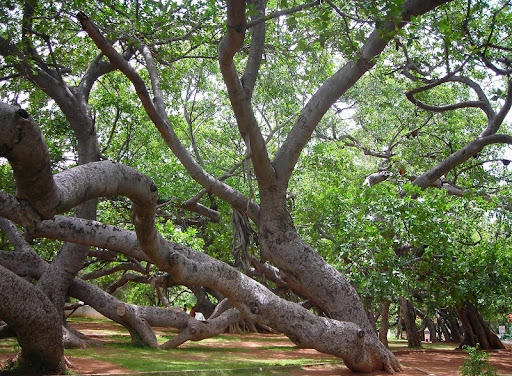
Read moreThe Pillala Marri Banyan Tree, also known as Pillalamarri, is a stunning 800-year-old banyan tree located in Mahabubnagar, Telangana, India. This natural wonder covers an impressive three acres of land and can accommodate over 1,000 people in its shade ¹.
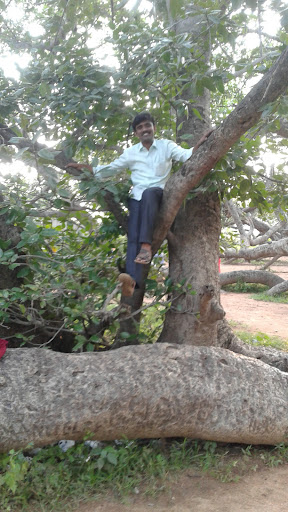
The tree's name, Pillala Marri, translates to "children's banyan tree" in Telugu, due to its unique structure featuring multiple branches and trunks that resemble a family of trees ¹. Over time, the original main trunk has disappeared, leaving behind a sprawling network of interconnected branches and trunks.
Attractions and Significance
The tree is considered a sacred site, with the tombs of two Muslim Sufi saints, Jamal Hussain and Kamal Hussain, located nearby ¹. The Sri Rajarajeswara Temple, a beautifully reconstructed temple from the 16th century, is also situated on the premises ¹. A science museum, a nursery, and a deer park are among the other attractions at Pillalamarri ¹. The tree has been recognized for its historical and cultural significance, with efforts underway to preserve and protect it for future generations ².
Visiting Pillalamarri
The tree is located about 4-5 kilometers from Mahabubnagar town and can be reached by road ¹. The best time to visit is during the cooler months from October to February ². Visitors are advised to respect the tree's delicate ecosystem and follow designated pathways to protect its...
Read morePeerlamarri is an 800-year-old banyan tree located in Mahabubnagar, Telangana, India. The tree is spread over 4 acres. It is a major tourist attraction located 4 kilometers from Mahbubnagar city.
The tree is known to be in existence since 1200 CE. It had original main trunk and many prop roots which resemble like many trunks, like its children, hence the name. Main trunk either died out or cannot be recognized among many prop roots, It is spread over three acres of land.
There are tombs of two Muslim Sufi saints, Jamal Hussain and Kamal Hussain in the vicinity. Some believe the tombs are under the tree, but the shrine is at a slight distance from the tree and there is a separate entrance to it.
There is also a beautifully reconstructed Sri Rajarajeshwara temple on the premises. The temple was transplanted here from Erladinne (erula dinne) on the left bank of the Krishna river.
A board there says the village was about to be submerged during construction of the Srisailam reservoir when the state archaeology department dismantled the temple and moved it to the Pillalamarri complex in 1981. In 1983, the temple was reconstructed on a new foundation. It was originally built in the 16th Century in an architectural style distinct to the Vijayanagara dynasty that ruled in the area.
In 2003, it was announced that there would be a special cover to...
Read more