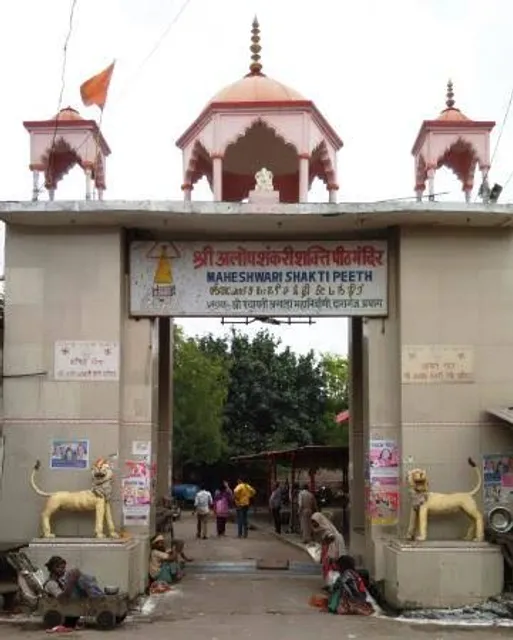
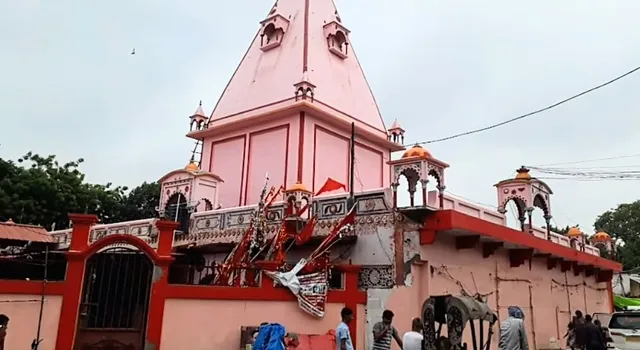
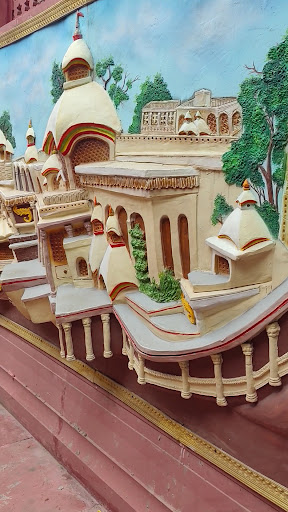
The Alopi Devi Mandir, ensconced in the ancient city of Prayagraj, carries with it a rich tapestry of history and legend that dates back to time immemorial. The temple’s origins are deeply intertwined with the tragic tale of Goddess Sati, a narrative that holds a prominent place in Hindu mythology. As the legend goes, Goddess Sati, unable to bear the humiliation of her husband Lord Shiva by her father Daksha, chose to end her life by self-immolation. The inconsolable Lord Shiva, carrying the charred body of his beloved, wandered the universe, plunging it into chaos and sorrow. In a bid to restore cosmic balance, Lord Vishnu, using his Sudarshan Chakra, dismembered Sati’s body, causing different parts to fall at various locations on Earth. Each of these locations became sanctified as Shaktipeeths, revered sites of worship dedicated to the Goddess.
The Alopi Devi Mandir holds the distinction of being the site where the last part of Goddess Sati’s body is believed to have descended. The term “Alopi” itself means “disappeared”, signifying the place where the final fragment of the goddess vanished upon touching the Earth. This narrative explains the temple’s unique characteristic: the absence of a deity’s idol. Instead, a sacred wooden cradle or ‘doli’ is venerated, marking the exact spot of the goddess’s disappearance.
Historical records also suggest a connection between the temple and the Maratha dynasty. The Maratha warrior, Shreenath Mahadji Shinde, is believed to have developed the Sangam area, where the temple is located, during his stay in Prayagraj in the late 18th century. Subsequent renovations and developments were undertaken by Maharani Baizabai Scindia in the 1800s, further enhancing the temple’s prominence.
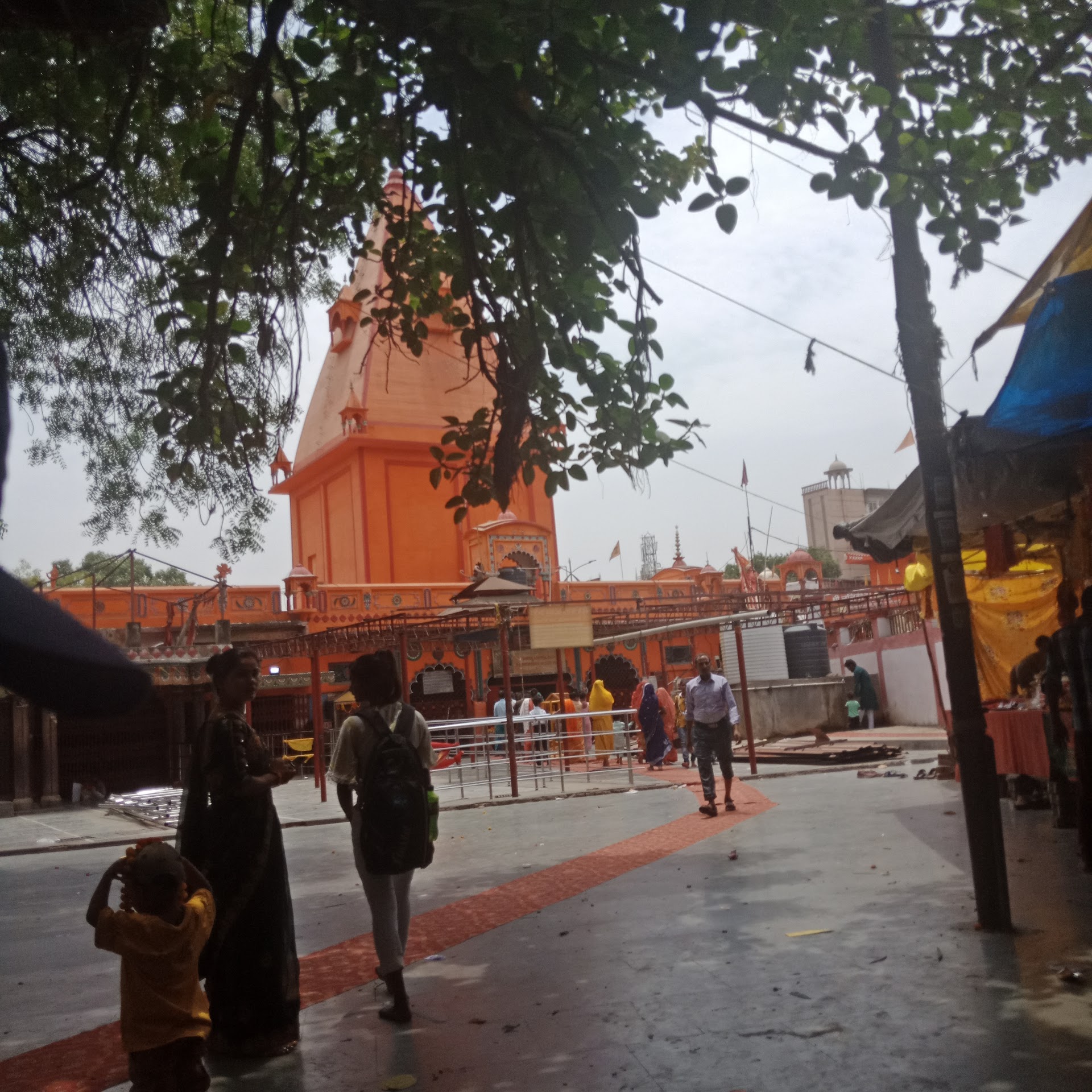
Over the centuries, the Alopi Devi Mandir has witnessed a surge in its following and significance. From being a prominent temple in the region, its stature has grown exponentially, especially since the 1990s. This growth led to large-scale renovations and infrastructural developments in the surrounding areas, ensuring that the temple’s legacy remains intact for future generations. Today, the temple stands not just as a place of worship but as a testament to the enduring faith, legends, and historical events that have shaped its existence. It serves as a poignant reminder of the rich spiritual and cultural heritage of India, drawing devotees and history enthusiasts alike to delve into its...
Read moreThe 'Alopi Devi Temple' located in Alopibagh, Allahabad at a distance of 6Kms from Prayagraj Junction. It is also known as the 'Siddhpeeth Temple of Maa Alopshankari'. According to the Puranas, the right hand claw of Mother Sati fell into a pool and disappeared. Hence, this temple is considered to be one of the major Shaktipeeths of Maa Shakti. The temple is named after the goddess Alopashankari.
Unlike traditional temples, it doesn’t house an idol but venerates a sacred wooden cradle, symbolizing the spot where the last fragment of Goddess Sati is believed to have disappeared. It is named after the goddess Alopshankari. There is a platform in the middle of the temple courtyard where a pool is made. Above this is a special swing or cradle, which is covered with a red cloth. According to legend, the wrist of mother Sati fell at this place. This is the famous Shakti Peetha and the water of this pool is considered to have miraculous powers.
In this unique temple of faith, the devotees worship not only the statue but the swing or the cradle. There is also a belief behind naming alopi. It is believed that the right hand claw of Shivapriya Sati fell invisible or alop, which is why this Shakti Peetha was named Alop Shankari.
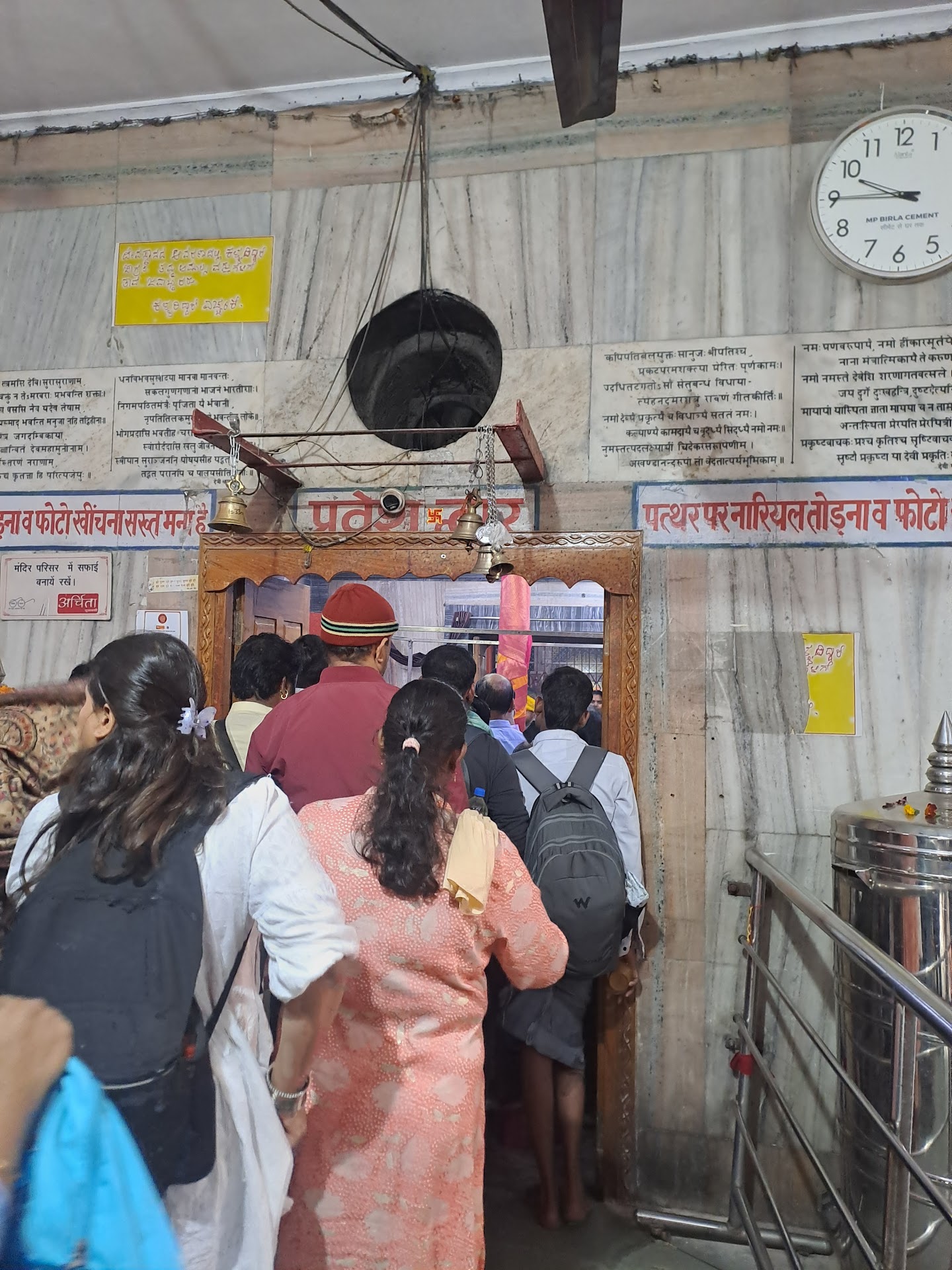
Devotees from far and wide visit the temple of Alopi Devi for worship. It is believed that the devotees who pray for vow by tying the Raksha Sutra on their wrist are fulfilled and the Goddess protects them till the thread is tied in the hand. Mother's makeup is not done here in Navratri, but their forms are recited. In Navratri, devotees stand in line for hours to see the Goddess and wait for their turn. A huge fair is held here on Monday and Friday. Devotees take water from the tank situated in the temple and place it on the cradle and perform a circumambulation of the Goddess to get her blessings. Here the devotees also ask for a vow to the mother by tying the protective thread on the wrist.
Many hindu rituals are performed at this place. Famous one is Mudan cermony (Head tonsuring) of the child. As per some historical evidences, Great Maratha Warrior Shreenath Mahadji Shinde had developed the Sangam place during his stay at Allahabad in 1772 AD. Maharani Bayzabai Scindia has done some works for renovation of Sangam ghats and temples at Allahabad. Major festivals like Navratri and Diwali are celebrated with fervor, drawing devotees from across the country. Temple timings :...
Read moreThe Alopi Devi Mandir, also known as the Alop Shankari Temple, is a revered place of worship situated in Alopibagh, Prayagraj, in the state of Uttar Pradesh, India. Let me share some fascinating details about this unique temple:
No Idol, Only a Cradle: Unlike most temples, Alopi Devi Mandir does not house an idol of the Goddess. Instead, it reveres a wooden carriage or doli. This distinctive feature sets it apart from other sacred sites.
The Legend of Alopi Devi: The temple’s name, Alopi, translates to “disappeared.” According to Hindu belief, after the death of his wife Sati, Lord Shiva carried her lifeless body through the skies. To relieve his agony, Lord Vishnu threw his Chakra at the corpse, causing different body parts to fall at various places in India. These spots became holy pilgrimage sites. The final section fell at this location, making it the holiest of all. However, some debate exists because Allahabad has only one Shakti peeth (the Lalita Devi temple), where Sati’s fingers are said to have fallen.
The Vanishing Bride: An intriguing local legend surrounds the temple’s origin. In ancient times, when the region was dense with forests infested by dacoits (bandits), a wedding procession passed through the jungle. Robbers surrounded the party, killing the men and looting their wealth. When they unveiled the bride’s carriage, they found it empty—the bride had vanished into thin air. The incident led to the construction of the temple, and locals began to worship the bride as “Alopi Devi,” the “virgin goddess who had vanished.”
Location and Significance: The temple is located near the Triveni Sangam, where the rivers Ganges, Yamuna, and the legendary Sarasvati meet. Its proximity to this sacred confluence adds to its spiritual significance. Additionally, the Kumbh Mela, a major Hindu festival, occurs nearby.
Meditative States and Devotion: Visitors can sit and meditate within the temple premises, effortlessly entering meditative states. The absence of an idol encourages devotees to connect directly with the divine energy represented by the cradle.
If you ever find yourself in Prayagraj, consider visiting this mystical temple—a place where faith transcends form and the story of the vanished bride continues to captivate...
Read more