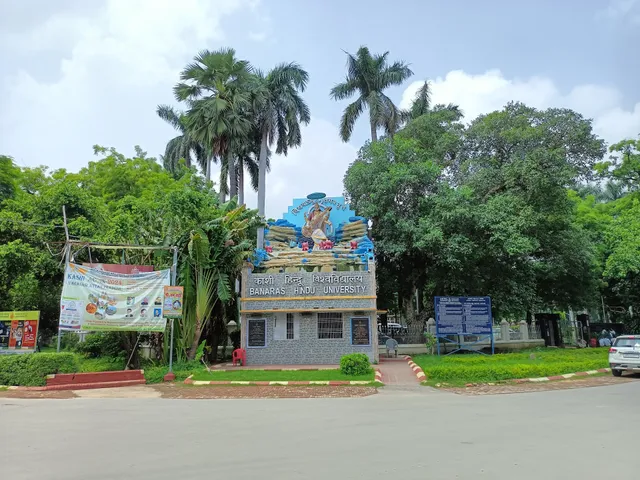
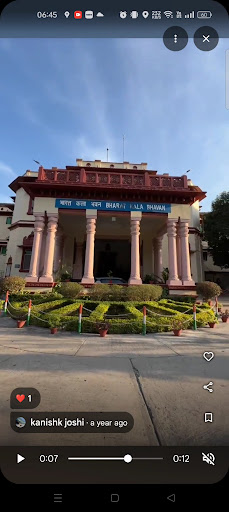
Bharat Kala Bhavan Museum, located inside the Banaras Hindu University (BHU) campus in Varanasi, Uttar Pradesh, is a renowned cultural institution dedicated to preserving and showcasing India’s rich artistic and historical heritage. Established in 1920 initially as Bharat Kala Parishad, the museum has grown over the decades to house over 100,000 artifacts spanning a vast timeline of Indian art, culture, archaeology, and religious history. The current museum building was inaugurated in 1950 by the first Prime Minister of India, Jawaharlal Nehru, and the institution has played a pivotal role in the dissemination of knowledge and appreciation of Indian art.
The museum's collection is diverse and extensive, including Buddhist and Hindu sculptures, Mughal and Rajput miniature paintings, ancient manuscripts, bronze statues, brocade textiles, coins, and terracotta artifacts. Bharat Kala Bhavan holds archaeological materials dating from the 1st to the 15th century, showcasing relics from various Indian civilizations and dynasties such as the Kushan, Gupta, Mughal, and Pala periods. This collection underscores the development of art and culture across regions and centuries.
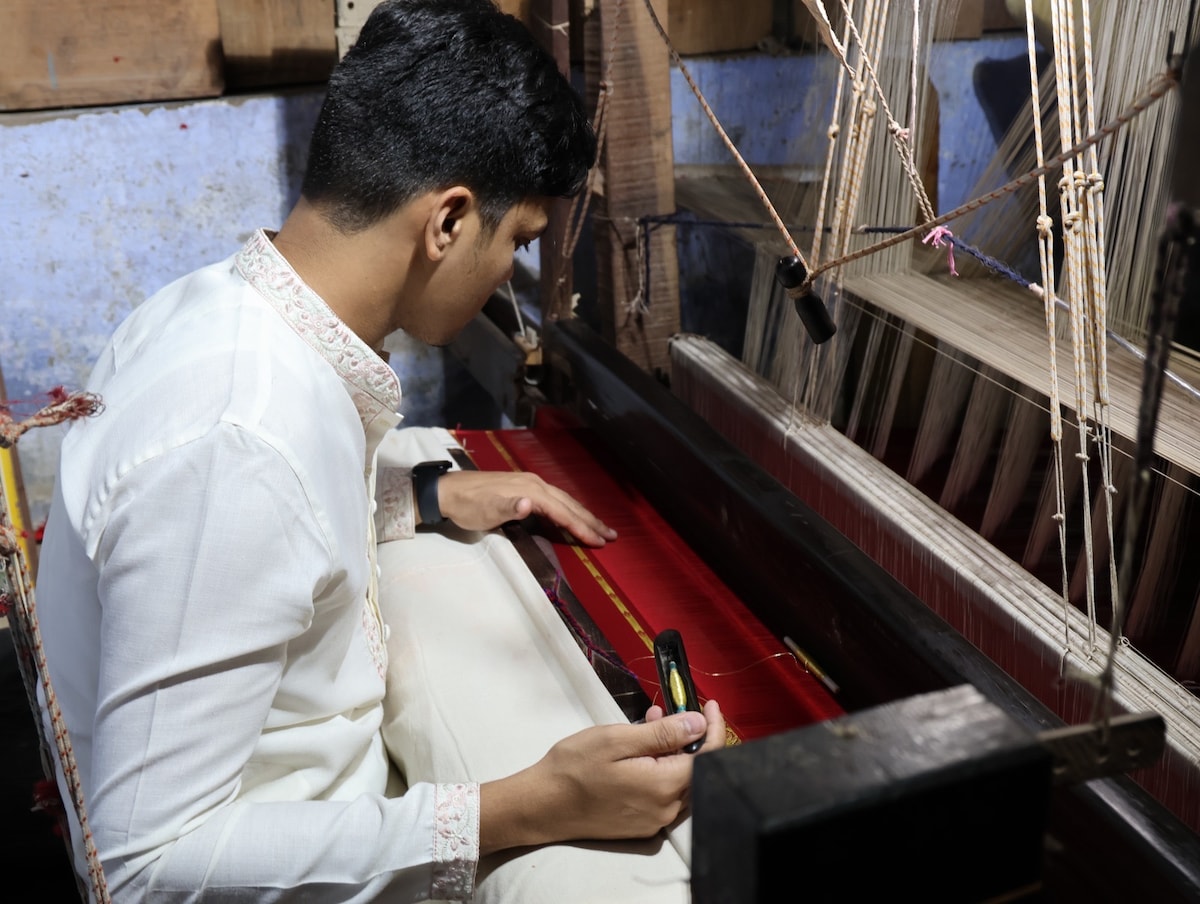
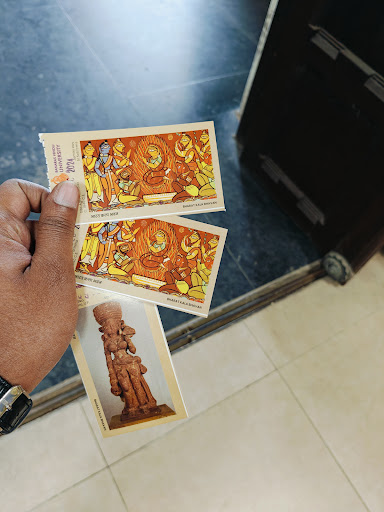
Among the highlights are rare sculptures representing gods, deities, and mortals, along with fine examples of stone, terracotta, and bronze craftsmanship. The museum displays exquisite miniature paintings from different schools, including Pahari, Rajasthani, and Mughal, reflecting India’s diverse regional artistic traditions. A notable section is dedicated to traditional textiles, including Banarasi silks and brocades known for their intricate weaving, embroidery, and patterns. The museum also boasts an impressive numismatic collection comprising ancient and medieval coins, offering insights into India's economic history.
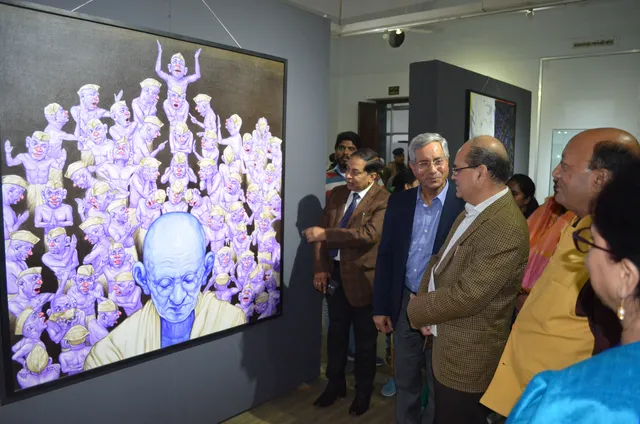
Bharat Kala Bhavan is organized into multiple galleries, including the Archaeological Section, Painting Section, Textile Section, Decorative Art Section, and specialized spaces like the Mahamana Malaviya Gallery and Nicholas Roerich Gallery. There are exhibits featuring personal collections, literary artifacts, and archival documents that enhance understanding of the historical context behind the objects showcased. The museum also holds items related to the Krishna cult that flourished in Varanasi during the 15th and 16th centuries, underlining the city's deep religious and cultural significance.
The museum serves not only as a display space but also as a center for research and education, providing resources for scholars and enthusiasts interested in Indian art history. It has a well-stocked research library, seminar halls, and organizes exhibitions and cultural programs to engage the public and promote Indian heritage.
Visitors to Bharat Kala Bhavan can experience a journey through millennia of Indian history and culture within the tranquil and scholarly atmosphere of the BHU campus. The museum is open Tuesday to Saturday from 10 AM to 5:30 PM, closed on Sundays and University holidays. The entry fee is modest, making it accessible to both Indian and foreign tourists eager to explore India’s...
Read moreBharat Kala Bhavan, located within the prestigious Banaras Hindu University (BHU) campus in Varanasi, is a treasure trove of art, culture, and history. Established in 1920, this museum is one of the finest in India, showcasing a remarkable collection of artifacts, paintings, sculptures, textiles, and historical objects that reflect India’s rich cultural heritage.
The museum is divided into several galleries, each dedicated to a specific theme or era. The Indian Miniature Paintings Gallery is a standout, featuring exquisite works from the Mughal, Rajput, and Pahari schools. The Sculpture Gallery houses ancient and medieval sculptures, including rare pieces from the Gupta and Kushan periods. The Textile Gallery displays a stunning array of traditional Indian fabrics, including Banarasi silk, which Varanasi is famous for.
One of the highlights of Bharat Kala Bhavan is the Nicholas Roerich Gallery, which showcases the works of the renowned Russian artist who was deeply influenced by Indian culture and spirituality. The museum also has a fascinating collection of historical artifacts, including coins, manuscripts, and decorative arts.
The museum is well-maintained, with informative plaques and descriptions accompanying each exhibit. The staff is knowledgeable and eager to assist visitors, making the experience even more enriching. The serene environment of the BHU campus adds to the charm of the visit.
Bharat Kala Bhavan is a must-visit for art lovers, history buffs, and anyone interested in exploring India’s cultural legacy. The entry fee is nominal, and the museum is easily accessible within...
Read moreBharat Kala Bhavan was established on 1 January 1920 in a wing of Bharat Kala Parishad in Godowlia, Varanasi. Between 1920 to 1962, the museum was shifted to several locations within Varanasi before Jawaharlal Nehru laid foundation of the existing museum building in 1950 and the museum was shifted to its existing location in the Banaras Hindu University in 1962.5 Mahatma Gandhi visited Bharat Kala Bhavan thrice and in his final trip he inscribed "संग्रह बहुत अच्छा है" ("the collection is very good").
MilestonesEdit1920: Bharat Kala Bhavan established.1926: Bharat Kala Parishad shifted from Godowliato Central Hindu Boys School.1929: Rabindra Nath Tagore (first Chairman) decided to focus on art and crafts.1929: Transfer of Bharat Kala Parishad to Kashi Nagari Pracharini Sabha under nomenclature of Bharat Kala Bhavan (Indian Art Museum).1930: Formal opening of Bharat Kala Bhavan in Kashi Nagari Pracharini Sabha by Prof. Ordhendra Coomar Gangoly1945: Silver Jubilee.1947: Lending of exhibits in the exhibitions in London.1950: Transfer of collection from Nagari Prachrini Sabha to Malaviya Bhavan in Banaras Hindu University.1950: Foundation of present building laid by Jawaharlal Nehru.1962: Inauguration of new building by Jawaharlal Nehru.1970: Golden Jubilee.1977: Foundation of Western Wing of building laid by Pratap Chandra Chunder.1980: Passing away of Padma Vibhushan Rai Krishnadasa1990: Inauguration of Alice Boner gallery.1995: Platinum Jubilee.2011: On 150th birth anniversary of Mahamana Pandit Madan Mohan Malaviya, museum produced a documentary film & published a...
Read more