HTML SitemapExplore
logo
Find Things to DoFind The Best Restaurants

Dilkusha Garden — Attraction in Uttar Pradesh

Name
Dilkusha Garden
Description
Nearby attractions
Dilkusha Kothi
RXH7+FV5, Bibiapur Marg, Neil Lines, Cantonment, Lucknow, Uttar Pradesh 226002, India
Nearby restaurants
Related posts
Keywords
Dilkusha Garden tourism.Dilkusha Garden hotels.Dilkusha Garden bed and breakfast. flights to Dilkusha Garden.Dilkusha Garden attractions.Dilkusha Garden restaurants.Dilkusha Garden travel.Dilkusha Garden travel guide.Dilkusha Garden travel blog.Dilkusha Garden pictures.Dilkusha Garden photos.Dilkusha Garden travel tips.Dilkusha Garden maps.Dilkusha Garden things to do.
Dilkusha Garden things to do, attractions, restaurants, events info and trip planning
Dilkusha Garden
IndiaUttar PradeshDilkusha Garden

Basic Info

Dilkusha Garden

RXH8+78W, Bibiapur Marg, Neil Lines, Cantonment, Lucknow, Uttar Pradesh 226002, India
4.2(1.5K)
Open until 6:00 PM
Save
spot

Ratings & Description

Info

Outdoor
Cultural
Family friendly
attractions: Dilkusha Kothi, restaurants:
logoLearn more insights from Wanderboat AI.
Website
dilkushagarden.com
Open hoursSee all hours
Fri6 AM - 6 PMOpen

Plan your stay

hotel
Pet-friendly Hotels in Uttar Pradesh
Find a cozy hotel nearby and make it a full experience.
hotel
Affordable Hotels in Uttar Pradesh
Find a cozy hotel nearby and make it a full experience.
hotel
The Coolest Hotels You Haven't Heard Of (Yet)
Find a cozy hotel nearby and make it a full experience.
hotel
Trending Stays Worth the Hype in Uttar Pradesh
Find a cozy hotel nearby and make it a full experience.

Reviews

Nearby attractions of Dilkusha Garden

Dilkusha Kothi

Dilkusha Kothi

Dilkusha Kothi

4.3

(574)

Open 24 hours
Click for details

Things to do nearby

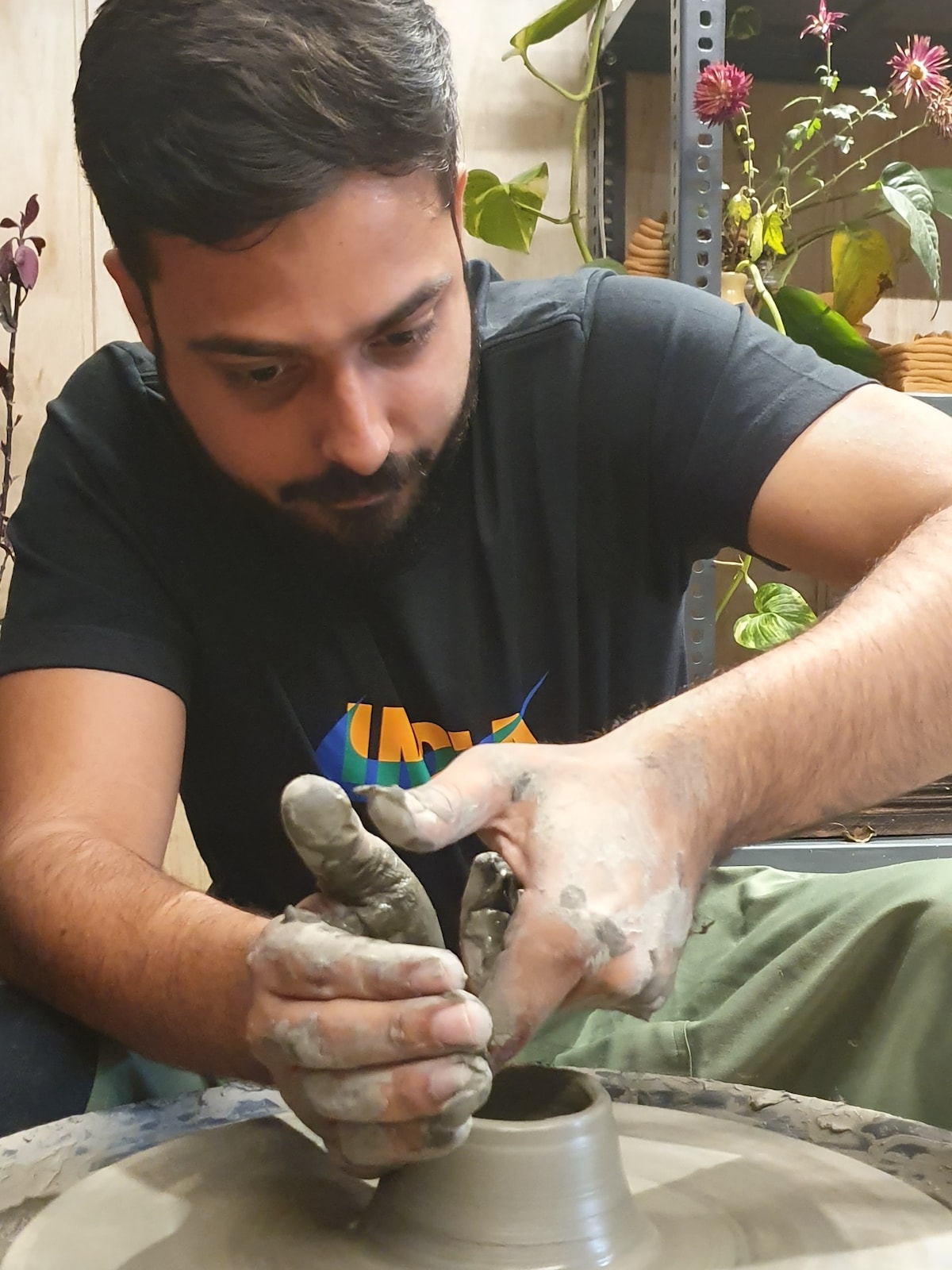
Create pottery
Create pottery
Thu, Dec 4 • 7:30 AM
Lucknow, Uttar Pradesh, 226010, India
View details
Lucknow Culinary Walk with Food Tastings
Fri, Dec 5 • 7:00 PM
690 Nicklin Way, Currimundi, 4551
View details
Masti Zone - Phoenix United Mall, Lucknow
Wed, Jul 23 • 12:00 AM
Kanpur Rd, Sector B, Bargawan, Alambagh, Lucknow, 226005
View details
Get the Appoverlay
Get the AppOne tap to find yournext favorite spots!
Wanderboat LogoWanderboat

Your everyday Al companion for getaway ideas

CompanyAbout Us
InformationAI Trip PlannerSitemap
SocialXInstagramTiktokLinkedin
LegalTerms of ServicePrivacy Policy

Get the app

© 2025 Wanderboat. All rights reserved.
logo

Reviews of Dilkusha Garden

4.2
(1,526)
avatar
4.0
5y

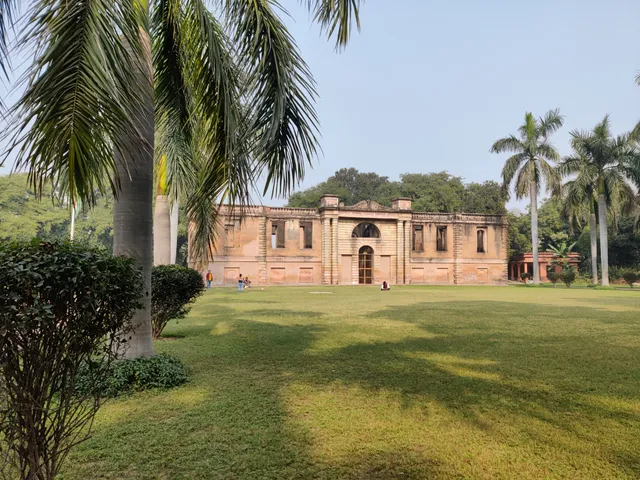
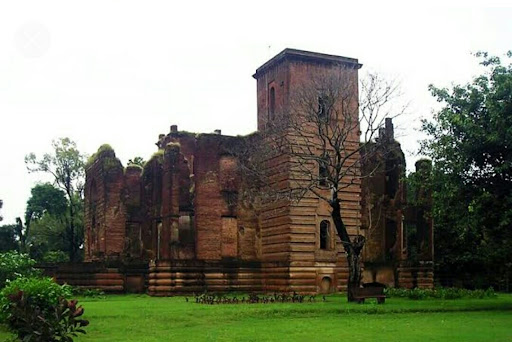
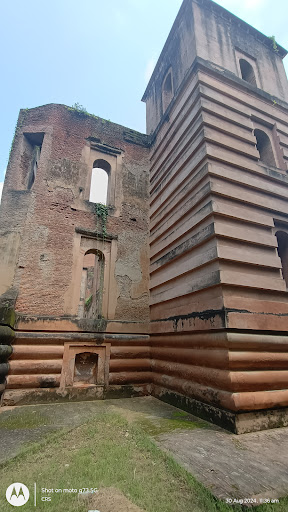
Dilkusha Kothi is the remains of an eighteenth-century house built in the English baroque style in the quiet Dilkusha area of Lucknow in India.Today there are only a few towers and external walls as a monument, though the extensive gardens remain. The house was shelled during its involvement in the Lucknow siege in 1857 together with the Residency and the nearby school of La Martiniere. The house was constructed around 1800 by the British resident Major Gore Ouseley, a friend of the ruler of Oudh, Nawab Saadat Ali Khan. It was initially intended as a hunting lodge for the Nawabs of Oudh, although it was later used as a summer resort too. Changes were made to its design by Nawab, King Nasir-ud-Din Haider (1827-1837). The building had patterned walls and unusually no inner courtyard as was traditional in Indian architecture. The building therefore had a smaller footprint and did not extend over a large area but was taller than traditional local architecture. Like its neighbour, La Constantia, it is located on the banks of Lucknow's main river, the Gomti. The design bears a startling resemblance to the style of Seaton Delaval Hall in Northumberland, England. Seaton Delaval Hall was built in 1721 and was designed by Sir John Vanbrugh, who also designed Blenheim Palace. Dilkusha Kothi is depicted in a rare early albumen print by the photographer Samuel Bourne, dating from 1864-1865.

The British actress Mary Linley Taylor was impressed by Dilkusha Kothi and named her own home in Seoul after it. She explained, "From that moment in India when first I saw Dilkusha, the Palace of Heart's Delight, I dreamed of this moment when I would bestow upon our home the name...

   Read more
avatar
4.0
7y

The house was constructed around 1800 by the British resident Major Gore Ouseley,[2] a friend of the ruler of Oudh, Nawab Saadat Ali Khan. It was initially intended as a hunting lodge for the Nawabs of Oudh, although it was later used as a summer resort too. Changes were made to its design by Nawab, King Nasir-ud-Din Haider (1827-1837). The building had patterned walls and unusually no inner courtyard as was traditional in Indian architecture. The building therefore had a smaller footprint and did not extend over a large area but was taller than traditional local architecture. Like its neighbour, La Constantia, it is located on the banks of Lucknow's main river, the Gomti.The design bears a startling resemblance to the style of Seaton Delaval Hall in Northumberland, England. Seaton Delaval Hall was built in 1721 and was designed by Sir John Vanbrugh, who also designed Blenheim Palace. Dilkusha Kothi is depicted in a rare early albumen print by the photographer Samuel Bourne, dating from 1864-1865.[3]

The British actress Mary Linley Taylor was impressed by Dilkusha Kothi and named her own home in Seoul after it. She explained, "From that moment in India when first I saw Dilkusha, the Palace of Heart's Delight, I dreamed of this moment when I would bestow upon our home the...

   Read more
avatar
5.0
6y

दिलकुशा क्षेत्र में हरे-भरे उद्यान के बीच स्थित दिलकुशा कोठी को देखकर कुछ ऐसा ही लगता है। वास्तव में इसे नवाबों के शिकार लॉज के रूप में बनवाया गया था। बाद में यह गर्मियों में रहने वाले घरों के तौर पर इस्तेमाल होने लगा। दिलकुशा बाग आज भी दिल बहलाने का मनोरम ठिकाना है। ऊंची-ऊंची गाथिक शैली की कोठियों के खंडहरों के साये में यह भव्यता का नायाब नमूना है। गदर में अंग्रेजों ने जैसे ही कोठी दिलकुशा को अपना ठिकाना बनाया कि हिंदूस्तानी क्रांतिकारियों ने इसकी ईंट से ईंट बजा दी और ये इमारतें चकनाचूर होने लगीं। दिलकुशा का बहुत सा भाग तो छावनी और नयी बस्तियों के पांव तले दब चुका है, फिर भी थोड़े से हिस्से को सजा संवार कर रखा गया है, जिसमें एक शिकारगाह के खंडहर और एक गोल बारादरी अब भी देखने को मिलती है।

दिलकुशा कोठी को नवाब सआदत अली खां के शासनकाल में ब्रिटिश मेजर गोरे ऑस्ले द्वारा बनाया गया था। इस इमारत की वास्तुकला डिजाइन में इंग्लैंड के नॉर्थम्बरलैंड के सिटॉन डेलावल हॉल के पैटर्न की स्पष्ट झलक दिखाई देती है। दरअसल, सआदत अली खां अंग्रेजों के रहमोकरम पर नवाब बने थे। नवाब सआदत अली खां को खजान-ए-अवध से एक करोड़ पैंतीस लाख रुपये का सालाना हिस्सा कंपनी सरकार को देना पड़ता था। नवाब को जिंदगी भर यह खटकता रहा।

नवाब बेहद सादगी पसंद और कला प्रेमी इंसान थे। इन्होंने रेजीडेंसी से दिलकुशा तक महल और बगीचे बिछा दिए। टेढ़ी कोठी, लाल बारादरी, कोठी नूरबख्श, कंकर वाली कोठी, खुर्शीद मंजिल, चौपड़वाली घुड़साल, बादशाह मंजिल, खास मकाम और दिलकुशा बाग बनवाए। दिलकुशा कोठी में शिकार खेलने के लिए ऊंची मंजिल वाली एक मीनारनुमा कोठी का निर्माण भी किया गया, जिसके चारों ओर निशानेबाजी के लिए सादी इटालियन ढंग की खिड़कियां बनवायी गईं। यहां तमाम हिरन और जंगली जानवर पाल लिए गए थे। इस तरह दिलकुशा मन बहलाने और रोमांच का ठिकाना बन गया।

सआदत अली खां के बाद नसीरुद्दीन हैदर ने दिलकुशा को और सजाया संवारा। नसीरुद्दीन हैदर को अंग्रेजी रंग-ढंग और फिरंगी साथ का बड़ा शौक था। उन्होंने अपने फ्रेंच मेहमान मि. माट्स को अपने दरबार में ऊंचा ओहदा दे रखा था। कला की दुनिया में माट्स का बड़ा नाम था। पेंटिंग करने में और पश्चिमी संगीत में बेजोड़ था। माट्स को रमणीक वातारण देने के लिए दिलकुशा के महलों में बसा दिया गया। इन रंगीन झुरमुटों में बैठकर वह बादशाह की मर्जी की तस्वीरें पेंट करता रहता था। वह नसीरुद्दीन से तस्वीरों के मुंह मांगे दाम वसूल करता रहा।

1830 में एक अंग्रेज ने बादशाह नसीरुद्दीन हैदर और उनके नवाब वजीरों के सामने दिलकुशा में एक गुब्बारा उड़ाया था। यह घटना यहां के इतिहास में बेमिसाल है। इस तमाशे को लखनऊ वालों ने बड़े हैरत और दिलचस्पी से देखा था। उनके हरम की बेगमें भी सावन के महीने में यहां आकर रहा करती थीं। नसीरुद्दीन हैदर की अजीज बेगम कुदसिया महल अपने गर्भ की सुरक्षा के लिए चेहल्लुम के बाद बरसात के दिनों में इन महलों में आकर रही थीं।

नहीं है कोई आंगन

प राने राजाओं या नवाबों में घरों में खुलापन देखने को मिलता था। बावजूद इसके अजीब बात यह है कि दिलकुशा कोठी में कोई आंगन नहीं है।

1857 से पहले था विदेशी आर्मी का अड्डा

1857 भारतीय स्वतंत्रता विद्रोह के दौरान यह पूरा परिसर ब्रिटिश सैन्य गतिविधियों का केंद्र था। इसी परिसर में ब्रिटिश जनरल सर हेनरी हैवलाक ने 24 नवंबर 1857 को...

   Read more

Page 1 of 7
Previous
Next

Posts

Shaurya SinghShaurya Singh
Dilkusha Kothi is the remains of an eighteenth-century house built in the English baroque style in the quiet Dilkusha area of Lucknow in India.Today there are only a few towers and external walls as a monument, though the extensive gardens remain. The house was shelled during its involvement in the Lucknow siege in 1857 together with the Residency and the nearby school of La Martiniere. The house was constructed around 1800 by the British resident Major Gore Ouseley, a friend of the ruler of Oudh, Nawab Saadat Ali Khan. It was initially intended as a hunting lodge for the Nawabs of Oudh, although it was later used as a summer resort too. Changes were made to its design by Nawab, King Nasir-ud-Din Haider (1827-1837). The building had patterned walls and unusually no inner courtyard as was traditional in Indian architecture. The building therefore had a smaller footprint and did not extend over a large area but was taller than traditional local architecture. Like its neighbour, La Constantia, it is located on the banks of Lucknow's main river, the Gomti. The design bears a startling resemblance to the style of Seaton Delaval Hall in Northumberland, England. Seaton Delaval Hall was built in 1721 and was designed by Sir John Vanbrugh, who also designed Blenheim Palace. Dilkusha Kothi is depicted in a rare early albumen print by the photographer Samuel Bourne, dating from 1864-1865. The British actress Mary Linley Taylor was impressed by Dilkusha Kothi and named her own home in Seoul after it. She explained, "From that moment in India when first I saw Dilkusha, the Palace of Heart's Delight, I dreamed of this moment when I would bestow upon our home the name 'Dilkusha'."
chaaru sworoopchaaru sworoop
Loved it. Such an important historical building. It still stands majestically looking towards eternity. Can't believe the historical events the building has witnessed.!!. Never visited any other building which was directly part of 1857s resistance by Indian soldiers. U get good area for parking as no one in Lucknow is interested to visit😆. Some young couple was there on a corner finding some pleasure time to check each other ha ha..!! No guide, no human beings from ASI at all. You can roam around, read about the building in Wikipedia and just study the site on your own. Nice place to visit. Clean and neat. No crowd. Open on all working days. Just enter though the gap of closed gates. (Gates won't be opened normally, it's always kept closed. But you can get in through the gaps). Read about the monument and visit the area. That will help you enjoy your visit.
Sum ShakSum Shak
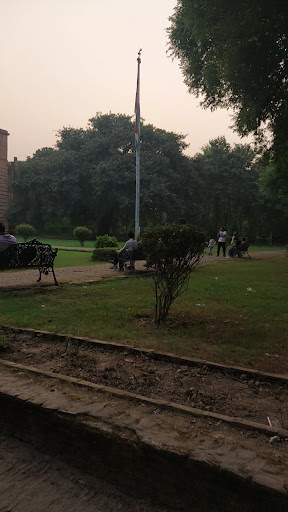
Dilkusha Garden is a hidden Gem. It's truly a place worth visiting for its serene and peaceful atmosphere. The Palace, with its unique blend of British Architecture and French Design, was built specifically for the Nawabs of Lucknow. Originally, it served as a temporary residence for the Nawabs when they went hunting, offering them a peaceful place surrounded with natural beauty. Beyond its Architectural beauty, the Palace also holds significant historical importance. It was destroyed during the First War of Independence in 1857, marking it as a site with a deep connection to India's struggle for freedom. This palace is not just a piece of history but also a peaceful escape from the bustling city life. It's a must visit destination that offers a perfect blend of history, architecture, nature and a glimpse of the royal lifestyle of the Nawabs of Lucknow.
See more posts
See more posts
hotel
Find your stay

Pet-friendly Hotels in Uttar Pradesh

Find a cozy hotel nearby and make it a full experience.

Dilkusha Kothi is the remains of an eighteenth-century house built in the English baroque style in the quiet Dilkusha area of Lucknow in India.Today there are only a few towers and external walls as a monument, though the extensive gardens remain. The house was shelled during its involvement in the Lucknow siege in 1857 together with the Residency and the nearby school of La Martiniere. The house was constructed around 1800 by the British resident Major Gore Ouseley, a friend of the ruler of Oudh, Nawab Saadat Ali Khan. It was initially intended as a hunting lodge for the Nawabs of Oudh, although it was later used as a summer resort too. Changes were made to its design by Nawab, King Nasir-ud-Din Haider (1827-1837). The building had patterned walls and unusually no inner courtyard as was traditional in Indian architecture. The building therefore had a smaller footprint and did not extend over a large area but was taller than traditional local architecture. Like its neighbour, La Constantia, it is located on the banks of Lucknow's main river, the Gomti. The design bears a startling resemblance to the style of Seaton Delaval Hall in Northumberland, England. Seaton Delaval Hall was built in 1721 and was designed by Sir John Vanbrugh, who also designed Blenheim Palace. Dilkusha Kothi is depicted in a rare early albumen print by the photographer Samuel Bourne, dating from 1864-1865. The British actress Mary Linley Taylor was impressed by Dilkusha Kothi and named her own home in Seoul after it. She explained, "From that moment in India when first I saw Dilkusha, the Palace of Heart's Delight, I dreamed of this moment when I would bestow upon our home the name 'Dilkusha'."
Shaurya Singh

Shaurya Singh

hotel
Find your stay

Affordable Hotels in Uttar Pradesh

Find a cozy hotel nearby and make it a full experience.

Get the Appoverlay
Get the AppOne tap to find yournext favorite spots!
Loved it. Such an important historical building. It still stands majestically looking towards eternity. Can't believe the historical events the building has witnessed.!!. Never visited any other building which was directly part of 1857s resistance by Indian soldiers. U get good area for parking as no one in Lucknow is interested to visit😆. Some young couple was there on a corner finding some pleasure time to check each other ha ha..!! No guide, no human beings from ASI at all. You can roam around, read about the building in Wikipedia and just study the site on your own. Nice place to visit. Clean and neat. No crowd. Open on all working days. Just enter though the gap of closed gates. (Gates won't be opened normally, it's always kept closed. But you can get in through the gaps). Read about the monument and visit the area. That will help you enjoy your visit.
chaaru sworoop

chaaru sworoop

hotel
Find your stay

The Coolest Hotels You Haven't Heard Of (Yet)

Find a cozy hotel nearby and make it a full experience.

hotel
Find your stay

Trending Stays Worth the Hype in Uttar Pradesh

Find a cozy hotel nearby and make it a full experience.

Dilkusha Garden is a hidden Gem. It's truly a place worth visiting for its serene and peaceful atmosphere. The Palace, with its unique blend of British Architecture and French Design, was built specifically for the Nawabs of Lucknow. Originally, it served as a temporary residence for the Nawabs when they went hunting, offering them a peaceful place surrounded with natural beauty. Beyond its Architectural beauty, the Palace also holds significant historical importance. It was destroyed during the First War of Independence in 1857, marking it as a site with a deep connection to India's struggle for freedom. This palace is not just a piece of history but also a peaceful escape from the bustling city life. It's a must visit destination that offers a perfect blend of history, architecture, nature and a glimpse of the royal lifestyle of the Nawabs of Lucknow.
Sum Shak

Sum Shak

See more posts
See more posts