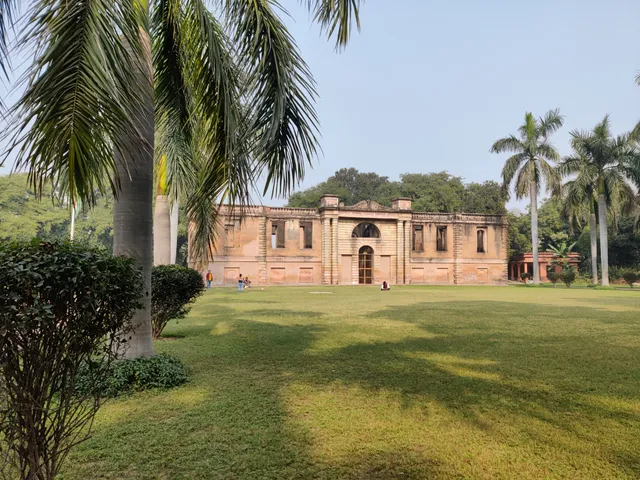
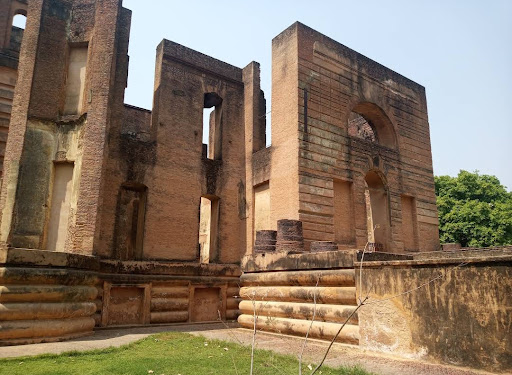
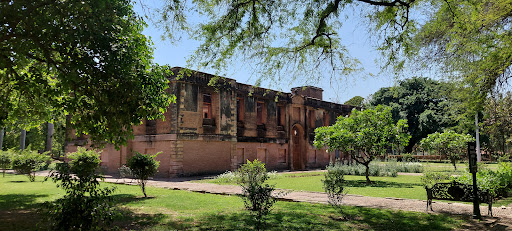
Dilkusha Kothi: A Historical Overview Dilkusha Kothi, located in the picturesque Dilkusha area of Lucknow, is a historical monument that reflects the grandeur and tumult of the region's past. Built in the early 19th century, this structure was initially a hunting lodge for the Nawabs of Awadh and later served various purposes, including as a summer retreat. Its architecture and historical significance make it a notable landmark in Lucknow, yet it also stands as a poignant reminder of the events that shaped the region, particularly during the First War of Independence in 1857. Historical Significance Construction and Early Use Dilkusha Kothi was constructed around 1800 by Major Gore Ouseley, the British Resident in Awadh, as a gift for Nawab Saadat Ali Khan. The Nawab, who ruled from 1798 to 1814, was known for his patronage of the arts and architecture. The Kothi was designed as a hunting lodge, taking advantage of its scenic location on the banks of the Gomti River. It was a favored retreat for the Nawab and his family, providing a serene environment for leisure and recreation. The Kothi's design is said to be inspired by the Seaton Delaval Hall in Northumberland, England, showcasing English Baroque architectural elements. It featured a three-story structure with four octagonal towers and was adorned with intricate patterns and statues, lending it an air of elegance and sophistication. The gardens surrounding the Kothi were meticulously maintained, making it a popular picnic spot for the Nawab's family and the Begums. The 1857 Uprising The significance of Dilkusha Kothi escalated during the Indian Rebellion of 1857, also known as the First War of Independence. The Kothi became a strategic military position for British forces during the siege of Lucknow. It was from here that General Colin Campbell launched operations to recapture the city from Indian rebels. The Kothi witnessed intense fighting and was subjected to heavy artillery fire, which led to considerable damage. The Kothi was occupied by Indian rebels during the uprising, and it served as a base for launching attacks against British troops. The siege lasted several months, and the Kothi became a focal point in the struggle between the British and the sepoys. General Henry Havelock, a key British commander, died at Dilkusha Kothi from dysentery during the siege, further cementing its place in the annals of history. Architectural Features The architecture of Dilkusha Kothi is a blend of European and Indian styles, reflecting the cultural exchanges of the time. The structure is built with Lakhauri bricks and plastered with lime, which was a common construction material in the region. The absence of inner courtyards, a typical feature in Indian architecture, is notable and adds to its uniqueness. Instead, the Kothi's design emphasized verticality, with tall ceilings and grand staircases leading to the main entrance. The Kothi's four octagonal towers were adorned with glazed pottery, enhancing its visual appeal. The central doorway was framed by a portico supported by tall pillars, creating an impressive entrance. Statues of women flanked the balustrades, adding a touch of artistry to the structure. Despite the ravages of time and conflict, remnants of this architectural beauty continue to evoke a sense of nostalgia. Decline and Restoration Efforts Following the 1857 uprising, Dilkusha Kothi fell into disrepair. The extensive damage it sustained during the siege, coupled with neglect over the years, led to its current state of ruin. The Kothi, once a symbol of grandeur, now stands as a poignant reminder of the past, with only a few towers and external walls remaining. In recent years, efforts have been made to restore and preserve Dilkusha Kothi. The Archaeological Survey of India (ASI) has taken steps to prevent further decay and promote the site's historical significance. Restoration work includes gardening and minor repairs to the structure, aiming to revitalize the gardens and enhance the visitor experience. Cultural Impact Dilkusha Kothi has not...
Read more⭐ Rating: 4.2/5 📍 Dilkusha Kothi, Lucknow
Review: Dilkusha Kothi, meaning "Heart’s Delight", is a lesser-known yet historically rich site located in the peaceful cantonment area of Lucknow. Built around 1800–1805 by British resident Major Gore Ouseley for Nawab Saadat Ali Khan, this structure reflects a rare blend of English Baroque and Awadhi architecture.
✅ Highlights 🏛️ Unique Architecture Once a grand hunting lodge and summer retreat, Dilkusha Kothi featured tall towers, arched windows, and large staircases. Though now mostly in ruins, you can still see the impressive walls, corner towers, and a glimpse of its former grandeur.
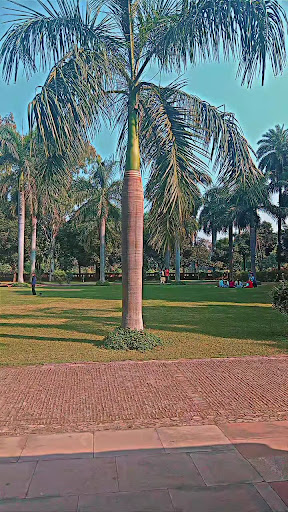
🌿 Peaceful Environment The surrounding lawns and garden area are beautifully maintained and mostly uncrowded. It's a great spot for a calm walk, light photography, or just enjoying nature in a historic setting.
📜 Historical Significance Dilkusha played a role during the 1857 First War of Independence, with British forces using it as a base and hospital. You can even spot the damage on the walls caused by cannon fire during the siege of Lucknow.
⚠️ Things to Know Only Partial Ruins Remain: Don’t expect a complete palace. Most of what’s left is the outer structure, but it still holds charm.
Limited Facilities: There are no ticket counters, cafés, or restrooms nearby. It’s best to carry water and snacks.
Not Very Touristy: It’s quiet and offbeat, but that also means fewer guides or boards explaining the site’s history.
🏅 Pros & Cons Pros: ✔ Calm and quiet location ✔ Great for history lovers and photography ✔ Well-maintained gardens and easy to reach
Cons: ✘ No detailed signage or guides ✘ Limited facilities like food or restrooms ✘ Some parts not well preserved
🎯 Visitor Tips Best Time: Visit in the winter or early mornings during summer to avoid the heat.
Getting There: Located near Bibiapur Marg and La Martinière College, it's easily reachable by cab or auto.
Nearby Spots: You can also visit La Martinière, The Residency, or Janeshwar Mishra Park for a full day of sightseeing.
Final Verdict: Dilkusha Kothi is a peaceful and historically rich site perfect for those who enjoy exploring quiet heritage locations. It might not be grand in scale today, but the charm of its ruins and the silence of its gardens make it a beautiful retreat from the...
Read moreThis monument was built in the 18th century by Major Gore Ouseley, the British resident and a good friend to the then ruler of Oudh, Nawab Saadat Ali Khan. It was initially built as a hunting lodge for the Nawabs, although it also served the function of a summer resort. Because of its close proximity to the river, the Dilkusha Kothi, which still is one of the popular tourist attractions in Lucknow, was also used as a place where the Begums (wives of Nawabs) came to relax, unwind and enjoy a picnic. It is interesting to note however, that this place did not have a separate zenana (ladies’ room), a feature common to all Nawabi buildings.
This structure has fascinated people from all over the globe since the earliest times. It was from this place that William Howard Russell, an acclaimed correspondent of The Times, said that Lucknow was the most beautiful city he had ever come across, adding that its beauty exceeded that of Rome, Athens and Constantinople. And this, at a time when the building was damaged by the exchange of heavy artillery fire between the Indian sepoys and the British forces during the Indian Revolt of 1857. This magnificent structure also charmed Mary Linley Taylor, a famous British actress, who was so impressed by it that she named her home in Seoul after it.
The building went further changes under the rule of Nawab Wajid Ali Shah (the tenth and last Nawab of Awadh). It was he who, during the early years of his rule, built another Kothi just next to it. This was done so that he could hold military exercises for his troops. However, the British were very offended by this act and ordered him to stop all further exercises. This left the Nawab quite helpless and frustrated. It was not too later that he was forced to abdicate by the British. Before doing so, he also refused to sign his abdication statement, following which, he was...
Read more