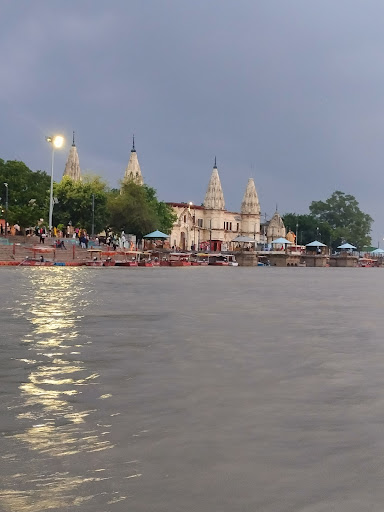
Guptar Ghat, located in Faizabad near Ayodhya in Uttar Pradesh, holds immense spiritual and historical significance in Hindu mythology. It lies along the sacred banks of the River Sarayu (also referred to as Saryu or Ghaghra), making it one of the most revered ghats in the region. According to tradition, this is the very spot where Lord Rama, the revered hero of the Ramayana epic and an incarnation of the god Vishnu, meditated and performed Jal Samadhi (a mystical act of submerging oneself in water to leave the earthly realm) to return to his divine abode, Vaikunta.
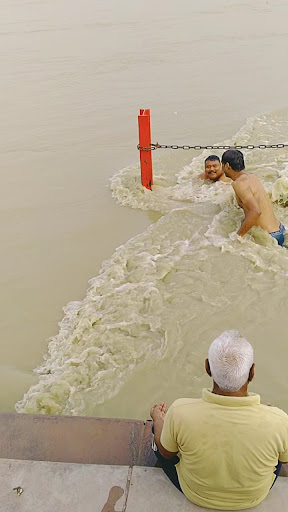
Guptar Ghat is steeped in legend and spirituality. It is widely believed that the waters of the Sarayu River at this ghat have the power to purify and wash away sins. Hence, taking a dip in the river here is considered highly auspicious by devotees. The atmosphere at Guptar Ghat is described as serene and filled with the chanting of Lord Rama’s name, hymns, and prayers, creating a deeply devotional environment.
The origins of Guptar Ghat date back to the early 19th century when it was constructed by King Darshan Singh. Over time, the ghat has been renovated and improved, especially in recent years through initiatives spearheaded by the Uttar Pradesh government. These efforts have transformed Guptar Ghat from a relatively neglected site into a well-maintained spiritual and tourist destination. Modern amenities now coexist with the ghat's rich history and religious importance, enhancing the experience for pilgrims and visitors.
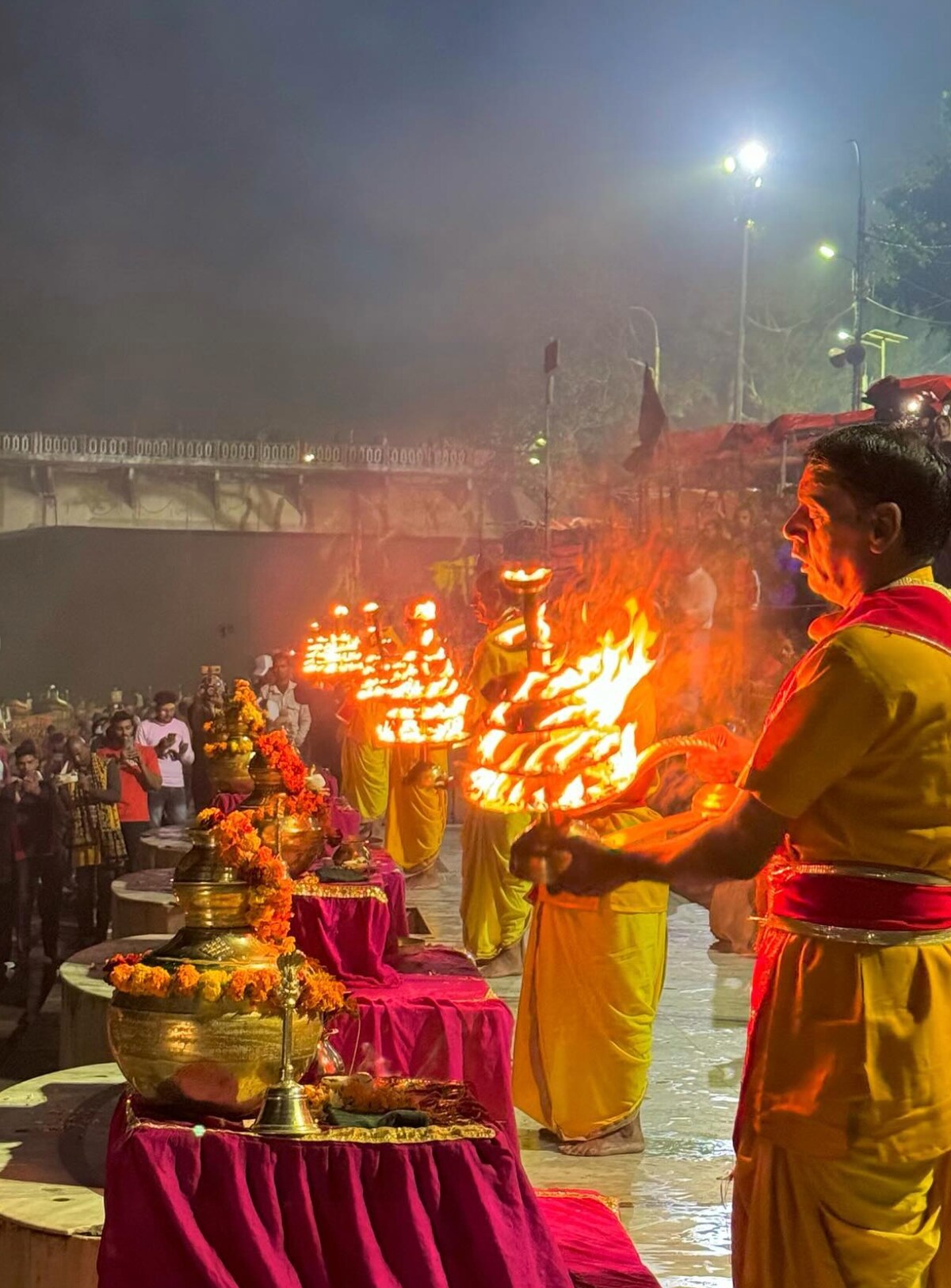
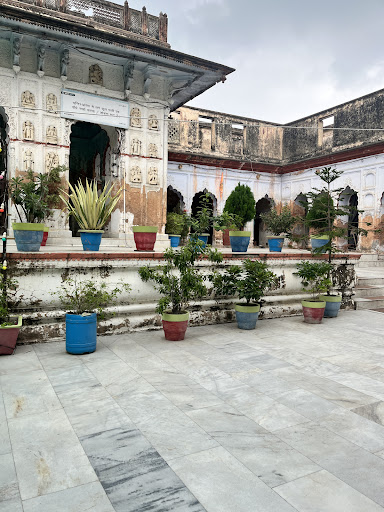
Several prominent temples surround Guptar Ghat, including the Sita-Ram temple, Chakrahari shrine, and Narsingh temple. These temples enshrine deities associated with Lord Rama and his divine family, adding to the ghat’s sanctity. The area is peaceful yet vibrant during festivals and special occasions, when devotees gather in large numbers to perform rituals and celebrate the divine presence.
The story behind Lord Rama’s Jal Samadhi at Guptar Ghat is rooted deeply in Hindu scriptures. It is narrated that toward the end of his earthly life, Lord Rama was reminded by Yama Deva, the god of death, about the time to leave the mortal world. In keeping with his divine duties and the laws of dharma, Rama chose Guptar Ghat at Sarayu River to meditate and immerse himself in the river, thereby attaining liberation and returning to his spiritual home, Vaikunta. This event symbolizes the ultimate release from the cycle of birth and death, an archetype of spiritual transcendence depicted in the Ramayana and other texts.
In addition to its religious significance, Guptar Ghat has undergone beautification efforts that have enhanced the riverside area with features like embankments, parks, open-air theaters, sculpture installations, and yoga and meditation centers. These developments aim to blend spiritual heritage with modernization and tourism development, making Guptar Ghat a must-visit location for those exploring Ayodhya...
Read moreGuptar Ghat, nestled along the tranquil banks of the sacred River Saryu in Ayodhya, holds profound significance in Hindu mythology as the place where Lord Rama is believed to have undertaken his final journey from this mortal realm to his celestial abode. This hallowed site, steeped in spirituality and history, has recently undergone a remarkable transformation, thanks to the visionary efforts of the Uttar Pradesh government, spearheaded by Chief Minister Yogi Adityanath.
Once a neglected stretch of riverbank, Guptar Ghat now stands as a shining example of rejuvenation and revitalization. A serene oasis of tranquility, it beckons pilgrims and tourists alike, offering a sanctified space for introspection, prayer, and relaxation.
The recent restoration initiatives have breathed new life into Guptar Ghat, with meticulous attention to detail evident in every aspect of its redevelopment. The construction of solid embankments, widening of roads, and introduction of modern amenities have not only enhanced the ghat's aesthetic appeal but also improved accessibility for visitors.
Visitors to Guptar Ghat are greeted by a plethora of attractions and facilities designed to cater to their spiritual and recreational needs. An open-air theatre provides a platform for cultural performances and religious ceremonies, while an array of parks and gardens offer tranquil spaces for meditation and contemplation.
For the adventurous at heart, the introduction of water sports activities, motorboats, and upcoming solar-powered boats promises exhilarating experiences on the pristine waters of the Saryu River. Meanwhile, a four-lane road connecting Rajghat to Guptar Ghat ensures seamless connectivity for travelers from far and wide.
Modern conveniences such as CCTV surveillance, 5G access, and Wi-Fi zones ensure the safety and comfort of visitors, while artistic installations, selfie points, and heritage lighting add a touch of charm to the ghat's picturesque ambiance, particularly as dusk falls.
In conclusion, the transformation of Guptar Ghat into a world-class tourist destination is a testament to the Uttar Pradesh government's commitment to preserving heritage and promoting tourism. With its rich spiritual heritage, breathtaking natural beauty, and modern amenities, Guptar Ghat stands as a beacon of hope and inspiration for...
Read moreIt's name Guptar Ghat is supposed to be coming from the vanishing of Shri Ram ji. One can say getting Gupt inside the holy river Saryu ji . This Ghat is very old, may be more than one hundred years. Yes it's beautiful and crowded some times. Morning and evening are best times to visit. Fresh air and river Saryu flowing, it mesmerizes you. At present there is this new development going in and around Ayodhya city. The whole area of Guptar Ghat is newly designed and developed from scratch, though not much have changed on the main Ghat but it has been stretched from say two hundred metres to about three kilometres. Most people come here for jogging, walking in morning and evening. The whole ghat is full of life. Along side of ghat are motor boats if anyone wishes to get a round of the river. A very large area where once was only sand and river side people did farming has been converted and changed into beautiful Ghat and , part of that land is converted and new small broader road constructed which goes upto Ayodhya. Whole road has solar powered street light, which automatically switch on and off as they detect darkness. After making the ghats they got plenty of space on the ghat side which now consists of gardens, shops, parking area and a small unit of waterboat plant. Apart from that they constructed, this parking, a new garden, some small shops have been constructed which mostly have eatables and snacks. At the time of my visit the open parking area was kept free , I don't know if it's free forever. Although people still park their car on the road side. Adjacent to this parking is the newly designed and developed garden and park. This whole area now glow in night because of great LED lights. There are many solar lights also installed. Most crowd only comes at night to watch this lights. This ghat have many entertainment things for children also. So at present it's a good place to chill out, hang out, enjoy time, relax and excercise. A must visit at least once...

Read more