Gauri Kund, nestled in the Rudraprayag district of Uttarakhand, is more than just the base camp for the arduous trek to Kedarnath — it’s a place steeped in myth, devotion, and the raw, untamed beauty of the Himalayas. At about 6,500 feet above sea level, this serene spot is named after Goddess Parvati (Gauri), who, according to legend, performed intense penance here to win Lord Shiva’s love and hand in marriage.
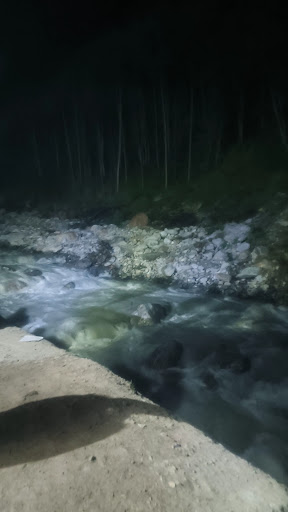
For pilgrims on their way to Kedarnath, Gauri Kund marks the beginning of a spiritual test — a symbolic cleansing of the body and soul before one ventures higher into the abode of Shiva. The natural hot spring here is its greatest blessing. Devotees gather to bathe in its steaming waters, even in freezing temperatures, believing that the Kund purifies the mind and absolves sins committed knowingly or unknowingly. There is something deeply humbling about standing in warm, sulphur-rich water while the icy Mandakini River roars nearby, surrounded by pine forests and distant snow peaks.
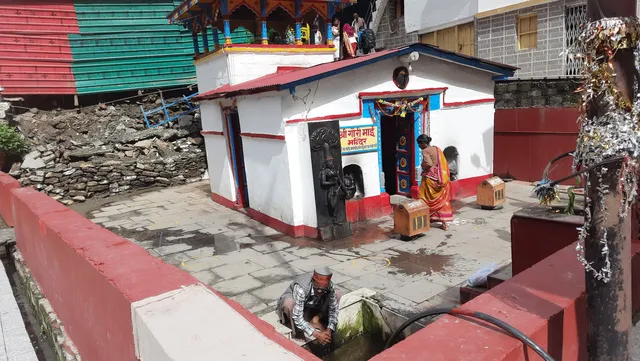
A small temple dedicated to Goddess Gauri stands beside the Kund. Modest yet powerful in its aura, it is often adorned with marigolds and incense offered by passing devotees. The local priests share stories of Parvati’s unwavering devotion — tales that inspire visitors to reflect on their own patience and faith. Close by, there’s also a shrine for Lord Ganesha, said to be born here when Parvati created him from the sandalwood paste of her bath.
The village itself, though often busy during the Char Dham season, retains a rustic charm. Simple shops selling woollens, wooden sticks for the trek, steaming chai, and hearty meals create an atmosphere of warmth and community. Despite the challenges of the terrain, you’ll find locals ever ready to help with a smile — a reminder that in the mountains, kindness is a shared pilgrimage.
As you begin the steep trek from Gauri Kund to Kedarnath, every step feels blessed by the divine mother who once sat here in meditation. The journey ahead is tough, but Gauri Kund stays etched in your mind — a place that whispers the timeless lesson that devotion, like the warm spring, can sustain you even in the...
Read moreBest time to visit : In the months of April to November.
Nearest Railway Station : Rishikesh railway station at a distance of nearly 210 kilometres from Gaurikund Temple.
Nearest Airport : Jolly Grant airport of Dehradun at a distance of nearly 276 kilometres from Gaurikund Temple.
Did you know: Parvati had done penance at this place to get Lord Shiva as her husband. The story of the birth of Lord Ganesha and the story of the head of the elephant is linked to this place..
How to Reach Gaurikund Gaurikund is well connected by motorable roads but the place does not have any airports and railway stations. Many pilgrims visit Gaurikund during the month of March – November for religious purposes because it is the base for Kedarnath Temple Yatra. You can easily travel here by using public transport as well as by driving your own vehicle.
Route 1:- Delhi – Gaurikund via Dehradun
By Road:- Gaurikund is well connected by motorable roads from Delhi. There are many regular buses available for traveling to Gaurikund from Delhi via Dehradun. You can also drive your car to travel Gaurikund.
Gaurikund does not have any railway station & its own airport. Tourists can reach Dehradun via train or air then hire taxi, cab, or local bus to reach Gaurikund. It will take approximately 8 hours to reach Gaurikund.
Route 2:- Delhi – Gaurikund via Haridwar
By Road:- Gaurikund is well connected by motorable roads from Delhi. There are many regular buses available for traveling to Gaurikund from Delhi via Haridwar. You can also drive your car to travel Gaurikund.
Gaurikund does not have any railway station & its own airport. Tourists can reach Haridwar via train then hire a taxi, cab, or local bus to reach Gaurikund. It will take approximately 8 hours to...
Read moreGaurikund Temple offers a spiritually charged and visually stunning start to the arduous Kedarnath pilgrimage. Located in a lush green valley beside the Mandakini River, the site is steeped in mythology, believed to be where Goddess Parvati performed penance to win Lord Shiva's affection. After the devastating 2013 floods, much of the landscape and original hot spring were altered, but the site remains an essential stop for devotees. The ancient Gaurikund Temple, which survived the tragedy, provides a powerful sense of resilience and faith. Pilgrims arrive at Gaurikund to purify themselves before the 16 to 22 km trek to the Kedarnath Temple, often taking a ritual dip in the small, sacred stream that remains where the hot spring once flowed. However, visitors should be prepared for basic amenities and potential crowding during peak season. Shared jeeps from Sonprayag lead to the busy trailhead, where ponies, palanquins, and porters can be hired, though conditions are often chaotic. Despite the logistical challenges and basic infrastructure, the serene atmosphere, breathtaking natural beauty, and deep spiritual energy make the stop at Gaurikund a profound and unforgettable beginning to the sacred journey. The pilgrimage experience from Gaurikund is as much about the physical challenge as it is the spiritual reward. Trekkers are met with majestic views of mountains, waterfalls, and the Mandakini River along the well-paved, but steep, trail. Many choose to break the journey, staying overnight at one of the camps or guesthouses along the route. The entire journey from Gaurikund to Kedarnath is an immersive, spiritual experience that tests one's endurance and solidifies their faith amidst the grandeur of...
Read more