HTML SitemapExplore
logo
Find Things to DoFind The Best Restaurants

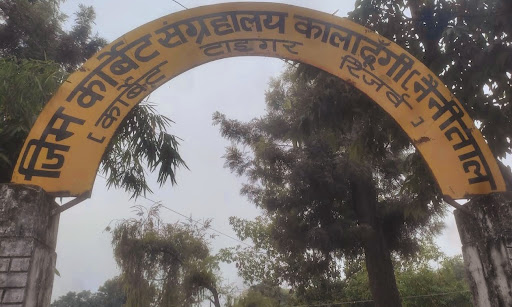
Jim Corbett Museum — Attraction in Uttarakhand

Name
Jim Corbett Museum
Description
Nearby attractions
Nearby restaurants
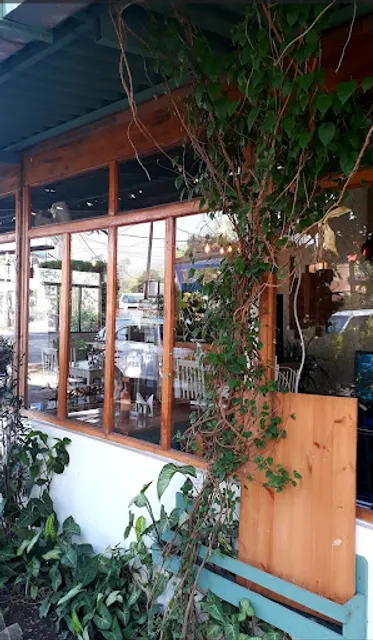
APRIQOT RHYTHM Cafe.Cake Shop.Homestay
Nainital Road, Near Corbett Museum, Nainital Road Kaladhungi, Chhoti Haldwani, Uttarakhand 263140, India
Nearby hotels
Arconia Farms by Tierra Stay
Nainital Rd, opposite Corbett Museum, Kaladhungi, Chhoti Haldwani, Uttarakhand 263140, India
Wave Bar Family Restaurant and Hotel
Nainital Rd, near Jim Corbett Museum, Kaladhungi, Barhani Range, Uttarakhand 263140, India
Corbett Farmyard Safari Lodge
Ward No 1, Dak Banglow, Corbett, Kaladhungi, Chhoti Haldwani, Uttarakhand 263140, India
The Aaram Homestay
Chhoti haldwani, Kaladungi Bandobasti, Kaladhungi, Uttarakhand 263140, India
Fishing Owl Homestay
Fishing owl homestay, road, near Irrigation Canal, Kaladhungi, Chhoti Haldwani, Uttarakhand 263140, India
Woodpecker Home Stay
78VM+56G, Chhoti Haldwani, Fatehpur Range, Uttarakhand 263140, India
The TreePie Corbett
Corbett Village, Kaladhungi, Chhoti Haldwani, Barhani Range, Uttarakhand 263140, India
The green Magpie Corbett Homestay
78PJ+6X2, Chhoti Haldwani, Barhani Range, Uttarakhand 263140, India
Related posts
Keywords
Jim Corbett Museum tourism.Jim Corbett Museum hotels.Jim Corbett Museum bed and breakfast. flights to Jim Corbett Museum.Jim Corbett Museum attractions.Jim Corbett Museum restaurants.Jim Corbett Museum travel.Jim Corbett Museum travel guide.Jim Corbett Museum travel blog.Jim Corbett Museum pictures.Jim Corbett Museum photos.Jim Corbett Museum travel tips.Jim Corbett Museum maps.Jim Corbett Museum things to do.
Jim Corbett Museum things to do, attractions, restaurants, events info and trip planning
Jim Corbett Museum
IndiaUttarakhandJim Corbett Museum

Basic Info

Jim Corbett Museum

Kaladhungi, Chhoti Haldwani, Uttarakhand 263140, India
4.1(1.9K)
Closed
Save
spot

Ratings & Description

Info

Cultural
Family friendly
attractions: , restaurants: APRIQOT RHYTHM Cafe.Cake Shop.Homestay
logoLearn more insights from Wanderboat AI.
Phone
+91 5942 242 723
Website
corbettvillage.in
Open hoursSee all hours
Sun9 AM - 6 PMClosed

Plan your stay

hotel
Pet-friendly Hotels in Uttarakhand
Find a cozy hotel nearby and make it a full experience.
hotel
Affordable Hotels in Uttarakhand
Find a cozy hotel nearby and make it a full experience.
hotel
The Coolest Hotels You Haven't Heard Of (Yet)
Find a cozy hotel nearby and make it a full experience.
hotel
Trending Stays Worth the Hype in Uttarakhand
Find a cozy hotel nearby and make it a full experience.

Reviews

Things to do nearby

Bird Watching, Looking out for Himalayan Birds
Mon, Dec 8 • 6:15 AM
Sattal, Uttarakhand, 263136, India
View details
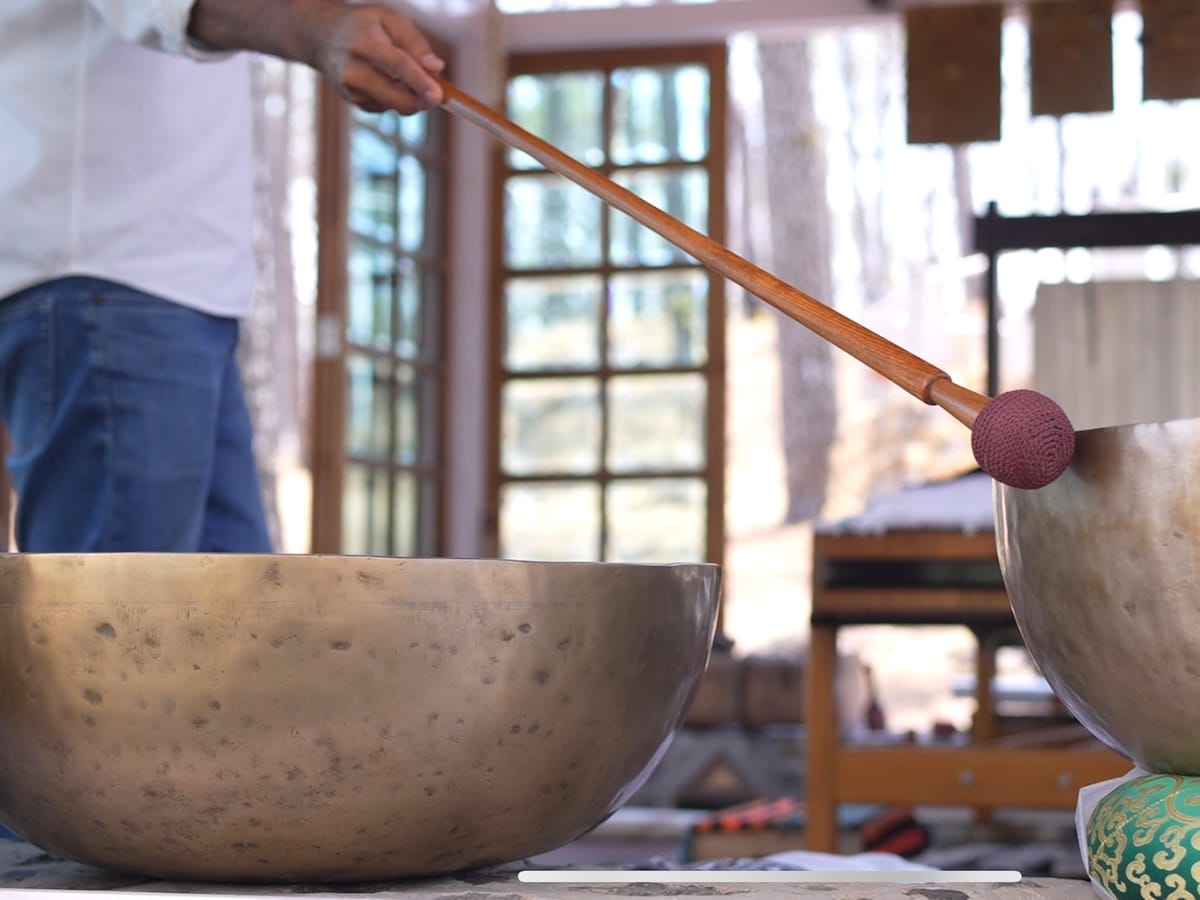
Himalayan Sonorium - A Sound bath & Sharing circle
Tue, Dec 9 • 10:00 AM
Nainital, Uttarakhand, 263157, India
View details

Nearby restaurants of Jim Corbett Museum

APRIQOT RHYTHM Cafe.Cake Shop.Homestay

APRIQOT RHYTHM Cafe.Cake Shop.Homestay

APRIQOT RHYTHM Cafe.Cake Shop.Homestay

4.3

(62)

Click for details
Get the Appoverlay
Get the AppOne tap to find yournext favorite spots!
Wanderboat LogoWanderboat

Your everyday Al companion for getaway ideas

CompanyAbout Us
InformationAI Trip PlannerSitemap
SocialXInstagramTiktokLinkedin
LegalTerms of ServicePrivacy Policy

Get the app

© 2025 Wanderboat. All rights reserved.
logo

Reviews of Jim Corbett Museum

4.1
(1,864)
avatar
5.0
25w

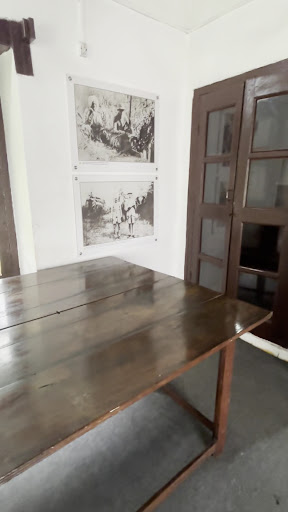
We came to Jim Corbett Museum as part of a trip. We visited Corbett National Park the same morning, and the smells and magic of the jungle were all still fresh. Visiting this museum, let it be known, is completely unlike anything you have ever seen. Yes, it was the residence of the man to whom it is dedicated, but one must remember that Jim Corbett himself was a very, very fascinating man. If you read up on his life, his many chapters, from being employed in the railway to championing the cause of forest conservation. Nevertheless, and I know some will disagree with me, it is extremely uncomfortable to see the many images of Corbett standing proudly next to a majestic beast he has killed, often with an Indian by his side, who could be a friend, aide or servant. Notwithstanding the documented fact that he killed maneaters who had terrorised the villages, one must remember that he was also the one who organized tiger hunts for his British friends, in particular Lord Lilthinglow So, in a way, Corbett, while justly credited with being a major part of the nascent conservation movement, was also responsible for eliminating many innocent and majestic tigers from the area. In fact, one of the tigers he shot, a female, had become a man eater because her teeth were knocked out, and she was unable to hint for prey. Also, Corbett did not hunt her alone, as is the glamorous version, but apparently with more than 250 villagers, all hounding the tiger into a state of fear, probably, before he shot the beast. This contradiction is often missed out by many, who consider him a hero only. Today, of course, with the success of Project Tiger, that completed 50 years in 2024, we view all these things very differently but then, it was a losing battle for these majestic Royal Bengal tigers. About the museum itself: The museum is a repository of history, local politics, human animal conflict, also showcasing important letters penned by Corbett and addressed to local authorities and containing the subject matter related to forest conservation, over cultivation, also in one letter he requests the recipient to look into the matters of his house. What is striking is the personal belongings of this enigmatic personality, his sola hat, his cane, furniture from that time and era, and what I also loved were some paintings and other articles. Really, for someone like me who is deeply interested in visiting museums dedicated to living personalities, this was an absolute must visit. I also like something else. The authorities have kept this bungalow in mint condition. The articles could be better preserved, but still, the plates and the descriptive tablets are very well crafted and arranged, providing the visitor a really 'immersive' experience without any digital equipment.. just some lovely traditional watching every display carefully. I also love the simple manner in which the premises have been retained. The quaint look, the simplicity is all still there. The bust of Jim Corbett at the entrance is striking, and one really wonders, what and how did this young man want of into the jungle, learn the ways of the animals? I got to know that the skills Corbett knew, of traking animals, imitating bird calls, understanding how to live off the jungle were all precious assets for the British army when he enlisted. What one must remember is also that before Corbett became a conservationist, he did kill small animals, shoot boots, and stuff them for his own 'trophies', something I personally find to be abhorrent. There are many lithium trees in the premises. There is also a map of the region that is interesting to study. One also wonders, after all the respect, adulation that Corbett received from locals, and though he had lived in the area since his birth, what could have persuaded or convinced Corbett and his sister Maggie to move to Kenya? Did he fear that a newly independent India, no longer ruled by the British, would not be very ideal for him? That's...

   Read more

avatar
5.0
16w

The Jim Corbett Museum, located in Kaladhungi near Nainital in Uttarakhand, is a significant heritage site dedicated to the life and legacy of Sir Edward James Corbett, popularly known as Jim Corbett. Renowned for his role as a hunter, author, and pioneering conservationist, Corbett’s influence on wildlife preservation in India is profound, making the museum a must-visit for wildlife enthusiasts, historians, and nature lovers.

Jim Corbett was born in 1875 and grew up in the Kumaon region amidst its dense forests and abundant wildlife. Initially known as a skilled hunter who managed to protect local communities by eliminating man-eating tigers and leopards, his perspective evolved over time. He became a passionate advocate for conservation and played a key role in the establishment of India’s first national park, now known as Jim Corbett National Park, named in his honor. The museum is housed in the colonial bungalow that served as Corbett’s winter residence, offering visitors an intimate glimpse into his life and work.

The museum is set amidst serene and lush green surroundings in the quaint village of Kaladhungi. It showcases an extensive collection of personal belongings, photographs, writings, and memorabilia related to Jim Corbett’s life. Visitors can see his hunting attire, letters, manuscripts, and beautifully detailed paintings and sketches. The museum also presents stories from his famous hunts and conservation efforts, effectively portraying the transformation of Jim Corbett from a hunter to a wildlife protector.

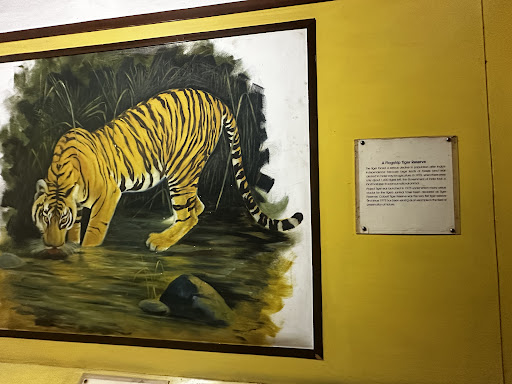
One of the highlights of the museum is its display of the history of the Corbett Tiger Reserve, emphasizing the importance of wildlife preservation and the biodiversity of the region. Exhibits help visitors understand the challenges faced by wildlife and forests during Corbett’s time and the ongoing efforts to safeguard India’s natural heritage. This educational aspect makes the museum a vital resource for researchers, students, and conservationists.

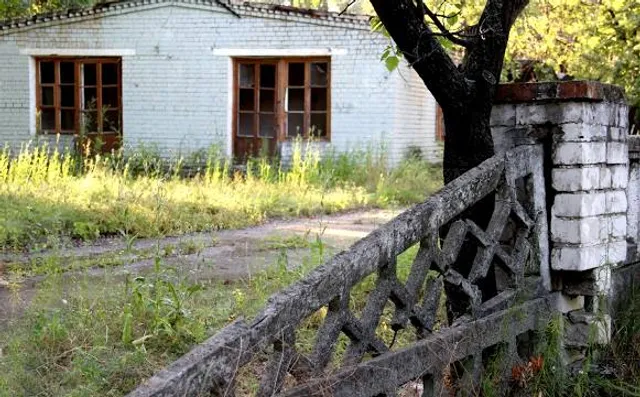
Beyond the exhibits, the museum compound includes well-maintained gardens and large trees that create a tranquil ambiance. The setting allows for a relaxed stroll through history, combining natural beauty with cultural heritage. Visitors often appreciate the quiet, reflective atmosphere that complements the museum’s themes.

The Jim Corbett Museum is open daily, typically from 9:00 AM to 6:00 PM, except on Mondays and certain national holidays. Entry fees are modest, and there are special concessions for children. The museum is easily accessible from nearby towns like Nainital and Ramnagar, with various transport options available.

In addition to the indoor exhibits, the museum’s grounds and the surrounding village offer a glimpse into the local Kumaoni culture and landscape that inspired much of Corbett’s work. The museum shop is a treasure trove for wildlife enthusiasts and tourists, offering souvenirs ranging from books and handicrafts to memorabilia celebrating Corbett’s conservation legacy. Jim Corbett Museum is more than just a collection of artifacts; it is a tribute to one of India’s foremost conservation pioneers. The museum combines history, nature, and education, offering visitors a compelling narrative about the interplay between humans and wildlife. It stands as a cultural landmark celebrating the life of a man who changed the way India valued its natural...

   Read more
avatar
5.0
45w

Jim Corbett Museum

The Jim Corbett Museum is a popular tourist attraction located in Kaladhungi, about 30 kilometers from Nainital. It is dedicated to the legendary hunter, conservationist, and author Jim Corbett, who played a crucial role in the establishment of India’s first national park, now named Jim Corbett National Park in his honor.

Key Features of the Jim Corbett Museum: Historical Significance: • The museum is housed in Jim Corbett’s former bungalow, which has been converted into a heritage site. • It showcases his life, his work in wildlife conservation, and his efforts to protect tigers and other wildlife in India. Exhibits: • The museum displays a variety of artifacts, including: • Personal belongings of Jim Corbett, such as his hunting weapons, letters, and photographs. • Books authored by him, such as Man-Eaters of Kumaon and The Man-Eating Leopard of Rudraprayag. • Paintings and sketches depicting his encounters with wildlife. • Information about the flora and fauna of the region and the history of the Corbett National Park. Architecture and Surroundings: • The bungalow reflects colonial-style architecture and is surrounded by lush greenery, enhancing its charm. • The serene environment provides a glimpse into the natural beauty that inspired Corbett’s work. Educational Importance: • The museum offers valuable insights into wildlife conservation and the importance of preserving India’s biodiversity. • Visitors can learn about Corbett’s pivotal role in promoting sustainable coexistence between humans and wildlife. Visiting Information: • Timings: Open daily from 9:00 AM to 5:00 PM, except on national holidays. • Entry Fee: A nominal fee is charged for entry. • Best Time to Visit: October to March is ideal for visiting, as the weather is pleasant during this period. How to Reach: • The museum is located in Kaladhungi, en route to Jim Corbett National Park from Nainital. • It is easily accessible by road, and taxis or private vehicles can be hired for the journey. Nearby Attractions: • The Corbett Falls, a beautiful waterfall located near Kaladhungi, is another attraction worth visiting while exploring the area.

Tips for Visitors: • Allocate about 1-2 hours to explore the museum and its surroundings.

The Jim Corbett Museum is not just a tribute to an iconic figure but also an educational and inspirational destination for those interested in wildlife, history, and...

   Read more
Page 1 of 7
Previous
Next

Posts

Nagesh JatharNagesh Jathar
Jim Corbett Museum The Jim Corbett Museum is a popular tourist attraction located in Kaladhungi, about 30 kilometers from Nainital. It is dedicated to the legendary hunter, conservationist, and author Jim Corbett, who played a crucial role in the establishment of India’s first national park, now named Jim Corbett National Park in his honor. Key Features of the Jim Corbett Museum: 1. Historical Significance: • The museum is housed in Jim Corbett’s former bungalow, which has been converted into a heritage site. • It showcases his life, his work in wildlife conservation, and his efforts to protect tigers and other wildlife in India. 2. Exhibits: • The museum displays a variety of artifacts, including: • Personal belongings of Jim Corbett, such as his hunting weapons, letters, and photographs. • Books authored by him, such as Man-Eaters of Kumaon and The Man-Eating Leopard of Rudraprayag. • Paintings and sketches depicting his encounters with wildlife. • Information about the flora and fauna of the region and the history of the Corbett National Park. 3. Architecture and Surroundings: • The bungalow reflects colonial-style architecture and is surrounded by lush greenery, enhancing its charm. • The serene environment provides a glimpse into the natural beauty that inspired Corbett’s work. 4. Educational Importance: • The museum offers valuable insights into wildlife conservation and the importance of preserving India’s biodiversity. • Visitors can learn about Corbett’s pivotal role in promoting sustainable coexistence between humans and wildlife. 5. Visiting Information: • Timings: Open daily from 9:00 AM to 5:00 PM, except on national holidays. • Entry Fee: A nominal fee is charged for entry. • Best Time to Visit: October to March is ideal for visiting, as the weather is pleasant during this period. 6. How to Reach: • The museum is located in Kaladhungi, en route to Jim Corbett National Park from Nainital. • It is easily accessible by road, and taxis or private vehicles can be hired for the journey. 7. Nearby Attractions: • The Corbett Falls, a beautiful waterfall located near Kaladhungi, is another attraction worth visiting while exploring the area. Tips for Visitors: • Allocate about 1-2 hours to explore the museum and its surroundings. The Jim Corbett Museum is not just a tribute to an iconic figure but also an educational and inspirational destination for those interested in wildlife, history, and conservation.
100 Dimensions100 Dimensions
The Jim Corbett Museum, located in Chhoti Haldwani, Kaladhungi, is a must-visit destination for nature enthusiasts, history buffs, and admirers of the legendary hunter-turned-conservationist, Jim Corbett. Nestled in the scenic foothills of the Kumaon range, this museum is not just a repository of Corbett's personal belongings but a tribute to his life’s work and philosophy. Historical Significance The museum is housed in Jim Corbett's winter home, where he lived and worked on his writings. It preserves a wide range of artifacts, including Corbett's letters, photographs, personal furniture, and hunting equipment. Visitors can get a glimpse into the life of the man who dedicated himself to protecting India’s wildlife, especially tigers. Architecture and Setting The colonial-style house is simple yet elegant, reflecting Corbett's personality. The surrounding area, known as Chhoti Haldwani, was a model village developed by Corbett himself. He provided the locals with tools and training to farm and co-exist harmoniously with nature. Knowledge and Insights The museum does a brilliant job of educating visitors about Corbett's transformation from a hunter to a conservationist. It sheds light on his efforts to mitigate human-animal conflicts and his advocacy for protecting forests. The exhibits highlight his role in the establishment of India’s first national park, now named the Jim Corbett National Park in his honor. Visitor Experience Entry Fee: The museum charges a nominal entry fee, making it accessible to everyone. Timings: It is open from 9:00 AM to 5:00 PM, except on public holidays. Nearby Attractions: The museum is surrounded by lush greenery, and you can also explore the nearby Corbett Falls or enjoy birdwatching in the tranquil environment. Conclusion A visit to the Jim Corbett Museum is more than a trip down memory lane; it’s an inspiring journey into the life of a pioneer who made a lasting impact on wildlife conservation. It serves as a reminder of the delicate balance between humans and nature and the importance of preserving it for future generations. This destination is highly recommended for those who wish to delve deeper into India's natural and cultural heritage.
Monika KargetiMonika Kargeti
The Jim Corbett Museum, located in Kaladhungi, Uttarakhand, is a must-visit destination for wildlife enthusiasts, history buffs, and anyone interested in the life and legacy of Jim Corbett. This museum showcases the remarkable life and achievements of the renowned hunter-turned-conservationist, Jim Corbett. Exhibits and Displays: 1. Personal Belongings: Corbett's hunting gear, clothing, and personal items. 2. Photographs: Rare and vintage photographs of Corbett, his hunts, and the Himalayas. 3. Manuscripts: Original manuscripts of Corbett's books, including "The Man-Eaters of Kumaon". 4. Historical Artifacts: Documents, letters, and artifacts from the British Raj era. Highlights: 1. Insight into Corbett's life: The museum provides a comprehensive look at Corbett's early life, hunting days, and conservation efforts. 2. Rare photographs: The museum boasts an impressive collection of vintage photographs. 3. Well-maintained: The museum is clean, well-organized, and well-maintained. Tips and Recommendations: 1. Plan a morning visit: Avoid afternoon heat and crowds. 2. Hire a guide: Gain deeper insights into Corbett's life and the exhibits. 3. Combine with Corbett National Park visit: Explore the park's wildlife and scenic beauty. 4. Photography allowed: Capture memories, but respect exhibit restrictions. Visitor Information: 1. Timings: 9:00 AM - 5:00 PM (April-October), 9:00 AM - 4:00 PM (November-March) 2. Entry Fee: ₹100 (Indian citizens) 3. Duration: 1-2 hours 4. Accessibility: Wheelchair accessible Conclusion: The Jim Corbett Museum is a fascinating tribute to a remarkable individual. It offers a unique glimpse into Corbett's life, conservation efforts, and the Himalayan region's history. While small, the museum is well-curated and informative, making it a must-visit destination for anyone interested in wildlife conservation and history.
See more posts
See more posts
hotel
Find your stay

Pet-friendly Hotels in Uttarakhand

Find a cozy hotel nearby and make it a full experience.

Jim Corbett Museum The Jim Corbett Museum is a popular tourist attraction located in Kaladhungi, about 30 kilometers from Nainital. It is dedicated to the legendary hunter, conservationist, and author Jim Corbett, who played a crucial role in the establishment of India’s first national park, now named Jim Corbett National Park in his honor. Key Features of the Jim Corbett Museum: 1. Historical Significance: • The museum is housed in Jim Corbett’s former bungalow, which has been converted into a heritage site. • It showcases his life, his work in wildlife conservation, and his efforts to protect tigers and other wildlife in India. 2. Exhibits: • The museum displays a variety of artifacts, including: • Personal belongings of Jim Corbett, such as his hunting weapons, letters, and photographs. • Books authored by him, such as Man-Eaters of Kumaon and The Man-Eating Leopard of Rudraprayag. • Paintings and sketches depicting his encounters with wildlife. • Information about the flora and fauna of the region and the history of the Corbett National Park. 3. Architecture and Surroundings: • The bungalow reflects colonial-style architecture and is surrounded by lush greenery, enhancing its charm. • The serene environment provides a glimpse into the natural beauty that inspired Corbett’s work. 4. Educational Importance: • The museum offers valuable insights into wildlife conservation and the importance of preserving India’s biodiversity. • Visitors can learn about Corbett’s pivotal role in promoting sustainable coexistence between humans and wildlife. 5. Visiting Information: • Timings: Open daily from 9:00 AM to 5:00 PM, except on national holidays. • Entry Fee: A nominal fee is charged for entry. • Best Time to Visit: October to March is ideal for visiting, as the weather is pleasant during this period. 6. How to Reach: • The museum is located in Kaladhungi, en route to Jim Corbett National Park from Nainital. • It is easily accessible by road, and taxis or private vehicles can be hired for the journey. 7. Nearby Attractions: • The Corbett Falls, a beautiful waterfall located near Kaladhungi, is another attraction worth visiting while exploring the area. Tips for Visitors: • Allocate about 1-2 hours to explore the museum and its surroundings. The Jim Corbett Museum is not just a tribute to an iconic figure but also an educational and inspirational destination for those interested in wildlife, history, and conservation.
Nagesh Jathar

Nagesh Jathar

hotel
Find your stay

Affordable Hotels in Uttarakhand

Find a cozy hotel nearby and make it a full experience.

Get the Appoverlay
Get the AppOne tap to find yournext favorite spots!
The Jim Corbett Museum, located in Chhoti Haldwani, Kaladhungi, is a must-visit destination for nature enthusiasts, history buffs, and admirers of the legendary hunter-turned-conservationist, Jim Corbett. Nestled in the scenic foothills of the Kumaon range, this museum is not just a repository of Corbett's personal belongings but a tribute to his life’s work and philosophy. Historical Significance The museum is housed in Jim Corbett's winter home, where he lived and worked on his writings. It preserves a wide range of artifacts, including Corbett's letters, photographs, personal furniture, and hunting equipment. Visitors can get a glimpse into the life of the man who dedicated himself to protecting India’s wildlife, especially tigers. Architecture and Setting The colonial-style house is simple yet elegant, reflecting Corbett's personality. The surrounding area, known as Chhoti Haldwani, was a model village developed by Corbett himself. He provided the locals with tools and training to farm and co-exist harmoniously with nature. Knowledge and Insights The museum does a brilliant job of educating visitors about Corbett's transformation from a hunter to a conservationist. It sheds light on his efforts to mitigate human-animal conflicts and his advocacy for protecting forests. The exhibits highlight his role in the establishment of India’s first national park, now named the Jim Corbett National Park in his honor. Visitor Experience Entry Fee: The museum charges a nominal entry fee, making it accessible to everyone. Timings: It is open from 9:00 AM to 5:00 PM, except on public holidays. Nearby Attractions: The museum is surrounded by lush greenery, and you can also explore the nearby Corbett Falls or enjoy birdwatching in the tranquil environment. Conclusion A visit to the Jim Corbett Museum is more than a trip down memory lane; it’s an inspiring journey into the life of a pioneer who made a lasting impact on wildlife conservation. It serves as a reminder of the delicate balance between humans and nature and the importance of preserving it for future generations. This destination is highly recommended for those who wish to delve deeper into India's natural and cultural heritage.
100 Dimensions

100 Dimensions

hotel
Find your stay

The Coolest Hotels You Haven't Heard Of (Yet)

Find a cozy hotel nearby and make it a full experience.

hotel
Find your stay

Trending Stays Worth the Hype in Uttarakhand

Find a cozy hotel nearby and make it a full experience.

The Jim Corbett Museum, located in Kaladhungi, Uttarakhand, is a must-visit destination for wildlife enthusiasts, history buffs, and anyone interested in the life and legacy of Jim Corbett. This museum showcases the remarkable life and achievements of the renowned hunter-turned-conservationist, Jim Corbett. Exhibits and Displays: 1. Personal Belongings: Corbett's hunting gear, clothing, and personal items. 2. Photographs: Rare and vintage photographs of Corbett, his hunts, and the Himalayas. 3. Manuscripts: Original manuscripts of Corbett's books, including "The Man-Eaters of Kumaon". 4. Historical Artifacts: Documents, letters, and artifacts from the British Raj era. Highlights: 1. Insight into Corbett's life: The museum provides a comprehensive look at Corbett's early life, hunting days, and conservation efforts. 2. Rare photographs: The museum boasts an impressive collection of vintage photographs. 3. Well-maintained: The museum is clean, well-organized, and well-maintained. Tips and Recommendations: 1. Plan a morning visit: Avoid afternoon heat and crowds. 2. Hire a guide: Gain deeper insights into Corbett's life and the exhibits. 3. Combine with Corbett National Park visit: Explore the park's wildlife and scenic beauty. 4. Photography allowed: Capture memories, but respect exhibit restrictions. Visitor Information: 1. Timings: 9:00 AM - 5:00 PM (April-October), 9:00 AM - 4:00 PM (November-March) 2. Entry Fee: ₹100 (Indian citizens) 3. Duration: 1-2 hours 4. Accessibility: Wheelchair accessible Conclusion: The Jim Corbett Museum is a fascinating tribute to a remarkable individual. It offers a unique glimpse into Corbett's life, conservation efforts, and the Himalayan region's history. While small, the museum is well-curated and informative, making it a must-visit destination for anyone interested in wildlife conservation and history.
Monika Kargeti

Monika Kargeti

See more posts
See more posts