I recently visited Abanindranath Tagore's Garden House in Konnagar, and it was a truly enriching experience. The house, a beautiful example of 19th-century Bengali architecture, is nestled in a serene garden setting overlooking the Hooghly River. As a history buff and art enthusiast, I was thrilled to explore this heritage site, which was once the beloved home of the renowned artist Abanindranath Tagore.
The garden house is located at Rammohan Place, Konnagar, West Bengal 712235, and it's easily accessible by road or train. The nearest railway station is Konnagar Railway Station, which is about a 10-minute walk away. If you're driving, there's a main road nearby where you can park your vehicle and walk about 30 meters to the entrance.
The entry fee is nominal, and the house is open from 10 am to 5 pm. I would recommend visiting during the winter or spring months when the weather is pleasant.
As you enter the gate, you'll notice a small structure that houses a library, office, and storage room. The real charm lies in the beautifully maintained garden, with lush greenery, trees, and a picturesque lotus pond that was once a swimming pool. You'll also find a bust of Abanindranath Tagore and a Mazhar near the pond.
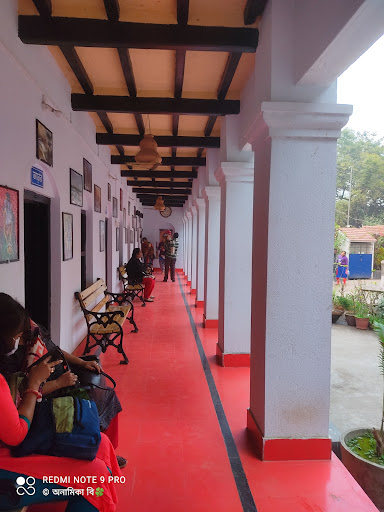
The main house is a treasure trove of art and history, with paintings by students from Rabindra Bharati University adorning the walls. The interiors are well-decorated in the old style, giving you a glimpse into the life and times of the Tagore family.
One of the highlights of the visit is the stunning view of the Hooghly River from the property. You can take a leisurely walk around the garden, soak in the peaceful atmosphere, and enjoy the scenic views.
I would highly recommend this place to anyone interested in history, art, or architecture. The garden house is a serene oasis in the midst of the bustling city, and it's a great place to spend a few hours with...
Ā Ā Ā Read moreAbanindranath Tagore's Garden House is a true masterpiece of architecture and natural harmony. Nestled amidst the lush greenery of the Tagore family's estate in Kolkata, this enchanting abode is a testament to the artistic genius of the Tagore family.
As one approaches the Garden House, one cannot help but be captivated by the tranquil beauty of its surroundings. The carefully manicured gardens, adorned with a riot of colorful flowers and ancient trees, create an idyllic oasis that transports visitors to a bygone era of elegance and serenity.
Stepping inside, the Garden House reveals itself as a treasure trove of art and culture. Its interiors are adorned with Abanindranath Tagore's own exquisite paintings, each one a work of art that speaks to the soul. The blend of traditional Indian aesthetics with a touch of the avant-garde is a reflection of Abanindranath's unique artistic vision.
The architecture of the Garden House is a harmonious fusion of colonial and Indian styles, a reflection of the rich cultural tapestry that defined the Tagore family's heritage. It is a place where history and creativity intertwine seamlessly, leaving visitors with a profound sense of awe and inspiration.
The Garden House is not just a physical structure; it is a living testament to Abanindranath Tagore's enduring legacy as an artist, thinker, and cultural icon. It is a place where the past and the present converge, inviting all who visit to explore the depths of artistic expression and cultural richness.
In conclusion, Abanindranath Tagore's Garden House is a true gem, a place of indescribable beauty and cultural significance. It stands as a tribute to the artistic brilliance of Abanindranath Tagore and the enduring spirit of the Tagore family. Visiting this enchanting haven is an experience that will leave you enriched, inspired, and...
Ā Ā Ā Read moreI had the opportunity to visit the ancestral house of Abanindranath Tagore in Konnagar, and the experience was nothing short of moving. Tucked away in this quiet town along the Hooghly River, the house stands as a hidden gemārich with history, heritage, and the spirit of Bengalās cultural awakening.
Though time has weathered the walls, thereās a quiet dignity that still clings to the structure. This is where Abanindranath Tagore, the father of the Bengal School of Art, once spent part of his early lifeāshaped by the serene surroundings and the subtle rhythms of traditional Bengali life. The home is not just a place; it's a vessel that carries memories of a time when art, literature, and philosophy were deeply interwoven into everyday living.
The moment I stepped inside the premises, I could feel a strange stillnessāalmost like the house was waiting to speak. There was something deeply reflective about the place. It doesn't boast grandeur, but it offers a kind of silent poetry. The open courtyards, old wooden beams, and the faint scent of earth and time remind you that this was a space where thought once flourished quietly.
Being so close to the Hooghly River, the surroundings of the house are soothingāan ideal environment for an artist or thinker to connect with the natural world and their inner voice. I couldnāt help but imagine Abanindranath as a young man, perhaps sketching under a tree or finding inspiration in the simple details of...
Ā Ā Ā Read more