HTML SitemapExplore

Baro Mandir Ghat Panihati — Attraction in West Bengal

Name
Baro Mandir Ghat Panihati
Description
Nearby attractions
ISKCON Temple, Sri Sri Gaur Nitai Mandir
37, Gauranga Ghat, Road, Panihati, Kolkata, Khardaha, West Bengal 700114, India
Abanindranath Tagore's Garden House
Rammohan Place, Konnagar, West Bengal 712235, India
Konnagar Baro Mandir Ghat
P945+Q75, Grand Trunk Rd, Konnagar Prantika, Konnagar, Khardaha, West Bengal 712235, India
Nearby restaurants
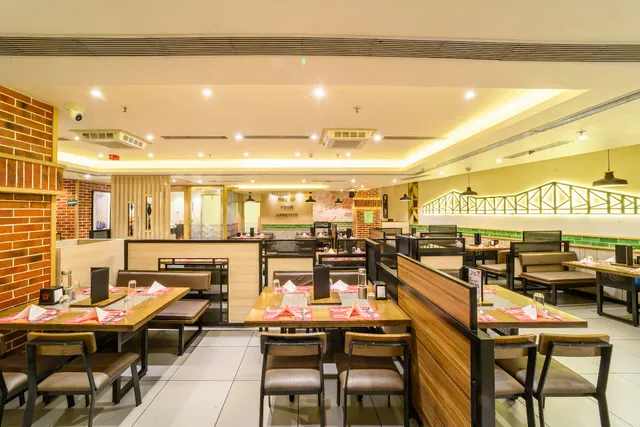
Barbeque Nation Sodepur
Peerless Nagar, Ramkrishna Pally, Panihati, Khardaha, West Bengal 700114, India
Chaknawala
Ward No. 3, 53, Barrackpore Trunk Rd, Auddy Bagan, Sodepur, Panihati, Khardaha, West Bengal 700114, India
Chai Break - Sodepur
1/A, Peerless Nagar Ward No. 03, P.S Khardah Panihati Municipality, Sodepur, Kolkata, West Bengal 700114, India
The Irish Brewery
Sukchar market, P.O, Barrackpore Trunk Rd, Sukchar, Sodepur, Khardaha, West Bengal 700115, India
Dawat Multicuisine restaurant
17,Bhabani Sen Sarani, Konnagar, Bata Ferry Ghat Hooghly- 712235, Konnagar, West Bengal 712235, India
THE KEBAB JUNCTION
Harish Chandra Dutta Rd, Sodepur, Panihati, Khardaha, West Bengal 700114, India
Wow! Momo
No 1a, Ward, Cluster_barrackpore II 59 Block-E3, near Police Station, Peerless Nagar, Ramkrishna Pally, Panihati, Khardaha, Kolkata, West Bengal 700114, India
Just Baked Sodepur
21, WARD, 3, Barrackpore Trunk Rd, Ramkrishna Pally, Panihati, Kolkata, West Bengal 700114, India
Nearby local services
Nearby hotels
Related posts
Keywords
Baro Mandir Ghat Panihati tourism.Baro Mandir Ghat Panihati hotels.Baro Mandir Ghat Panihati bed and breakfast. flights to Baro Mandir Ghat Panihati.Baro Mandir Ghat Panihati attractions.Baro Mandir Ghat Panihati restaurants.Baro Mandir Ghat Panihati local services.Baro Mandir Ghat Panihati travel.Baro Mandir Ghat Panihati travel guide.Baro Mandir Ghat Panihati travel blog.Baro Mandir Ghat Panihati pictures.Baro Mandir Ghat Panihati photos.Baro Mandir Ghat Panihati travel tips.Baro Mandir Ghat Panihati maps.Baro Mandir Ghat Panihati things to do.
Baro Mandir Ghat Panihati things to do, attractions, restaurants, events info and trip planning
Baro Mandir Ghat Panihati
IndiaWest BengalBaro Mandir Ghat Panihati

Basic Info

Baro Mandir Ghat Panihati

12, Harish Chandra Dutta Rd, Ramkrishna Pally, Sodepur, Panihati, Khardaha, West Bengal 700114, India
4.5(1.6K)
Closed
Save
spot

Ratings & Description

Info

Cultural
Family friendly
attractions: ISKCON Temple, Sri Sri Gaur Nitai Mandir, Abanindranath Tagore's Garden House, Konnagar Baro Mandir Ghat, restaurants: Barbeque Nation Sodepur, Chaknawala, Chai Break - Sodepur, The Irish Brewery, Dawat Multicuisine restaurant, THE KEBAB JUNCTION, Wow! Momo, Just Baked Sodepur, local businesses:
logoLearn more insights from Wanderboat AI.
Phone
+91 98309 28593
Website
facebook.com
Open hoursSee all hours
Mon5 AM - 7 PMClosed

Plan your stay

hotel
Pet-friendly Hotels in West Bengal
Find a cozy hotel nearby and make it a full experience.
hotel
Affordable Hotels in West Bengal
Find a cozy hotel nearby and make it a full experience.
hotel
The Coolest Hotels You Haven't Heard Of (Yet)
Find a cozy hotel nearby and make it a full experience.
hotel
Trending Stays Worth the Hype in West Bengal
Find a cozy hotel nearby and make it a full experience.

Reviews

Live events

Watch Calcutta wake up- Magic Hour Tour
Tue, Jan 20 â€ĸ 5:30 AM
Kolkata, West Bengal, 700072, India
View details
Bengali Nights Food Tour with 15-plus tastings
Tue, Jan 20 â€ĸ 5:00 PM
Kolkata, West Bengal, 700013, India
View details
Cycle the Kolkata wetlands
Tue, Jan 20 â€ĸ 6:30 AM
Kolkata, West Bengal, 700054, India
View details

Nearby attractions of Baro Mandir Ghat Panihati

ISKCON Temple, Sri Sri Gaur Nitai Mandir

Abanindranath Tagore's Garden House

Konnagar Baro Mandir Ghat

ISKCON Temple, Sri Sri Gaur Nitai Mandir

ISKCON Temple, Sri Sri Gaur Nitai Mandir

4.7

(494)

Open 24 hours
Click for details
Abanindranath Tagore's Garden House

Abanindranath Tagore's Garden House

4.5

(952)

Closed
Click for details
Konnagar Baro Mandir Ghat

Konnagar Baro Mandir Ghat

4.5

(1.4K)

Open until 12:00 AM
Click for details

Nearby restaurants of Baro Mandir Ghat Panihati

Barbeque Nation Sodepur

Chaknawala

Chai Break - Sodepur

The Irish Brewery

Dawat Multicuisine restaurant

THE KEBAB JUNCTION

Wow! Momo

Just Baked Sodepur

Barbeque Nation Sodepur

Barbeque Nation Sodepur

4.3

(511)

$$$

Open until 11:00 PM
Click for details
Chaknawala

Chaknawala

4.5

(648)

Open until 11:00 PM
Click for details
Chai Break - Sodepur

Chai Break - Sodepur

4.8

(334)

Open until 1:00 AM
Click for details
The Irish Brewery

The Irish Brewery

4.0

(322)

Open until 10:30 PM
Click for details
Get the Appoverlay
Get the AppOne tap to find yournext favorite spots!
Wanderboat LogoWanderboat

Your everyday Al companion for getaway ideas

CompanyAbout Us
InformationAI Trip PlannerSitemap
SocialXInstagramTiktokLinkedin
LegalTerms of ServicePrivacy Policy

Get the app

Š 2025 Wanderboat. All rights reserved.

Reviews of Baro Mandir Ghat Panihati

4.5
(1,613)
avatar
4.0
3y

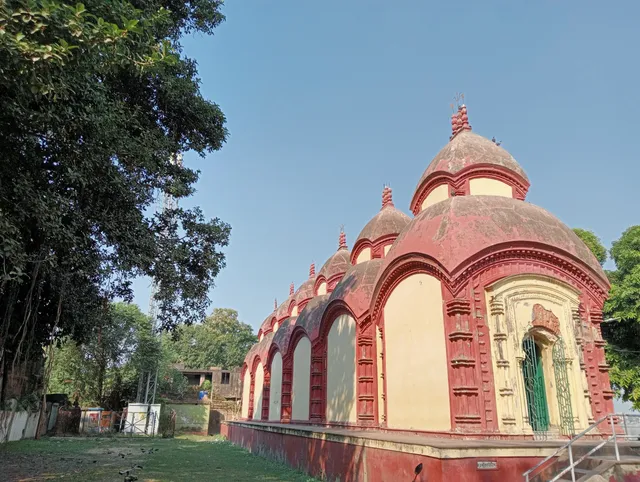
NAME OF THE SITE : Baro Mandir Ghat (Panihati) NOTIFICATION DATE : 28.06.2018 LOCATION : District : NORTH 24 - PARGANAS Sub division : BARRACKPORE Block : PANIHATI MUNICIPALITY Thana : KHARDAH Post Office and Pin : SUKCHAR S.O (NORTH 24 PARGANAS) / 700115 APPROACH : Nearest Railway Station : Sodepur Nearest Bus Stand : Sodepur Road condition :Motorable Local Landmark :The ghat itself DESCRIPTION : The Baro Mandir Ghat is situated at Harish Chandra Dutta Road at Sukchar in Panihati under Barrackpore sub-division of North 24 Parganas district. It was built by Sri Nabin Chandra Dutta about 200 years ago in 1213 Bengali Era. Nabin Chandra Dutta constructed the ghat along with twelve adjacent Shiva temples in memory of his father Harish Chandra Dutta. According to the history associated with the ghat, during the observation of 'Tarpan' rituals by Sri Harish Chandra Dutta in the Ganges at Kolkata, he saw a pregnant woman fell down on the steps of the ghat while carrying a water-filled pitcher and soon after the incident she died there due to miscarriage.

Harish Chandra decided to build a ghat that would be easy to access by any pregnant woman. Thus the ghat was constructed on his direction. Nabin Chandra Dutta also constructed the twelve adjacent Shiva temples near the Harish Chandra Dutta Ghat. The Shiva Lingas (Idols of Lord Shiva) are made of Nilkanthi Kashthi Pathar (Black Basalt Stone). There is a surrounding garden with many beautiful sculptures in traditional architectural artworks. After the survey of the Ganges from Kalna to Gangasagar in 1924, the then Calcutta Port Commissioner stated that - 'No other ghat down Kalna is so broad, so easy of ascent and so beautiful to look. It never turns dry even at the lowest ebb-tide.'

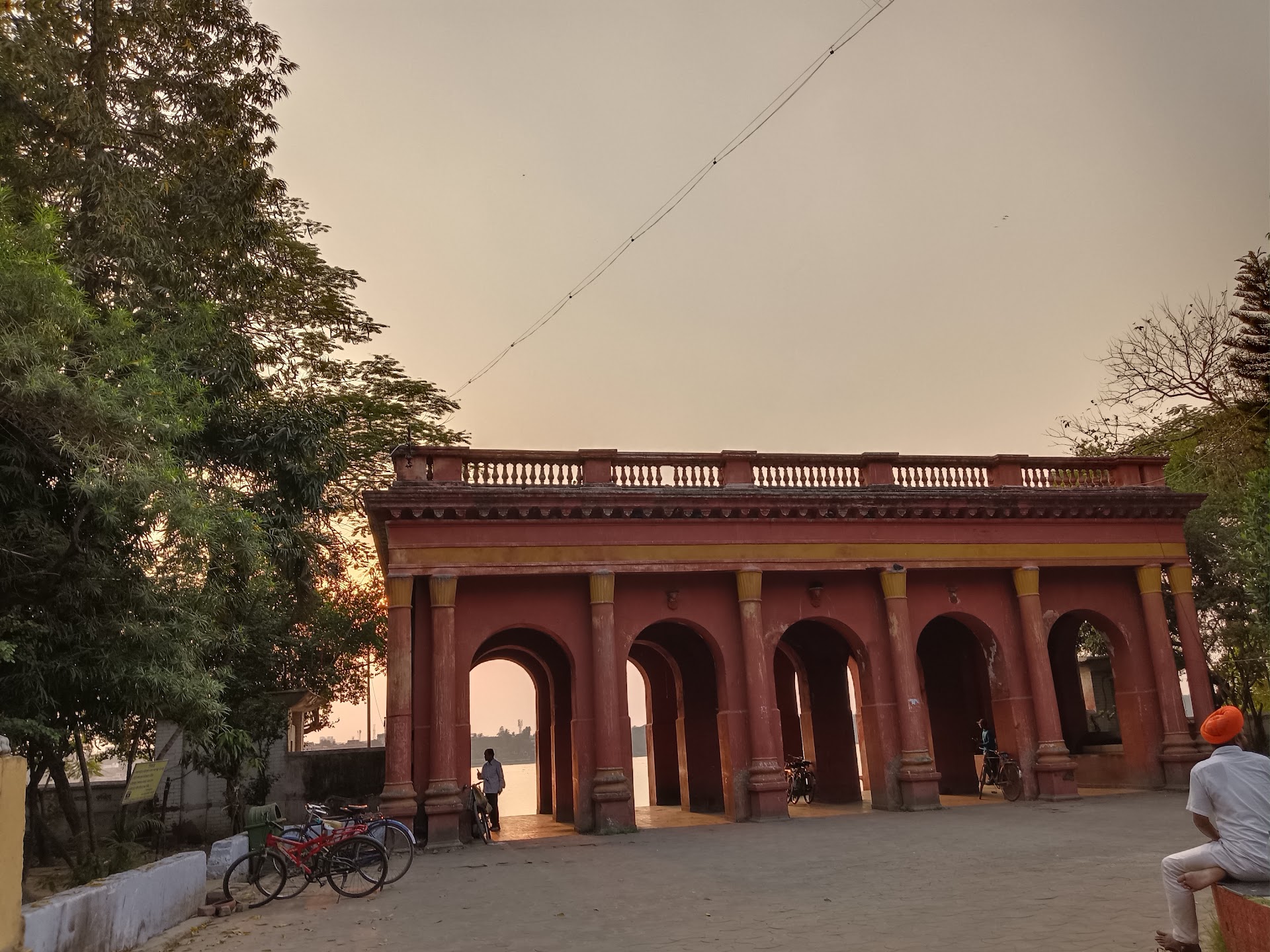
The ghat was constructed using brick, catechu, surki and Chita gur. There are various patterns and motifs designed on the ghat. The steps of the ghat have a height of only 4 inches making the ghat easy of ascent. There is a beautiful portico on the ghat designed by Sir Bradford Leslie. The first Bengali Engineer Nilmani Mitra was the advisor for the construction of the ghat and Sir Bradford Leslie conceptualized the ghat.

In 2018, the West Bengal Heritage Commission declared the...

   Read more
avatar
5.0
6y

The Baro Mandir Ghat is situated at Harish Chandra Dutta Road at Sukchar in Panihati under Barrackpore sub-division of North 24 Parganas district. It was built by Sri Nabin Chandra Dutta about 200 years ago in 1213 Bengali Era. Nabin Chandra Dutta constructed the ghat along with twelve adjacent Shiva temples in memory of his father Harish Chandra Dutta. According to the history associated with the ghat, during the observation of 'Tarpan' rituals by Sri Harish Chandra Dutta in the Ganges at Kolkata, he saw a pregnant woman fell down on the steps of the ghat while carrying a water-filled pitcher and soon after the incident she died there due to miscarriage.

Harish Chandra decided to build a ghat that would be easy to access by any pregnant woman. Thus the ghat was constructed on his direction. Nabin Chandra Dutta also constructed the twelve adjacent Shiva temples near the Harish Chandra Dutta Ghat. The Shiva Lingas (Idols of Lord Shiva) are made of Nilkanthi Kashthi Pathar (Black Basalt Stone). There is a surrounding garden with many beautiful sculptures in traditional architectural artworks. After the survey of the Ganges from Kalna to Gangasagar in 1924, the then Calcutta Port Commissioner stated that - 'No other ghat down Kalna is so broad, so easy of ascent and so beautiful to look. It never turns dry even at the...

   Read more
avatar
5.0
45w

Today, I visited Baro Mandir Ghat in Panihati, and it was a truly peaceful and enriching experience. This historic site, known for its twelve Shiva temples, is beautifully situated along the banks of the Ganges, making it a perfect blend of spirituality and scenic beauty.

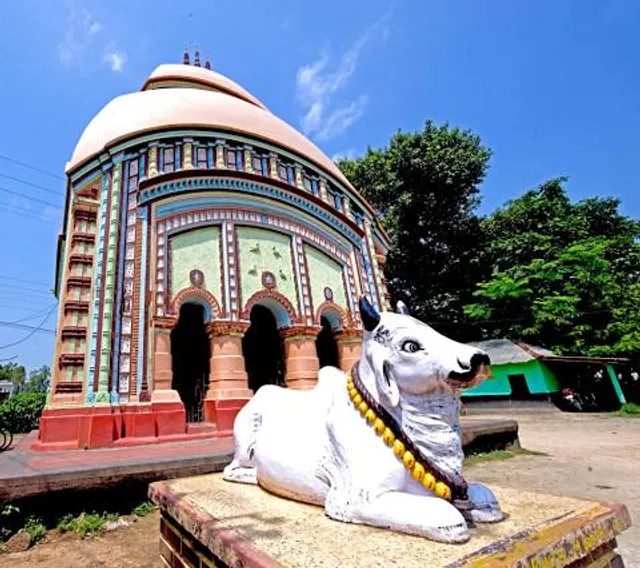
As I walked in, I was struck by the symmetry of the twelve identical temples, each dedicated to Lord Shiva. The architecture carries a timeless charm, and the well-maintained surroundings add to the serenity of the place. The sound of temple bells and the gentle breeze from the river created a calming atmosphere.

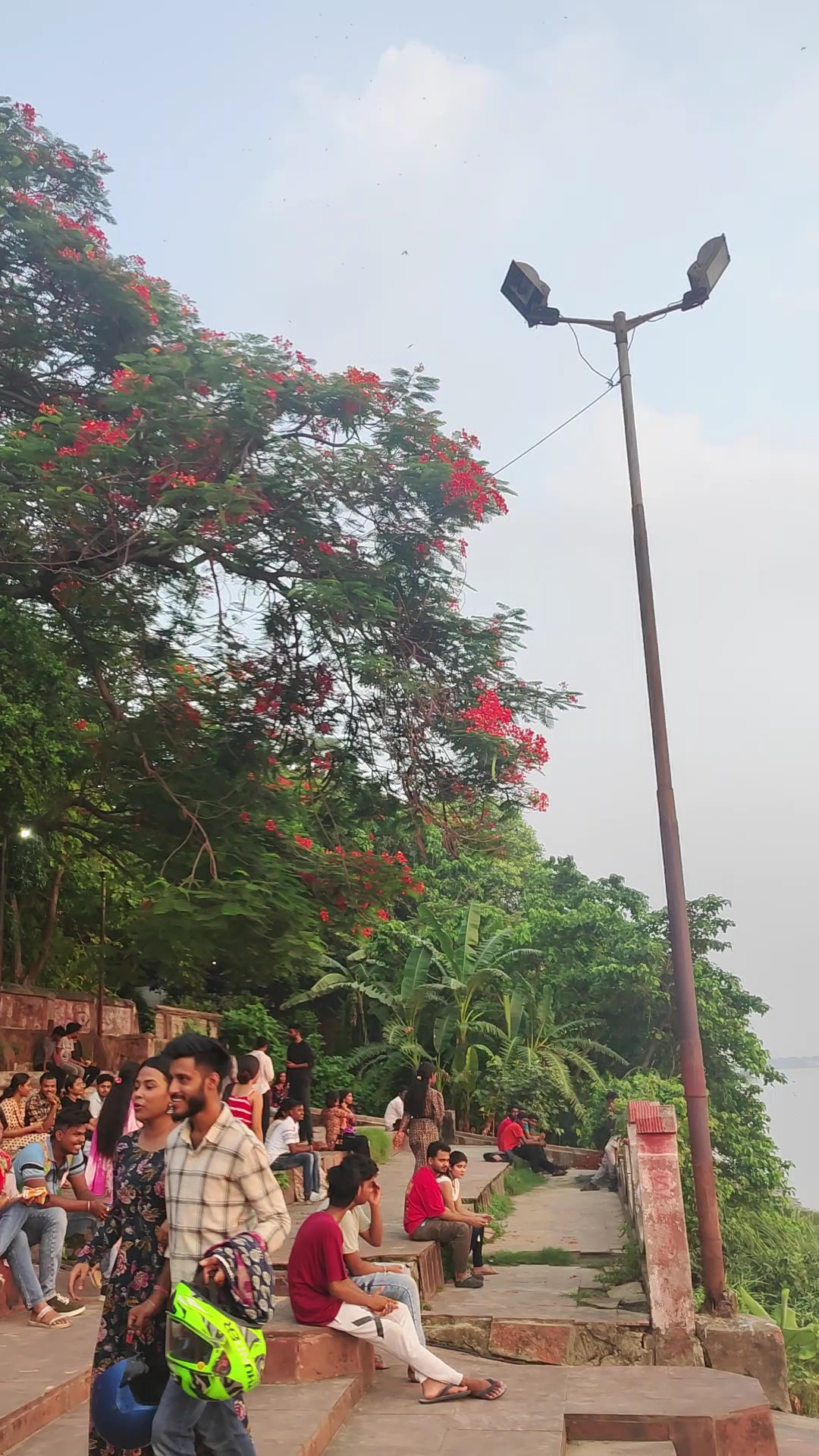
The ghat itself is a wonderful spot to sit and relax, with the flowing Ganges providing a soothing backdrop. I saw many people offering prayers, meditating, or simply enjoying the peaceful environment. I also heard that this place becomes especially vibrant during the Rathayatra festival, drawing large crowds of devotees.

If you’re looking for a spiritual getaway or just a quiet place to unwind by the river, Baro Mandir Ghat is definitely...

   Read more
Page 1 of 7
Previous
Next

Posts

Prasun SahaPrasun Saha
NAME OF THE SITE : Baro Mandir Ghat (Panihati) NOTIFICATION DATE : 28.06.2018 LOCATION : District : NORTH 24 - PARGANAS Sub division : BARRACKPORE Block : PANIHATI MUNICIPALITY Thana : KHARDAH Post Office and Pin : SUKCHAR S.O (NORTH 24 PARGANAS) / 700115 APPROACH : Nearest Railway Station : Sodepur Nearest Bus Stand : Sodepur Road condition :Motorable Local Landmark :The ghat itself DESCRIPTION : The Baro Mandir Ghat is situated at Harish Chandra Dutta Road at Sukchar in Panihati under Barrackpore sub-division of North 24 Parganas district. It was built by Sri Nabin Chandra Dutta about 200 years ago in 1213 Bengali Era. Nabin Chandra Dutta constructed the ghat along with twelve adjacent Shiva temples in memory of his father Harish Chandra Dutta. According to the history associated with the ghat, during the observation of 'Tarpan' rituals by Sri Harish Chandra Dutta in the Ganges at Kolkata, he saw a pregnant woman fell down on the steps of the ghat while carrying a water-filled pitcher and soon after the incident she died there due to miscarriage. Harish Chandra decided to build a ghat that would be easy to access by any pregnant woman. Thus the ghat was constructed on his direction. Nabin Chandra Dutta also constructed the twelve adjacent Shiva temples near the Harish Chandra Dutta Ghat. The Shiva Lingas (Idols of Lord Shiva) are made of Nilkanthi Kashthi Pathar (Black Basalt Stone). There is a surrounding garden with many beautiful sculptures in traditional architectural artworks. After the survey of the Ganges from Kalna to Gangasagar in 1924, the then Calcutta Port Commissioner stated that - 'No other ghat down Kalna is so broad, so easy of ascent and so beautiful to look. It never turns dry even at the lowest ebb-tide.' The ghat was constructed using brick, catechu, surki and Chita gur. There are various patterns and motifs designed on the ghat. The steps of the ghat have a height of only 4 inches making the ghat easy of ascent. There is a beautiful portico on the ghat designed by Sir Bradford Leslie. The first Bengali Engineer Nilmani Mitra was the advisor for the construction of the ghat and Sir Bradford Leslie conceptualized the ghat. In 2018, the West Bengal Heritage Commission declared the ghat as heritage
Ragini BhattacharyyaRagini Bhattacharyya
Today, I visited Baro Mandir Ghat in Panihati, and it was a truly peaceful and enriching experience. This historic site, known for its twelve Shiva temples, is beautifully situated along the banks of the Ganges, making it a perfect blend of spirituality and scenic beauty. As I walked in, I was struck by the symmetry of the twelve identical temples, each dedicated to Lord Shiva. The architecture carries a timeless charm, and the well-maintained surroundings add to the serenity of the place. The sound of temple bells and the gentle breeze from the river created a calming atmosphere. The ghat itself is a wonderful spot to sit and relax, with the flowing Ganges providing a soothing backdrop. I saw many people offering prayers, meditating, or simply enjoying the peaceful environment. I also heard that this place becomes especially vibrant during the Rathayatra festival, drawing large crowds of devotees. If you’re looking for a spiritual getaway or just a quiet place to unwind by the river, Baro Mandir Ghat is definitely worth a visit.
Soumyadeep DasSoumyadeep Das
āĻĒāĻžāύāĻŋāĻšāĻžāϟāĻŋāϰ āĻŦāĻžāϰ⧋ āĻŽāĻ¨ā§āĻĻāĻŋāϰ āϘāĻžāϟ (āĻŦāĻž āĻŦāĻžāϰ⧋ āĻļāĻŋāĻŦ āĻŽāĻ¨ā§āĻĻāĻŋāϰ āϘāĻžāϟ) āωāĻ¤ā§āϤāϰ ⧍ā§Ē āĻĒāϰāĻ—āĻŖāĻžāϰ, āĻŦāĻžāϰāĻžāĻ•āĻĒ⧁āϰ subdivision āĻāϰ āĻ…āĻ¨ā§āϤāĻ°ā§āĻ—āϤ āĻĒāĻžāύāĻŋāĻšāĻžāϟāĻŋ āĻ…āĻžā§āϚāϞ⧇āϰ āĻ—āĻ™ā§āĻ—āĻžāϰ āϧāĻžāϰ⧇ āĻ…āĻŦāĻ¸ā§āĻĨāĻŋāϤ āĻāĻ• āϐāϤāĻŋāĻšāĻžāϏāĻŋāĻ• āĻ“ āϧāĻ°ā§āĻŽā§€āϝāĻŧ āĻ¸ā§āĻĨāĻžāύāĨ¤ āĻāχ āϘāĻžāϟāϟāĻŋ āϤāĻžāϰ āĻŦāĻžāϰ⧋āϟāĻŋ āĻļāĻŋāĻŦ āĻŽāĻ¨ā§āĻĻāĻŋāϰ⧇āϰ āϜāĻ¨ā§āϝ āĻŦāĻŋāĻ–ā§āϝāĻžāϤ, āϝāĻž āϏāĻžāϰāĻŋ āĻŦ⧇āρāϧ⧇ āĻ—āĻ™ā§āĻ—āĻžāϰ āϧāĻžāϰ⧇ āĻĻāĻžāρ⧜āĻŋā§Ÿā§‡ āφāϛ⧇āĨ¤ āĻĒā§āϰāϤāĻŋāϟāĻŋ āĻŽāĻ¨ā§āĻĻāĻŋāϰ⧇ āĻāĻ•-āĻāĻ•āϟāĻŋ āĻļāĻŋāĻŦāϞāĻŋāĻ™ā§āĻ— āĻĒā§āϰāϤāĻŋāĻˇā§āĻ āĻŋāϤ, āĻāĻŦāĻ‚ āĻ­āĻ•ā§āϤāϰāĻž āĻāĻ–āĻžāύ⧇ āĻŦāĻŋāĻļ⧇āώ āĻ•āϰ⧇ āĻļāĻŋāĻŦāϰāĻžāĻ¤ā§āϰāĻŋ āĻ“ āĻĒā§āϰāϤāĻŋ āϏ⧋āĻŽāĻŦāĻžāϰ āĻŦāĻž āĻŦāϞāĻž āĻ­āĻžāϞ⧋ āĻĒā§āϰāϤāĻŋāĻĻāĻŋāύāχ āĻĒ⧁āĻœā§‹ āĻĻāĻŋāϤ⧇ āφāϏ⧇āύāĨ¤ āĻ•āĻŋāϛ⧁ āωāĻ˛ā§āϞ⧇āĻ–āϝ⧋āĻ—ā§āϝ āĻĻāĻŋāĻ•: āĻ¸ā§āĻĨāĻžāĻĒāĻ¤ā§āϝ: āĻŽāĻ¨ā§āĻĻāĻŋāϰāϗ⧁āϞ⧋ āϏāĻžāϧāĻžāϰāĻŖāϤ āĻŦāĻžāĻ™ā§āĻ—āĻžāϞāĻŋ āφāϟāϚāĻžāϞāĻž āĻŦāĻž āĻāĻ•āϚāĻžāϞāĻž āĻļ⧈āϞ⧀āϤ⧇ āύāĻŋāĻ°ā§āĻŽāĻŋāϤāĨ¤ āĻāĻĻ⧇āϰ āĻ¸ā§āĻĨāĻžāĻĒāĻ¤ā§āϝ⧇ āϐāϤāĻŋāĻšā§āϝāĻŦāĻžāĻšā§€ āĻŦāĻ™ā§āĻ—ā§€ā§Ÿ āĻ›āĻžāĻĒ āĻ¸ā§āĻĒāĻˇā§āϟāĨ¤ āĻĒāĻŦāĻŋāĻ¤ā§āϰ āϘāĻžāϟ: āϘāĻžāĻŸā§‡ āĻ—āĻ™ā§āĻ—āĻžāĻ¸ā§āύāĻžāύ āĻ•āϰ⧇ āĻ…āύ⧇āϕ⧇āχ āĻĒ⧁āĻŖā§āϝāϞāĻžāϭ⧇āϰ āφāĻļāĻžā§Ÿ āĻŽāĻ¨ā§āĻĻāĻŋāϰ⧇ āĻĒ⧁āĻœā§‹ āĻĻ⧇āύāĨ¤ āĻĻāĻ°ā§āĻļāĻ¨ā§€ā§Ÿ āĻ¸ā§āĻĨāĻžāύ: āĻāϟāĻŋ āϕ⧇āĻŦāϞ āϧāĻ°ā§āĻŽā§€ā§Ÿ āύ⧟, āĻŦāϰāĻ‚ āϐāϤāĻŋāĻšāĻžāϏāĻŋāĻ• āĻāĻŦāĻ‚ āϏāĻžāĻ‚āĻ¸ā§āĻ•ā§ƒāϤāĻŋāĻ• āϗ⧁āϰ⧁āĻ¤ā§āĻŦāĻ“ āĻŦāĻšāύ āĻ•āϰ⧇āĨ¤ āĻ•āĻžāϛ⧇āχ āφāϛ⧇ āύāĻŋāĻ¤ā§āϝāĻžāύāĻ¨ā§āĻĻ⧇āϰ āĻĒāĻžāϟ, āϝ⧇āĻ–āĻžāύ⧇ āϚāĻŋāĻĻāĻžāύāĻ¨ā§āĻĻ āĻĻ⧟āĻžāϞ āύāĻŋāĻ¤ā§āϝāĻžāύāĻ¨ā§āĻĻ āĻ āĻžāϕ⧁āϰ āĻĨāĻžāĻ•āϤ⧇āύāĨ¤ āĻĒāĻžāύāĻŋāĻšāĻžāϟāĻŋāϰ āĻŦāĻžāϰ⧋ āĻŽāĻ¨ā§āĻĻāĻŋāϰ āϘāĻžāϟ āĻļ⧁āϧ⧁ āĻŦāĻžāϰ⧋āϟāĻŋ āĻļāĻŋāĻŦāĻŽāĻ¨ā§āĻĻāĻŋāϰ⧇āϰ āϜāĻ¨ā§āϝ āύ⧟, āϤāĻžāϰ āφāĻļ⧇āĻĒāĻžāĻļ⧇āϰ āĻĒ⧁āϰāύ⧋ āĻĒāĻžāϟāĻŦāĻžāĻĄāĻŧāĻŋ, āĻ—āϞāĻŋāĻĒāĻĨ āφāϰ āϐāϤāĻŋāĻšāĻžāϏāĻŋāĻ• āĻ¸ā§āĻĨāĻžāύ⧇āϰ āϜāĻ¨ā§āϝāĻ“ āĻāĻ• āĻ…āϏāĻžāϧāĻžāϰāĻŖ āϏāĻžāĻ‚āĻ¸ā§āĻ•ā§ƒāϤāĻŋāĻ• āĻŽāĻžāύāϚāĻŋāĻ¤ā§āϰ āϤ⧈āϰāĻŋ āĻ•āϰ⧇ — āϝ⧇āύ āĻĒ⧁āϰāύ⧋ āĻ•āϞāĻ•āĻžāϤāĻžāϰ āĻāĻ• āĻ…āĻ‚āĻļ āĻāĻ–āĻžāύ⧇ āĻ—āĻ™ā§āĻ—āĻžāϰ āϧāĻžāϰ⧇ āϗ⧁āϟāĻŋā§Ÿā§‡ āϰāĻžāĻ–āĻž āφāϛ⧇āĨ¤ āφāϰ āĻļ⧁āϧ⧁ āĻāĻ–āĻžāύ⧇ āϕ⧇āύ, āĻĒ⧁āϰ⧋ āĻ—āĻ™ā§āĻ—āĻžāϰ āωāϭ⧟ āϏāĻžāχāĻĄā§‡āχ āύāĻ¸ā§āϟāĻžāϞāϜāĻŋ⧟āĻžā§Ÿ āĻŽā§‹ā§œāĻžāĨ¤ āϏ⧇āχ āĻ•āĻžāρāϚāϰāĻžāĻĒāĻžā§œāĻž - āĻšāĻžāϞāĻŋāĻļāĻšāϰ āĻĨ⧇āϕ⧇ āĻļ⧁āϰ⧁ āĻ•āϰ⧇ āύ⧈āĻšāĻžāϟāĻŋ, āĻļā§āϝāĻžāĻŽāύāĻ—āϰ, āĻŦāĻžāϰāĻžāĻ•āĻĒ⧁āϰ, āĻ–āϰāĻĻāĻž, āϏ⧁āĻ–āϚāϰ, āĻĒāĻžāύāĻŋāĻšāĻžāϟāĻŋ, āφāϰāĻŋ⧟āĻžāĻĻāĻš, āĻ•āĻžāĻŽāĻžāϰāĻšāĻžāϟāĻŋ, āĻĻāĻ•ā§āώāĻŋāύ⧇āĻļā§āĻŦāϰ, āφāϞāĻŽāĻŦāĻžāϜāĻžāϰ, āĻŦāϰāĻžāĻšāύāĻ—āϰ, āĻ•āĻžāĻļāĻŋāĻĒ⧁āϰ, āϚāĻŋā§ŽāĻĒ⧁āϰ, āĻŦāĻžāĻ—āĻŦāĻžāϜāĻžāϰ, āĻļā§‹āĻ­āĻžāĻŦāĻžāϜāĻžāϰ, āĻŦ⧜āĻŦāĻžāϜāĻžāϰ āĻĒāĻ°ā§āϝāĻ¨ā§āϤ āφāĻŦāĻžāϰ āĻŦāĻžāĻŦ⧁ āϰāĻžāϜāϚāĻ¨ā§āĻĻā§āϰ āĻĻāĻžāϏ (āĻŽāĻžāϰ )āĻāϰ āĻŦāĻžāĻŦ⧁āϘāĻžāϟ āĻĒāĻ°ā§āϝāĻ¨ā§āϤāĻ“ āĻāĻ•āχ āĻšā§‡āϰāĻŋāĻŸā§‡āϜāĨ¤ āĻ—āϞāĻŋ āĻ“ āĻĒā§āϰāĻžāĻšā§€āύ āĻĒāĻĨāϘāĻžāϟ: āĻŦāĻžāϰ⧋ āĻŽāĻ¨ā§āĻĻāĻŋāϰ āϘāĻžāϟ āĻĨ⧇āϕ⧇ āĻāĻ•āϟ⧁ āĻšā§‡āρāĻŸā§‡ āϗ⧇āϞ⧇āχ āĻ•āĻŋāϛ⧁ āϏāϰ⧁, āĻļāĻžāĻ¨ā§āϤ āĻ—āϞāĻŋ āĻāϏ⧇ āĻĒāĻĄāĻŧ⧇ āϝ⧇āĻ–āĻžāύ⧇ āĻāĻ–āύ⧋ āĻĒ⧁āϰāύ⧋ āϟāĻžāϞāĻŋāϰ āĻ›āĻžāĻĻāĻ“ā§ŸāĻžāϞāĻž āĻŦāĻžāĻĄāĻŧāĻŋ, āĻĻā§‡ā§ŸāĻžāϞ⧇ āĻļāĻŋāĻŦ āϚāϤ⧁āĻ°ā§āĻĻāĻļā§€āϰ āĻŦāĻŋāĻœā§āĻžāĻĒā§āϤāĻŋ āĻŦāĻž āĻšāϰāĻŋāύāĻžāĻŽ āϏāĻ‚āϕ⧀āĻ°ā§āϤāύ⧇āϰ āĻĒā§‹āĻ¸ā§āϟāĻžāϰ āĻā§āϞ⧇ āĻĨāĻžāϕ⧇āĨ¤ āĻŦāĻšā§ āĻŦāĻžāĻĄāĻŧāĻŋāϰ āĻŦāĻžāϰāĻžāĻ¨ā§āĻĻāĻžā§Ÿ āĻāĻ–āύāĻ“ āĻ•āĻžāϠ⧇āϰ āϰ⧇āϞāĻŋāĻ‚ āφāϛ⧇, āϰ⧇āϞāĻŋāĻ‚ āĻ āĻŦāϏ⧇ āĻĒāĻžāĻ–āĻŋāϗ⧁āϞ⧋ āĻĻ⧇āĻ–āĻŋ āĻ•āϤ āĻ•āĻĨāĻž āĻŦāϞ⧇ āĻĒāϰāĻŋāĻŦ⧇āĻļāϟāĻž āĻŽā§āĻ–āϰāĻŋāϤ āĻ•āϰ⧇, āφāĻŽāĻžāϰ āϤ⧋ āύāĻĻā§€ā§ŸāĻž āύāĻŦāĻĻā§āĻŦā§€āĻĒ⧇āϰ āĻ•āĻĨāĻž āĻŽāύ⧇ āĻĒāϰ⧇āĨ¤ āφāϰ āĻĒ⧇āĻ›āύ⧇āϰ āωāĻ ā§‹āύ⧇ āĻ•ā§ā§Ÿā§‹ āĻĻ⧇āĻ–āĻž āϝāĻžā§ŸāĨ¤ . āύāĻŋāĻ¤ā§āϝāĻžāύāĻ¨ā§āĻĻ⧇āϰ āĻĒāĻžāϟ / āχāĻ¸ā§āĻ•āύ āĻ“ āĻ—ā§ŒāĻĄāĻŧā§€ā§Ÿ āĻŦ⧈āĻˇā§āĻŖāĻŦ āϘāĻžāρāϟāĻŋ: āĻŦāĻžāϰ⧋āĻŽāĻ¨ā§āĻĻāĻŋāϰ āϘāĻžāϟ āĻĨ⧇āϕ⧇ āĻāĻ•āϟ⧁ āĻĻā§‚āϰ⧇āχ āĻ°ā§Ÿā§‡āϛ⧇ āĻĒāĻžāύāĻŋāĻšāĻžāϟāĻŋāĻĻāĻŖā§āĻĄāĻŽāĻšā§‹ā§ŽāϏāĻŦāϤāϞāĻž, āĻ—āĻŋāϰāĻŋāĻŦāĻžāϞāĻž āĻĻ⧇āĻŦā§€āϰ āϰāĻžāϧāĻžāĻ•āĻžāĻ¨ā§āϤ āĻŽāĻ¨ā§āĻĻāĻŋāϰ, āĻŽāĻŖāĻŋāϏ⧇āύ⧇āϰ āĻĒ⧈āϤ⧃āĻ•āĻ­āĻŋāϟāĻž- āĻŽāĻŖāĻŋ āϏ⧇āύ āϰāĻžāĻŽāĻ•ā§ƒāĻˇā§āĻŖ āĻĒāϰāĻŽāĻšāĻ‚āϏāĻĻ⧇āĻŦ⧇āϰ āĻāĻ•āϜāύ āĻ…āύ⧁āϰāĻžāĻ—ā§€ āĻ›āĻŋāϞ⧇āύ āĻ“ āĻĻāĻ•ā§āώāĻŋāύ⧇āĻļā§āĻŦāϰ āϝāĻžāĻ“ā§ŸāĻž āφāϏāĻž āĻ•āϰāϤ⧇āύ, āύāĻŋāĻ¤ā§āϝāĻžāύāĻ¨ā§āĻĻ⧇āϰ āĻ¸ā§āĻŽā§ƒāϤāĻŋ āĻŦāĻŋāϜ⧜āĻŋāϤ āĻĒāĻžāϟ, āϝ⧇āĻ–āĻžāύ⧇ āϚ⧈āϤāĻ¨ā§āϝ āĻĒāϰāĻŽā§āĻĒāϰāĻžāϰ āĻŦāĻšā§ āĻ¸ā§āĻŽā§ƒāϤāĻŋ āϜāĻĄāĻŧāĻŋā§Ÿā§‡āĨ¤ āĻ—ā§Œā§œā§€ā§Ÿ āĻŽāĻ , āχāĻ¸ā§āĻ•āύ āϏāĻ™ā§āĻ˜ā§‡āϰ āĻ…āύ⧁āϏāĻžāϰ⧀āϰāĻž āĻāĻ–āĻžāύ⧇ āĻĒā§āϰāĻžā§Ÿāχ āϕ⧀āĻ°ā§āϤāύ, āĻ­āϜāύ, āĻĻāϧāĻŋāϚāĻŋā§œā§‡ āĻ‰ā§ŽāϏāĻŦ āχāĻ¤ā§āϝāĻžāĻĻāĻŋ āĻĒāĻžāϞāύ āĻ•āϰ⧇āĨ¤ āĻŦāĻžāϰ⧋ āĻŽāĻ¨ā§āĻĻāĻŋāϰ⧇āϰ āĻļ⧈āĻŦ āĻĒā§āϰāĻ­āĻžāĻŦ⧇āϰ āĻĒāĻžāĻļ⧇ āĻŦ⧈āĻˇā§āĻŖāĻŦ āϐāϤāĻŋāĻšā§āϝāĻ“ āϏāĻŽāĻžāύ āϗ⧁āϰ⧁āĻ¤ā§āĻŦāĻĒā§‚āĻ°ā§āĻŖ āĻšā§Ÿā§‡ āĻĻāĻžāρ⧜āĻžā§Ÿ — āĻāĻ• āĻ…āĻĒā§‚āĻ°ā§āĻŦ āĻŽāĻŋāϞāύāĨ¤ āĻ—āĻ™ā§āĻ—āĻžāϰ āϘāĻžāϟ āφāϰ āύ⧌āĻ•āĻž āĻĒāĻžāϰāĻžāĻĒāĻžāϰ: āϘāĻžāĻŸā§‡ āĻāĻ–āύāĻ“ āϏāĻ•āĻžāϞ⧇ āĻāĻŦāĻ‚ āϏāĻ¨ā§āĻ§ā§āϝāĻžā§Ÿ āĻ—āĻ™ā§āĻ—āĻžāĻ¸ā§āύāĻžāύ āĻšā§Ÿ, āĻ•āĻŋāϛ⧁ āύ⧌āĻ•āĻž āĻĻāĻžāρ⧜āĻŋā§Ÿā§‡ āĻĨāĻžāϕ⧇ āϝāĻžāĻ¤ā§āϰ⧀ āĻĒāĻžāϰāĻžāĻĒāĻžāϰ⧇āϰ āϜāĻ¨ā§āϝāĨ¤ āĻ—āĻ™ā§āĻ—āĻžāϰ āϧāĻžāϰ⧇ āĻŦāϏ⧇ āĻĨāĻžāĻ•āϞ⧇ āϏ⧂āĻ°ā§āϝāĻžāĻ¸ā§āϤ⧇āϰ āφāĻ˛ā§‹ā§Ÿ āĻŦāĻžāϰ⧋āϟāĻŋ āĻļāĻŋāĻŦāĻŽāĻ¨ā§āĻĻāĻŋāϰ⧇āϰ āĻ›āĻžā§ŸāĻž āϜāϞ⧇ āĻĒāĻĄāĻŧ⧇ — āĻāĻ• āĻĒāϰāĻŽ āĻļāĻžāĻ¨ā§āϤāĻŋ āĻāύ⧇ āĻĻā§‡ā§ŸāĨ¤ āφāĻŽāĻŋ āĻ–āĻžāϞāĻŋ āĻŦāĻžāϰ⧋āĻŽāĻ¨ā§āĻĻāĻŋāϰ āϘāĻžāĻŸā§‡ āĻŦāĻž āĻĒāĻžāύāĻŋāĻšāĻžāϟāĻŋāĻĻāĻŖā§āĻĄāĻŽāĻšā§‹ā§ŽāϏāĻŦāϤāϞāĻžā§Ÿ āĻŦāĻž āĻ—āĻŋāϰāĻŋāĻŦāĻžāϞāĻž āĻĻ⧇āĻŦā§€āϰ āĻŽāĻ¨ā§āĻĻāĻŋāϰ⧇āϰ āϘāĻžāĻŸā§‡ āϗ⧇āϞ⧇ āĻĻā§‚āϰ⧇ āĻĻāĻ•ā§āώāĻŋāύ⧇āĻļā§āĻŦāϰ⧇āϰ āĻŦāĻžāϞāĻŋāϰ āĻŦā§āϰāĻŋāϜāϟāĻž āĻĻ⧇āĻ–āĻžāϰ āĻšā§‡āĻˇā§āϟāĻž āĻ•āϰāĻŋ 😊, āĻŽāύ⧇ āĻšā§Ÿ āĻāχ āĻŦ⧁āĻāĻŋ āϚāϞ⧇ āϝāĻžāĻŦā§‹ āĨ¤ āĻĒāĻžāύāĻŋāĻšāĻžāϟāĻŋ āĻœā§‡āϟāĻŋāϤ⧇ āωāϠ⧇āĻ“ āĻ“āχ āĻāĻ•āχ āĻšā§‡āĻˇā§āϟāĻž āĻ•āϰāϤāĻžāĻŽāĨ¤ āϰāĻžāϏ āĻ‰ā§ŽāϏāĻŦ āĻ“ āĻļāĻŋāĻŦāϰāĻžāĻ¤ā§āϰāĻŋ: āĻāĻ–āĻžāύ⧇ āĻŦāĻ°ā§āώāĻĒāĻžā§āϜāĻŋāĻ•āĻž āĻ…āύ⧁āϝāĻžāϝāĻŧā§€ āϰāĻžāϏ āĻĒā§‚āĻ°ā§āĻŖāĻŋāĻŽāĻž āĻ“ āĻļāĻŋāĻŦāϰāĻžāĻ¤ā§āϰāĻŋ āĻŦ⧇āĻļ āϧ⧁āĻŽāϧāĻžāĻŽā§‡āϰ āϏāĻ™ā§āϗ⧇ āĻĒāĻžāϞāĻŋāϤ āĻšā§ŸāĨ¤ āϤāĻ–āύ āĻŦāĻžāϰ⧋ āĻŽāĻ¨ā§āĻĻāĻŋāϰ āϘāĻžāϟ āĻšā§Ÿā§‡ āĻ“āϠ⧇ āĻŽā§āĻ–āϰāĻŋāϤ āĻāĻ• āĻœā§€āĻŦāĻ¨ā§āϤ āĻ•ā§āϝāĻžāύāĻ­āĻžāϏāĨ¤ āĻļ⧁āϧ⧁ āĻāχ āύ⧟, āĻ—āĻ™ā§āĻ—āĻžāϰ āĻ“āĻĒāĻžāϰ⧇āĻ“ āϕ⧋āĻ¨ā§āύāĻ—āϰ⧇ āĻ…āĻŦāύāĻŋāĻ¨ā§āĻĻā§āϰāύāĻžāĻĨ āĻ āĻžāϕ⧁āϰ⧇āϰ āĻŦāĻžāĻ—āĻžāύāĻŦāĻžā§œāĻŋ, āϕ⧋āĻ¨ā§āύāĻ—āϰ āĻŦ⧈āĻˇā§āĻŖāĻĻ⧇āĻŦā§€ āĻŽāĻ¨ā§āĻĻāĻŋāϰ, āϕ⧋āĻ¨ā§āύāĻ—āϰ āĻŦāĻžāϰ⧋āĻŽāĻ¨ā§āĻĻāĻŋāϰ āϘāĻžāϟ āĻĻ⧇āĻ–āĻž āϝāĻžā§Ÿ, āφāϰ, āϰāĻŋāώāϰāĻž, āĻļā§āϰ⧀āϰāĻžāĻŽāĻĒ⧁āϰ, āĻ­āĻĻā§āϰ⧇āĻļā§āĻŦāϰ, āĻŦ⧈āĻĻā§āϝāĻŦāĻžāϟāĻŋ, āϚāĻ¨ā§āĻĻāύāύāĻ—āϰ, āĻ“āĻĢāĻĢāĻĢāĻĢ, āĻ•āĻĨāĻž āĻšāĻŦ⧇ āύāĻž āϕ⧋āύ⧋ 😇āĨ¤ āφāϰ āĻŦ⧇āϞ⧁⧜ āĻŽāĻ  āύāĻŋā§Ÿā§‡āĻ“ āĻ•āĻŋāϛ⧁āχ āĻŦāϞāĻŦ āύāĻž, āĻĒ⧁āϰ⧋ āωāĻĒāϞāĻŦā§āϧāĻŋāϰ āĻŦāĻŋāώ⧟āĨ¤
See more posts
See more posts
hotel
Find your stay

Pet-friendly Hotels in West Bengal

Find a cozy hotel nearby and make it a full experience.

NAME OF THE SITE : Baro Mandir Ghat (Panihati) NOTIFICATION DATE : 28.06.2018 LOCATION : District : NORTH 24 - PARGANAS Sub division : BARRACKPORE Block : PANIHATI MUNICIPALITY Thana : KHARDAH Post Office and Pin : SUKCHAR S.O (NORTH 24 PARGANAS) / 700115 APPROACH : Nearest Railway Station : Sodepur Nearest Bus Stand : Sodepur Road condition :Motorable Local Landmark :The ghat itself DESCRIPTION : The Baro Mandir Ghat is situated at Harish Chandra Dutta Road at Sukchar in Panihati under Barrackpore sub-division of North 24 Parganas district. It was built by Sri Nabin Chandra Dutta about 200 years ago in 1213 Bengali Era. Nabin Chandra Dutta constructed the ghat along with twelve adjacent Shiva temples in memory of his father Harish Chandra Dutta. According to the history associated with the ghat, during the observation of 'Tarpan' rituals by Sri Harish Chandra Dutta in the Ganges at Kolkata, he saw a pregnant woman fell down on the steps of the ghat while carrying a water-filled pitcher and soon after the incident she died there due to miscarriage. Harish Chandra decided to build a ghat that would be easy to access by any pregnant woman. Thus the ghat was constructed on his direction. Nabin Chandra Dutta also constructed the twelve adjacent Shiva temples near the Harish Chandra Dutta Ghat. The Shiva Lingas (Idols of Lord Shiva) are made of Nilkanthi Kashthi Pathar (Black Basalt Stone). There is a surrounding garden with many beautiful sculptures in traditional architectural artworks. After the survey of the Ganges from Kalna to Gangasagar in 1924, the then Calcutta Port Commissioner stated that - 'No other ghat down Kalna is so broad, so easy of ascent and so beautiful to look. It never turns dry even at the lowest ebb-tide.' The ghat was constructed using brick, catechu, surki and Chita gur. There are various patterns and motifs designed on the ghat. The steps of the ghat have a height of only 4 inches making the ghat easy of ascent. There is a beautiful portico on the ghat designed by Sir Bradford Leslie. The first Bengali Engineer Nilmani Mitra was the advisor for the construction of the ghat and Sir Bradford Leslie conceptualized the ghat. In 2018, the West Bengal Heritage Commission declared the ghat as heritage
Prasun Saha

Prasun Saha

hotel
Find your stay

Affordable Hotels in West Bengal

Find a cozy hotel nearby and make it a full experience.

Get the Appoverlay
Get the AppOne tap to find yournext favorite spots!
Today, I visited Baro Mandir Ghat in Panihati, and it was a truly peaceful and enriching experience. This historic site, known for its twelve Shiva temples, is beautifully situated along the banks of the Ganges, making it a perfect blend of spirituality and scenic beauty. As I walked in, I was struck by the symmetry of the twelve identical temples, each dedicated to Lord Shiva. The architecture carries a timeless charm, and the well-maintained surroundings add to the serenity of the place. The sound of temple bells and the gentle breeze from the river created a calming atmosphere. The ghat itself is a wonderful spot to sit and relax, with the flowing Ganges providing a soothing backdrop. I saw many people offering prayers, meditating, or simply enjoying the peaceful environment. I also heard that this place becomes especially vibrant during the Rathayatra festival, drawing large crowds of devotees. If you’re looking for a spiritual getaway or just a quiet place to unwind by the river, Baro Mandir Ghat is definitely worth a visit.
Ragini Bhattacharyya

Ragini Bhattacharyya

hotel
Find your stay

The Coolest Hotels You Haven't Heard Of (Yet)

Find a cozy hotel nearby and make it a full experience.

hotel
Find your stay

Trending Stays Worth the Hype in West Bengal

Find a cozy hotel nearby and make it a full experience.

āĻĒāĻžāύāĻŋāĻšāĻžāϟāĻŋāϰ āĻŦāĻžāϰ⧋ āĻŽāĻ¨ā§āĻĻāĻŋāϰ āϘāĻžāϟ (āĻŦāĻž āĻŦāĻžāϰ⧋ āĻļāĻŋāĻŦ āĻŽāĻ¨ā§āĻĻāĻŋāϰ āϘāĻžāϟ) āωāĻ¤ā§āϤāϰ ⧍ā§Ē āĻĒāϰāĻ—āĻŖāĻžāϰ, āĻŦāĻžāϰāĻžāĻ•āĻĒ⧁āϰ subdivision āĻāϰ āĻ…āĻ¨ā§āϤāĻ°ā§āĻ—āϤ āĻĒāĻžāύāĻŋāĻšāĻžāϟāĻŋ āĻ…āĻžā§āϚāϞ⧇āϰ āĻ—āĻ™ā§āĻ—āĻžāϰ āϧāĻžāϰ⧇ āĻ…āĻŦāĻ¸ā§āĻĨāĻŋāϤ āĻāĻ• āϐāϤāĻŋāĻšāĻžāϏāĻŋāĻ• āĻ“ āϧāĻ°ā§āĻŽā§€āϝāĻŧ āĻ¸ā§āĻĨāĻžāύāĨ¤ āĻāχ āϘāĻžāϟāϟāĻŋ āϤāĻžāϰ āĻŦāĻžāϰ⧋āϟāĻŋ āĻļāĻŋāĻŦ āĻŽāĻ¨ā§āĻĻāĻŋāϰ⧇āϰ āϜāĻ¨ā§āϝ āĻŦāĻŋāĻ–ā§āϝāĻžāϤ, āϝāĻž āϏāĻžāϰāĻŋ āĻŦ⧇āρāϧ⧇ āĻ—āĻ™ā§āĻ—āĻžāϰ āϧāĻžāϰ⧇ āĻĻāĻžāρ⧜āĻŋā§Ÿā§‡ āφāϛ⧇āĨ¤ āĻĒā§āϰāϤāĻŋāϟāĻŋ āĻŽāĻ¨ā§āĻĻāĻŋāϰ⧇ āĻāĻ•-āĻāĻ•āϟāĻŋ āĻļāĻŋāĻŦāϞāĻŋāĻ™ā§āĻ— āĻĒā§āϰāϤāĻŋāĻˇā§āĻ āĻŋāϤ, āĻāĻŦāĻ‚ āĻ­āĻ•ā§āϤāϰāĻž āĻāĻ–āĻžāύ⧇ āĻŦāĻŋāĻļ⧇āώ āĻ•āϰ⧇ āĻļāĻŋāĻŦāϰāĻžāĻ¤ā§āϰāĻŋ āĻ“ āĻĒā§āϰāϤāĻŋ āϏ⧋āĻŽāĻŦāĻžāϰ āĻŦāĻž āĻŦāϞāĻž āĻ­āĻžāϞ⧋ āĻĒā§āϰāϤāĻŋāĻĻāĻŋāύāχ āĻĒ⧁āĻœā§‹ āĻĻāĻŋāϤ⧇ āφāϏ⧇āύāĨ¤ āĻ•āĻŋāϛ⧁ āωāĻ˛ā§āϞ⧇āĻ–āϝ⧋āĻ—ā§āϝ āĻĻāĻŋāĻ•: āĻ¸ā§āĻĨāĻžāĻĒāĻ¤ā§āϝ: āĻŽāĻ¨ā§āĻĻāĻŋāϰāϗ⧁āϞ⧋ āϏāĻžāϧāĻžāϰāĻŖāϤ āĻŦāĻžāĻ™ā§āĻ—āĻžāϞāĻŋ āφāϟāϚāĻžāϞāĻž āĻŦāĻž āĻāĻ•āϚāĻžāϞāĻž āĻļ⧈āϞ⧀āϤ⧇ āύāĻŋāĻ°ā§āĻŽāĻŋāϤāĨ¤ āĻāĻĻ⧇āϰ āĻ¸ā§āĻĨāĻžāĻĒāĻ¤ā§āϝ⧇ āϐāϤāĻŋāĻšā§āϝāĻŦāĻžāĻšā§€ āĻŦāĻ™ā§āĻ—ā§€ā§Ÿ āĻ›āĻžāĻĒ āĻ¸ā§āĻĒāĻˇā§āϟāĨ¤ āĻĒāĻŦāĻŋāĻ¤ā§āϰ āϘāĻžāϟ: āϘāĻžāĻŸā§‡ āĻ—āĻ™ā§āĻ—āĻžāĻ¸ā§āύāĻžāύ āĻ•āϰ⧇ āĻ…āύ⧇āϕ⧇āχ āĻĒ⧁āĻŖā§āϝāϞāĻžāϭ⧇āϰ āφāĻļāĻžā§Ÿ āĻŽāĻ¨ā§āĻĻāĻŋāϰ⧇ āĻĒ⧁āĻœā§‹ āĻĻ⧇āύāĨ¤ āĻĻāĻ°ā§āĻļāĻ¨ā§€ā§Ÿ āĻ¸ā§āĻĨāĻžāύ: āĻāϟāĻŋ āϕ⧇āĻŦāϞ āϧāĻ°ā§āĻŽā§€ā§Ÿ āύ⧟, āĻŦāϰāĻ‚ āϐāϤāĻŋāĻšāĻžāϏāĻŋāĻ• āĻāĻŦāĻ‚ āϏāĻžāĻ‚āĻ¸ā§āĻ•ā§ƒāϤāĻŋāĻ• āϗ⧁āϰ⧁āĻ¤ā§āĻŦāĻ“ āĻŦāĻšāύ āĻ•āϰ⧇āĨ¤ āĻ•āĻžāϛ⧇āχ āφāϛ⧇ āύāĻŋāĻ¤ā§āϝāĻžāύāĻ¨ā§āĻĻ⧇āϰ āĻĒāĻžāϟ, āϝ⧇āĻ–āĻžāύ⧇ āϚāĻŋāĻĻāĻžāύāĻ¨ā§āĻĻ āĻĻ⧟āĻžāϞ āύāĻŋāĻ¤ā§āϝāĻžāύāĻ¨ā§āĻĻ āĻ āĻžāϕ⧁āϰ āĻĨāĻžāĻ•āϤ⧇āύāĨ¤ āĻĒāĻžāύāĻŋāĻšāĻžāϟāĻŋāϰ āĻŦāĻžāϰ⧋ āĻŽāĻ¨ā§āĻĻāĻŋāϰ āϘāĻžāϟ āĻļ⧁āϧ⧁ āĻŦāĻžāϰ⧋āϟāĻŋ āĻļāĻŋāĻŦāĻŽāĻ¨ā§āĻĻāĻŋāϰ⧇āϰ āϜāĻ¨ā§āϝ āύ⧟, āϤāĻžāϰ āφāĻļ⧇āĻĒāĻžāĻļ⧇āϰ āĻĒ⧁āϰāύ⧋ āĻĒāĻžāϟāĻŦāĻžāĻĄāĻŧāĻŋ, āĻ—āϞāĻŋāĻĒāĻĨ āφāϰ āϐāϤāĻŋāĻšāĻžāϏāĻŋāĻ• āĻ¸ā§āĻĨāĻžāύ⧇āϰ āϜāĻ¨ā§āϝāĻ“ āĻāĻ• āĻ…āϏāĻžāϧāĻžāϰāĻŖ āϏāĻžāĻ‚āĻ¸ā§āĻ•ā§ƒāϤāĻŋāĻ• āĻŽāĻžāύāϚāĻŋāĻ¤ā§āϰ āϤ⧈āϰāĻŋ āĻ•āϰ⧇ — āϝ⧇āύ āĻĒ⧁āϰāύ⧋ āĻ•āϞāĻ•āĻžāϤāĻžāϰ āĻāĻ• āĻ…āĻ‚āĻļ āĻāĻ–āĻžāύ⧇ āĻ—āĻ™ā§āĻ—āĻžāϰ āϧāĻžāϰ⧇ āϗ⧁āϟāĻŋā§Ÿā§‡ āϰāĻžāĻ–āĻž āφāϛ⧇āĨ¤ āφāϰ āĻļ⧁āϧ⧁ āĻāĻ–āĻžāύ⧇ āϕ⧇āύ, āĻĒ⧁āϰ⧋ āĻ—āĻ™ā§āĻ—āĻžāϰ āωāϭ⧟ āϏāĻžāχāĻĄā§‡āχ āύāĻ¸ā§āϟāĻžāϞāϜāĻŋ⧟āĻžā§Ÿ āĻŽā§‹ā§œāĻžāĨ¤ āϏ⧇āχ āĻ•āĻžāρāϚāϰāĻžāĻĒāĻžā§œāĻž - āĻšāĻžāϞāĻŋāĻļāĻšāϰ āĻĨ⧇āϕ⧇ āĻļ⧁āϰ⧁ āĻ•āϰ⧇ āύ⧈āĻšāĻžāϟāĻŋ, āĻļā§āϝāĻžāĻŽāύāĻ—āϰ, āĻŦāĻžāϰāĻžāĻ•āĻĒ⧁āϰ, āĻ–āϰāĻĻāĻž, āϏ⧁āĻ–āϚāϰ, āĻĒāĻžāύāĻŋāĻšāĻžāϟāĻŋ, āφāϰāĻŋ⧟āĻžāĻĻāĻš, āĻ•āĻžāĻŽāĻžāϰāĻšāĻžāϟāĻŋ, āĻĻāĻ•ā§āώāĻŋāύ⧇āĻļā§āĻŦāϰ, āφāϞāĻŽāĻŦāĻžāϜāĻžāϰ, āĻŦāϰāĻžāĻšāύāĻ—āϰ, āĻ•āĻžāĻļāĻŋāĻĒ⧁āϰ, āϚāĻŋā§ŽāĻĒ⧁āϰ, āĻŦāĻžāĻ—āĻŦāĻžāϜāĻžāϰ, āĻļā§‹āĻ­āĻžāĻŦāĻžāϜāĻžāϰ, āĻŦ⧜āĻŦāĻžāϜāĻžāϰ āĻĒāĻ°ā§āϝāĻ¨ā§āϤ āφāĻŦāĻžāϰ āĻŦāĻžāĻŦ⧁ āϰāĻžāϜāϚāĻ¨ā§āĻĻā§āϰ āĻĻāĻžāϏ (āĻŽāĻžāϰ )āĻāϰ āĻŦāĻžāĻŦ⧁āϘāĻžāϟ āĻĒāĻ°ā§āϝāĻ¨ā§āϤāĻ“ āĻāĻ•āχ āĻšā§‡āϰāĻŋāĻŸā§‡āϜāĨ¤ āĻ—āϞāĻŋ āĻ“ āĻĒā§āϰāĻžāĻšā§€āύ āĻĒāĻĨāϘāĻžāϟ: āĻŦāĻžāϰ⧋ āĻŽāĻ¨ā§āĻĻāĻŋāϰ āϘāĻžāϟ āĻĨ⧇āϕ⧇ āĻāĻ•āϟ⧁ āĻšā§‡āρāĻŸā§‡ āϗ⧇āϞ⧇āχ āĻ•āĻŋāϛ⧁ āϏāϰ⧁, āĻļāĻžāĻ¨ā§āϤ āĻ—āϞāĻŋ āĻāϏ⧇ āĻĒāĻĄāĻŧ⧇ āϝ⧇āĻ–āĻžāύ⧇ āĻāĻ–āύ⧋ āĻĒ⧁āϰāύ⧋ āϟāĻžāϞāĻŋāϰ āĻ›āĻžāĻĻāĻ“ā§ŸāĻžāϞāĻž āĻŦāĻžāĻĄāĻŧāĻŋ, āĻĻā§‡ā§ŸāĻžāϞ⧇ āĻļāĻŋāĻŦ āϚāϤ⧁āĻ°ā§āĻĻāĻļā§€āϰ āĻŦāĻŋāĻœā§āĻžāĻĒā§āϤāĻŋ āĻŦāĻž āĻšāϰāĻŋāύāĻžāĻŽ āϏāĻ‚āϕ⧀āĻ°ā§āϤāύ⧇āϰ āĻĒā§‹āĻ¸ā§āϟāĻžāϰ āĻā§āϞ⧇ āĻĨāĻžāϕ⧇āĨ¤ āĻŦāĻšā§ āĻŦāĻžāĻĄāĻŧāĻŋāϰ āĻŦāĻžāϰāĻžāĻ¨ā§āĻĻāĻžā§Ÿ āĻāĻ–āύāĻ“ āĻ•āĻžāϠ⧇āϰ āϰ⧇āϞāĻŋāĻ‚ āφāϛ⧇, āϰ⧇āϞāĻŋāĻ‚ āĻ āĻŦāϏ⧇ āĻĒāĻžāĻ–āĻŋāϗ⧁āϞ⧋ āĻĻ⧇āĻ–āĻŋ āĻ•āϤ āĻ•āĻĨāĻž āĻŦāϞ⧇ āĻĒāϰāĻŋāĻŦ⧇āĻļāϟāĻž āĻŽā§āĻ–āϰāĻŋāϤ āĻ•āϰ⧇, āφāĻŽāĻžāϰ āϤ⧋ āύāĻĻā§€ā§ŸāĻž āύāĻŦāĻĻā§āĻŦā§€āĻĒ⧇āϰ āĻ•āĻĨāĻž āĻŽāύ⧇ āĻĒāϰ⧇āĨ¤ āφāϰ āĻĒ⧇āĻ›āύ⧇āϰ āωāĻ ā§‹āύ⧇ āĻ•ā§ā§Ÿā§‹ āĻĻ⧇āĻ–āĻž āϝāĻžā§ŸāĨ¤ . āύāĻŋāĻ¤ā§āϝāĻžāύāĻ¨ā§āĻĻ⧇āϰ āĻĒāĻžāϟ / āχāĻ¸ā§āĻ•āύ āĻ“ āĻ—ā§ŒāĻĄāĻŧā§€ā§Ÿ āĻŦ⧈āĻˇā§āĻŖāĻŦ āϘāĻžāρāϟāĻŋ: āĻŦāĻžāϰ⧋āĻŽāĻ¨ā§āĻĻāĻŋāϰ āϘāĻžāϟ āĻĨ⧇āϕ⧇ āĻāĻ•āϟ⧁ āĻĻā§‚āϰ⧇āχ āĻ°ā§Ÿā§‡āϛ⧇ āĻĒāĻžāύāĻŋāĻšāĻžāϟāĻŋāĻĻāĻŖā§āĻĄāĻŽāĻšā§‹ā§ŽāϏāĻŦāϤāϞāĻž, āĻ—āĻŋāϰāĻŋāĻŦāĻžāϞāĻž āĻĻ⧇āĻŦā§€āϰ āϰāĻžāϧāĻžāĻ•āĻžāĻ¨ā§āϤ āĻŽāĻ¨ā§āĻĻāĻŋāϰ, āĻŽāĻŖāĻŋāϏ⧇āύ⧇āϰ āĻĒ⧈āϤ⧃āĻ•āĻ­āĻŋāϟāĻž- āĻŽāĻŖāĻŋ āϏ⧇āύ āϰāĻžāĻŽāĻ•ā§ƒāĻˇā§āĻŖ āĻĒāϰāĻŽāĻšāĻ‚āϏāĻĻ⧇āĻŦ⧇āϰ āĻāĻ•āϜāύ āĻ…āύ⧁āϰāĻžāĻ—ā§€ āĻ›āĻŋāϞ⧇āύ āĻ“ āĻĻāĻ•ā§āώāĻŋāύ⧇āĻļā§āĻŦāϰ āϝāĻžāĻ“ā§ŸāĻž āφāϏāĻž āĻ•āϰāϤ⧇āύ, āύāĻŋāĻ¤ā§āϝāĻžāύāĻ¨ā§āĻĻ⧇āϰ āĻ¸ā§āĻŽā§ƒāϤāĻŋ āĻŦāĻŋāϜ⧜āĻŋāϤ āĻĒāĻžāϟ, āϝ⧇āĻ–āĻžāύ⧇ āϚ⧈āϤāĻ¨ā§āϝ āĻĒāϰāĻŽā§āĻĒāϰāĻžāϰ āĻŦāĻšā§ āĻ¸ā§āĻŽā§ƒāϤāĻŋ āϜāĻĄāĻŧāĻŋā§Ÿā§‡āĨ¤ āĻ—ā§Œā§œā§€ā§Ÿ āĻŽāĻ , āχāĻ¸ā§āĻ•āύ āϏāĻ™ā§āĻ˜ā§‡āϰ āĻ…āύ⧁āϏāĻžāϰ⧀āϰāĻž āĻāĻ–āĻžāύ⧇ āĻĒā§āϰāĻžā§Ÿāχ āϕ⧀āĻ°ā§āϤāύ, āĻ­āϜāύ, āĻĻāϧāĻŋāϚāĻŋā§œā§‡ āĻ‰ā§ŽāϏāĻŦ āχāĻ¤ā§āϝāĻžāĻĻāĻŋ āĻĒāĻžāϞāύ āĻ•āϰ⧇āĨ¤ āĻŦāĻžāϰ⧋ āĻŽāĻ¨ā§āĻĻāĻŋāϰ⧇āϰ āĻļ⧈āĻŦ āĻĒā§āϰāĻ­āĻžāĻŦ⧇āϰ āĻĒāĻžāĻļ⧇ āĻŦ⧈āĻˇā§āĻŖāĻŦ āϐāϤāĻŋāĻšā§āϝāĻ“ āϏāĻŽāĻžāύ āϗ⧁āϰ⧁āĻ¤ā§āĻŦāĻĒā§‚āĻ°ā§āĻŖ āĻšā§Ÿā§‡ āĻĻāĻžāρ⧜āĻžā§Ÿ — āĻāĻ• āĻ…āĻĒā§‚āĻ°ā§āĻŦ āĻŽāĻŋāϞāύāĨ¤ āĻ—āĻ™ā§āĻ—āĻžāϰ āϘāĻžāϟ āφāϰ āύ⧌āĻ•āĻž āĻĒāĻžāϰāĻžāĻĒāĻžāϰ: āϘāĻžāĻŸā§‡ āĻāĻ–āύāĻ“ āϏāĻ•āĻžāϞ⧇ āĻāĻŦāĻ‚ āϏāĻ¨ā§āĻ§ā§āϝāĻžā§Ÿ āĻ—āĻ™ā§āĻ—āĻžāĻ¸ā§āύāĻžāύ āĻšā§Ÿ, āĻ•āĻŋāϛ⧁ āύ⧌āĻ•āĻž āĻĻāĻžāρ⧜āĻŋā§Ÿā§‡ āĻĨāĻžāϕ⧇ āϝāĻžāĻ¤ā§āϰ⧀ āĻĒāĻžāϰāĻžāĻĒāĻžāϰ⧇āϰ āϜāĻ¨ā§āϝāĨ¤ āĻ—āĻ™ā§āĻ—āĻžāϰ āϧāĻžāϰ⧇ āĻŦāϏ⧇ āĻĨāĻžāĻ•āϞ⧇ āϏ⧂āĻ°ā§āϝāĻžāĻ¸ā§āϤ⧇āϰ āφāĻ˛ā§‹ā§Ÿ āĻŦāĻžāϰ⧋āϟāĻŋ āĻļāĻŋāĻŦāĻŽāĻ¨ā§āĻĻāĻŋāϰ⧇āϰ āĻ›āĻžā§ŸāĻž āϜāϞ⧇ āĻĒāĻĄāĻŧ⧇ — āĻāĻ• āĻĒāϰāĻŽ āĻļāĻžāĻ¨ā§āϤāĻŋ āĻāύ⧇ āĻĻā§‡ā§ŸāĨ¤ āφāĻŽāĻŋ āĻ–āĻžāϞāĻŋ āĻŦāĻžāϰ⧋āĻŽāĻ¨ā§āĻĻāĻŋāϰ āϘāĻžāĻŸā§‡ āĻŦāĻž āĻĒāĻžāύāĻŋāĻšāĻžāϟāĻŋāĻĻāĻŖā§āĻĄāĻŽāĻšā§‹ā§ŽāϏāĻŦāϤāϞāĻžā§Ÿ āĻŦāĻž āĻ—āĻŋāϰāĻŋāĻŦāĻžāϞāĻž āĻĻ⧇āĻŦā§€āϰ āĻŽāĻ¨ā§āĻĻāĻŋāϰ⧇āϰ āϘāĻžāĻŸā§‡ āϗ⧇āϞ⧇ āĻĻā§‚āϰ⧇ āĻĻāĻ•ā§āώāĻŋāύ⧇āĻļā§āĻŦāϰ⧇āϰ āĻŦāĻžāϞāĻŋāϰ āĻŦā§āϰāĻŋāϜāϟāĻž āĻĻ⧇āĻ–āĻžāϰ āĻšā§‡āĻˇā§āϟāĻž āĻ•āϰāĻŋ 😊, āĻŽāύ⧇ āĻšā§Ÿ āĻāχ āĻŦ⧁āĻāĻŋ āϚāϞ⧇ āϝāĻžāĻŦā§‹ āĨ¤ āĻĒāĻžāύāĻŋāĻšāĻžāϟāĻŋ āĻœā§‡āϟāĻŋāϤ⧇ āωāϠ⧇āĻ“ āĻ“āχ āĻāĻ•āχ āĻšā§‡āĻˇā§āϟāĻž āĻ•āϰāϤāĻžāĻŽāĨ¤ āϰāĻžāϏ āĻ‰ā§ŽāϏāĻŦ āĻ“ āĻļāĻŋāĻŦāϰāĻžāĻ¤ā§āϰāĻŋ: āĻāĻ–āĻžāύ⧇ āĻŦāĻ°ā§āώāĻĒāĻžā§āϜāĻŋāĻ•āĻž āĻ…āύ⧁āϝāĻžāϝāĻŧā§€ āϰāĻžāϏ āĻĒā§‚āĻ°ā§āĻŖāĻŋāĻŽāĻž āĻ“ āĻļāĻŋāĻŦāϰāĻžāĻ¤ā§āϰāĻŋ āĻŦ⧇āĻļ āϧ⧁āĻŽāϧāĻžāĻŽā§‡āϰ āϏāĻ™ā§āϗ⧇ āĻĒāĻžāϞāĻŋāϤ āĻšā§ŸāĨ¤ āϤāĻ–āύ āĻŦāĻžāϰ⧋ āĻŽāĻ¨ā§āĻĻāĻŋāϰ āϘāĻžāϟ āĻšā§Ÿā§‡ āĻ“āϠ⧇ āĻŽā§āĻ–āϰāĻŋāϤ āĻāĻ• āĻœā§€āĻŦāĻ¨ā§āϤ āĻ•ā§āϝāĻžāύāĻ­āĻžāϏāĨ¤ āĻļ⧁āϧ⧁ āĻāχ āύ⧟, āĻ—āĻ™ā§āĻ—āĻžāϰ āĻ“āĻĒāĻžāϰ⧇āĻ“ āϕ⧋āĻ¨ā§āύāĻ—āϰ⧇ āĻ…āĻŦāύāĻŋāĻ¨ā§āĻĻā§āϰāύāĻžāĻĨ āĻ āĻžāϕ⧁āϰ⧇āϰ āĻŦāĻžāĻ—āĻžāύāĻŦāĻžā§œāĻŋ, āϕ⧋āĻ¨ā§āύāĻ—āϰ āĻŦ⧈āĻˇā§āĻŖāĻĻ⧇āĻŦā§€ āĻŽāĻ¨ā§āĻĻāĻŋāϰ, āϕ⧋āĻ¨ā§āύāĻ—āϰ āĻŦāĻžāϰ⧋āĻŽāĻ¨ā§āĻĻāĻŋāϰ āϘāĻžāϟ āĻĻ⧇āĻ–āĻž āϝāĻžā§Ÿ, āφāϰ, āϰāĻŋāώāϰāĻž, āĻļā§āϰ⧀āϰāĻžāĻŽāĻĒ⧁āϰ, āĻ­āĻĻā§āϰ⧇āĻļā§āĻŦāϰ, āĻŦ⧈āĻĻā§āϝāĻŦāĻžāϟāĻŋ, āϚāĻ¨ā§āĻĻāύāύāĻ—āϰ, āĻ“āĻĢāĻĢāĻĢāĻĢ, āĻ•āĻĨāĻž āĻšāĻŦ⧇ āύāĻž āϕ⧋āύ⧋ 😇āĨ¤ āφāϰ āĻŦ⧇āϞ⧁⧜ āĻŽāĻ  āύāĻŋā§Ÿā§‡āĻ“ āĻ•āĻŋāϛ⧁āχ āĻŦāϞāĻŦ āύāĻž, āĻĒ⧁āϰ⧋ āωāĻĒāϞāĻŦā§āϧāĻŋāϰ āĻŦāĻŋāώ⧟āĨ¤
Soumyadeep Das

Soumyadeep Das

See more posts
See more posts