HTML SitemapExplore
Find Things to DoFind The Best Restaurants

Chandraketugarh — Attraction in West Bengal

Name
Chandraketugarh
Description
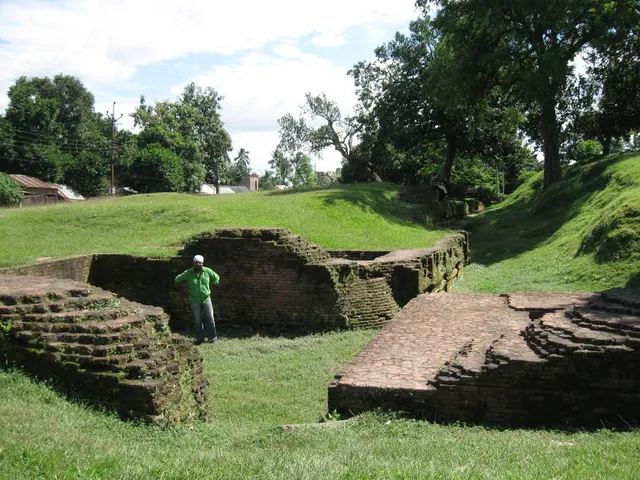
Chandraketugarh is a 2,500 years old archaeological site located near the Bidyadhari river, about 35 kilometres north-east of Kolkata, India, in the district of North 24 parganas, near the township of Berachampa and the Harua Road railhead. Once it was an important hub of international maritime trade.
Nearby attractions
Khana-Mihirer Dhipi
MMXQ+28Q, Prithiba Rd, Berachampa, West Bengal 743424, India
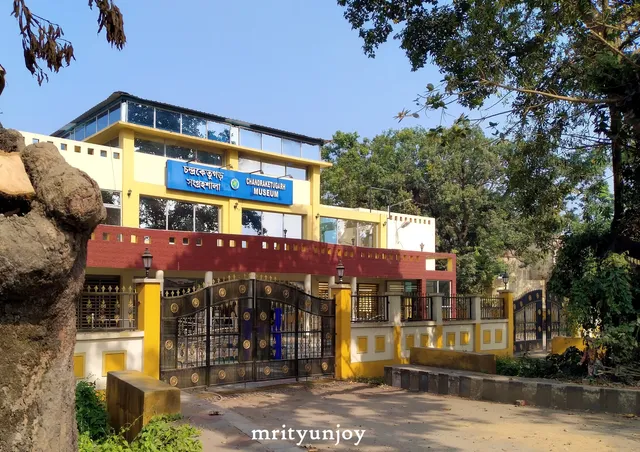
Chandraketugarh Museum
Berachampa, West Bengal 743424, India
Nearby restaurants
Nearby hotels
Related posts
Keywords
Chandraketugarh tourism.Chandraketugarh hotels.Chandraketugarh bed and breakfast. flights to Chandraketugarh.Chandraketugarh attractions.Chandraketugarh restaurants.Chandraketugarh travel.Chandraketugarh travel guide.Chandraketugarh travel blog.Chandraketugarh pictures.Chandraketugarh photos.Chandraketugarh travel tips.Chandraketugarh maps.Chandraketugarh things to do.
Chandraketugarh things to do, attractions, restaurants, events info and trip planning
Chandraketugarh
IndiaWest BengalChandraketugarh

Basic Info

Chandraketugarh

MMXQ+28Q, Prithiba Rd, Berachampa, West Bengal 743424, India
4.2(1.8K)
Open 24 hours
Save
spot

Ratings & Description

Info

Chandraketugarh is a 2,500 years old archaeological site located near the Bidyadhari river, about 35 kilometres north-east of Kolkata, India, in the district of North 24 parganas, near the township of Berachampa and the Harua Road railhead. Once it was an important hub of international maritime trade.

Cultural
Outdoor
Family friendly
attractions: Khana-Mihirer Dhipi, Chandraketugarh Museum, restaurants:
logoLearn more insights from Wanderboat AI.
Phone
+91 82501 01199

Plan your stay

hotel
Pet-friendly Hotels in West Bengal
Find a cozy hotel nearby and make it a full experience.
hotel
Affordable Hotels in West Bengal
Find a cozy hotel nearby and make it a full experience.
hotel
The Coolest Hotels You Haven't Heard Of (Yet)
Find a cozy hotel nearby and make it a full experience.
hotel
Trending Stays Worth the Hype in West Bengal
Find a cozy hotel nearby and make it a full experience.

Reviews

Nearby attractions of Chandraketugarh

Khana-Mihirer Dhipi

Chandraketugarh Museum

Khana-Mihirer Dhipi

Khana-Mihirer Dhipi

4.4

(248)

Open 24 hours
Click for details
Chandraketugarh Museum

Chandraketugarh Museum

4.3

(194)

Open 24 hours
Click for details
Get the Appoverlay
Get the AppOne tap to find yournext favorite spots!
Wanderboat LogoWanderboat

Your everyday Al companion for getaway ideas

CompanyAbout Us
InformationAI Trip PlannerSitemap
SocialXInstagramTiktokLinkedin
LegalTerms of ServicePrivacy Policy

Get the app

© 2025 Wanderboat. All rights reserved.

Reviews of Chandraketugarh

4.2
(1,816)
avatar
5.0
1y

Chandraketugarh, located in the Ganges Delta, is actually consists of a cluster of villages in the 24 Parganas district of West Bengal, about 35 kilometres (22 mi) north-east of Kolkata. The name Chandraketugarh comes from a local legend of a mediaeval king of this name. This civilization can perhaps be identified with the Gangaridai of Graeco-Roman accounts. In early historic times, Chandraketugarh was connected to the Ganga by the Bidyadhari River and must have been an important centre of trade and possibly also a political centre Asutosh Museum of Indian Art conducted excavation between 1957 and 1968, which revealed relics of several historical periods, although the chronological classification of the relics remains incomplete. Many of the Chandraketugarh items and terracottas are now in collections of museums in India and abroad; and many of them are a part of private collections.

According to the List of Monuments of National Importance in West Bengal (serial no. N-WB-1), Chandraketu's Fort is an ASI listed monument.

The name of this site is derived from the mythical Hindu king of the medieval period, Chandraketu. A mound at the Berachampa village (Deuliya), off the Barasat-Basirhat Road, used to be called Chandraketur Garh (fort of Chandraketu), which was later compounded as Chandraketugarh. The legend of Khana (A medieval Bengali language poet and legendary astrologer between the ninth and 12th centuries AD, also named Lilavati elsewhere) centers around her association with Chandraketugarh (here, a mound has been discovered amongst ruins with the names of Khana and Mihir associated with it) and that she was the daughter-in-law of the famous astronomer and mathematician, Varāhamihira (505 – 587), also called Varaha or Mihira, a jewel among Chandragupta II Vikramaditya's famed Navaratna sabha.

It is widely believed that Khana was Varahamihira's daughter-in-law, and an accomplished astrologer, becoming thereby a potential threat to Varahamihira's scientific career. However, she exceeded him in the accuracy of her predictions, and at some point, either her husband (or father-in-law) or a hired hand (or possibly Khana herself under great duress) cut off her tongue to silence her prodigious talent.

There is another heritage mosque in the name of Pir Gorachand (an Arab missionary of 14th century named Syed Abbas Ali).

Chandraketugarh is thought to be a part of the ancient kingdom Gangaridai that was first described by Ptolemy in his famous work Geographica (150 CE). A recent archaeological study being conducted by a team from IIT Kharagpur, believes that King Sandrocottus (mentioned by Greek explorer Megasthenes) was Chandraketu, whose fort Chandraketugarh is. Megasthenes visited India in the third century BCE, after Alexander's invasion of India, and gives a detailed account of what he saw in Indica. He mentions king Sandrocottus as one of the most powerful kings of Gangaridai, the Gangetic delta that spread over the five mouths of the river and was a continuum of a landmass comprising Anga, Banga and Kalinga. The history of Chandraketugarh dates back to almost the 3rd century BCE, during the pre-Mauryan era. Artefacts suggest that the site was continuously inhabited and flourished through the Shunga-Kushana period, onwards through the Gupta period and finally into the Pala-Sena period. Archaeological studies suggest that Chandraketugarh was an important town and a port city. It had a high encircling wall complete with a rampart and moat. The residents were involved in various crafts and mercantile activities. Although the religious inclinations of the people are unclear, hints of the beginning of some future cults can be seen in the artefacts. Some of the potteries carry inscriptions in Kharoshthi and...

   Read more
avatar
3.0
7y

Chandraketugarh is an archaeological site located beside the Bidyadhari river, about 35 kilometres (22 miles) north-east of Kolkata, India, in the district of North 24 parganas, near the township of Berachampa and the Harua Road railhead.

Chandraketugarh is a city that never existed. The name, like so much else about this site and its 2,500-year-old history, is borrowed from local myths in the absence of actual research. Discovered by the Archaeological Survey of India (ASI) in 1907, it was relegated to be of “no interest” for years. Now, a century later, a museum is being set up by the West Bengal government to showcase Bengal’s “forgotten history”, its maritime links to ancient Greece and Rome, and the incredible array of terracotta pottery found here.

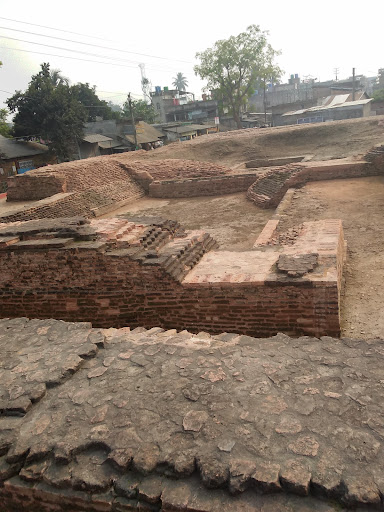
Chandraketugarh first came to ASI’s notice in 1907 when local resident Tarak Nath Ghosh urged the government to investigate the area. Digging of canals would routinely lead to the discovery of tanks and more canals. An ASI official, AH Longhurst, arrived at the spot in 1907 and reported “the ruins are of little or no interest”. It wasn’t until historian Rakhaldas Banerji — the man who discovered the ruins of Mohenjodaro and Harappa — arrived in 1909 and published his impressions in the Bengal monthly, Basumati, in 1920. The Indian government would then announce a few mounds at the site to be protected under the Ancient Monuments Preservation Act 1956-1967. Extensive excavation work was then carried out at Khana Miherer Dhibi, a five-metre high mound at the northeast corner of Berachampa — leading to the discovery of a massive post-Gupta temple complex.

Maps with the survey of India reveal no village by the name of Chandraketugarh. The name is derived from the mythical Hindu king of the medieval period, Chandraketu, who had a conflict with saint Syed Abbas Alias or Pir Gorachand. A mound at the Berachampa village (Deuliya), off the Barasat-Basirhat Road, is called Chandraketur Garh (fort of Chandraketu), which was later compounded as Chandraketugarh.

Another recent archaeological study being conducted by a team from IIT Kharagpur, believes that King Sandrocottus (mentioned by Greek explorer Megasthenes) was not Chandragupta Maurya, but Chandraketu, whose fort Chandraketugarh is in present-day North 24-Parganas — about 35km from Kolkata. Megasthenes visited India in the third century BC, after Alexandar’s invasion of India, and gives a detailed account of what he saw in Indica. He mentions king Sandrocottus as one of the most powerful kings of Gangahriday, the Gangetic delta that spread over the five mouths of the river and was a continuum of a landmass comprising Anga, Banga and Kalinga.

Note :- Legendary Back gorund story

The legend of Khana (A medieval Bengali language poet and legendary astrologer between the ninth and 12th centuries AD, also named Lilavati elsewhere) centers around her association with Chandraketugarh (here, a mound has been discovered amongst ruins with the names of Khana and Mihir associated with it) and that she was the daughter-in-law of the famous astronomer and mathematician, Varāhamihira (505 – 587), also called Varaha or Mihira, a jewel among Chandragupta II Vikramaditya's famed Navaratna sabha.

It is widely believed that Khana was Varahamihira's daughter-in-law, and an accomplished astrologer, becoming thereby a potential threat to Varahamihira's scientific career. However, she exceeded him in the accuracy of her predictions, and at some point, either her husband (or father-in-law) or a hired hand (or possibly Khana herself under great duress) cut off her tongue to silence her prodigious talent.

Site Address: Nurjahan - Hachhibuddin Rd, Berachampa, West Bengal 743424 Founded: 400 BC to 800 BC

Source : Indian...

   Read more

avatar
5.0
2y

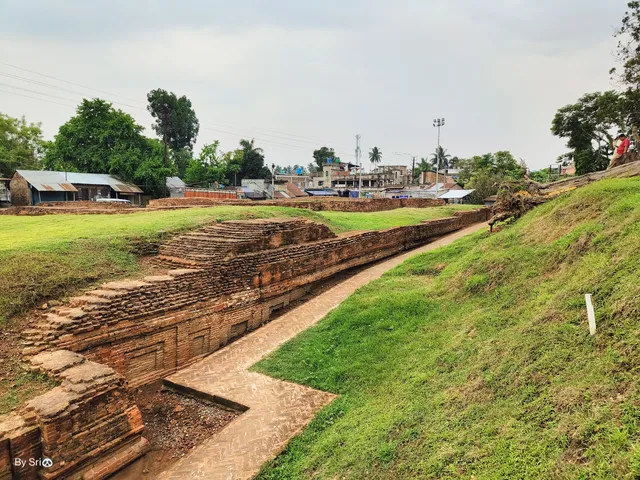
Chandraketu Garh, also known as Chandraketugarh, holds a significant place in the historical landscape of ancient India. Located near present-day Berachampa in West Bengal, India, Chandraketu Garh is an archaeological site that has revealed insights into the rich cultural heritage and historical significance of the region. The origins of Chandraketu Garh can be traced back to the 4th century BCE during the Mauryan Empire, when it served as an important trade center. It was strategically located on the ancient trade route connecting the Gangetic plains with the coastal regions of Bengal. The site's name is believed to be derived from the legendary king Chandraketu, who was associated with the area. Archaeological excavations conducted at Chandraketu Garh have unearthed numerous relics and artifacts, shedding light on its ancient past. The ruins at the site include the remains of a fortified city, with evidence of several structures such as houses, temples, water reservoirs, and streets. The city's fortification was constructed using bricks and stones, indicating the architectural prowess of its builders. One of the most remarkable discoveries at Chandraketu Garh is the presence of a large number of terracotta plaques. These plaques depict various mythological scenes, religious deities, and daily life activities of the ancient inhabitants. They provide valuable insights into the social, cultural, and religious practices of the time. The terracotta plaques found at Chandraketu Garh are known for their artistic finesse and intricate detailing, showcasing the craftsmanship of the artisans of that era. Chandraketu Garh's strategic location made it a melting pot of various cultural influences. The excavation findings indicate the coexistence of multiple cultural and religious traditions, including Hinduism, Buddhism, and Jainism. This suggests that the region was a cosmopolitan center where different religious communities thrived and interacted with each other. The decline of Chandraketu Garh remains shrouded in mystery. The city appears to have experienced multiple phases of prosperity and decline over the centuries. The reasons for its eventual abandonment are still debated among historians. Some theories suggest that the changing course of the rivers, which altered the trade routes, and the emergence of new urban centers in the region might have contributed to its decline. Chandraketu Garh stands as a testament to the vibrant history of ancient India, showcasing the economic, social, and cultural interactions of the time. Its archaeological remains and artifacts provide valuable insights into the lives of the people who once inhabited the region. The site continues to be a subject of ongoing research and exploration, further enriching our understanding of India's ancient past. Visiting Chandraketu Garh today allows one to witness the remnants of a bygone era and appreciate the historical legacy that it represents. The site's preservation and conservation efforts are crucial in ensuring that future generations can continue to explore and learn from this remarkable...

   Read more
Page 1 of 7
Previous
Next

Posts

Arnima BArnima B
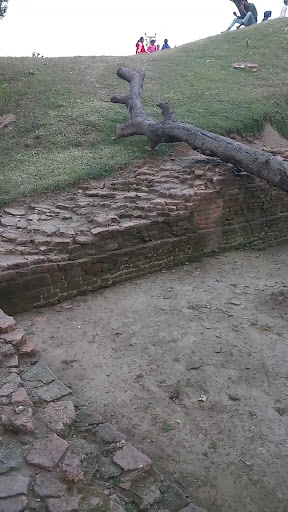
We visited this place in the month of December 2021.The name of this place is derived from the mythical Hindu king of the medieval period, Chandraketu. A mound at the Berachampa village (Deuliya), off the Barasat-Basirhat Road, used to be called Chandraketur Garh (fort of Chandraketu), which was later compounded as Chandraketugarh. It's a 2,500 years old archaeological site located near the Bidyadhari river, about 35 kilometres (22 mi) north-east of Kolkata, in the district of North 24 parganas, near the township of Berachampa and the Harua Road railhead.Once it was an important hub of international maritime trade.According to some historians, the Chandraketugarh place and surrounding area could be the place known to ancient Greek and Roman writers as having the same name as the river Ganges. It's a best place for one day outing. Please visit this place during winter. Anyone who wants to enjoy with his or her family and friends in winter season or if you want to go for picnic then it's a good place for that. You only see excaveted brick structure here.
Altaf HossainAltaf Hossain
It is a historical place, local name Berachapa.It is near taki-road.উত্তর ২৪ পরগনা জেলার একটি অন্যতম দর্শনীয় স্থান #বেড়াচাঁপা_চন্দ্রকেতু_গড় #বেড়াচাঁপা_চন্দ্রকেতুগড় বাংলার গুরুত্বপূর্ণ একটি প্রত্নস্থল। পশ্চিমবঙ্গের উত্তর চব্বিশ পরগনা জেলায় এবং কলকাতা শহর থেকে ৩৫ কিলোমিটার উত্তরপূর্ব দিকে একদা ভাগীরথী নদীর অন্যতম প্রবাহ পদ্মা নদী (বর্তমানে অবলুপ্ত) ও বিদ্যাধরী নদীর কূল ঘেঁষে এর অবস্থান। এখানকার দেগঙ্গা (এটি দেবগঙ্গা, দ্বীপগঙ্গা বা দীর্ঘগঙ্গা নামের অপভ্রংশ) ব্লকের দেবালয়( বেড়াচাঁপা),হাদিপুর,সিংয়ের আটি, প্রভৃতি গ্রামের বিস্তীর্ণ অঞ্চল জুড়ে আছে চন্দ্রকেতুগড়ের চিহ্ন। রাজপথের সমান্তরালে এক প্রবাহিত নদীর (পদ্মা) শুষ্কখাত এখনো দেখা যায়। #আবিষ্কারের_কাহিনী প্রবীন মানুষজনের মধ্যে সঞ্চিত দীর্ঘকালীন কিংবদন্তী এবং দুর্ভেদ্য জঙ্গলাবৃত প্রত্নস্থলটির আশপাশ থেকে প্রাপ্ত প্রত্নবস্তুর উপর নির্ভর করে ১৯০৬ সালে স্থানীয় অধিবাসীরা এবং চিকিৎসক তারকনাথ ঘোষ "আর্কিওলজিক্যাল সার্ভে অব ইন্ডিয়া"র কাছে প্রত্নতাত্ত্বিক পরিদর্শনের আবেদনপত্র পেশ করেন। তাঁর আবেদনে সাড়া দিয়ে ভারতীয় পুরাতত্ত্ব সর্বেক্ষণের পূর্বাঞ্চল শাখার সুপারিটেন্ডেন্ট মিস্টার লঙহার্স্ট পরিদর্শনে এলেও তিনি এখানকার গুরুত্ব আবিষ্কার করতে অসমর্থ হন। এরপর, ১৯০৭ সালে বঙ্গীয় সাহিত্য পরিষদের প্রথম সম্পাদক ও পুরাবিদ নৃপেন্দ্রনাথ বসু এবং ১৯০৯ সালে খ্যাতনামা প্রত্নতত্ত্ববিদ রাখালদাস বন্দ্যোপাধ্যায় স্থানটি পরিদর্শন করেন। রাখালদাসই সর্বপ্রথম চন্দ্রকেতুগড়ের প্রাচীনত্ব ও গুরুত্ব সম্যকভাবে উপলব্ধি করে এই প্রত্নস্থল সম্বন্ধে বিজ্ঞানসম্মত বিশ্লেষণ ও ব্যাখ্যা দেন। কিন্তু, সেসময় কিছু মূল্যবান প্রত্নবস্তু পাওয়া গেলেও কোনো উৎখনন সংঘটিত হয়নি৷ ১৯২২-২৩ সালের ভারতীয় পুরাতত্ত্ব সর্বেক্ষণের বার্ষিক প্রতিবেদনে কাশীনাথ দীক্ষিত লেখেন, "চন্দ্রকেতুগড় বাংলার প্রাচীনতম জনবসতিগুলির অন্যতম।" প্রত্নস্থলটিতে বিভিন্ন সময়ে একাধিকবার উৎখনন পরিচালিত হয়েছে। উৎখননে প্রাপ্ত প্রত্নসামগ্রী চন্দ্রকেতুগড়ের প্রাচীনত্ব ও প্রত্নতাত্ত্বিক গুরুত্ব প্রমাণ করে। এখানকার নিদর্শনাবলির প্রধান অংশ কলকাতার আশুতোষ সংগ্রহশালা ও প্রত্নতাত্ত্বিক জাদুঘর,ও বেড়াচাঁপা চন্দ্রকেতুগড় শহীদুল্লাহ স্মৃতি মহাবিদ্যালয়ে সংরক্ষিত রয়েছে। এছাড়া বেশ কিছু নিদর্শন ও সমস্ত গ্রাম, শহর এবং শহরের বাইরে ব্যক্তিগত সংগ্রহেও রয়েছে। চন্দ্রকেতুগড়ে প্রাপ্ত পঞ্চচূড় অপ্সরা, নগরশ্রেষ্ঠীর ও গজদন্ত শিল্প ইউরোপ ও মার্কিন যুক্তরাষ্ট্রের নামি সংগ্রহালয়ে রয়েছে। #বিস্তীর্ণ_অঞ্চল প্রত্নস্থলটিতে বর্তমানে দেবালয়, হাদীপুর, বেড়াচাঁপা, দেবালয়, শানপুকুর, ঝিক্‌রা গ্রামের বিস্তৃত এলাকা জুড়ে প্রাচীন নগর-বসতির চিহ্ন পাওয়া যায়। মাটির তৈরি বিশাল দুর্গপ্রাচীর প্রত্নস্থলটির মূল কেন্দ্র ঘিরে আছে; যা আকৃতিতে আয়তাকার এবং মোটামুটিভাবে এক বর্গমাইল এলাকা জুড়ে বিস্তৃত। মাটির তৈরি এই দুর্গপ্রাচীরের অভ্যন্তরেই চন্দ্রকেতুগড়, খনা-মিহিরের ঢিবি, ইটাখোলা এবং নুনগোলা ইত্যাদি স্থানে খননের মাধ্যমে প্রাচীন ভারতের নগর-সভ্যতার পাঁচটি পৃথক সাংস্কৃতিক স্তর বা পর্বের সন্ধান পাওয়া গেছে। স্থানটির "খনামিহিরের ঢিবি" অংশের সঙ্গে প্রাচীন ভারতীয় রাজা বিক্রমাদিত্যের সভারত্ন বিখ্যাত জ্যোতির্বিদ বরাহমিহির এবং তাঁর পুত্রবধূ খনার নাম যুক্ত; লোকপ্রবাদ যে, এখানেই খনা ও বরাহমিহিরের বাসস্থান ছিল। এছাড়া, এখানে "দেবালয়"-এর রাজা চন্দ্ৰকেতুর নামে একাধিক কিংবদন্তী প্রচলিত আছে। #পথনির্দেশ: শিয়ালদহ হাসনাবাদ ট্রেনে হাড়োয়া রোড রেল স্টেশনে নেমে অটোযোগে বেড়াচাঁপা চন্দ্রকেতুগড়। বারাসাত বসিরহাট টাকী রোডে সড়কপথে বেড়াচাঁপা চন্দ্রকেতুগড়। তথ্যসূত্র: উইকিপিডিয়া ও স্থানীয় জনশ্রুতি।
somdatta mazumdarsomdatta mazumdar
Chandraketugarh was discovered by accident during construction work of adjacent roads. The artefacts that surfaced caught the attention of archaeologist Dr Tarak Nath Ghosh back in 1905. Archaeologist Dr Rakhaldas Banerji himself is said to have visited the site in 1909. In 1955, initiative was taken by historians and archaeologists of Ashutosh Museum of Art, Calcutta University to excavate the site. Extensive excavation work was carried out between 1955 and 1967 at Khana Mihirer Dhibi, a five-metre high mound at the northeast corner of Berachampa — leading to the discovery of a massive post-Gupta temple complex. Based on these excavations, it was concluded that Chandraketugarh had been a centre of civilization from the 4th century BCE. The site had been continuously occupied from pre-Mauryan times to the Sunga-Kusana period, followed by the Gupta and the Pala-Sena dynasties in 12th century CE. The site is situated close to the Bidyadhari river.
See more posts
See more posts
hotel
Find your stay

Pet-friendly Hotels in West Bengal

Find a cozy hotel nearby and make it a full experience.

We visited this place in the month of December 2021.The name of this place is derived from the mythical Hindu king of the medieval period, Chandraketu. A mound at the Berachampa village (Deuliya), off the Barasat-Basirhat Road, used to be called Chandraketur Garh (fort of Chandraketu), which was later compounded as Chandraketugarh. It's a 2,500 years old archaeological site located near the Bidyadhari river, about 35 kilometres (22 mi) north-east of Kolkata, in the district of North 24 parganas, near the township of Berachampa and the Harua Road railhead.Once it was an important hub of international maritime trade.According to some historians, the Chandraketugarh place and surrounding area could be the place known to ancient Greek and Roman writers as having the same name as the river Ganges. It's a best place for one day outing. Please visit this place during winter. Anyone who wants to enjoy with his or her family and friends in winter season or if you want to go for picnic then it's a good place for that. You only see excaveted brick structure here.
Arnima B

Arnima B

hotel
Find your stay

Affordable Hotels in West Bengal

Find a cozy hotel nearby and make it a full experience.

Get the Appoverlay
Get the AppOne tap to find yournext favorite spots!
It is a historical place, local name Berachapa.It is near taki-road.উত্তর ২৪ পরগনা জেলার একটি অন্যতম দর্শনীয় স্থান #বেড়াচাঁপা_চন্দ্রকেতু_গড় #বেড়াচাঁপা_চন্দ্রকেতুগড় বাংলার গুরুত্বপূর্ণ একটি প্রত্নস্থল। পশ্চিমবঙ্গের উত্তর চব্বিশ পরগনা জেলায় এবং কলকাতা শহর থেকে ৩৫ কিলোমিটার উত্তরপূর্ব দিকে একদা ভাগীরথী নদীর অন্যতম প্রবাহ পদ্মা নদী (বর্তমানে অবলুপ্ত) ও বিদ্যাধরী নদীর কূল ঘেঁষে এর অবস্থান। এখানকার দেগঙ্গা (এটি দেবগঙ্গা, দ্বীপগঙ্গা বা দীর্ঘগঙ্গা নামের অপভ্রংশ) ব্লকের দেবালয়( বেড়াচাঁপা),হাদিপুর,সিংয়ের আটি, প্রভৃতি গ্রামের বিস্তীর্ণ অঞ্চল জুড়ে আছে চন্দ্রকেতুগড়ের চিহ্ন। রাজপথের সমান্তরালে এক প্রবাহিত নদীর (পদ্মা) শুষ্কখাত এখনো দেখা যায়। #আবিষ্কারের_কাহিনী প্রবীন মানুষজনের মধ্যে সঞ্চিত দীর্ঘকালীন কিংবদন্তী এবং দুর্ভেদ্য জঙ্গলাবৃত প্রত্নস্থলটির আশপাশ থেকে প্রাপ্ত প্রত্নবস্তুর উপর নির্ভর করে ১৯০৬ সালে স্থানীয় অধিবাসীরা এবং চিকিৎসক তারকনাথ ঘোষ "আর্কিওলজিক্যাল সার্ভে অব ইন্ডিয়া"র কাছে প্রত্নতাত্ত্বিক পরিদর্শনের আবেদনপত্র পেশ করেন। তাঁর আবেদনে সাড়া দিয়ে ভারতীয় পুরাতত্ত্ব সর্বেক্ষণের পূর্বাঞ্চল শাখার সুপারিটেন্ডেন্ট মিস্টার লঙহার্স্ট পরিদর্শনে এলেও তিনি এখানকার গুরুত্ব আবিষ্কার করতে অসমর্থ হন। এরপর, ১৯০৭ সালে বঙ্গীয় সাহিত্য পরিষদের প্রথম সম্পাদক ও পুরাবিদ নৃপেন্দ্রনাথ বসু এবং ১৯০৯ সালে খ্যাতনামা প্রত্নতত্ত্ববিদ রাখালদাস বন্দ্যোপাধ্যায় স্থানটি পরিদর্শন করেন। রাখালদাসই সর্বপ্রথম চন্দ্রকেতুগড়ের প্রাচীনত্ব ও গুরুত্ব সম্যকভাবে উপলব্ধি করে এই প্রত্নস্থল সম্বন্ধে বিজ্ঞানসম্মত বিশ্লেষণ ও ব্যাখ্যা দেন। কিন্তু, সেসময় কিছু মূল্যবান প্রত্নবস্তু পাওয়া গেলেও কোনো উৎখনন সংঘটিত হয়নি৷ ১৯২২-২৩ সালের ভারতীয় পুরাতত্ত্ব সর্বেক্ষণের বার্ষিক প্রতিবেদনে কাশীনাথ দীক্ষিত লেখেন, "চন্দ্রকেতুগড় বাংলার প্রাচীনতম জনবসতিগুলির অন্যতম।" প্রত্নস্থলটিতে বিভিন্ন সময়ে একাধিকবার উৎখনন পরিচালিত হয়েছে। উৎখননে প্রাপ্ত প্রত্নসামগ্রী চন্দ্রকেতুগড়ের প্রাচীনত্ব ও প্রত্নতাত্ত্বিক গুরুত্ব প্রমাণ করে। এখানকার নিদর্শনাবলির প্রধান অংশ কলকাতার আশুতোষ সংগ্রহশালা ও প্রত্নতাত্ত্বিক জাদুঘর,ও বেড়াচাঁপা চন্দ্রকেতুগড় শহীদুল্লাহ স্মৃতি মহাবিদ্যালয়ে সংরক্ষিত রয়েছে। এছাড়া বেশ কিছু নিদর্শন ও সমস্ত গ্রাম, শহর এবং শহরের বাইরে ব্যক্তিগত সংগ্রহেও রয়েছে। চন্দ্রকেতুগড়ে প্রাপ্ত পঞ্চচূড় অপ্সরা, নগরশ্রেষ্ঠীর ও গজদন্ত শিল্প ইউরোপ ও মার্কিন যুক্তরাষ্ট্রের নামি সংগ্রহালয়ে রয়েছে। #বিস্তীর্ণ_অঞ্চল প্রত্নস্থলটিতে বর্তমানে দেবালয়, হাদীপুর, বেড়াচাঁপা, দেবালয়, শানপুকুর, ঝিক্‌রা গ্রামের বিস্তৃত এলাকা জুড়ে প্রাচীন নগর-বসতির চিহ্ন পাওয়া যায়। মাটির তৈরি বিশাল দুর্গপ্রাচীর প্রত্নস্থলটির মূল কেন্দ্র ঘিরে আছে; যা আকৃতিতে আয়তাকার এবং মোটামুটিভাবে এক বর্গমাইল এলাকা জুড়ে বিস্তৃত। মাটির তৈরি এই দুর্গপ্রাচীরের অভ্যন্তরেই চন্দ্রকেতুগড়, খনা-মিহিরের ঢিবি, ইটাখোলা এবং নুনগোলা ইত্যাদি স্থানে খননের মাধ্যমে প্রাচীন ভারতের নগর-সভ্যতার পাঁচটি পৃথক সাংস্কৃতিক স্তর বা পর্বের সন্ধান পাওয়া গেছে। স্থানটির "খনামিহিরের ঢিবি" অংশের সঙ্গে প্রাচীন ভারতীয় রাজা বিক্রমাদিত্যের সভারত্ন বিখ্যাত জ্যোতির্বিদ বরাহমিহির এবং তাঁর পুত্রবধূ খনার নাম যুক্ত; লোকপ্রবাদ যে, এখানেই খনা ও বরাহমিহিরের বাসস্থান ছিল। এছাড়া, এখানে "দেবালয়"-এর রাজা চন্দ্ৰকেতুর নামে একাধিক কিংবদন্তী প্রচলিত আছে। #পথনির্দেশ: শিয়ালদহ হাসনাবাদ ট্রেনে হাড়োয়া রোড রেল স্টেশনে নেমে অটোযোগে বেড়াচাঁপা চন্দ্রকেতুগড়। বারাসাত বসিরহাট টাকী রোডে সড়কপথে বেড়াচাঁপা চন্দ্রকেতুগড়। তথ্যসূত্র: উইকিপিডিয়া ও স্থানীয় জনশ্রুতি।
Altaf Hossain

Altaf Hossain

hotel
Find your stay

The Coolest Hotels You Haven't Heard Of (Yet)

Find a cozy hotel nearby and make it a full experience.

hotel
Find your stay

Trending Stays Worth the Hype in West Bengal

Find a cozy hotel nearby and make it a full experience.

Chandraketugarh was discovered by accident during construction work of adjacent roads. The artefacts that surfaced caught the attention of archaeologist Dr Tarak Nath Ghosh back in 1905. Archaeologist Dr Rakhaldas Banerji himself is said to have visited the site in 1909. In 1955, initiative was taken by historians and archaeologists of Ashutosh Museum of Art, Calcutta University to excavate the site. Extensive excavation work was carried out between 1955 and 1967 at Khana Mihirer Dhibi, a five-metre high mound at the northeast corner of Berachampa — leading to the discovery of a massive post-Gupta temple complex. Based on these excavations, it was concluded that Chandraketugarh had been a centre of civilization from the 4th century BCE. The site had been continuously occupied from pre-Mauryan times to the Sunga-Kusana period, followed by the Gupta and the Pala-Sena dynasties in 12th century CE. The site is situated close to the Bidyadhari river.
somdatta mazumdar

somdatta mazumdar

See more posts
See more posts