Dali Monastery: A Serene Sanctuary of Tibetan Buddhism
Located in the breathtaking Kangra Valley of Himachal Pradesh, India, Dali Monastery stands as a testament to the spiritual and cultural heritage of Tibetan Buddhism. Nestled amidst the picturesque surroundings of the Dhauladhar Range, this serene sanctuary offers a tranquil refuge for seekers of inner peace and spiritual solace.
Dali Monastery, also known as the Drukpa Kagyu Monastery, was established in the 14th century by the Tibetan saint and scholar, Tsangpa Gyare Yeshe Dorje. The monastery belongs to the Drukpa Lineage, one of the major schools of Tibetan Buddhism, and it serves as an important center for religious teachings, rituals, and retreats.
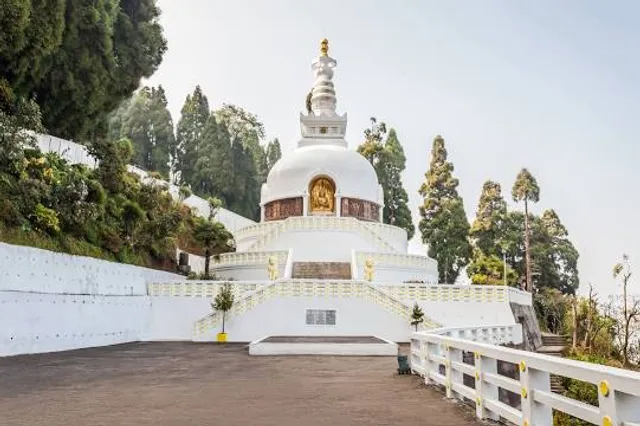
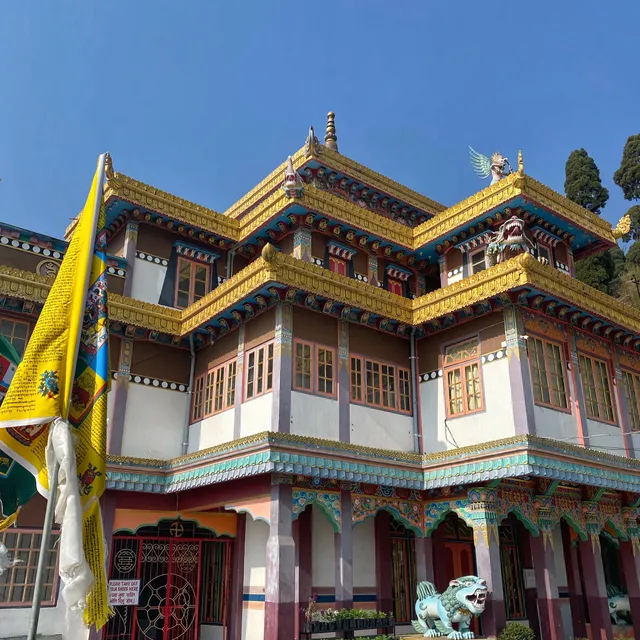
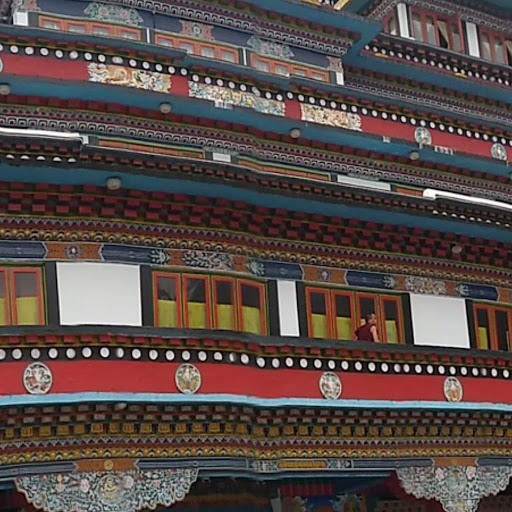
As one approaches Dali Monastery, the sight of its magnificent architecture and vibrant prayer flags dancing in the wind evokes a sense of awe and reverence. The monastery is adorned with intricate Tibetan-style murals, colorful frescoes, and ornate woodwork, showcasing the artistic mastery of Tibetan craftsmanship.
The main prayer hall of Dali Monastery, known as the Tsuglagkhang, is a sacred space where devotees gather for prayer, meditation, and religious ceremonies. Inside the hall, the atmosphere is filled with the soothing chants of monks and the fragrance of incense, creating an ambiance conducive to contemplation and spiritual reflection.
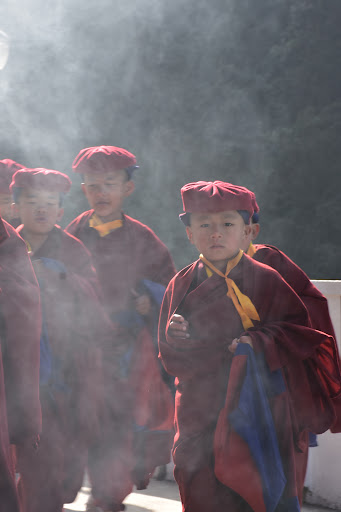
The monastery houses a vast collection of Buddhist scriptures, ancient manuscripts, and religious artifacts, preserving the wisdom and teachings of Tibetan Buddhism. It serves as an important educational center, where young monks receive rigorous training in Buddhist philosophy, rituals, and meditation practices.
A visit to Dali Monastery offers a profound spiritual experience and a chance to witness the daily rituals and traditions of Tibetan Buddhism. Observing the monks engaged in prayer, studying scriptures, and performing intricate rituals provides a glimpse into their devoted way of life and deep-rooted spirituality.
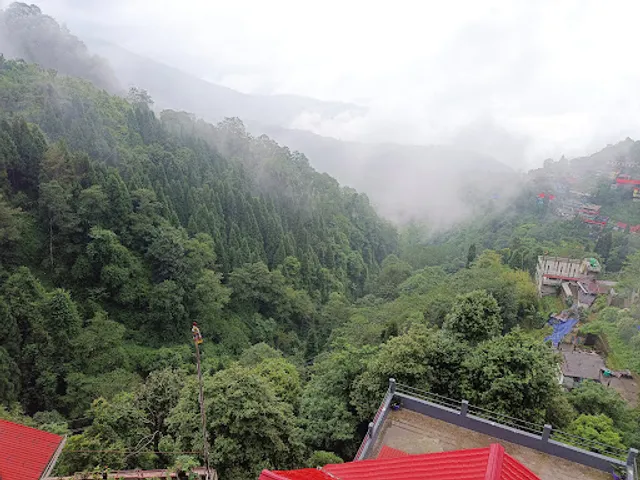
Surrounded by the serene beauty of nature, Dali Monastery also offers breathtaking views of the Kangra Valley and the snow-capped peaks of the Himalayas. The peacefulness of the surroundings creates a harmonious blend with the monastery's spiritual ambiance, providing a perfect setting for introspection and inner exploration.
Dali Monastery holds several festivals and religious ceremonies throughout the year, drawing devotees and travelers from far and wide. These vibrant celebrations, with colorful masked dances, music, and traditional rituals, offer a unique opportunity to witness the rich cultural heritage of Tibetan Buddhism.
In conclusion, Dali Monastery is not just a physical structure but a spiritual haven that transports visitors into a world of peace, tranquility, and profound wisdom. It serves as a bridge between the ancient traditions of Tibetan Buddhism and the modern world, offering solace, inspiration, and a deeper understanding of the spiritual path. A visit to Dali Monastery is an enriching journey that nourishes the soul and leaves a lasting impression of serenity...
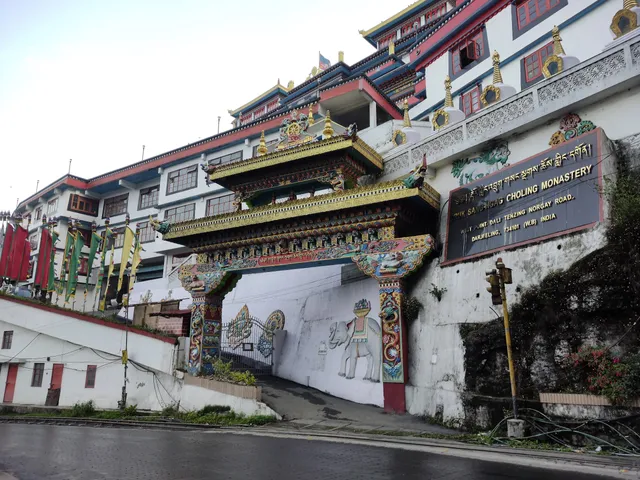
Read moreLocated in Dali which is about 5km away from Darjeeling Town, although this monastery is popularly known as the Dali Monastery, it's actual name is Druk Sangag Choling Monastery. This is the name which is prominently written on its outside wall as you approach it from the road and walk through its arch gate.
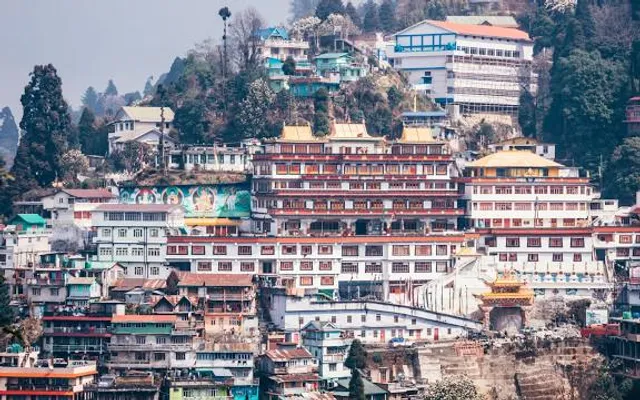
When you look at the monastery from a little distance standing on the Hill Cart Road, it looks awesome. Its one of the largest monasteries with white buildings built in typical Tibetan style and perched on a steep hill.
The monastery was originally built at the time of Kyabje Thuksey Rinpoche in 1971. He was a well known religious Tibetan teacher. Dali Monastery belongs to the Kargyupa sect. Today it is the head quarters and residence of Drukchen Rimpoche the XII, who is the supreme head of the Kargyupa sect of Buddhists.
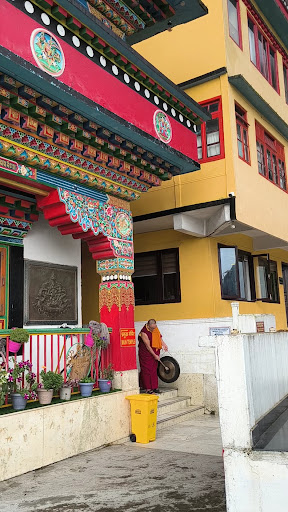
As you enter through the arch gate and walk up along the ramp, you will be awestruck with the structure of the buildings. Soon you will need to climb flights of many steep stairs. On the way you will see a prayer room on your right. There are several huge cylindrical golden colored drums on one side of the room. During prayer time monks sit in front of the drums and offer prayers. The chants and humming sound creates a wonderful spiritual
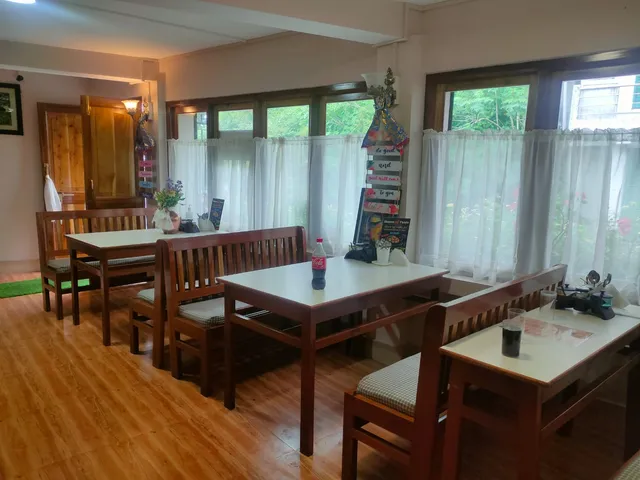
Walk further up and you will reach a large flat open area. There is a school inside and you may see many students in their school uniform with bags are walking in. If you walk towards the right of this large open terrace area, you will reach a Cafe called the Kunga Paljor Coffee Shop.
If you have time and like to relax in a quiet and peaceful ambience while sipping a cup of coffee or tea, this is an ideal place. It serves tea, coffee and vegetarian snack items like momos (dumplings), idly (South Indian rice cakes), chana, potato chips etc. and also cold drinks. On one side there are some books and magazines kept so that you can do some reading about Darjeeling and the Tibetan culture as well. A great place to relax and enjoy a quiet time in a religious environ If there is anything that may be annoying one here that would be the few dogs. They seem to be the pets of the monks and move around freely and even enter the cafe area. Although they are harmless, they look quite frightening anyway.
Dali Monastery has many monks and disciples who are resident here. There are over 200 monks now in the monastery. So you will see them every where in the premises. During 1993 Dalali Lama once came here and stayed for three days teaching the in-depth principles of Tibetan religion and culture to the students and disciples.
Watch the video of Dali Monastery
Open Hours
Dali Monastery is open daily from early morning until evening.
The prayer timings are from 5am until 6:30am, and 5pm until 6:30pm.
Location
Dali Monastery is located some 5kms (3 miles) away from Darjeeling Town center. It is on the Hill Cart Road perched on a hill and will be to your left as you approach from the Darjeeling town. Check out Darjeeling Map to see the location of...
Read moreDali Monastery, also known as the Drukpa Kagyud Gontse Monastery, is a serene and spiritual retreat located about 8 kilometers from Darjeeling, nestled in the peaceful hills of the region. This monastery, which is one of the largest in the area, offers not only a deep sense of tranquility but also a rich cultural and historical experience for those who visit. The monastery is beautifully positioned, offering stunning views of the surrounding tea gardens, rolling hills, and distant snow-capped peaks, including Kanchenjunga, making it an excellent spot for nature lovers and photography enthusiasts.
The architecture of Dali Monastery is striking, featuring traditional Tibetan-style design with vibrant colors, intricate carvings, and large prayer wheels. The main temple houses a massive statue of Guru Rinpoche, also known as Padmasambhava, who is considered a highly revered figure in Tibetan Buddhism. The peaceful environment, coupled with the gentle sound of chanting and the soft whir of the prayer wheels, creates an atmosphere that is deeply calming and spiritually enriching.
The monastery grounds are well-kept, and the walk around the temple allows visitors to appreciate the beauty of the surroundings. Visitors can also take part in prayer ceremonies if they time their visit well, adding a meaningful spiritual dimension to their journey. The monks here are friendly and welcoming, offering insight into the practices of Tibetan Buddhism, although communication may be a challenge for non-Tibetan speakers.
Dali Monastery also serves as a place of learning, with a small Buddhist school on the premises, where young monks are taught the philosophies of Buddhism. For those interested in understanding more about Tibetan Buddhist culture, the monastery provides a valuable opportunity to witness daily life and spiritual practices up close.
While Dali Monastery may not be as famous as some of Darjeeling’s more prominent attractions, it’s undoubtedly one of the most peaceful and immersive places to visit in the region. Its serene ambiance, beautiful surroundings, and spiritual energy make it an essential stop for anyone visiting Darjeeling who seeks to connect with the local culture and experience a deeper sense of calm...
Read more