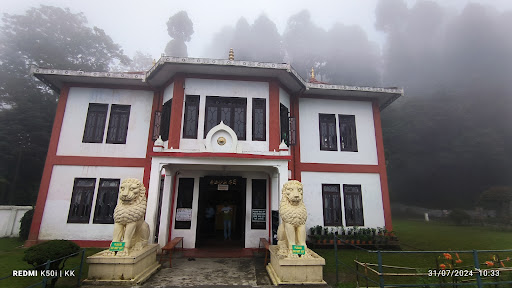
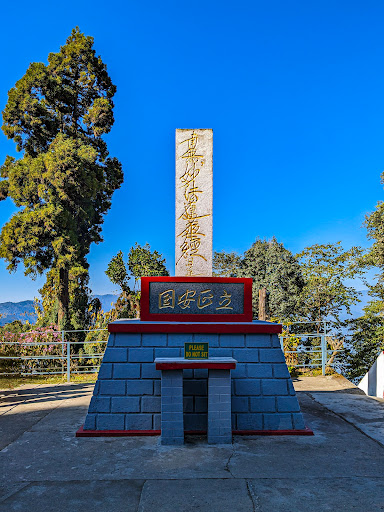
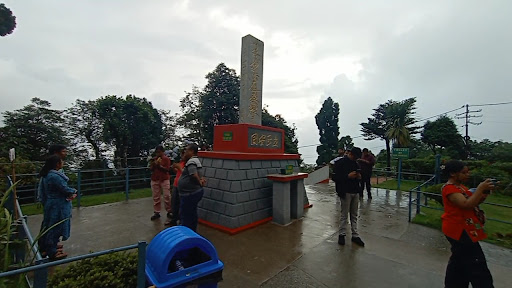
The tranquil Japanese Temple, also known as the Nipponzan Myohoji Buddhist Temple, stands as a symbol of peace and spirituality in the bustling town of Darjeeling. It was built in the traditional Japanese style by Nichidatsu Fujii, a Buddhist monk from Japan who was also the founder of the Nipponzan-Myohoji Buddhist Order. The temple was inaugurated in 1972, aimed at fostering good relations between Japan and India and to honor the memory of two great souls – Jesus Christ and Gautama Buddha.
The Temple's Significance The Japanese Temple serves as a place for practitioners and visitors to meditate and chant, primarily the prayer "Nam Myoho Renge Kyo," which is believed to bring peace to the individual and society as a whole. The temple is adorned with a pagoda and the main sanctum, where a picture of the Lotus Sutra is placed on the altar, signifying the importance of the teachings of Buddha.
Tourism at the Japanese Temple Tourism in Darjeeling is deeply connected to its rich culture and natural beauty, offering visitors a blend of spiritual experiences and scenic landscapes. The Japanese Temple, being an integral part of Darjeeling's spiritual tourism circuit, attracts people from all over the world, looking to immerse themselves in peace and mindfulness amid the Himalayas. The flow of tourists has increased steadily since the temple's inauguration, as it offers a unique cross-cultural experience in the midst of the Indian subcontinent.
Key Attractions for Tourists Peace Pagoda: Next to the temple stands the Peace Pagoda, showcasing four avatars of Buddha. This structure, built under the guidance of Nichidatsu Fujii, is one of the numerous Peace Pagodas around the world, designed to inspire unity among all races and creeds. Meditation Sessions: The temple offers daily meditation sessions, providing spiritual solace and an opportunity to learn about Buddhist practices. Scenic Views: Visitors can also enjoy panoramic views of Darjeeling and the Kanchenjunga range, which adds to the ethereal experience. Latest Tourism Trends Tourism in Darjeeling is continually evolving. Recent trends suggest that tourists are increasingly seeking experiences that are not only recreational but also enriching and educational. There is a greater demand for experiential travel involving interaction with local communities, understanding their customs, and participation in cultural practices. The Japanese Temple capitalizes on these trends by offering guided tours led by monks, cultural events, and meditation retreats. The fusion of Japanese and local cultures at this site represents a unique travel experience that resonates with modern tourists seeking depth in their journeys.
Visiting the Japanese Temple The Japanese Temple is open to visitors throughout the year and is easily accessible from the main town of Darjeeling. Entry is free, and visitors are advised to...
Read moreThe Buddha Temple in Darjeeling, also known as the Peace Pagoda, stands as a serene testament to spirituality, peace, and cultural significance. Nestled amidst the lush greenery of the Himalayan foothills, this remarkable structure tells a captivating story of the past and promises a hopeful future.
The history of the Buddha Temple in Darjeeling dates back to the mid-20th century when it was built by a Japanese monk named Nichidatsu Fujii. His vision was to create a symbol of peace and harmony in a world still reeling from the aftermath of World War II. The temple's construction was completed in 1991, and it stands as one of the 80 Peace Pagodas built across the globe.
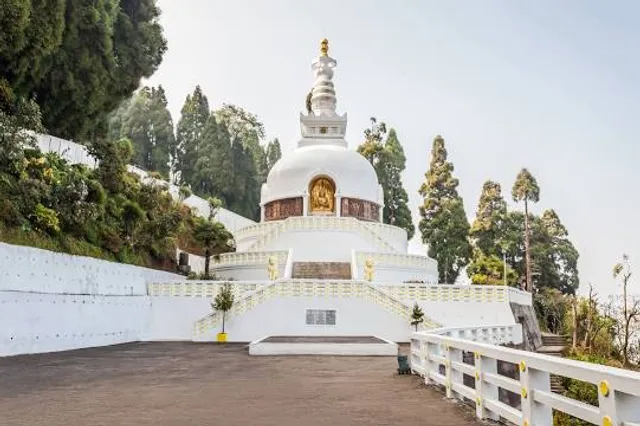
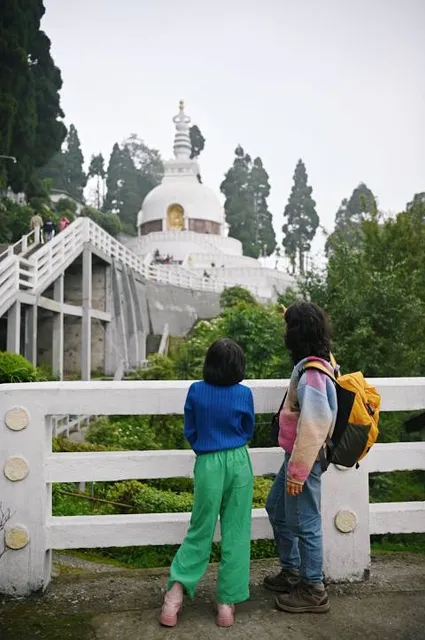
The temple itself is a stunning example of Japanese architecture. It features a towering white stupa adorned with golden statues and intricate carvings, surrounded by beautifully maintained gardens. As you ascend the gentle slope leading to the pagoda, the serene ambiance embraces you, making it a perfect place for meditation and reflection.
From the temple's vantage point, visitors are treated to panoramic views of the majestic Himalayan mountains and the sprawling town of Darjeeling. It's a place where time seems to stand still, and the world's troubles fade into insignificance. Pilgrims and tourists alike come to soak in the spiritual aura and breathtaking scenery.
Looking towards the future, the Buddha Temple in Darjeeling continues to play a vital role in promoting peace and cultural exchange. It serves as a hub for various Buddhist ceremonies and meditation retreats, attracting people from all corners of the world seeking inner solace. The temple also hosts cultural events, fostering a deeper understanding of Buddhism and Japanese traditions.
In an age where conflicts and tensions persist, the Peace Pagoda remains a beacon of hope, reminding us of the importance of harmony and unity among all nations and faiths. As it stands against the backdrop of the Himalayas, it symbolizes the resilience of the human spirit and the possibility of a more peaceful world.
the Buddha Temple in Darjeeling is not just a place of worship but a profound symbol of peace and cultural exchange. Its past is steeped in the noble ideals of its creator, while its future promises to continue spreading the message of tranquility and global unity. A visit to this temple is not only a journey through history but also an opportunity to embrace the enduring vision of a...
Read moreThe Peace Pagoda in Darjeeling is a remarkable symbol of peace, spirituality, and cultural harmony. As a visitor to this iconic structure, I was deeply moved by its tranquil surroundings and the profound message it conveys.
The Peace Pagoda, also known as the Japanese Peace Pagoda, was built to promote peace and non-violence in the world. It stands as a testament to the efforts of Buddhist monks and the local community to foster harmony and understanding among people of different cultures and faiths.
The architectural design of the Peace Pagoda is captivating. Its gleaming white structure, adorned with golden accents, stands tall against the backdrop of the majestic Himalayan mountains. The simplicity and elegance of the pagoda's form inspire a sense of serenity and contemplation.
Inside the pagoda, visitors are greeted by an atmosphere of spirituality. The interior features beautiful statues, intricate paintings, and symbolic representations of Buddhist teachings. It provides a space for quiet reflection and meditation, inviting visitors to find inner peace and harmony.
The pagoda's location offers breathtaking panoramic views of the surrounding landscapes, including the picturesque town of Darjeeling and the snow-capped peaks of the Himalayas. It's a perfect spot to witness stunning sunrises or sunsets while contemplating the beauty and vastness of nature.
The Peace Pagoda also serves as a center for various cultural and religious events. From chanting and meditation sessions to prayer ceremonies, the pagoda brings people together in a spirit of unity and compassion. It serves as a reminder that peace and harmony are essential values that can be embraced by people of all backgrounds.
Visiting the Peace Pagoda in Darjeeling is not only a sightseeing experience but also an opportunity for self-reflection and connection with the principles of peace and non-violence. It offers a serene and uplifting environment, inviting visitors to pause, appreciate the present moment, and strive for a more harmonious world.
In conclusion, the Peace Pagoda in Darjeeling is a place of immense spiritual significance and a beacon of peace. Its captivating architecture, serene ambiance, and panoramic views make it a must-visit destination for travelers seeking tranquility and a deeper understanding of the values of peace...
Read more