HTML SitemapExplore

Dhanyakuria Ballav Bari — Attraction in West Bengal

Name
Dhanyakuria Ballav Bari
Description
Nearby attractions
Gaine Rajbari
Gaine, Rajbari, Dhanyakuria, West Bengal 743437, India
Nearby restaurants
Nearby local services
Nearby hotels
Dhanyakuria Sawoo Rajbari
Patit Chandra, Sawoo Road, Dhanyakuria, West Bengal 743437, India
Related posts
Keywords
Dhanyakuria Ballav Bari tourism.Dhanyakuria Ballav Bari hotels.Dhanyakuria Ballav Bari bed and breakfast. flights to Dhanyakuria Ballav Bari.Dhanyakuria Ballav Bari attractions.Dhanyakuria Ballav Bari restaurants.Dhanyakuria Ballav Bari local services.Dhanyakuria Ballav Bari travel.Dhanyakuria Ballav Bari travel guide.Dhanyakuria Ballav Bari travel blog.Dhanyakuria Ballav Bari pictures.Dhanyakuria Ballav Bari photos.Dhanyakuria Ballav Bari travel tips.Dhanyakuria Ballav Bari maps.Dhanyakuria Ballav Bari things to do.
Dhanyakuria Ballav Bari things to do, attractions, restaurants, events info and trip planning
Dhanyakuria Ballav Bari
IndiaWest BengalDhanyakuria Ballav Bari

Basic Info

Dhanyakuria Ballav Bari

PQ34+9JC, Dhanyakuria-Benepara Rd, Dhanyakuria, West Bengal 743437, India
4.5(317)
Open until 5:00 PM
Save
spot

Ratings & Description

Info

Cultural
Scenic
attractions: Gaine Rajbari, restaurants: , local businesses:
logoLearn more insights from Wanderboat AI.
Open hoursSee all hours
Wed10 AM - 5 PMOpen

Plan your stay

hotel
Pet-friendly Hotels in West Bengal
Find a cozy hotel nearby and make it a full experience.
hotel
Affordable Hotels in West Bengal
Find a cozy hotel nearby and make it a full experience.
hotel
The Coolest Hotels You Haven't Heard Of (Yet)
Find a cozy hotel nearby and make it a full experience.
hotel
Trending Stays Worth the Hype in West Bengal
Find a cozy hotel nearby and make it a full experience.

Reviews

Nearby attractions of Dhanyakuria Ballav Bari

Gaine Rajbari

Gaine Rajbari

Gaine Rajbari

4.5

(112)

Open until 5:00 PM
Click for details
Get the Appoverlay
Get the AppOne tap to find yournext favorite spots!
Wanderboat LogoWanderboat

Your everyday Al companion for getaway ideas

CompanyAbout Us
InformationAI Trip PlannerSitemap
SocialXInstagramTiktokLinkedin
LegalTerms of ServicePrivacy Policy

Get the app

Š 2025 Wanderboat. All rights reserved.

Reviews of Dhanyakuria Ballav Bari

4.5
(317)
avatar
5.0
1y

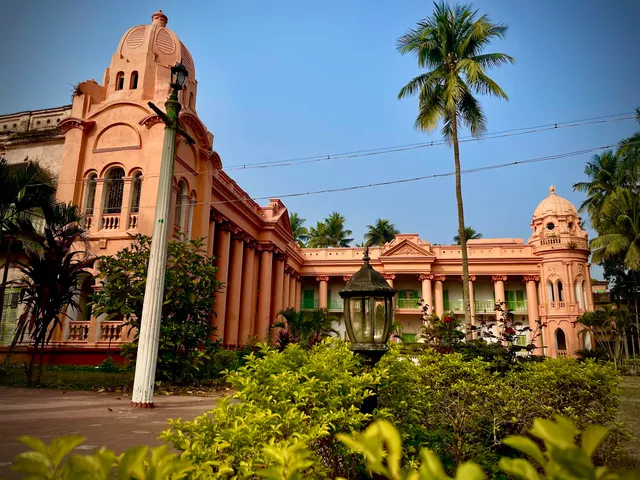
Dhanyakuria, the village of castles and mansions in North 24 Parganas of West Bengal, blends history with magical beauty of a Disney-sque look to give you an experience of a Gothic, English countryside. And it's extremely popular among the tourists for Dhanyakuria Rajbari and other mansions.

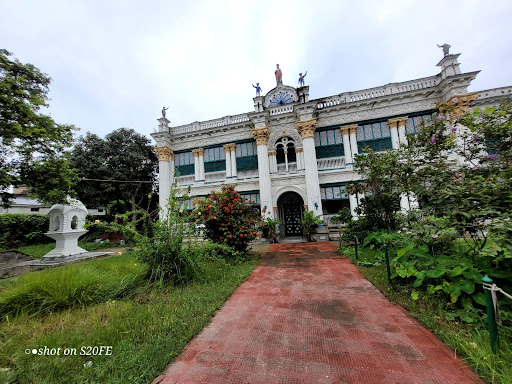
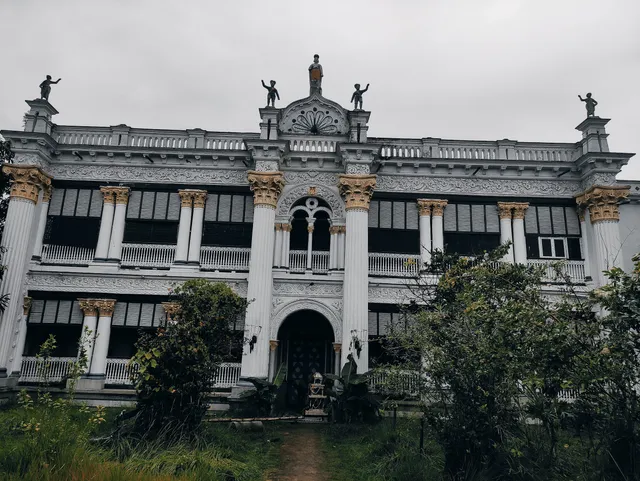
Just around the corner from the Sawoo Mansion lies another famous palatial house, which is almost as popular as the Gaine Rajbari. It's the Mansion of the Ballavs or the Ballav Bari. Built by Shyamacharan Ballav, a member of the renowned Ballav family over 150 years ago, this house also has an extensive lawn in front of it. However, the long blades of grasses stand witness to the fact that this house is also not maintained properly any more. There are a few benches on the lawns where you can sit and rest. There's also a pond inside the boundaries of the Ballav Mansion, which is used by the local people these days. The feature of the Ballav Mansion that makes it stand out is the presence of a few human structures at the top of the house. And these human figures surely appear as large dolls. Some of these figures are those of Royal people, while there are others of Indian guards. There's a design of a peacock right in the middle of the wall guarding the roof. These dolls on the roof have made the house well known among the locals as Putul Bari or the House of Dolls.

There are a couple of outhouses, which were used by the guards to keep an eye on the gates of the Ballav Mansion and stop intruders from entering the premises. Those structures are completely...

   Read more
avatar
5.0
1y

Few wealthy Zamindars (landlords) had settled here creating their own Europe right here in India.

They had the money and they wanted to flaunt it in a very unique way, they built a huge English castle type building at Dhanyakuria which by then was still considered as a part of Sundarbans. In the mid-1800s much of these areas were part of the delta wetlands.

While the British were decking up the city of Calcutta with flamboyant building few rich businessmen decided to set up their fairyland out here in Dhanyakuria. They replicated European style mansions and seamlessly merged them with Indian style architecture. Generally you can...

   Read more
avatar
4.0
3y

āϏāĻžāϰāĻž āĻŦāĻžāĻ‚āϞāĻž āĻœā§ā§œā§‡āχ āĻ›ā§œāĻŋā§Ÿā§‡ āĻ›āĻŋāϟāĻŋā§Ÿā§‡ āĻ°ā§Ÿā§‡āϛ⧇ āφāĻļā§āϚāĻ°ā§āϝ āϏāĻŦ āϐāϤāĻŋāĻšāĻžāϏāĻŋāĻ• āĻ¸ā§āĻĨāĻžāĻĒāĻ¤ā§āϝ āύāĻŋāĻĻāĻ°ā§āĻļāύāĨ¤ āϏ⧇āϰāĻ•āĻŽāχ āĻāĻ•āϟāĻŋ āϐāϤāĻŋāĻšāĻžāϏāĻŋāĻ• āϤ⧀āĻ°ā§āĻĨāĻ­ā§‚āĻŽāĻŋ āĻŦāϏāĻŋāϰāĻšāĻžāĻŸā§‡āϰ āύāĻŋāĻ•āϟāĻŦāĻ°ā§āϤ⧀ āϛ⧋āĻŸā§āϟ āϜāύāĻĒāĻĻ āϧāĻžāĻ¨ā§āϝāĻ•ā§ā§œāĻŋ⧟āĻžāĨ¤

āφāϜ āĻĨ⧇āϕ⧇ āĻĒā§āϰāĻžā§Ÿ āĻĻ⧁āĻļā§‹ āϤāĻŋāϰāĻŋāĻļ āĻŦāĻ›āϰ āφāϗ⧇āϰ āĻ•āĻĨāĻžāĨ¤ āϏ⧁āĻŦāĻŋāĻļāĻžāϞ āĻāχ āϰāĻžāϜāĻŦāĻžā§œāĻŋ āĻŦāĻžāύāĻŋā§Ÿā§‡āĻ›āĻŋāϞ⧇āύ āϧāĻžāĻ¨ā§āϝāĻ•ā§ā§œāĻŋ⧟āĻžāϰ āϜāĻŽāĻŋāĻĻāĻžāϰ āĻŽāĻšā§‡āĻ¨ā§āĻĻā§āϰāύāĻžāĻĨ āĻ—āĻžā§Ÿā§‡āύāĨ¤ āϏ⧇āϏāĻŽā§Ÿ āĻĢ⧁āϞ⧇āĻĢ⧇āρāĻĒ⧇ āωāϠ⧇āĻ›āĻŋāϞ āϤāĻžāρāϰ āĻĒāĻžāĻŸā§‡āϰ āĻŦā§āϝāĻŦāϏāĻžāĨ¤ āĻŽā§‚āϞāϤ āχāĻ‚āϰ⧇āϜāĻĻ⧇āϰ āϏāĻ™ā§āϗ⧇āχ āϚāϞāϤ āϤāĻžāρāϰ āϞ⧇āύāĻĻ⧇āύāĨ¤ āφāϰ āϏ⧇āχ āϏ⧁āĻŦāĻžāĻĻ⧇āχ āωāĻ¤ā§āϤāϰ ⧍ā§Ē āĻĒāϰāĻ—āĻŖāĻžāϰ āĻāχ āĻĒā§āϰāĻžāĻ¨ā§āϤāĻŋāĻ• āĻ…āĻžā§āϚāϞ⧇āĻ“ āύāĻŋāĻ¤ā§āϝāĻĻāĻŋāύ āϞ⧇āϗ⧇ āĻĨāĻžāĻ•āϤ āχāĻ¸ā§āϟ āχāĻ¨ā§āĻĄāĻŋ⧟āĻž āϕ⧋āĻŽā§āĻĒāĻžāύāĻŋāϰ āϏāĻžāĻšā§‡āĻŦāĻĻ⧇āϰ āφāύāĻžāĻ—ā§‹āύāĻžāĨ¤ āϤāĻžāρāĻĻ⧇āϰ āĻŦāĻŋāϞāĻŋāϤāĻŋ āϏāĻ‚āĻ¸ā§āĻ•ā§ƒāϤāĻŋ, āϐāϤāĻŋāĻšā§āϝāϕ⧇ āωāĻ¸ā§āϕ⧇ āĻĻāĻŋāϤ⧇āχ āχāωāϰ⧋āĻĒā§€ā§Ÿ āĻĻ⧁āĻ°ā§āϗ⧇āϰ āφāĻĻāϞ⧇ āĻāχ āϰāĻžāϜāĻŦāĻžā§œāĻŋ āύāĻŋāĻ°ā§āĻŽāĻžāĻŖ āĻ•āϰ⧇āύ āĻŽāĻšā§‡āĻ¨ā§āĻĻā§āϰāύāĻžāĻĨāĨ¤

āĻĒā§āϰāĻžā§Ÿ ā§Šā§Ļ āĻāĻ•āϰ āϜāĻžā§ŸāĻ—āĻžā§Ÿ āĻœā§ā§œā§‡ āĻĻāĻžāρ⧜āĻŋā§Ÿā§‡ āĻĨāĻžāĻ•āĻž āĻāχ āϰāĻžāϜāĻŦāĻžā§œāĻŋāϰ āĻŽāĻ§ā§āϝ⧇āχ āĻ°ā§Ÿā§‡āϛ⧇ āφāĻ¸ā§āϤ āĻāĻ• āĻĒ⧁āĻˇā§āĻ•āϰāĻŋāĻŖā§€, āϝāĻžāϤ⧇ āϰāĻžāϜāĻŦāĻžā§œāĻŋāϰ āĻĒā§āϰāϤāĻŋāĻšā§āĻ›āĻŦāĻŋ āĻāϞāĻŽāϞ āĻ•āϰ⧇ āϏāĻžāϰāĻžāĻĻāĻŋāύāĨ¤ āĻ—ā§‹āϟāĻž āĻĻ⧁āĻ°ā§āĻ—āϟāĻŋāϕ⧇ āϕ⧇āĻ¨ā§āĻĻā§āϰ āĻ•āϰ⧇ āĻ°ā§Ÿā§‡āϛ⧇ āĻŦāĻŋāĻļāĻžāϞ āĻāĻ• āĻŦāĻžāĻ—āĻžāύāĻ“āĨ¤ āĻĻ⧁āĻ°ā§āϗ⧇āϰ āϭ⧇āϤāϰ⧇ āĻĸ⧁āĻ•āϞ⧇āĻ“ āϰ⧀āϤāĻŋāĻŽāϤ⧋ āϚāĻŽāϕ⧇ āϝ⧇āϤ⧇ āĻšāĻŦ⧇āĨ¤ āύāĻžāύāĻž āϧāϰāύ⧇āϰ āĻ­āĻŋāĻ•ā§āĻŸā§‹āϰāĻŋ⧟āĻžāύ āĻ•āĻžāϰ⧁āĻ•āĻžāϜ āĻĨ⧇āϕ⧇ āĻļ⧁āϰ⧁ āĻ•āϰ⧇ āĻ°ā§Ÿā§‡āϛ⧇ āχāϤāĻžāϞāĻŋ⧟ āĻ•āĻžāĻšā§‡āϰ āϤ⧈āϰāĻŋ āφāϏāĻŦāĻžāĻŦāĨ¤ āϝāĻž āĻāĻ• āĻ•āĻĨāĻžā§Ÿ āĻŽāĻ¨ā§āĻ¤ā§āϰāĻŽā§āĻ—ā§āϧāĻ•āϰāĨ¤ āĻ—ā§āϰ⧀āĻˇā§āĻŽāĻ•āĻžāϞ⧇ āĻāχ āϰāĻžāϜāĻŦāĻžā§œāĻŋāϤ⧇ āĻāϏ⧇ āĻ…āύ⧇āĻ• āϏāĻŽā§Ÿāχ āϛ⧁āϟāĻŋ āĻ•āĻžāϟāĻžāϤ⧇āύ āĻŦā§āϰāĻŋāϟāĻŋāĻļ āϏāĻžāĻšā§‡āĻŦāϰāĻžāĨ¤ āϤāĻžāρāĻĻ⧇āϰ āϜāĻ¨ā§āϝ āĻ›āĻŋāϞ āĻĒ⧃āĻĨāĻ• āύāĻšāĻŦāϤāĻ–āĻžāύāĻž, āĻ…āϤāĻŋāĻĨāĻŋāĻļāĻžāϞāĻžāĨ¤ āĻāĻŽāύāĻ•āĻŋ āϏ⧇āϏāĻŽā§Ÿ āĻāχ āϰāĻžāϜāĻŦāĻžā§œāĻŋāϰ āϜāĻ¨ā§āϝ āĻĒ⧃āĻĨāĻ• āϰ⧇āϞ āĻ¸ā§āĻŸā§‡āĻļāύāĻ“ āϤ⧈āϰāĻŋ āĻ•āϰ⧇āĻ›āĻŋāϞ āĻŽāĻžāĻ°ā§āϟāĻŋāύ āϕ⧋āĻŽā§āĻĒāĻžāύāĻŋāĨ¤ 'āĻ—āĻžā§Ÿā§‡āύ āĻ—āĻžāĻ°ā§āĻĄā§‡āύ' āĻŦāĻž āĻ—āĻžāϝāĻŧ⧇āύ āωāĻĻā§āϝāĻžāύ āύāĻžāĻŽā§‡āϰ āϏ⧇āχ āĻ¸ā§āĻŸā§‡āĻļāύ⧇ āĻāϏ⧇ āĻĨāĻžāĻŽāϤ āĻ¨ā§āϝāĻžāϰ⧋ āϗ⧇āĻœā§‡āϰ āϛ⧋āĻŸā§āϟ āĻŦāĻžāĻˇā§āĻĒāϚāĻžāϞāĻŋāϤ āĻŸā§āϰ⧇āύāĨ¤

āĻ•āĻŋāϛ⧁āĻĻāĻŋāύ āφāϗ⧇ āĻĒāĻ°ā§āϝāĻ¨ā§āϤ āĻāχ āĻ—āĻžāϝāĻŧ⧇āύ āωāĻĻā§āϝāĻžāύ āĻŽā§‡āϝāĻŧ⧇āĻĻ⧇āϰ āϏāϰāĻ•āĻžāϰāĻŋ āĻšā§‹āĻŽ āĻšāĻŋāϏ⧇āĻŦ⧇ āĻŦā§āϝāĻŦāĻšāĻžāϰ āĻ•āϰ⧇ āĻāϏ⧇āϛ⧇ āϏāϰāĻ•āĻžāϰāĨ¤ ⧍ā§Ļā§§ā§Ž āϏāĻžāϞ⧇āϰ āĻŽāĻžāĻāĻžāĻŽāĻžāĻāĻŋāϤ⧇ āĻ­āĻ—ā§āύāĻĻāĻļāĻž āĻ•āĻžāϰāϪ⧇ āϤāĻž āϏāϰāĻŋāϝāĻŧ⧇ āύāĻŋāϝāĻŧ⧇ āϝāĻžāĻ“āϝāĻŧāĻž āĻšāϝāĻŧ āĻ…āĻ¨ā§āϝāĻ¤ā§āϰāĨ¤ āϜāĻžāύāĻž āĻ—āĻŋāϝāĻŧ⧇āϛ⧇, ⧧⧝ā§Ŧā§Ļ āϏāĻžāϞ⧇ āϗ⧁āϰ⧁ āĻĻāĻ¤ā§āϤ, āĻ“āϝāĻŧāĻžāĻšāĻŋāĻĻāĻž āϰāĻšāĻŽāĻžāύ āĻāĻŦāĻ‚ āĻŽā§€āύāĻž āϕ⧁āĻŽāĻžāϰ⧀ āĻ…āĻ­āĻŋāύ⧀āϤ ‘āϏāĻžāĻšā§‡āĻŦ āĻŦāĻŋāĻŦāĻŋ āĻ—ā§‹āϞāĻžāĻŽâ€™ āĻ›āĻŦāĻŋāϰ āĻļ⧁āϟāĻŋāĻ‚ āĻšāϝāĻŧ āĻāĻ–āĻžāύ⧇āĨ¤ āĻāĻ›āĻžāĻĄāĻŧāĻžāĻ“ āĻŽāĻšāĻžāύāĻžāϝāĻŧāĻ• āωāĻ¤ā§āϤāĻŽāϕ⧁āĻŽāĻžāϰ āĻ…āĻ­āĻŋāύ⧀āϤ ‘āϏ⧂āĻ°ā§āϝāϤāĻĒāĻžâ€™-āϏāĻš āĻāĻ•āĻžāϧāĻŋāĻ• āϏāĻŋāύ⧇āĻŽāĻžāϰ āĻļ⧁āϟāĻŋāĻ‚ āĻšāϝāĻŧāĨ¤ āĻĒāϰāĻŋāϚāĻžāϞāĻ• āĻ‹āϤ⧁āĻĒāĻ°ā§āĻŖ āĻ˜ā§‹āώ⧇āϰ āĻļ⧇āώ āĻ›āĻŦāĻŋ ‘āϏāĻ¤ā§āϝāĻžāĻ¨ā§āĻŦ⧇āĻˇā§€â€™āϰ āĻļ⧁āϟāĻŋāĻ‚āĻ“ āϧāĻžāĻ¨ā§āϝāϕ⧁āĻĄāĻŧāĻŋ⧟āĻžāϤ⧇ āĻšā§Ÿā§‡āĻ›āĻŋāϞāĨ¤ āĻāĻ›āĻžāĻĄāĻŧāĻžāĻ“ ā§§ā§¯ā§Žā§Ž āϏāĻžāϞ⧇ āĻšāĻŋāω āĻ—ā§āϰāĻžāĻ¨ā§āϟ āĻĒāϰāĻŋāϚāĻžāϞāĻŋāϤ āχāĻ¨ā§āĻĻā§‹-āĻĢāϰāĻžāϏāĻŋ āĻ›āĻŦāĻŋāϰ āĻļ⧁āϟāĻŋāĻ‚āĻ“ āĻšāϝāĻŧ⧇āĻ›āĻŋāϞ āĻŦāϞ⧇ āϜāĻžāύāĻž āĻ—āĻŋā§Ÿā§‡āϛ⧇āĨ¤ āĻāĻ–āĻžāύāĻ•āĻžāϰ āĻŽāĻšāĻŋāϞāĻž āĻĒāϰāĻŋāϚāĻžāϞāĻŋāϤ āϰāĻžāϏ āĻ‰ā§ŽāϏāĻŦāĻ“ āĻŦ⧇āĻļ āϜāύāĻĒā§āϰāĻŋ⧟āĨ¤ āĻŦāĻ°ā§āϤāĻŽāĻžāύ⧇ āĻ—āĻžāϝāĻŧ⧇āύ āĻĒāϰāĻŋāĻŦāĻžāϰ⧇āϰ āωāĻ¤ā§āϤāϰāϏ⧂āϰāĻŋ āĻŽāύ⧋āϜāĻŋā§Ž āĻ—āĻžāϝāĻŧ⧇āύāĨ¤

āĻŦāĻŋāσ āĻĻā§āϰāσ...

   Read more
Page 1 of 7
Previous
Next

Posts

debaaditya mukhopadhyaydebaaditya mukhopadhyay
Dhanyakuria, the village of castles and mansions in North 24 Parganas of West Bengal, blends history with magical beauty of a Disney-sque look to give you an experience of a Gothic, English countryside. And it's extremely popular among the tourists for Dhanyakuria Rajbari and other mansions. Just around the corner from the Sawoo Mansion lies another famous palatial house, which is almost as popular as the Gaine Rajbari. It's the Mansion of the Ballavs or the Ballav Bari. Built by Shyamacharan Ballav, a member of the renowned Ballav family over 150 years ago, this house also has an extensive lawn in front of it. However, the long blades of grasses stand witness to the fact that this house is also not maintained properly any more. There are a few benches on the lawns where you can sit and rest. There's also a pond inside the boundaries of the Ballav Mansion, which is used by the local people these days. The feature of the Ballav Mansion that makes it stand out is the presence of a few human structures at the top of the house. And these human figures surely appear as large dolls. Some of these figures are those of Royal people, while there are others of Indian guards. There's a design of a peacock right in the middle of the wall guarding the roof. These dolls on the roof have made the house well known among the locals as Putul Bari or the House of Dolls. There are a couple of outhouses, which were used by the guards to keep an eye on the gates of the Ballav Mansion and stop intruders from entering the premises. Those structures are completely dilapidated these days.
Raunak GhoshRaunak Ghosh
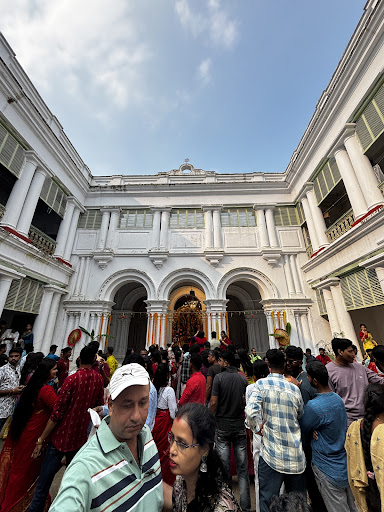
Few wealthy Zamindars (landlords) had settled here creating their own Europe right here in India. They had the money and they wanted to flaunt it in a very unique way, they built a huge English castle type building at Dhanyakuria which by then was still considered as a part of Sundarbans. In the mid-1800s much of these areas were part of the delta wetlands. While the British were decking up the city of Calcutta with flamboyant building few rich businessmen decided to set up their fairyland out here in Dhanyakuria. They replicated European style mansions and seamlessly merged them with Indian style architecture. Generally you can visit During Puja
Ami RajendranAmi Rajendran
āϏāĻžāϰāĻž āĻŦāĻžāĻ‚āϞāĻž āĻœā§ā§œā§‡āχ āĻ›ā§œāĻŋā§Ÿā§‡ āĻ›āĻŋāϟāĻŋā§Ÿā§‡ āĻ°ā§Ÿā§‡āϛ⧇ āφāĻļā§āϚāĻ°ā§āϝ āϏāĻŦ āϐāϤāĻŋāĻšāĻžāϏāĻŋāĻ• āĻ¸ā§āĻĨāĻžāĻĒāĻ¤ā§āϝ āύāĻŋāĻĻāĻ°ā§āĻļāύāĨ¤ āϏ⧇āϰāĻ•āĻŽāχ āĻāĻ•āϟāĻŋ āϐāϤāĻŋāĻšāĻžāϏāĻŋāĻ• āϤ⧀āĻ°ā§āĻĨāĻ­ā§‚āĻŽāĻŋ āĻŦāϏāĻŋāϰāĻšāĻžāĻŸā§‡āϰ āύāĻŋāĻ•āϟāĻŦāĻ°ā§āϤ⧀ āϛ⧋āĻŸā§āϟ āϜāύāĻĒāĻĻ āϧāĻžāĻ¨ā§āϝāĻ•ā§ā§œāĻŋ⧟āĻžāĨ¤ āφāϜ āĻĨ⧇āϕ⧇ āĻĒā§āϰāĻžā§Ÿ āĻĻ⧁āĻļā§‹ āϤāĻŋāϰāĻŋāĻļ āĻŦāĻ›āϰ āφāϗ⧇āϰ āĻ•āĻĨāĻžāĨ¤ āϏ⧁āĻŦāĻŋāĻļāĻžāϞ āĻāχ āϰāĻžāϜāĻŦāĻžā§œāĻŋ āĻŦāĻžāύāĻŋā§Ÿā§‡āĻ›āĻŋāϞ⧇āύ āϧāĻžāĻ¨ā§āϝāĻ•ā§ā§œāĻŋ⧟āĻžāϰ āϜāĻŽāĻŋāĻĻāĻžāϰ āĻŽāĻšā§‡āĻ¨ā§āĻĻā§āϰāύāĻžāĻĨ āĻ—āĻžā§Ÿā§‡āύāĨ¤ āϏ⧇āϏāĻŽā§Ÿ āĻĢ⧁āϞ⧇āĻĢ⧇āρāĻĒ⧇ āωāϠ⧇āĻ›āĻŋāϞ āϤāĻžāρāϰ āĻĒāĻžāĻŸā§‡āϰ āĻŦā§āϝāĻŦāϏāĻžāĨ¤ āĻŽā§‚āϞāϤ āχāĻ‚āϰ⧇āϜāĻĻ⧇āϰ āϏāĻ™ā§āϗ⧇āχ āϚāϞāϤ āϤāĻžāρāϰ āϞ⧇āύāĻĻ⧇āύāĨ¤ āφāϰ āϏ⧇āχ āϏ⧁āĻŦāĻžāĻĻ⧇āχ āωāĻ¤ā§āϤāϰ ⧍ā§Ē āĻĒāϰāĻ—āĻŖāĻžāϰ āĻāχ āĻĒā§āϰāĻžāĻ¨ā§āϤāĻŋāĻ• āĻ…āĻžā§āϚāϞ⧇āĻ“ āύāĻŋāĻ¤ā§āϝāĻĻāĻŋāύ āϞ⧇āϗ⧇ āĻĨāĻžāĻ•āϤ āχāĻ¸ā§āϟ āχāĻ¨ā§āĻĄāĻŋ⧟āĻž āϕ⧋āĻŽā§āĻĒāĻžāύāĻŋāϰ āϏāĻžāĻšā§‡āĻŦāĻĻ⧇āϰ āφāύāĻžāĻ—ā§‹āύāĻžāĨ¤ āϤāĻžāρāĻĻ⧇āϰ āĻŦāĻŋāϞāĻŋāϤāĻŋ āϏāĻ‚āĻ¸ā§āĻ•ā§ƒāϤāĻŋ, āϐāϤāĻŋāĻšā§āϝāϕ⧇ āωāĻ¸ā§āϕ⧇ āĻĻāĻŋāϤ⧇āχ āχāωāϰ⧋āĻĒā§€ā§Ÿ āĻĻ⧁āĻ°ā§āϗ⧇āϰ āφāĻĻāϞ⧇ āĻāχ āϰāĻžāϜāĻŦāĻžā§œāĻŋ āύāĻŋāĻ°ā§āĻŽāĻžāĻŖ āĻ•āϰ⧇āύ āĻŽāĻšā§‡āĻ¨ā§āĻĻā§āϰāύāĻžāĻĨāĨ¤ āĻĒā§āϰāĻžā§Ÿ ā§Šā§Ļ āĻāĻ•āϰ āϜāĻžā§ŸāĻ—āĻžā§Ÿ āĻœā§ā§œā§‡ āĻĻāĻžāρ⧜āĻŋā§Ÿā§‡ āĻĨāĻžāĻ•āĻž āĻāχ āϰāĻžāϜāĻŦāĻžā§œāĻŋāϰ āĻŽāĻ§ā§āϝ⧇āχ āĻ°ā§Ÿā§‡āϛ⧇ āφāĻ¸ā§āϤ āĻāĻ• āĻĒ⧁āĻˇā§āĻ•āϰāĻŋāĻŖā§€, āϝāĻžāϤ⧇ āϰāĻžāϜāĻŦāĻžā§œāĻŋāϰ āĻĒā§āϰāϤāĻŋāĻšā§āĻ›āĻŦāĻŋ āĻāϞāĻŽāϞ āĻ•āϰ⧇ āϏāĻžāϰāĻžāĻĻāĻŋāύāĨ¤ āĻ—ā§‹āϟāĻž āĻĻ⧁āĻ°ā§āĻ—āϟāĻŋāϕ⧇ āϕ⧇āĻ¨ā§āĻĻā§āϰ āĻ•āϰ⧇ āĻ°ā§Ÿā§‡āϛ⧇ āĻŦāĻŋāĻļāĻžāϞ āĻāĻ• āĻŦāĻžāĻ—āĻžāύāĻ“āĨ¤ āĻĻ⧁āĻ°ā§āϗ⧇āϰ āϭ⧇āϤāϰ⧇ āĻĸ⧁āĻ•āϞ⧇āĻ“ āϰ⧀āϤāĻŋāĻŽāϤ⧋ āϚāĻŽāϕ⧇ āϝ⧇āϤ⧇ āĻšāĻŦ⧇āĨ¤ āύāĻžāύāĻž āϧāϰāύ⧇āϰ āĻ­āĻŋāĻ•ā§āĻŸā§‹āϰāĻŋ⧟āĻžāύ āĻ•āĻžāϰ⧁āĻ•āĻžāϜ āĻĨ⧇āϕ⧇ āĻļ⧁āϰ⧁ āĻ•āϰ⧇ āĻ°ā§Ÿā§‡āϛ⧇ āχāϤāĻžāϞāĻŋ⧟ āĻ•āĻžāĻšā§‡āϰ āϤ⧈āϰāĻŋ āφāϏāĻŦāĻžāĻŦāĨ¤ āϝāĻž āĻāĻ• āĻ•āĻĨāĻžā§Ÿ āĻŽāĻ¨ā§āĻ¤ā§āϰāĻŽā§āĻ—ā§āϧāĻ•āϰāĨ¤ āĻ—ā§āϰ⧀āĻˇā§āĻŽāĻ•āĻžāϞ⧇ āĻāχ āϰāĻžāϜāĻŦāĻžā§œāĻŋāϤ⧇ āĻāϏ⧇ āĻ…āύ⧇āĻ• āϏāĻŽā§Ÿāχ āϛ⧁āϟāĻŋ āĻ•āĻžāϟāĻžāϤ⧇āύ āĻŦā§āϰāĻŋāϟāĻŋāĻļ āϏāĻžāĻšā§‡āĻŦāϰāĻžāĨ¤ āϤāĻžāρāĻĻ⧇āϰ āϜāĻ¨ā§āϝ āĻ›āĻŋāϞ āĻĒ⧃āĻĨāĻ• āύāĻšāĻŦāϤāĻ–āĻžāύāĻž, āĻ…āϤāĻŋāĻĨāĻŋāĻļāĻžāϞāĻžāĨ¤ āĻāĻŽāύāĻ•āĻŋ āϏ⧇āϏāĻŽā§Ÿ āĻāχ āϰāĻžāϜāĻŦāĻžā§œāĻŋāϰ āϜāĻ¨ā§āϝ āĻĒ⧃āĻĨāĻ• āϰ⧇āϞ āĻ¸ā§āĻŸā§‡āĻļāύāĻ“ āϤ⧈āϰāĻŋ āĻ•āϰ⧇āĻ›āĻŋāϞ āĻŽāĻžāĻ°ā§āϟāĻŋāύ āϕ⧋āĻŽā§āĻĒāĻžāύāĻŋāĨ¤ 'āĻ—āĻžā§Ÿā§‡āύ āĻ—āĻžāĻ°ā§āĻĄā§‡āύ' āĻŦāĻž āĻ—āĻžāϝāĻŧ⧇āύ āωāĻĻā§āϝāĻžāύ āύāĻžāĻŽā§‡āϰ āϏ⧇āχ āĻ¸ā§āĻŸā§‡āĻļāύ⧇ āĻāϏ⧇ āĻĨāĻžāĻŽāϤ āĻ¨ā§āϝāĻžāϰ⧋ āϗ⧇āĻœā§‡āϰ āϛ⧋āĻŸā§āϟ āĻŦāĻžāĻˇā§āĻĒāϚāĻžāϞāĻŋāϤ āĻŸā§āϰ⧇āύāĨ¤ āĻ•āĻŋāϛ⧁āĻĻāĻŋāύ āφāϗ⧇ āĻĒāĻ°ā§āϝāĻ¨ā§āϤ āĻāχ āĻ—āĻžāϝāĻŧ⧇āύ āωāĻĻā§āϝāĻžāύ āĻŽā§‡āϝāĻŧ⧇āĻĻ⧇āϰ āϏāϰāĻ•āĻžāϰāĻŋ āĻšā§‹āĻŽ āĻšāĻŋāϏ⧇āĻŦ⧇ āĻŦā§āϝāĻŦāĻšāĻžāϰ āĻ•āϰ⧇ āĻāϏ⧇āϛ⧇ āϏāϰāĻ•āĻžāϰāĨ¤ ⧍ā§Ļā§§ā§Ž āϏāĻžāϞ⧇āϰ āĻŽāĻžāĻāĻžāĻŽāĻžāĻāĻŋāϤ⧇ āĻ­āĻ—ā§āύāĻĻāĻļāĻž āĻ•āĻžāϰāϪ⧇ āϤāĻž āϏāϰāĻŋāϝāĻŧ⧇ āύāĻŋāϝāĻŧ⧇ āϝāĻžāĻ“āϝāĻŧāĻž āĻšāϝāĻŧ āĻ…āĻ¨ā§āϝāĻ¤ā§āϰāĨ¤ āϜāĻžāύāĻž āĻ—āĻŋāϝāĻŧ⧇āϛ⧇, ⧧⧝ā§Ŧā§Ļ āϏāĻžāϞ⧇ āϗ⧁āϰ⧁ āĻĻāĻ¤ā§āϤ, āĻ“āϝāĻŧāĻžāĻšāĻŋāĻĻāĻž āϰāĻšāĻŽāĻžāύ āĻāĻŦāĻ‚ āĻŽā§€āύāĻž āϕ⧁āĻŽāĻžāϰ⧀ āĻ…āĻ­āĻŋāύ⧀āϤ ‘āϏāĻžāĻšā§‡āĻŦ āĻŦāĻŋāĻŦāĻŋ āĻ—ā§‹āϞāĻžāĻŽâ€™ āĻ›āĻŦāĻŋāϰ āĻļ⧁āϟāĻŋāĻ‚ āĻšāϝāĻŧ āĻāĻ–āĻžāύ⧇āĨ¤ āĻāĻ›āĻžāĻĄāĻŧāĻžāĻ“ āĻŽāĻšāĻžāύāĻžāϝāĻŧāĻ• āωāĻ¤ā§āϤāĻŽāϕ⧁āĻŽāĻžāϰ āĻ…āĻ­āĻŋāύ⧀āϤ ‘āϏ⧂āĻ°ā§āϝāϤāĻĒāĻžâ€™-āϏāĻš āĻāĻ•āĻžāϧāĻŋāĻ• āϏāĻŋāύ⧇āĻŽāĻžāϰ āĻļ⧁āϟāĻŋāĻ‚ āĻšāϝāĻŧāĨ¤ āĻĒāϰāĻŋāϚāĻžāϞāĻ• āĻ‹āϤ⧁āĻĒāĻ°ā§āĻŖ āĻ˜ā§‹āώ⧇āϰ āĻļ⧇āώ āĻ›āĻŦāĻŋ ‘āϏāĻ¤ā§āϝāĻžāĻ¨ā§āĻŦ⧇āĻˇā§€â€™āϰ āĻļ⧁āϟāĻŋāĻ‚āĻ“ āϧāĻžāĻ¨ā§āϝāϕ⧁āĻĄāĻŧāĻŋ⧟āĻžāϤ⧇ āĻšā§Ÿā§‡āĻ›āĻŋāϞāĨ¤ āĻāĻ›āĻžāĻĄāĻŧāĻžāĻ“ ā§§ā§¯ā§Žā§Ž āϏāĻžāϞ⧇ āĻšāĻŋāω āĻ—ā§āϰāĻžāĻ¨ā§āϟ āĻĒāϰāĻŋāϚāĻžāϞāĻŋāϤ āχāĻ¨ā§āĻĻā§‹-āĻĢāϰāĻžāϏāĻŋ āĻ›āĻŦāĻŋāϰ āĻļ⧁āϟāĻŋāĻ‚āĻ“ āĻšāϝāĻŧ⧇āĻ›āĻŋāϞ āĻŦāϞ⧇ āϜāĻžāύāĻž āĻ—āĻŋā§Ÿā§‡āϛ⧇āĨ¤ āĻāĻ–āĻžāύāĻ•āĻžāϰ āĻŽāĻšāĻŋāϞāĻž āĻĒāϰāĻŋāϚāĻžāϞāĻŋāϤ āϰāĻžāϏ āĻ‰ā§ŽāϏāĻŦāĻ“ āĻŦ⧇āĻļ āϜāύāĻĒā§āϰāĻŋ⧟āĨ¤ āĻŦāĻ°ā§āϤāĻŽāĻžāύ⧇ āĻ—āĻžāϝāĻŧ⧇āύ āĻĒāϰāĻŋāĻŦāĻžāϰ⧇āϰ āωāĻ¤ā§āϤāϰāϏ⧂āϰāĻŋ āĻŽāύ⧋āϜāĻŋā§Ž āĻ—āĻžāϝāĻŧ⧇āύāĨ¤ āĻŦāĻŋāσ āĻĻā§āϰāσ (āϏāĻ‚āĻ—ā§ƒāĻšā§€āϤ) āĻ›āĻŦāĻŋāσ āύāĻŋāϜāĻ¸ā§āĻŦāĨ¤
See more posts
See more posts
hotel
Find your stay

Pet-friendly Hotels in West Bengal

Find a cozy hotel nearby and make it a full experience.

Dhanyakuria, the village of castles and mansions in North 24 Parganas of West Bengal, blends history with magical beauty of a Disney-sque look to give you an experience of a Gothic, English countryside. And it's extremely popular among the tourists for Dhanyakuria Rajbari and other mansions. Just around the corner from the Sawoo Mansion lies another famous palatial house, which is almost as popular as the Gaine Rajbari. It's the Mansion of the Ballavs or the Ballav Bari. Built by Shyamacharan Ballav, a member of the renowned Ballav family over 150 years ago, this house also has an extensive lawn in front of it. However, the long blades of grasses stand witness to the fact that this house is also not maintained properly any more. There are a few benches on the lawns where you can sit and rest. There's also a pond inside the boundaries of the Ballav Mansion, which is used by the local people these days. The feature of the Ballav Mansion that makes it stand out is the presence of a few human structures at the top of the house. And these human figures surely appear as large dolls. Some of these figures are those of Royal people, while there are others of Indian guards. There's a design of a peacock right in the middle of the wall guarding the roof. These dolls on the roof have made the house well known among the locals as Putul Bari or the House of Dolls. There are a couple of outhouses, which were used by the guards to keep an eye on the gates of the Ballav Mansion and stop intruders from entering the premises. Those structures are completely dilapidated these days.
debaaditya mukhopadhyay

debaaditya mukhopadhyay

hotel
Find your stay

Affordable Hotels in West Bengal

Find a cozy hotel nearby and make it a full experience.

Get the Appoverlay
Get the AppOne tap to find yournext favorite spots!
Few wealthy Zamindars (landlords) had settled here creating their own Europe right here in India. They had the money and they wanted to flaunt it in a very unique way, they built a huge English castle type building at Dhanyakuria which by then was still considered as a part of Sundarbans. In the mid-1800s much of these areas were part of the delta wetlands. While the British were decking up the city of Calcutta with flamboyant building few rich businessmen decided to set up their fairyland out here in Dhanyakuria. They replicated European style mansions and seamlessly merged them with Indian style architecture. Generally you can visit During Puja
Raunak Ghosh

Raunak Ghosh

hotel
Find your stay

The Coolest Hotels You Haven't Heard Of (Yet)

Find a cozy hotel nearby and make it a full experience.

hotel
Find your stay

Trending Stays Worth the Hype in West Bengal

Find a cozy hotel nearby and make it a full experience.

āϏāĻžāϰāĻž āĻŦāĻžāĻ‚āϞāĻž āĻœā§ā§œā§‡āχ āĻ›ā§œāĻŋā§Ÿā§‡ āĻ›āĻŋāϟāĻŋā§Ÿā§‡ āĻ°ā§Ÿā§‡āϛ⧇ āφāĻļā§āϚāĻ°ā§āϝ āϏāĻŦ āϐāϤāĻŋāĻšāĻžāϏāĻŋāĻ• āĻ¸ā§āĻĨāĻžāĻĒāĻ¤ā§āϝ āύāĻŋāĻĻāĻ°ā§āĻļāύāĨ¤ āϏ⧇āϰāĻ•āĻŽāχ āĻāĻ•āϟāĻŋ āϐāϤāĻŋāĻšāĻžāϏāĻŋāĻ• āϤ⧀āĻ°ā§āĻĨāĻ­ā§‚āĻŽāĻŋ āĻŦāϏāĻŋāϰāĻšāĻžāĻŸā§‡āϰ āύāĻŋāĻ•āϟāĻŦāĻ°ā§āϤ⧀ āϛ⧋āĻŸā§āϟ āϜāύāĻĒāĻĻ āϧāĻžāĻ¨ā§āϝāĻ•ā§ā§œāĻŋ⧟āĻžāĨ¤ āφāϜ āĻĨ⧇āϕ⧇ āĻĒā§āϰāĻžā§Ÿ āĻĻ⧁āĻļā§‹ āϤāĻŋāϰāĻŋāĻļ āĻŦāĻ›āϰ āφāϗ⧇āϰ āĻ•āĻĨāĻžāĨ¤ āϏ⧁āĻŦāĻŋāĻļāĻžāϞ āĻāχ āϰāĻžāϜāĻŦāĻžā§œāĻŋ āĻŦāĻžāύāĻŋā§Ÿā§‡āĻ›āĻŋāϞ⧇āύ āϧāĻžāĻ¨ā§āϝāĻ•ā§ā§œāĻŋ⧟āĻžāϰ āϜāĻŽāĻŋāĻĻāĻžāϰ āĻŽāĻšā§‡āĻ¨ā§āĻĻā§āϰāύāĻžāĻĨ āĻ—āĻžā§Ÿā§‡āύāĨ¤ āϏ⧇āϏāĻŽā§Ÿ āĻĢ⧁āϞ⧇āĻĢ⧇āρāĻĒ⧇ āωāϠ⧇āĻ›āĻŋāϞ āϤāĻžāρāϰ āĻĒāĻžāĻŸā§‡āϰ āĻŦā§āϝāĻŦāϏāĻžāĨ¤ āĻŽā§‚āϞāϤ āχāĻ‚āϰ⧇āϜāĻĻ⧇āϰ āϏāĻ™ā§āϗ⧇āχ āϚāϞāϤ āϤāĻžāρāϰ āϞ⧇āύāĻĻ⧇āύāĨ¤ āφāϰ āϏ⧇āχ āϏ⧁āĻŦāĻžāĻĻ⧇āχ āωāĻ¤ā§āϤāϰ ⧍ā§Ē āĻĒāϰāĻ—āĻŖāĻžāϰ āĻāχ āĻĒā§āϰāĻžāĻ¨ā§āϤāĻŋāĻ• āĻ…āĻžā§āϚāϞ⧇āĻ“ āύāĻŋāĻ¤ā§āϝāĻĻāĻŋāύ āϞ⧇āϗ⧇ āĻĨāĻžāĻ•āϤ āχāĻ¸ā§āϟ āχāĻ¨ā§āĻĄāĻŋ⧟āĻž āϕ⧋āĻŽā§āĻĒāĻžāύāĻŋāϰ āϏāĻžāĻšā§‡āĻŦāĻĻ⧇āϰ āφāύāĻžāĻ—ā§‹āύāĻžāĨ¤ āϤāĻžāρāĻĻ⧇āϰ āĻŦāĻŋāϞāĻŋāϤāĻŋ āϏāĻ‚āĻ¸ā§āĻ•ā§ƒāϤāĻŋ, āϐāϤāĻŋāĻšā§āϝāϕ⧇ āωāĻ¸ā§āϕ⧇ āĻĻāĻŋāϤ⧇āχ āχāωāϰ⧋āĻĒā§€ā§Ÿ āĻĻ⧁āĻ°ā§āϗ⧇āϰ āφāĻĻāϞ⧇ āĻāχ āϰāĻžāϜāĻŦāĻžā§œāĻŋ āύāĻŋāĻ°ā§āĻŽāĻžāĻŖ āĻ•āϰ⧇āύ āĻŽāĻšā§‡āĻ¨ā§āĻĻā§āϰāύāĻžāĻĨāĨ¤ āĻĒā§āϰāĻžā§Ÿ ā§Šā§Ļ āĻāĻ•āϰ āϜāĻžā§ŸāĻ—āĻžā§Ÿ āĻœā§ā§œā§‡ āĻĻāĻžāρ⧜āĻŋā§Ÿā§‡ āĻĨāĻžāĻ•āĻž āĻāχ āϰāĻžāϜāĻŦāĻžā§œāĻŋāϰ āĻŽāĻ§ā§āϝ⧇āχ āĻ°ā§Ÿā§‡āϛ⧇ āφāĻ¸ā§āϤ āĻāĻ• āĻĒ⧁āĻˇā§āĻ•āϰāĻŋāĻŖā§€, āϝāĻžāϤ⧇ āϰāĻžāϜāĻŦāĻžā§œāĻŋāϰ āĻĒā§āϰāϤāĻŋāĻšā§āĻ›āĻŦāĻŋ āĻāϞāĻŽāϞ āĻ•āϰ⧇ āϏāĻžāϰāĻžāĻĻāĻŋāύāĨ¤ āĻ—ā§‹āϟāĻž āĻĻ⧁āĻ°ā§āĻ—āϟāĻŋāϕ⧇ āϕ⧇āĻ¨ā§āĻĻā§āϰ āĻ•āϰ⧇ āĻ°ā§Ÿā§‡āϛ⧇ āĻŦāĻŋāĻļāĻžāϞ āĻāĻ• āĻŦāĻžāĻ—āĻžāύāĻ“āĨ¤ āĻĻ⧁āĻ°ā§āϗ⧇āϰ āϭ⧇āϤāϰ⧇ āĻĸ⧁āĻ•āϞ⧇āĻ“ āϰ⧀āϤāĻŋāĻŽāϤ⧋ āϚāĻŽāϕ⧇ āϝ⧇āϤ⧇ āĻšāĻŦ⧇āĨ¤ āύāĻžāύāĻž āϧāϰāύ⧇āϰ āĻ­āĻŋāĻ•ā§āĻŸā§‹āϰāĻŋ⧟āĻžāύ āĻ•āĻžāϰ⧁āĻ•āĻžāϜ āĻĨ⧇āϕ⧇ āĻļ⧁āϰ⧁ āĻ•āϰ⧇ āĻ°ā§Ÿā§‡āϛ⧇ āχāϤāĻžāϞāĻŋ⧟ āĻ•āĻžāĻšā§‡āϰ āϤ⧈āϰāĻŋ āφāϏāĻŦāĻžāĻŦāĨ¤ āϝāĻž āĻāĻ• āĻ•āĻĨāĻžā§Ÿ āĻŽāĻ¨ā§āĻ¤ā§āϰāĻŽā§āĻ—ā§āϧāĻ•āϰāĨ¤ āĻ—ā§āϰ⧀āĻˇā§āĻŽāĻ•āĻžāϞ⧇ āĻāχ āϰāĻžāϜāĻŦāĻžā§œāĻŋāϤ⧇ āĻāϏ⧇ āĻ…āύ⧇āĻ• āϏāĻŽā§Ÿāχ āϛ⧁āϟāĻŋ āĻ•āĻžāϟāĻžāϤ⧇āύ āĻŦā§āϰāĻŋāϟāĻŋāĻļ āϏāĻžāĻšā§‡āĻŦāϰāĻžāĨ¤ āϤāĻžāρāĻĻ⧇āϰ āϜāĻ¨ā§āϝ āĻ›āĻŋāϞ āĻĒ⧃āĻĨāĻ• āύāĻšāĻŦāϤāĻ–āĻžāύāĻž, āĻ…āϤāĻŋāĻĨāĻŋāĻļāĻžāϞāĻžāĨ¤ āĻāĻŽāύāĻ•āĻŋ āϏ⧇āϏāĻŽā§Ÿ āĻāχ āϰāĻžāϜāĻŦāĻžā§œāĻŋāϰ āϜāĻ¨ā§āϝ āĻĒ⧃āĻĨāĻ• āϰ⧇āϞ āĻ¸ā§āĻŸā§‡āĻļāύāĻ“ āϤ⧈āϰāĻŋ āĻ•āϰ⧇āĻ›āĻŋāϞ āĻŽāĻžāĻ°ā§āϟāĻŋāύ āϕ⧋āĻŽā§āĻĒāĻžāύāĻŋāĨ¤ 'āĻ—āĻžā§Ÿā§‡āύ āĻ—āĻžāĻ°ā§āĻĄā§‡āύ' āĻŦāĻž āĻ—āĻžāϝāĻŧ⧇āύ āωāĻĻā§āϝāĻžāύ āύāĻžāĻŽā§‡āϰ āϏ⧇āχ āĻ¸ā§āĻŸā§‡āĻļāύ⧇ āĻāϏ⧇ āĻĨāĻžāĻŽāϤ āĻ¨ā§āϝāĻžāϰ⧋ āϗ⧇āĻœā§‡āϰ āϛ⧋āĻŸā§āϟ āĻŦāĻžāĻˇā§āĻĒāϚāĻžāϞāĻŋāϤ āĻŸā§āϰ⧇āύāĨ¤ āĻ•āĻŋāϛ⧁āĻĻāĻŋāύ āφāϗ⧇ āĻĒāĻ°ā§āϝāĻ¨ā§āϤ āĻāχ āĻ—āĻžāϝāĻŧ⧇āύ āωāĻĻā§āϝāĻžāύ āĻŽā§‡āϝāĻŧ⧇āĻĻ⧇āϰ āϏāϰāĻ•āĻžāϰāĻŋ āĻšā§‹āĻŽ āĻšāĻŋāϏ⧇āĻŦ⧇ āĻŦā§āϝāĻŦāĻšāĻžāϰ āĻ•āϰ⧇ āĻāϏ⧇āϛ⧇ āϏāϰāĻ•āĻžāϰāĨ¤ ⧍ā§Ļā§§ā§Ž āϏāĻžāϞ⧇āϰ āĻŽāĻžāĻāĻžāĻŽāĻžāĻāĻŋāϤ⧇ āĻ­āĻ—ā§āύāĻĻāĻļāĻž āĻ•āĻžāϰāϪ⧇ āϤāĻž āϏāϰāĻŋāϝāĻŧ⧇ āύāĻŋāϝāĻŧ⧇ āϝāĻžāĻ“āϝāĻŧāĻž āĻšāϝāĻŧ āĻ…āĻ¨ā§āϝāĻ¤ā§āϰāĨ¤ āϜāĻžāύāĻž āĻ—āĻŋāϝāĻŧ⧇āϛ⧇, ⧧⧝ā§Ŧā§Ļ āϏāĻžāϞ⧇ āϗ⧁āϰ⧁ āĻĻāĻ¤ā§āϤ, āĻ“āϝāĻŧāĻžāĻšāĻŋāĻĻāĻž āϰāĻšāĻŽāĻžāύ āĻāĻŦāĻ‚ āĻŽā§€āύāĻž āϕ⧁āĻŽāĻžāϰ⧀ āĻ…āĻ­āĻŋāύ⧀āϤ ‘āϏāĻžāĻšā§‡āĻŦ āĻŦāĻŋāĻŦāĻŋ āĻ—ā§‹āϞāĻžāĻŽâ€™ āĻ›āĻŦāĻŋāϰ āĻļ⧁āϟāĻŋāĻ‚ āĻšāϝāĻŧ āĻāĻ–āĻžāύ⧇āĨ¤ āĻāĻ›āĻžāĻĄāĻŧāĻžāĻ“ āĻŽāĻšāĻžāύāĻžāϝāĻŧāĻ• āωāĻ¤ā§āϤāĻŽāϕ⧁āĻŽāĻžāϰ āĻ…āĻ­āĻŋāύ⧀āϤ ‘āϏ⧂āĻ°ā§āϝāϤāĻĒāĻžâ€™-āϏāĻš āĻāĻ•āĻžāϧāĻŋāĻ• āϏāĻŋāύ⧇āĻŽāĻžāϰ āĻļ⧁āϟāĻŋāĻ‚ āĻšāϝāĻŧāĨ¤ āĻĒāϰāĻŋāϚāĻžāϞāĻ• āĻ‹āϤ⧁āĻĒāĻ°ā§āĻŖ āĻ˜ā§‹āώ⧇āϰ āĻļ⧇āώ āĻ›āĻŦāĻŋ ‘āϏāĻ¤ā§āϝāĻžāĻ¨ā§āĻŦ⧇āĻˇā§€â€™āϰ āĻļ⧁āϟāĻŋāĻ‚āĻ“ āϧāĻžāĻ¨ā§āϝāϕ⧁āĻĄāĻŧāĻŋ⧟āĻžāϤ⧇ āĻšā§Ÿā§‡āĻ›āĻŋāϞāĨ¤ āĻāĻ›āĻžāĻĄāĻŧāĻžāĻ“ ā§§ā§¯ā§Žā§Ž āϏāĻžāϞ⧇ āĻšāĻŋāω āĻ—ā§āϰāĻžāĻ¨ā§āϟ āĻĒāϰāĻŋāϚāĻžāϞāĻŋāϤ āχāĻ¨ā§āĻĻā§‹-āĻĢāϰāĻžāϏāĻŋ āĻ›āĻŦāĻŋāϰ āĻļ⧁āϟāĻŋāĻ‚āĻ“ āĻšāϝāĻŧ⧇āĻ›āĻŋāϞ āĻŦāϞ⧇ āϜāĻžāύāĻž āĻ—āĻŋā§Ÿā§‡āϛ⧇āĨ¤ āĻāĻ–āĻžāύāĻ•āĻžāϰ āĻŽāĻšāĻŋāϞāĻž āĻĒāϰāĻŋāϚāĻžāϞāĻŋāϤ āϰāĻžāϏ āĻ‰ā§ŽāϏāĻŦāĻ“ āĻŦ⧇āĻļ āϜāύāĻĒā§āϰāĻŋ⧟āĨ¤ āĻŦāĻ°ā§āϤāĻŽāĻžāύ⧇ āĻ—āĻžāϝāĻŧ⧇āύ āĻĒāϰāĻŋāĻŦāĻžāϰ⧇āϰ āωāĻ¤ā§āϤāϰāϏ⧂āϰāĻŋ āĻŽāύ⧋āϜāĻŋā§Ž āĻ—āĻžāϝāĻŧ⧇āύāĨ¤ āĻŦāĻŋāσ āĻĻā§āϰāσ (āϏāĻ‚āĻ—ā§ƒāĻšā§€āϤ) āĻ›āĻŦāĻŋāσ āύāĻŋāϜāĻ¸ā§āĻŦāĨ¤
Ami Rajendran

Ami Rajendran

See more posts
See more posts