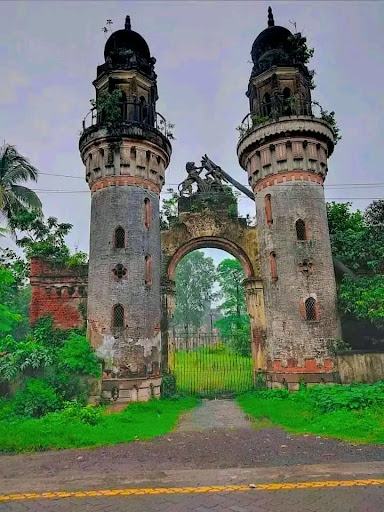
You will be awestruck to see this miniature version of a medieval English Castle in the interiors of Bashirhat, North 24 Parganas, West Bengal, India. The high wall of the Gaine Bagan Bari (garden house) has tall, European styled gate with a statue of two men fighting a lion on its top that you cannot miss when you are driving east on Taki Road going towards Bangladesh border .
12
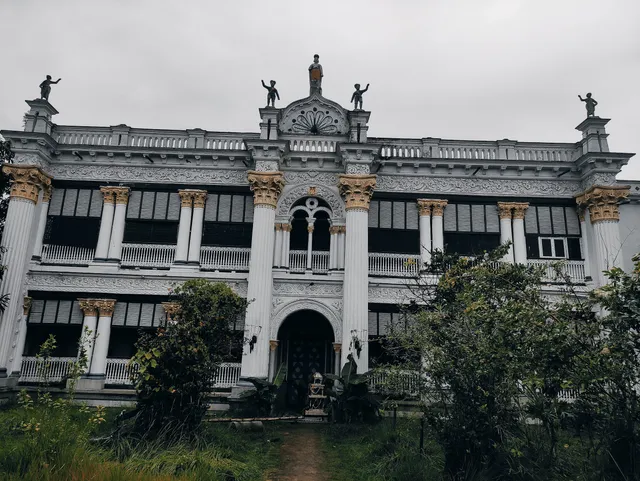
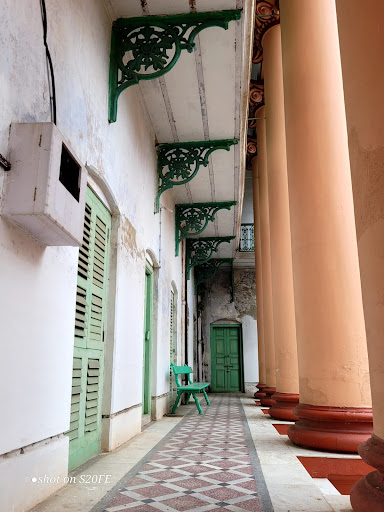
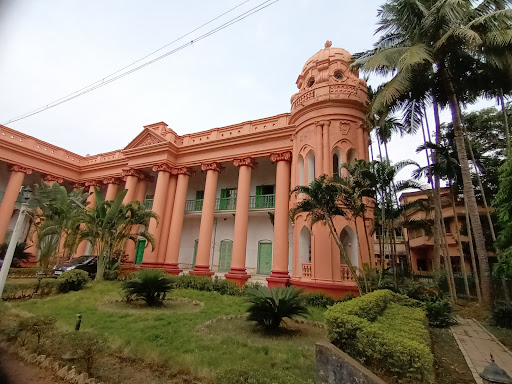
Dhanyakuria â a rural village, barely 52 kms away from Kolkata, in North 24 Parganas, that reminds the great lifestyle of that era, when affluent Bengali zaminders built magnificent palaces with neo-classical European touch and British influence. The elaborate iconic Corinthian pillars symbolize the splendour of British empire through magnificent Roman architecture.
The best thing about Kolkata â is the winter season. With pleasant days and cool mornings, winter is the most preferred season in this city. This is the ideal time for outing, outdoor get-together and going out to picnic. My trip to India was around such time, and couldnât be more perfect to arrange a day trip to Dhanyakuria.
On that day, the city woke up to a chilly morning, wrapped up with mist and fog trying hard to stop the sun cast its light to wake up. Nothing can beat snoozing on a cold winter morning with the quilt drawn right up to your ears. But we had taken off early at 6am, huddled in a minivan, drove through Rajarhat, looking at the changing landscape from newly constructed multistoried buildings to semi-urban locality that soon changed into wide open expanse of mustard-fields (sorshe khet)and waterbodies (bheri) with fishermen on their boats catching fish. These are the fisheries! The chill in the morning, however, didnât last long as the sun broke through the early...
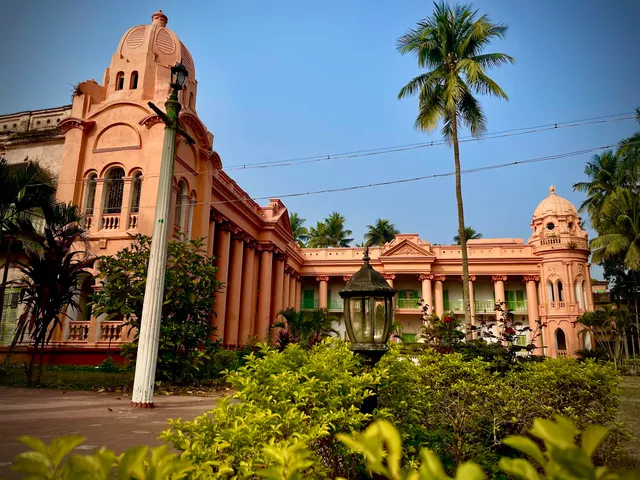
   Read moreThe Gaine Palace or the Gaine Rajbari of this village was built in the mid-19th Century. It is also known as Dhanyakuria Rajbari. Its construction was also started under the supervision of Gobinda Chandra Gaine and continued under his son Mahendranath Gaine. Their residential mansion or the Gaine Rajbari is one of the best examples of fusion architecture of the area and is popularly known as Dhanyakuria Rajbari.
The Gaine Rajbari consists of a domed tower with three stories supported by gigantic pillars. It is known as the Nazar Minar. The arches in the first two stories of the building offer a glimpse of Islamic architectural influence. These add to the beauty of the Gaine Rajbari.
European architecture has also played a major role in shaping this magnificent mansion called Gaine Rajbari that would look almost out of place in any other village of West Bengal but this one.
Adjacent to the palace is the Gaine Mandir or the temple of the Gaine Family. This temple follows the Hindu architectural style.
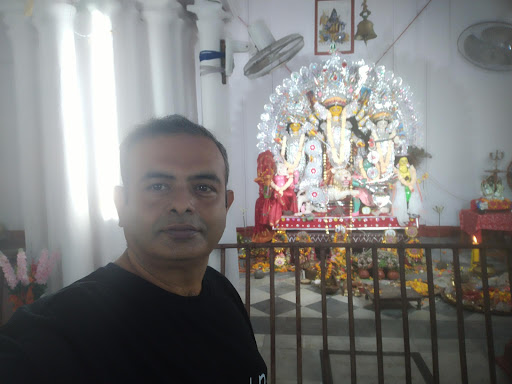
The Gaine Rajbari has a large courtyard or the thakurdalan where the family's ancestral Durga Puja festival is held every year. Several scenes from various old Bengali movies were shot in this mansion. It is still used for shooting Bengali movies and television series.
The Gaine Palace or Gaine Rajbari is one of the few grand mansions of the village which some of the owners still use as their residence. This is why it is one of the most...
   Read moreāĻŦāϏāĻŋāϰāĻšāĻžāĻā§āϰ āĻāϤāĻŋāĻšāĻžāϏāĻŋāĻ āϧāĻžāύā§āϝāĻā§āĻĄāĻŧāĻŋāϝāĻŧāĻž,,,, āĻŦāϏāĻŋāϰāĻšāĻžāĻā§āϰ āĻāϤāĻŋāĻšāĻžāϏāĻŋāĻ āϧāĻžāύā§āϝāĻā§āĻĄāĻŧāĻŋāϝāĻŧāĻž đ¤
āĻāĻ āĻĨā§āĻā§ āĻĒā§āϰāĻžāϝāĻŧ āĻĻā§āĻļā§ āϤāĻŋāϰāĻŋāĻļ āĻŦāĻāϰ āĻāĻā§āϰ āĻāĻĨāĻžāĨ¤ āϏā§āĻŦāĻŋāĻļāĻžāϞ āĻāĻ āϰāĻžāĻāĻŦāĻžāĻĄāĻŧāĻŋ āĻŦāĻžāύāĻŋāϝāĻŧā§āĻāĻŋāϞā§āύ āϧāĻžāύā§āϝāĻā§āĻĄāĻŧāĻŋāϝāĻŧāĻžāϰ āĻāĻŽāĻŋāĻĻāĻžāϰ āĻŽāĻšā§āύā§āĻĻā§āϰāύāĻžāĻĨ āĻāĻžāϝāĻŧā§āύāĨ¤ āϏā§āϏāĻŽāϝāĻŧ āĻĢā§āϞā§āĻĢā§āĻāĻĒā§ āĻāĻ ā§āĻāĻŋāϞ āϤāĻžāĻāϰ āĻĒāĻžāĻā§āϰ āĻŦā§āϝāĻŦāϏāĻžāĨ¤ āĻŽā§āϞāϤ āĻāĻāϰā§āĻāĻĻā§āϰ āϏāĻā§āĻā§āĻ āĻāϞāϤ āϤāĻžāĻāϰ āϞā§āύāĻĻā§āύāĨ¤ āĻāϰ āϏā§āĻ āϏā§āĻŦāĻžāĻĻā§āĻ āĻāϤā§āϤāϰ ⧍ā§Ē āĻĒāϰāĻāĻŖāĻžāϰ āĻāĻ āĻĒā§āϰāĻžāύā§āϤāĻŋāĻ āĻ āĻā§āĻāϞā§āĻ āύāĻŋāϤā§āϝāĻĻāĻŋāύ āϞā§āĻā§ āĻĨāĻžāĻāϤ āĻāϏā§āĻ āĻāύā§āĻĄāĻŋāϝāĻŧāĻž āĻā§āĻŽā§āĻĒāĻžāύāĻŋāϰ āϏāĻžāĻšā§āĻŦāĻĻā§āϰ āĻāύāĻžāĻā§āύāĻžāĨ¤ āϤāĻžāĻāĻĻā§āϰ āĻŦāĻŋāϞāĻŋāϤāĻŋ āϏāĻāϏā§āĻā§āϤāĻŋ, āĻāϤāĻŋāĻšā§āϝāĻā§ āĻāϏā§āĻā§ āĻĻāĻŋāϤā§āĻ āĻāĻāϰā§āĻĒā§āϝāĻŧ āĻĻā§āϰā§āĻā§āϰ āĻāĻĻāϞ⧠āĻāĻ āϰāĻžāĻāĻŦāĻžāĻĄāĻŧāĻŋ āύāĻŋāϰā§āĻŽāĻžāĻŖ āĻāϰā§āύ āĻŽāĻšā§āύā§āĻĻā§āϰāύāĻžāĻĨāĨ¤
ā§Šā§Ļ āĻāĻāϰ āĻāĻžāϝāĻŧāĻāĻžāϝāĻŧ āĻā§āĻĄāĻŧā§ āĻĻāĻžāĻāĻĄāĻŧāĻŋāϝāĻŧā§ āĻĨāĻžāĻāĻž āĻāĻ āϰāĻžāĻāĻŦāĻžāĻĄāĻŧāĻŋāϰ āĻŽāϧā§āϝā§āĻ āϰāϝāĻŧā§āĻā§ āĻāϏā§āϤ āĻāĻ āĻĒā§āώā§āĻāϰāĻŋāĻŖā§, āϝāĻžāϤ⧠āϰāĻžāĻāĻŦāĻžāĻĄāĻŧāĻŋāϰ āĻĒā§āϰāϤāĻŋāĻā§āĻāĻŦāĻŋ āĻāϞāĻŽāϞ āĻāϰ⧠āϏāĻžāϰāĻžāĻĻāĻŋāύāĨ¤ āĻā§āĻāĻž āĻĻā§āϰā§āĻāĻāĻŋāĻā§ āĻā§āύā§āĻĻā§āϰ āĻāϰ⧠āϰāϝāĻŧā§āĻā§ āĻŦāĻŋāĻļāĻžāϞ āĻāĻ āĻŦāĻžāĻāĻžāύāĻāĨ¤ āĻĻā§āϰā§āĻā§āϰ āĻā§āϤāϰ⧠āĻĸā§āĻāϞā§āĻ āϰā§āϤāĻŋāĻŽāϤ⧠āĻāĻŽāĻā§ āϝā§āϤ⧠āĻšāĻŦā§āĨ¤ āύāĻžāύāĻž āϧāϰāύā§āϰ āĻāĻŋāĻā§āĻā§āϰāĻŋāϝāĻŧāĻžāύ āĻāĻžāϰā§āĻāĻžāĻ āĻĨā§āĻā§ āĻļā§āϰ⧠āĻāϰ⧠āϰāϝāĻŧā§āĻā§ āĻāϤāĻžāϞāĻŋāϝāĻŧ āĻāĻžāĻā§āϰ āϤā§āϰāĻŋ āĻāϏāĻŦāĻžāĻŦāĨ¤ āϝāĻž āĻāĻ āĻāĻĨāĻžāϝāĻŧ āĻŽāύā§āϤā§āϰāĻŽā§āĻā§āϧāĻāϰāĨ¤ āĻā§āϰā§āώā§āĻŽāĻāĻžāϞ⧠āĻāĻ āϰāĻžāĻāĻŦāĻžāĻĄāĻŧāĻŋāϤ⧠āĻāϏ⧠āĻ āύā§āĻ āϏāĻŽāϝāĻŧāĻ āĻā§āĻāĻŋ āĻāĻžāĻāĻžāϤā§āύ āĻŦā§āϰāĻŋāĻāĻŋāĻļ āϏāĻžāĻšā§āĻŦāϰāĻžāĨ¤ āϤāĻžāĻāĻĻā§āϰ āĻāύā§āϝ āĻāĻŋāϞ āĻĒā§āĻĨāĻ āύāĻšāĻŦāϤāĻāĻžāύāĻž, āĻ āϤāĻŋāĻĨāĻŋāĻļāĻžāϞāĻžāĨ¤ āĻāĻŽāύāĻāĻŋ āϏā§āϏāĻŽāϝāĻŧ āĻāĻ āϰāĻžāĻāĻŦāĻžāĻĄāĻŧāĻŋāϰ āĻāύā§āϝ āĻĒā§āĻĨāĻ āϰā§āϞ āϏā§āĻā§āĻļāύāĻ āϤā§āϰāĻŋ āĻāϰā§āĻāĻŋāϞ āĻŽāĻžāϰā§āĻāĻŋāύ āĻā§āĻŽā§āĻĒāĻžāύāĻŋāĨ¤ āĻāĻžāϝāĻŧā§āύ āĻāĻžāϰā§āĻĄā§āύ āύāĻžāĻŽā§āϰ āϏā§āĻ āϏā§āĻā§āĻļāύ⧠āĻāϏ⧠āĻĨāĻžāĻŽāϤ āύā§āϝāĻžāϰ⧠āĻā§āĻā§āϰ āĻā§āĻā§āĻ āĻŦāĻžāώā§āĻĒāĻāĻžāϞāĻŋāϤ āĻā§āϰā§āύāĨ¤ āĻŦāϰā§āϤāĻŽāĻžāύ⧠āĻ āĻŦāĻļā§āϝ āϏā§āĻ āϏā§āĻā§āĻļāύā§āϰ āĻ āϏā§āϤāĻŋāϤā§āĻŦ āύā§āĻ āĻāϰāĨ¤ ⧍ā§Ļā§Ļā§Ž āϏāĻžāϞ⧠āϤāĻž āĻ āϧāĻŋāĻā§āϰāĻšāĻŖ āĻāϰ⧠āϏāϰāĻāĻžāϰāĨ¤ āĻāĻĄāĻŧā§ āĻāĻ ā§ āĻ āύāĻžāĻĨ āĻŽā§āϝāĻŧā§āĻĻā§āϰ āϏāϰāĻāĻžāϰāĻŋ āĻšā§āĻŽāĨ¤ āϤāĻŦā§ āĻŽā§āϞ āĻŦāĻžāĻĄāĻŧāĻŋāĻāĻŋāϰ āĻāĻŋāĻā§ āĻ āĻāĻļā§āϰ āĻĒā§āύāϰā§āύāĻŋāϰā§āĻŽāĻžāĻŖ āĻšāϞā§āĻ, āϏāĻžāĻŽāĻā§āϰāĻŋāĻāĻāĻžāĻŦā§ āϰāĻā§āώāĻŖāĻžāĻŦā§āĻā§āώāĻŖā§āϰ āĻ āĻāĻžāĻŦā§ āϧā§āĻāĻāĻā§ āĻāĻ āĻāϤāĻŋāĻšāĻžāϏāĻŋāĻ āϏā§āĻĨāĻžāĻĒāϤā§āϝāĻāĻŋāĨ¤ āĻŦāĻžāĻĄāĻŧāĻŋāϰ āϏāĻžāĻŽāύ⧠āĻ āĻŦāϏā§āĻĨāĻŋāϤ āĻļā§āĻŦā§āϤ āĻĒāĻžāĻĨāϰā§āϰ āĻĻā§āĻāĻŋ āϏāĻŋāĻāĻš āĻŽā§āϰā§āϤāĻŋāϰ āĻāĻāĻāĻŋ āĻā§āϰāĻŋ āĻāĻŋāϝāĻŧā§āĻāĻŋāϞ āĻŦāĻšā§ āĻāĻā§āĻāĨ¤ āĻāϝāĻŧā§āĻ āĻŦāĻāϰ āĻāĻā§ āĻāϰā§āĻāĻāĻŋ āϏāĻŋāĻāĻšāĻ āĻāĻĄāĻŧāĻž āĻĻāĻžāĻŽā§ āĻŦāĻŋāĻā§āϰāĻŋ āĻāϰ⧠āĻĻā§āύ āĻŽāĻšā§āύā§āĻĻā§āϰāύāĻžāĻĨā§āϰ āĻāϤā§āϤāϰāϏā§āϰāĻŋāϰāĻžāĨ¤ āϤāĻŦā§ āĻļā§āϧ⧠āĻāĻĒāύāĻŋāĻŦā§āĻļāĻŋāĻ āĻāϤāĻŋāĻšāĻžāϏāĻ āύāϝāĻŧ, āĻāĻ āĻŦāĻžāĻĄāĻŧāĻŋāϤ⧠āĻļā§āĻāĻŋāĻ āĻšāϝāĻŧā§āĻā§ âāϏāϤā§āϝāĻžāύā§āĻŦā§āώā§â, âāϏāĻžāĻšā§āĻŦ-āĻŦāĻŋāĻŦāĻŋ-āĻā§āϞāĻžāĻŽâ, âāϏā§āϰā§āϝāϤāĻĒāĻžâ-āϏāĻš āĻāĻāĻžāϧāĻŋāĻ āĻāύāĻĒā§āϰāĻŋāϝāĻŧ āĻāϞāĻā§āĻāĻŋāϤā§āϰā§āϰāĻāĨ¤ āĻ āĻāĻŋāύāϝāĻŧ āĻāϰ⧠āĻā§āĻā§āύ āϏā§āĻŦāϝāĻŧāĻ āĻāϤā§āϤāĻŽāĻā§āĻŽāĻžāϰāĨ¤ āĻāĻŽāύāĻāĻŋ āĻŦāĻŋāĻĻā§āĻļāĻŋ āĻŦāĻŋāĻāĻŋāύā§āύ āĻāϞāĻā§āĻāĻŋāϤā§āϰā§āϰāĻ āĻļā§āĻ āĻšāϝāĻŧā§āĻā§ āĻāĻ āĻĻā§āϰā§āĻā§āĻāĨ¤ âĻī¸āϞā§āĻāĻžāĻāĻŋ āĻāĻžāϞ⧠āϞāĻžāĻāϞā§, āĻĻāϝāĻŧāĻž āĻāϰ⧠āĻļā§ā§āĻžāϰ āĻāϰāĻžāϰ āĻ āύā§āϰā§āϧ āϰāĻāϞā§āĨ¤đ
( collected...
   Read more