HTML SitemapExplore
logo
Find Things to DoFind The Best Restaurants

Kapil Muni Ashram, Gangasagar — Attraction in West Bengal

Name
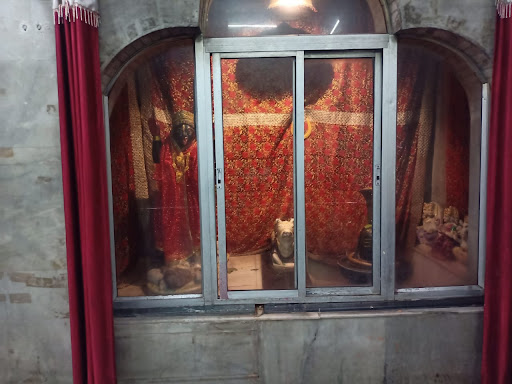
Kapil Muni Ashram, Gangasagar
Description
Nearby attractions
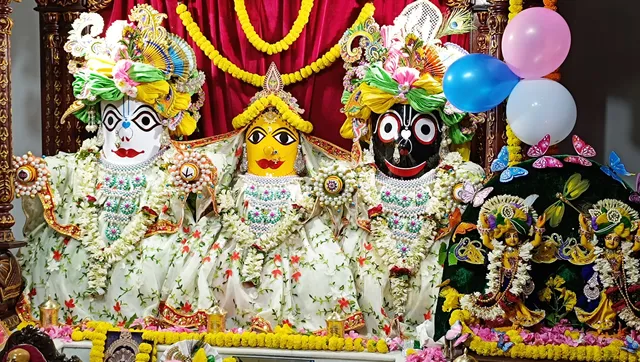
ISKCON Gangasagar Mandir
Subrata Rd, Gangasagar, West Bengal 743373, India
Nearby restaurants
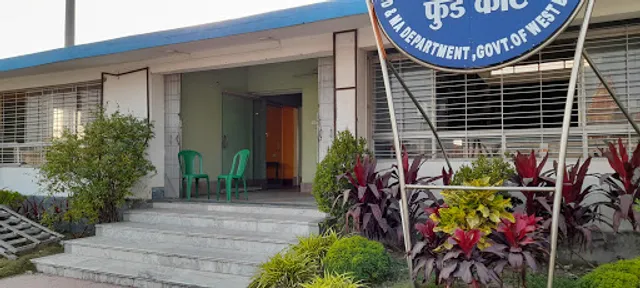
Sagar Food Court (West Bengal Tourism Development Corporation)
J3QF+4J8, Shankar Rd, Gangasagar, West Bengal 743373, India
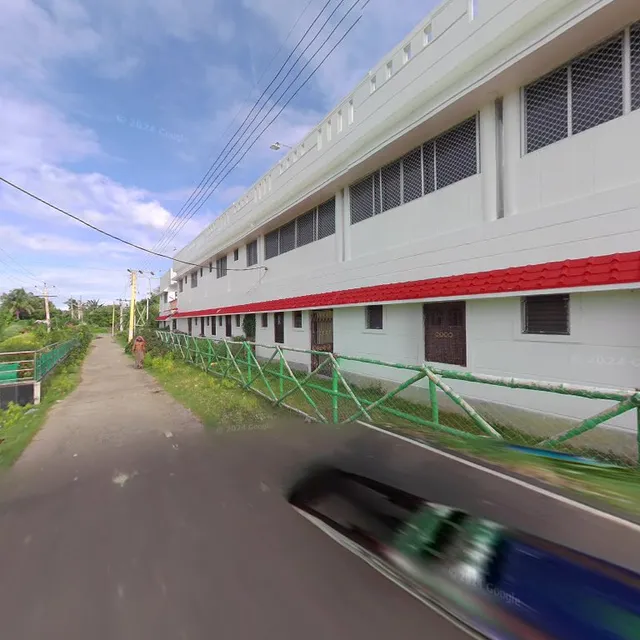
Sagar Sangam Hotel & Restaurants
J3RJ+WGF, Gangasagar, West Bengal 743373, India
Nearby hotels
Related posts
Keywords
Kapil Muni Ashram, Gangasagar tourism.Kapil Muni Ashram, Gangasagar hotels.Kapil Muni Ashram, Gangasagar bed and breakfast. flights to Kapil Muni Ashram, Gangasagar.Kapil Muni Ashram, Gangasagar attractions.Kapil Muni Ashram, Gangasagar restaurants.Kapil Muni Ashram, Gangasagar travel.Kapil Muni Ashram, Gangasagar travel guide.Kapil Muni Ashram, Gangasagar travel blog.Kapil Muni Ashram, Gangasagar pictures.Kapil Muni Ashram, Gangasagar photos.Kapil Muni Ashram, Gangasagar travel tips.Kapil Muni Ashram, Gangasagar maps.Kapil Muni Ashram, Gangasagar things to do.
Kapil Muni Ashram, Gangasagar things to do, attractions, restaurants, events info and trip planning
Kapil Muni Ashram, Gangasagar
IndiaWest BengalKapil Muni Ashram, Gangasagar

Basic Info

Kapil Muni Ashram, Gangasagar

J3QG+23H, Manidipa Rd, Gangasagar, West Bengal 743373, India
4.5(1.5K)
Open 24 hours
Save
spot

Ratings & Description

Info

Cultural
Family friendly
attractions: ISKCON Gangasagar Mandir, restaurants: Sagar Food Court (West Bengal Tourism Development Corporation), Sagar Sangam Hotel & Restaurants
logoLearn more insights from Wanderboat AI.
Phone
+91 1800 212 1655

Plan your stay

hotel
Pet-friendly Hotels in West Bengal
Find a cozy hotel nearby and make it a full experience.
hotel
Affordable Hotels in West Bengal
Find a cozy hotel nearby and make it a full experience.
hotel
The Coolest Hotels You Haven't Heard Of (Yet)
Find a cozy hotel nearby and make it a full experience.
hotel
Trending Stays Worth the Hype in West Bengal
Find a cozy hotel nearby and make it a full experience.

Reviews

Nearby attractions of Kapil Muni Ashram, Gangasagar

ISKCON Gangasagar Mandir

ISKCON Gangasagar Mandir

ISKCON Gangasagar Mandir

4.5

(52)

Open until 8:00 PM
Click for details

Nearby restaurants of Kapil Muni Ashram, Gangasagar

Sagar Food Court (West Bengal Tourism Development Corporation)

Sagar Sangam Hotel & Restaurants

Sagar Food Court (West Bengal Tourism Development Corporation)

Sagar Food Court (West Bengal Tourism Development Corporation)

3.1

(39)

Click for details
Sagar Sangam Hotel & Restaurants

Sagar Sangam Hotel & Restaurants

3.7

(2)

Click for details
Get the Appoverlay
Get the AppOne tap to find yournext favorite spots!
Wanderboat LogoWanderboat

Your everyday Al companion for getaway ideas

CompanyAbout Us
InformationAI Trip PlannerSitemap
SocialXInstagramTiktokLinkedin
LegalTerms of ServicePrivacy Policy

Get the app

© 2025 Wanderboat. All rights reserved.
logo

Reviews of Kapil Muni Ashram, Gangasagar

4.5
(1,546)
avatar
4.0
8y

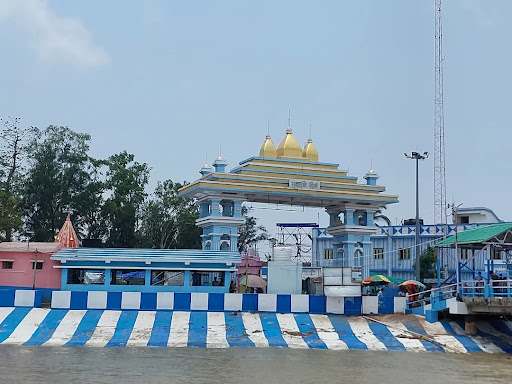
This main temple of priest Kapil Muni is located on the brink of Delta known to be bank of the furious Bay of Bengal. It's the confluence where the Ganga meets ocean. According to local people the temple was once upon a time under the water and appeared in the scene when water regressed. And we see what is now renovated. Place is gradually organizing. Pilgrims can stay in Dharmasala nearby the bus stand. There is water treatment plant to purify saline water and distribute pure drinking water locally. I loved this lonely place ,enjoyed fresh cool breeze from the sea, played unlimited with the lofty and faster tidal current during taking bath before offering oblation in front of the Temple. It is no less than Puri beach. Only difference is bright white sand laid on the beach because of large amounts of alluvial soil adding more and more ingredients to the fertility of the land. There are many many puddles, ponds and canals connected to the sea. I enjoyed a lot seeing panoramic beauty, green nature, river,double floor cottages made of soil reinforced by bamboo and wooden channel,thatched huts, ferry ghat (quay) & its pier and of-course temples. Ostensible markets on the either side of road heading towards Ashram from the shore, are arranged with whole range of assortments specially linked to sea borne coral, oyster, shell and conch. Definitely pilgrim and tourists will feel the best and find unstoppable peace being in there in such a holy and sacred place. I was emotionally attached to the place with few friends and relatives. I would like to come again and again here neglecting complicated hustle bustle city life to enjoy a week of vacation , breathe fresh air and of course to quench the thrust of eyes by divine nature and loneliness. But I experienced indigence in telecom infrastructure which lacks 4G/multimedia telecom tower. According to line of site communication there must be a tower every 50 kilometer to avoid hindrance by earth curvature. Such condition does not stand up in the Island as its max span hovers around 33 KM. So I suppose Reliance Jio can install a 4G tower at Rudranagar almost near the center of Island to bring in complete radio coverage by a single tower over the entire area. I could not post my review for want of Jio network. So I am posting now as a musty report. As we know islanders have always been developed like UK, Japan, Singapore, New Zealand, Australia. Like wise the place has a lot of potential to grow up. Same thing is happening there. High Tension (HT) lines were hooked up through offshore structure and power transmission tower up to substation in the island and later electricity is distributed everywhere for household usage. Wind turbine is also being erected on the shore near Kapil Muni Ashram to fully utilize wind power for generation of electricity. Islanders strongly believe in green energy. So they don't spare any single opportunity to use solar panel also to generate electricity.All these are their novel practice of nurturing pollution free nature. Roadways are fair but village internal road requires massive improvement. There is a Ramakrishna Mission that offers quality education to the students up to class 10. I realize need to promote tourism to a large extent to attract International tourists there. Further infrastructure development is essential. I knew that few hundred crores was allocated to bring railways in the island by building bridge on sea-river route as part of expansion of track from existing Namkhana railway station . Once this plan and project is implemented, there will be rapid exchange of trade reflecting more and more travellers commuting daily. They will feel comfortable there in favorable ambience . By that market will be more mature to bring in proper shape of economy in there.Many banks'll come forward to open up their branches. Supermarket,mall and community market will be developed. This way entire development of the island will be accelerated and internal surface transport will...

   Read more
avatar
5.0
47w

Kapil Muni Ashram, located in the serene and spiritually significant area of Kapil Muni Ghat near the town of Namkhana in West Bengal, India, is a revered destination for pilgrims and visitors seeking spiritual solace. The ashram is dedicated to Sage Kapil, one of the most esteemed sages in Hindu mythology, believed to have meditated here and imparted his teachings on the Sankhya philosophy.

The ashram is nestled along the banks of the river, offering a tranquil and peaceful atmosphere. The environment is serene, surrounded by lush greenery, and the gentle sound of flowing water adds to the calming experience. Devotees often visit the ashram to seek spiritual blessings, engage in meditation, or simply spend time in quiet reflection. The temple within the ashram is dedicated to Lord Kapil, and many pilgrims gather here for prayers, rituals, and to perform religious offerings.

One of the notable features of the Kapil Muni Ashram is its simple yet peaceful ambience. Unlike more commercialized pilgrimage sites, it retains a sense of tranquility that makes it ideal for those seeking spiritual rejuvenation. The ashram also serves as a place for learning and spiritual discussions, with regular satsangs and classes held for devotees who wish to deepen their understanding of spiritual practices and philosophy.

While the spiritual experience at the ashram is fulfilling, it is important to note that the facilities here are basic. There are few modern amenities, and the infrastructure is quite simple, which may not suit all types of visitors. However, this simplicity is part of its charm, offering an unpretentious and humble environment that encourages visitors to focus on their spiritual journey.

In conclusion, Kapil Muni Ashram is a hidden gem for those looking for a peaceful, spiritual retreat. Its serene surroundings, connection to Hindu philosophy, and calm atmosphere make it an ideal place for meditation, prayer, and reflection. While it lacks luxurious facilities, its simplicity and spiritual significance make it a worthwhile visit for those seeking a deeper connection...

   Read more
avatar
5.0
2y

Kapil Muni Ashram and Mandir: A Fusion of History and Mythology

Nestled along the banks of the sacred river Ganges, Kapil Muni Ashram and Mandir stand as a testament to the rich tapestry of history and mythology that permeates this revered site. Founded over a millennium ago, in the 11th century AD, by the sage Kapil Muni, this ashram has drawn seekers, pilgrims, and scholars from across the globe.

Historically, the ashram served as a center of profound philosophical discourse and meditation. It became a beacon of knowledge, where scholars delved into the ancient scriptures and explored the depths of Vedic philosophy. The tranquil surroundings and the gentle flow of the Ganges provided an ideal setting for contemplation and spiritual growth.

The Mandir, an architectural marvel, was constructed in the early 12th century during the reign of King Harsha, showcasing intricate stone carvings and ornate sculptures that narrate tales from Hindu mythology. Its architectural style reflects the Gupta period, characterized by elaborate craftsmanship and structural precision.

According to mythological accounts, Kapil Muni, an ancient sage and a revered figure in Hinduism, chose this very spot for his hermitage due to its spiritual aura. Legend has it that Kapil Muni, an incarnation of Lord Vishnu, undertook intense penance here, leading to the compilation of the Sankhya philosophy, one of the six classical schools of Indian philosophy.

Over the centuries, devotees have flocked to this sacred site, seeking solace and enlightenment. The ashram's aura is said to be infused with the energy of Kapil Muni's deep meditation and spiritual attainments, creating an environment conducive to inner reflection and transcendence.

In modern times, Kapil Muni Ashram and Mandir continue to draw pilgrims, scholars, and seekers, offering a haven of serenity and a living link to India's ancient spiritual heritage. This hallowed ground stands as a testament to the enduring power of faith, philosophy, and the pursuit of...

   Read more
Page 1 of 7
Previous
Next

Posts

Anupam NaskarAnupam Naskar
Kapil Muni Ashram and Mandir: A Fusion of History and Mythology Nestled along the banks of the sacred river Ganges, Kapil Muni Ashram and Mandir stand as a testament to the rich tapestry of history and mythology that permeates this revered site. Founded over a millennium ago, in the 11th century AD, by the sage Kapil Muni, this ashram has drawn seekers, pilgrims, and scholars from across the globe. Historically, the ashram served as a center of profound philosophical discourse and meditation. It became a beacon of knowledge, where scholars delved into the ancient scriptures and explored the depths of Vedic philosophy. The tranquil surroundings and the gentle flow of the Ganges provided an ideal setting for contemplation and spiritual growth. The Mandir, an architectural marvel, was constructed in the early 12th century during the reign of King Harsha, showcasing intricate stone carvings and ornate sculptures that narrate tales from Hindu mythology. Its architectural style reflects the Gupta period, characterized by elaborate craftsmanship and structural precision. According to mythological accounts, Kapil Muni, an ancient sage and a revered figure in Hinduism, chose this very spot for his hermitage due to its spiritual aura. Legend has it that Kapil Muni, an incarnation of Lord Vishnu, undertook intense penance here, leading to the compilation of the Sankhya philosophy, one of the six classical schools of Indian philosophy. Over the centuries, devotees have flocked to this sacred site, seeking solace and enlightenment. The ashram's aura is said to be infused with the energy of Kapil Muni's deep meditation and spiritual attainments, creating an environment conducive to inner reflection and transcendence. In modern times, Kapil Muni Ashram and Mandir continue to draw pilgrims, scholars, and seekers, offering a haven of serenity and a living link to India's ancient spiritual heritage. This hallowed ground stands as a testament to the enduring power of faith, philosophy, and the pursuit of higher knowledge.
Rajdeep DuttaRajdeep Dutta
Tucked away at the confluence of the sacred Ganga and the mighty Bay of Bengal lies the iconic Kapil Muni Ashram, a spiritual sanctuary where time seems to pause, and divinity whispers through salty winds. If there’s one place that seamlessly blends Vedic history, pilgrimage prestige, and postcard-worthy serenity, it’s this unassuming yet iconic abode on Sagar Island. Legend has it that this is where Sage Kapil (or, Kapil Muni), the father of Sankhya philosophy (yes, the one who could probably outdo Newton and Aristotle at a TED Talk), meditated eons ago. He’s famously known for having burned King Sagar’s 60,000 sons to ashes with a mere glare — talk about having anger issues with metaphysical consequences! But the story doesn’t end in ashes. Enter King Bhagirath, whose relentless penance brought Goddess Ganga from the heavens to Earth, cleansing the souls of his ancestors right here — thus giving rise to the Gangasagar pilgrimage, considered second only to the Kumbh Mela in spiritual significance. Why It’s More Than Just an Ashram: - Every Makar Sankranti (mid-Jan), millions of pilgrims brave land, water, and sometimes Google Maps to reach this spot and take a holy dip — a symbolic washing off of sins at the very edge of the Earth. - The current Kapil Muni temple, though rebuilt multiple times due to the tantrums of tides and cyclones, stands firm with a quiet grace. - Interestingly, the Ganga here is technically called the Hooghly, but spiritually, she’s in full goddess mode. - The ashram complex also exudes simplicity — a true retreat from the chaos of urban life, unless you visit during the mela, of course, in which case it’s divine chaos. Kapil Muni Ashram isn’t just about scriptures and sadhus — it’s about connecting with something bigger than oneself. It’s where mythology turns into a lived experience, and the horizon teaches you humility. Pro tip: Don’t forget to watch the sunset — it’s like the gods signing off with golden ink.
Parthajit DasguptaParthajit Dasgupta
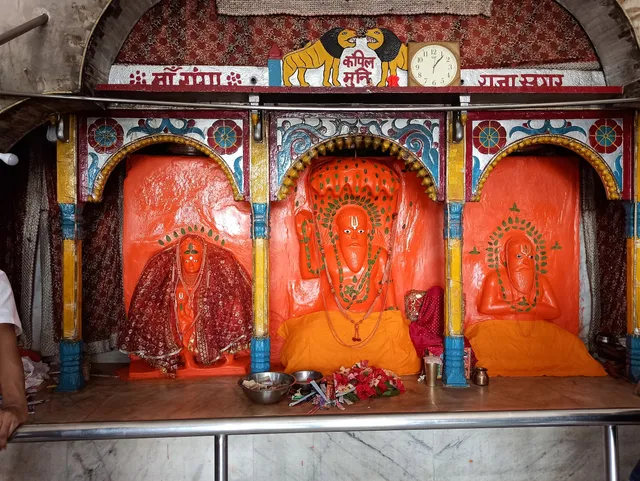
Kapil Muni Temple (কপিল মুনি মন্দির) is situated at the southern tip of Gangasagar Island. It is accessible from kachuberia ferry ghat (28.8km) and the distance from Benuban Ferry Ghat is 12km. You can reach kachuberia ferry ghat from Kakdwip Lot 8 ferry terminal and Benuban from Namkhana/Narayanpur ferry terminal. The distance from Manasadwip Ramakrishna Mission is 9.2km. You can take an auto or Toto to reach the Temple. Auto's from Kanchuberia charge around Rs.500 one-way while Toto from Benuban or Manasadwip Ramakrishna Mission charge between Rs.150-Rs.200 one-way. There is a market complex nearby that houses many shops where you can buy prasad for puja. There are cows roaming around the premises and some even enter the temple. They are well-behaved and you can feed them banana or fruits. There are some eateries nearby as well. This is not the original temple, which was built in 430 AD by Queen Satyabhama. The sea has come inland by many miles and that temple was lost to coastal erosion. The site of the new temple is under the control of Ramanandi sadhus from Ayodhya. The first brick-built temple was built in 1961 and the temple we see today was built in 1974. Since, it is very close to the sea, the temple premises often get flooded especially during the monsoon season. There is a market close-by from where you can buy prasad for the temple. The temple contains the idols of Kapil Muni, Bajrang Bali, Lord Rama, Sita, Ma Ganga, King Sagar, and also Radha Krishna. The temple complex also includes smaller shrines dedicated to Lord Shiva and his family, Narsingh Avatar, Godess Durga and Kali, and the Ashwamedh Horse. According to a story, Kapil Muni had burned to ashes 60,000 sons of King Sagar. Kapil Muni considered an incarnation of Lord Vishnu is also the founder of the Samkhya school of philosophy. The temple is at a walking distance from the Gangasagar beach where the Gangasagar Mela takes place each year.
See more posts
See more posts
hotel
Find your stay

Pet-friendly Hotels in West Bengal

Find a cozy hotel nearby and make it a full experience.

Kapil Muni Ashram and Mandir: A Fusion of History and Mythology Nestled along the banks of the sacred river Ganges, Kapil Muni Ashram and Mandir stand as a testament to the rich tapestry of history and mythology that permeates this revered site. Founded over a millennium ago, in the 11th century AD, by the sage Kapil Muni, this ashram has drawn seekers, pilgrims, and scholars from across the globe. Historically, the ashram served as a center of profound philosophical discourse and meditation. It became a beacon of knowledge, where scholars delved into the ancient scriptures and explored the depths of Vedic philosophy. The tranquil surroundings and the gentle flow of the Ganges provided an ideal setting for contemplation and spiritual growth. The Mandir, an architectural marvel, was constructed in the early 12th century during the reign of King Harsha, showcasing intricate stone carvings and ornate sculptures that narrate tales from Hindu mythology. Its architectural style reflects the Gupta period, characterized by elaborate craftsmanship and structural precision. According to mythological accounts, Kapil Muni, an ancient sage and a revered figure in Hinduism, chose this very spot for his hermitage due to its spiritual aura. Legend has it that Kapil Muni, an incarnation of Lord Vishnu, undertook intense penance here, leading to the compilation of the Sankhya philosophy, one of the six classical schools of Indian philosophy. Over the centuries, devotees have flocked to this sacred site, seeking solace and enlightenment. The ashram's aura is said to be infused with the energy of Kapil Muni's deep meditation and spiritual attainments, creating an environment conducive to inner reflection and transcendence. In modern times, Kapil Muni Ashram and Mandir continue to draw pilgrims, scholars, and seekers, offering a haven of serenity and a living link to India's ancient spiritual heritage. This hallowed ground stands as a testament to the enduring power of faith, philosophy, and the pursuit of higher knowledge.
Anupam Naskar

Anupam Naskar

hotel
Find your stay

Affordable Hotels in West Bengal

Find a cozy hotel nearby and make it a full experience.

Get the Appoverlay
Get the AppOne tap to find yournext favorite spots!
Tucked away at the confluence of the sacred Ganga and the mighty Bay of Bengal lies the iconic Kapil Muni Ashram, a spiritual sanctuary where time seems to pause, and divinity whispers through salty winds. If there’s one place that seamlessly blends Vedic history, pilgrimage prestige, and postcard-worthy serenity, it’s this unassuming yet iconic abode on Sagar Island. Legend has it that this is where Sage Kapil (or, Kapil Muni), the father of Sankhya philosophy (yes, the one who could probably outdo Newton and Aristotle at a TED Talk), meditated eons ago. He’s famously known for having burned King Sagar’s 60,000 sons to ashes with a mere glare — talk about having anger issues with metaphysical consequences! But the story doesn’t end in ashes. Enter King Bhagirath, whose relentless penance brought Goddess Ganga from the heavens to Earth, cleansing the souls of his ancestors right here — thus giving rise to the Gangasagar pilgrimage, considered second only to the Kumbh Mela in spiritual significance. Why It’s More Than Just an Ashram: - Every Makar Sankranti (mid-Jan), millions of pilgrims brave land, water, and sometimes Google Maps to reach this spot and take a holy dip — a symbolic washing off of sins at the very edge of the Earth. - The current Kapil Muni temple, though rebuilt multiple times due to the tantrums of tides and cyclones, stands firm with a quiet grace. - Interestingly, the Ganga here is technically called the Hooghly, but spiritually, she’s in full goddess mode. - The ashram complex also exudes simplicity — a true retreat from the chaos of urban life, unless you visit during the mela, of course, in which case it’s divine chaos. Kapil Muni Ashram isn’t just about scriptures and sadhus — it’s about connecting with something bigger than oneself. It’s where mythology turns into a lived experience, and the horizon teaches you humility. Pro tip: Don’t forget to watch the sunset — it’s like the gods signing off with golden ink.
Rajdeep Dutta

Rajdeep Dutta

hotel
Find your stay

The Coolest Hotels You Haven't Heard Of (Yet)

Find a cozy hotel nearby and make it a full experience.

hotel
Find your stay

Trending Stays Worth the Hype in West Bengal

Find a cozy hotel nearby and make it a full experience.

Kapil Muni Temple (কপিল মুনি মন্দির) is situated at the southern tip of Gangasagar Island. It is accessible from kachuberia ferry ghat (28.8km) and the distance from Benuban Ferry Ghat is 12km. You can reach kachuberia ferry ghat from Kakdwip Lot 8 ferry terminal and Benuban from Namkhana/Narayanpur ferry terminal. The distance from Manasadwip Ramakrishna Mission is 9.2km. You can take an auto or Toto to reach the Temple. Auto's from Kanchuberia charge around Rs.500 one-way while Toto from Benuban or Manasadwip Ramakrishna Mission charge between Rs.150-Rs.200 one-way. There is a market complex nearby that houses many shops where you can buy prasad for puja. There are cows roaming around the premises and some even enter the temple. They are well-behaved and you can feed them banana or fruits. There are some eateries nearby as well. This is not the original temple, which was built in 430 AD by Queen Satyabhama. The sea has come inland by many miles and that temple was lost to coastal erosion. The site of the new temple is under the control of Ramanandi sadhus from Ayodhya. The first brick-built temple was built in 1961 and the temple we see today was built in 1974. Since, it is very close to the sea, the temple premises often get flooded especially during the monsoon season. There is a market close-by from where you can buy prasad for the temple. The temple contains the idols of Kapil Muni, Bajrang Bali, Lord Rama, Sita, Ma Ganga, King Sagar, and also Radha Krishna. The temple complex also includes smaller shrines dedicated to Lord Shiva and his family, Narsingh Avatar, Godess Durga and Kali, and the Ashwamedh Horse. According to a story, Kapil Muni had burned to ashes 60,000 sons of King Sagar. Kapil Muni considered an incarnation of Lord Vishnu is also the founder of the Samkhya school of philosophy. The temple is at a walking distance from the Gangasagar beach where the Gangasagar Mela takes place each year.
Parthajit Dasgupta

Parthajit Dasgupta

See more posts
See more posts