HTML SitemapExplore
logo
Find Things to DoFind The Best Restaurants

Sajnekhali Wildlife Sanctuary — Attraction in West Bengal

Name
Sajnekhali Wildlife Sanctuary
Description
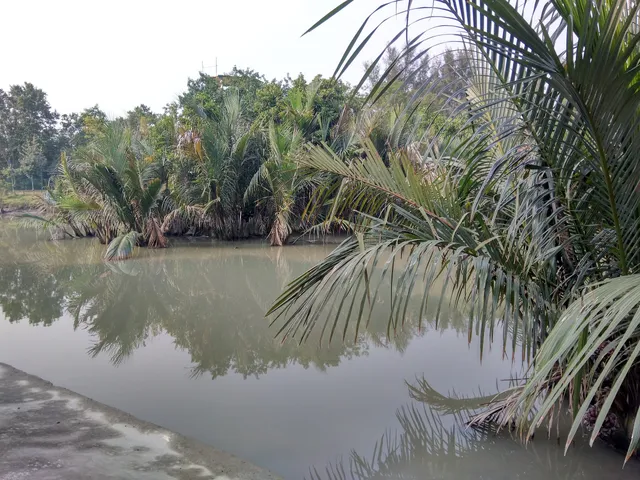
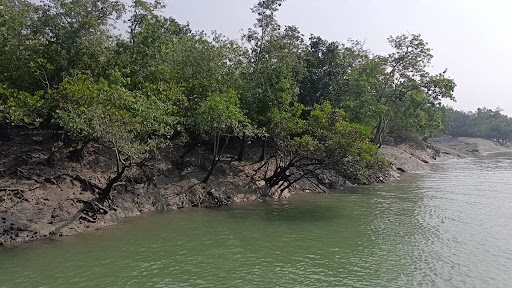
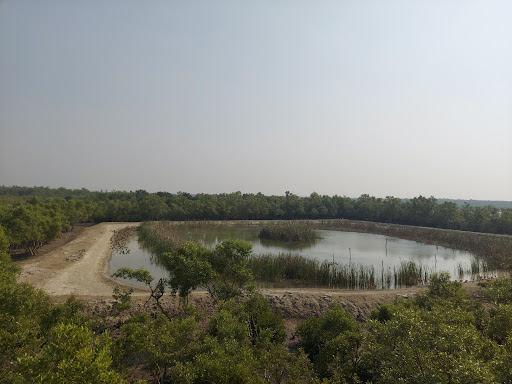
Sajnekhali Wildlife Sanctuary is a 362 km² area in the northern part of the Sundarbans delta in South 24 Parganas district, West Bengal, India. It is located at the confluence of the Matla and Gumdi rivers. The area is mainly mangrove scrub, forest and swamp. It was set up as a sanctuary in 1976.
Nearby attractions
Mangrove Interpretation Centre
Sajnekhali, Dayapur, West Bengal 743370, India
Sajnekhali Tiger Reserve
4RFH+JR2, West Bengal 743370, India
Nearby restaurants
Nearby hotels
Royal Bengal Resort - Sundarban
Dayapur, Sunderban, opposite Sajnekhali Tourist Lodge, Gosaba, West Bengal 743370, India
Sundarban Tiger View Point
Ps:, Village:, Dayapur, Gosaba, West Bengal 743370, India
New Suranjana Resort
4RGQ+9PG, Dayapur, West Bengal 743370, India
Related posts
Keywords
Sajnekhali Wildlife Sanctuary tourism.Sajnekhali Wildlife Sanctuary hotels.Sajnekhali Wildlife Sanctuary bed and breakfast. flights to Sajnekhali Wildlife Sanctuary.Sajnekhali Wildlife Sanctuary attractions.Sajnekhali Wildlife Sanctuary restaurants.Sajnekhali Wildlife Sanctuary travel.Sajnekhali Wildlife Sanctuary travel guide.Sajnekhali Wildlife Sanctuary travel blog.Sajnekhali Wildlife Sanctuary pictures.Sajnekhali Wildlife Sanctuary photos.Sajnekhali Wildlife Sanctuary travel tips.Sajnekhali Wildlife Sanctuary maps.Sajnekhali Wildlife Sanctuary things to do.
Sajnekhali Wildlife Sanctuary things to do, attractions, restaurants, events info and trip planning
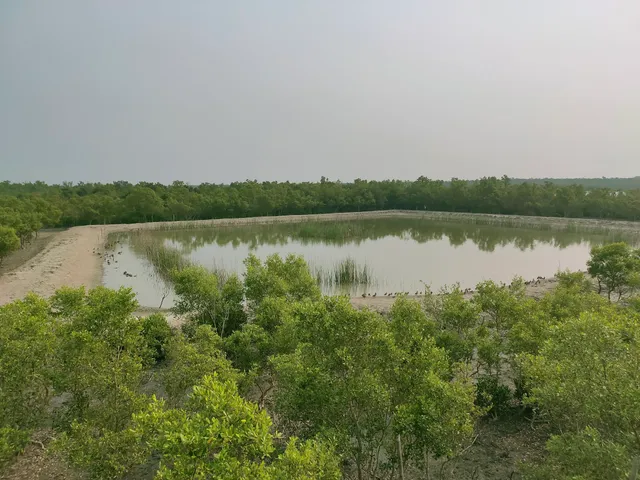
Sajnekhali Wildlife Sanctuary
IndiaWest BengalSajnekhali Wildlife Sanctuary

Basic Info

Sajnekhali Wildlife Sanctuary

4RFJ+GG7, Sajnekhali, Gosaba, West Bengal 743370, India
4.2(1.4K)
Open 24 hours
Save
spot

Ratings & Description

Info

Sajnekhali Wildlife Sanctuary is a 362 km² area in the northern part of the Sundarbans delta in South 24 Parganas district, West Bengal, India. It is located at the confluence of the Matla and Gumdi rivers. The area is mainly mangrove scrub, forest and swamp. It was set up as a sanctuary in 1976.

Outdoor
Adventure
Family friendly
attractions: Mangrove Interpretation Centre, Sajnekhali Tiger Reserve, restaurants:
logoLearn more insights from Wanderboat AI.

Plan your stay

hotel
Pet-friendly Hotels in West Bengal
Find a cozy hotel nearby and make it a full experience.
hotel
Affordable Hotels in West Bengal
Find a cozy hotel nearby and make it a full experience.
hotel
The Coolest Hotels You Haven't Heard Of (Yet)
Find a cozy hotel nearby and make it a full experience.
hotel
Trending Stays Worth the Hype in West Bengal
Find a cozy hotel nearby and make it a full experience.

Reviews

Nearby attractions of Sajnekhali Wildlife Sanctuary

Mangrove Interpretation Centre

Sajnekhali Tiger Reserve

Mangrove Interpretation Centre

Mangrove Interpretation Centre

4.4

(43)

Open 24 hours
Click for details
Sajnekhali Tiger Reserve

Sajnekhali Tiger Reserve

4.3

(93)

Open until 4:00 PM
Click for details
Get the Appoverlay
Get the AppOne tap to find yournext favorite spots!
Wanderboat LogoWanderboat

Your everyday Al companion for getaway ideas

CompanyAbout Us
InformationAI Trip PlannerSitemap
SocialXInstagramTiktokLinkedin
LegalTerms of ServicePrivacy Policy

Get the app

© 2025 Wanderboat. All rights reserved.
logo

Reviews of Sajnekhali Wildlife Sanctuary

4.2
(1,442)
avatar
4.0
6y

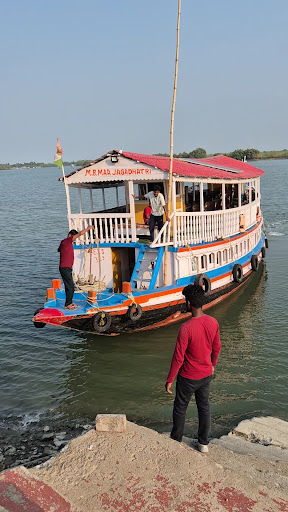
Visit to Sajnekhali was part of a 2 day 1 night tour of the Sundarbans with WB Tourism. WBTDC has packages with launch cruises that offer 2D/1N or 3D/2N packages. The trip started from the tourism centre at B.B.D Bagh at sharp 8:30 am. A 3 hour bus ride took us into Sundarbans area. We reached Sonakhali from where country ferry boats took us to the main vessel, called Sarbajaya. Packed breakfast was served in the bus. The country boats tend to overload, and there is no provision for life jackets. I would strongly recommend that WBTDC arranges for its own boats to do the ferry service and life jackets should be a must. I would not recommend taking the elderly or too young children. Once we reached the vessel, sumptuous lunch was served within half an hour. Food was really tasty and of good quantity. However, the vessel has berths to sleep in and does not offer much privacy. There are only two toilets in the non-AC section of the middle deck, and two more in the AC section. I am not sure about the arrangements in the lower deck though. Toilets were clean, but as much as public toilets can be. Also there were three shower rooms, but with no provision for hot water, taking a bath in the winter is really pathetic. Food is only served in the upper deck, which is open on all sides, except the roof. Again, the stairs are quite steep. After lunch, we were taken to Dobanki camp, where we could spot a few spotted deer. To reach the camp we again had to board a speed boat. After our stroll through the camp, when we went to board the speed boat again, there was a massive chaos. It was really risky as the jetty was narrow, and crowds were pushing each other as numerous launches were crying out for their passengers. After returning, we had tea and snacks at around 5:30 pm. It was really chilling as strong wind blew across the river. Dinner was served early as we had to start early next day for Sajnekhali. We went to Sajnekhali in the early morning, and due to the calmness all around, were able to spot numerous Rhesus monkeys, deer, a wild boar, a leopard cat, a water monitor. We also visited the mangrove centre. Came back, had our breakfast and then were taken to Sudhanyakhali. By this time number of people increased and as such animals eluded us, other than a leopard cat at much distance. On our return we had our lunch, and again boarded the speed boat, which took us to Gadkhali, from where we took our return bus. The beauty of Sundarbans is captivating and I do not feel there is any need to describe the never ending greenery, the splash of water, the cacophony of a number of migratory birds and occasional views of animals, including crocodiles, wild boars, deer and monkeys. The great Royal Bengal Tiger is for the lucky ones, and we were not that lucky. WBTDC did a decent job, however there is much to improve. However, if one can accommodate without the necessities which have become common nowadays, this trip is quite good for...

   Read more
avatar
5.0
30w

Review of Sajnekhali Wildlife Sanctuary

Located in the northern part of the Sundarbans, Sajnekhali Wildlife Sanctuary is a hidden gem for nature lovers, bird watchers, and wildlife enthusiasts. I had the pleasure of visiting this sanctuary recently, and it was a memorable experience filled with serene landscapes, rich biodiversity, and a peaceful atmosphere.

Natural Beauty and Location Nestled between the rivers Matla and Gumdi, the sanctuary offers breathtaking views of the mangrove forests. The dense greenery, winding creeks, and water channels create an enchanting atmosphere that reflects the untouched charm of the Sundarbans.

Rich Biodiversity Sajnekhali is home to a wide range of fauna including spotted deer, wild boars, crocodiles, and water monitor lizards. The lucky ones might even spot the elusive Royal Bengal Tiger, although sightings are rare due to the thick forest cover.

Bird Watching Paradise This sanctuary is especially famous for its bird-watching tower. Numerous local and migratory birds can be seen here, such as herons, egrets, kingfishers, sandpipers, and the rare spotted billed pelican. The watchtower gives a panoramic view of the surrounding wetlands, perfect for photography and peaceful observation.

Sajnekhali Mangrove Interpretation Centre A well-maintained centre that provides insightful information about the flora, fauna, and eco-system of the Sundarbans. It is a great place to learn about mangrove conservation, tiger habitats, and the importance of biodiversity in this deltaic region.

Crocodile and Turtle Enclosures Inside the sanctuary premises, there are protected enclosures for crocodiles and turtles, giving visitors a safe way to observe these creatures up close. It adds an educational and interactive dimension to the tour, especially for children.

Tranquil Environment Away from the noise and stress of city life, Sajnekhali offers an escape into nature. The sounds of birds, the rustle of leaves, and the flow of rivers create a relaxing experience that stays with you long after the visit.

Accessibility and Accommodation The sanctuary is easily accessible from Canning or Godkhali via motorboats. Eco-tourism lodges and forest rest houses are available nearby for those who want to extend their stay and enjoy the tranquil nights in the wild.

Conclusion Sajnekhali Wildlife Sanctuary is not just a destination—it’s an experience that connects you deeply with nature. Whether you are an avid birdwatcher, a wildlife photographer, or someone seeking peace in natural surroundings, this place is sure to captivate your heart. I highly recommend it to anyone visiting the...

   Read more
avatar
4.0
8y

This is the place to get the permission to go into interior tributaries along the tiger forests. A guide is given to you after due formalities like your ID proof and form filling etc. The guide takes you through small zoo where endangered species are taken care of. Then he takes you through small museum with lots of informative posters. Next you are informed about mangrove plant species, about 80 of them. This is said to be world's largest mangrove forest. The tree locally known as SUNDEREE (They have breathing roots) is in abundance here hence the name SUNDERBAN. The main attraction here is Bengal Tigers in Sunderban, and they are man eaters. This part of Sunderban where tigers (in hundreds) are settled is several hundred sqare kilometers and is all fenced with nylon rope netting of about 18 feet high preventing them from entering other ilands where original tribal still live. My guide told me he was part of National Geographic Team and it took them three weeks to spot and shoot real tiger in mangrove. BBC people went back empty handed. My Launch driver , 22 years old, has seen tiger only twice. Now the point is that twice a day you have high tides and the river (going to Sea) levels rise substantially flooding from all borders of Sunderban. All the borders are muddy & wet all the time and if you dare to step on the border, your feet may go dip down up to your knees or more, and besides it is highly fenced, so no tiger will come to border and he can not enter river. So when you take the permission and start your mission of watching Bengal Tigers from a Launch along the border of this protected area in the river you see nothing. We were on a Launch for two and a half days travelling all along the borders and staying at resorts at night and saw nothing, not even single crocodile (We were told they are also plenty numbers and attack fishermen). And we paid whopping Rs 37,000 for 4 people (package) Besides it was so terribly hot and Sweating. So, I think, people please think again before you decide to go to watching Bengal Tigers . Instead go to the zoo and see plenty of animals including tigers. In Gangtok (Sikkim) l saw Bengal Tigers , Snow leopard, and much more. Sorry, my point is value for money. But if you are passionate about jungles, tigers, snakes...

   Read more
Page 1 of 7
Previous
Next

Posts

Gourav PalGourav Pal
Review of Sajnekhali Wildlife Sanctuary Located in the northern part of the Sundarbans, Sajnekhali Wildlife Sanctuary is a hidden gem for nature lovers, bird watchers, and wildlife enthusiasts. I had the pleasure of visiting this sanctuary recently, and it was a memorable experience filled with serene landscapes, rich biodiversity, and a peaceful atmosphere. 1. Natural Beauty and Location Nestled between the rivers Matla and Gumdi, the sanctuary offers breathtaking views of the mangrove forests. The dense greenery, winding creeks, and water channels create an enchanting atmosphere that reflects the untouched charm of the Sundarbans. 2. Rich Biodiversity Sajnekhali is home to a wide range of fauna including spotted deer, wild boars, crocodiles, and water monitor lizards. The lucky ones might even spot the elusive Royal Bengal Tiger, although sightings are rare due to the thick forest cover. 3. Bird Watching Paradise This sanctuary is especially famous for its bird-watching tower. Numerous local and migratory birds can be seen here, such as herons, egrets, kingfishers, sandpipers, and the rare spotted billed pelican. The watchtower gives a panoramic view of the surrounding wetlands, perfect for photography and peaceful observation. 4. Sajnekhali Mangrove Interpretation Centre A well-maintained centre that provides insightful information about the flora, fauna, and eco-system of the Sundarbans. It is a great place to learn about mangrove conservation, tiger habitats, and the importance of biodiversity in this deltaic region. 5. Crocodile and Turtle Enclosures Inside the sanctuary premises, there are protected enclosures for crocodiles and turtles, giving visitors a safe way to observe these creatures up close. It adds an educational and interactive dimension to the tour, especially for children. 6. Tranquil Environment Away from the noise and stress of city life, Sajnekhali offers an escape into nature. The sounds of birds, the rustle of leaves, and the flow of rivers create a relaxing experience that stays with you long after the visit. 7. Accessibility and Accommodation The sanctuary is easily accessible from Canning or Godkhali via motorboats. Eco-tourism lodges and forest rest houses are available nearby for those who want to extend their stay and enjoy the tranquil nights in the wild. Conclusion Sajnekhali Wildlife Sanctuary is not just a destination—it’s an experience that connects you deeply with nature. Whether you are an avid birdwatcher, a wildlife photographer, or someone seeking peace in natural surroundings, this place is sure to captivate your heart. I highly recommend it to anyone visiting the Sundarbans region.
Saurav ChakrabortySaurav Chakraborty
The Sajnekhali Wildlife Sanctuary, situated within the Sundarbans region of West Bengal, India, is renowned for its rich biodiversity, particularly its avian population. Established in 1976, the sanctuary encompasses mangrove forests and swamps at the confluence of the Matla and Gumdi rivers. Visitor Experience: Visitors often highlight the sanctuary's serene environment and the opportunity to observe a variety of bird species. The Sajnekhali Watch Tower is a popular spot for wildlife observation, offering views of the surrounding mangrove landscape. Some travelers note that while the sanctuary provides a peaceful retreat, sightings of larger wildlife, such as tigers, are rare. The emphasis is on the natural beauty and the diversity of flora and fauna. One visitor mentioned that the sanctuary is "a neat & clean forest rest garden open for thirsty travelers," with a "fear mixed atmosphere" due to the wild surroundings. Activities: The sanctuary offers opportunities for bird watching, nature walks, and exploring the unique mangrove ecosystem. Guided tours are available, providing insights into the local wildlife and conservation efforts. Additionally, the Gosaba Trail is a notable hiking route within the sanctuary, allowing visitors to immerse themselves in the natural habitat. Considerations: It's advisable to visit during the cooler months, from November to February, when the weather is pleasant, and wildlife sightings are more frequent. Carrying appropriate gear, such as binoculars and insect repellent, can enhance the experience. Overall, the Sajnekhali Wildlife Sanctuary offers a tranquil escape into nature, ideal for bird enthusiasts and those seeking to experience the unique ecosystem of the Sundarbans.
Dr. Tarak KhanDr. Tarak Khan
Sajnekhali Wildlife Sanctuary is a 362 km² area within the buffer zone of Sundarbans Biosphere Reserve in its northern part in South 24 Parganas district, West Bengal. It can also be claimed as the entry point of Sundarbans Project Tiger Reserve, which has been one of the first 9 Project Tiger Reserves launches in 1973. It is located at the confluence of the Matla and Gumdi rivers. The area is mainly mangrove scrub, forest, and swamp. It was set up as a sanctuary in 1976. It is the home to a rich population of waterbirds, spotted deer, rhesus macaque, wild boar, Bengal Tiger, water monitor, lesser cats, otters, marine turtles including endangered Olive Ridley Turtle, Estuarine Crocodile, and many others. The ideal place for nature lovers to observe wild animals from a height is the Sajnekhali Watchtower. Sajnekhali Tourist Lodgr is the only accommodation located entirely within the Sajnekhali Wildlife Sanctuary, which is made of log and is powered by a 24×7 generator. Well-maintained by WBTDCL with a an extremely hospitable fleet of staff. The lodge has a brilliant multi-cuisine restaurant for meeting the culinary requirements of guests and the quality of food here is of top notch. Complimentary pick up and drop is provided by WBTDCL from Godkhali ferry ghat. However, adequate attention should be paid to look after the cleanliness and hygiene of the rooms. Moreover, a brief knowledge of the forests and wildlife of Sundarbans is expected from the staff members, which would obviously help the visitors to have an excellent stay.
See more posts
See more posts
hotel
Find your stay

Pet-friendly Hotels in West Bengal

Find a cozy hotel nearby and make it a full experience.

Review of Sajnekhali Wildlife Sanctuary Located in the northern part of the Sundarbans, Sajnekhali Wildlife Sanctuary is a hidden gem for nature lovers, bird watchers, and wildlife enthusiasts. I had the pleasure of visiting this sanctuary recently, and it was a memorable experience filled with serene landscapes, rich biodiversity, and a peaceful atmosphere. 1. Natural Beauty and Location Nestled between the rivers Matla and Gumdi, the sanctuary offers breathtaking views of the mangrove forests. The dense greenery, winding creeks, and water channels create an enchanting atmosphere that reflects the untouched charm of the Sundarbans. 2. Rich Biodiversity Sajnekhali is home to a wide range of fauna including spotted deer, wild boars, crocodiles, and water monitor lizards. The lucky ones might even spot the elusive Royal Bengal Tiger, although sightings are rare due to the thick forest cover. 3. Bird Watching Paradise This sanctuary is especially famous for its bird-watching tower. Numerous local and migratory birds can be seen here, such as herons, egrets, kingfishers, sandpipers, and the rare spotted billed pelican. The watchtower gives a panoramic view of the surrounding wetlands, perfect for photography and peaceful observation. 4. Sajnekhali Mangrove Interpretation Centre A well-maintained centre that provides insightful information about the flora, fauna, and eco-system of the Sundarbans. It is a great place to learn about mangrove conservation, tiger habitats, and the importance of biodiversity in this deltaic region. 5. Crocodile and Turtle Enclosures Inside the sanctuary premises, there are protected enclosures for crocodiles and turtles, giving visitors a safe way to observe these creatures up close. It adds an educational and interactive dimension to the tour, especially for children. 6. Tranquil Environment Away from the noise and stress of city life, Sajnekhali offers an escape into nature. The sounds of birds, the rustle of leaves, and the flow of rivers create a relaxing experience that stays with you long after the visit. 7. Accessibility and Accommodation The sanctuary is easily accessible from Canning or Godkhali via motorboats. Eco-tourism lodges and forest rest houses are available nearby for those who want to extend their stay and enjoy the tranquil nights in the wild. Conclusion Sajnekhali Wildlife Sanctuary is not just a destination—it’s an experience that connects you deeply with nature. Whether you are an avid birdwatcher, a wildlife photographer, or someone seeking peace in natural surroundings, this place is sure to captivate your heart. I highly recommend it to anyone visiting the Sundarbans region.
Gourav Pal

Gourav Pal

hotel
Find your stay

Affordable Hotels in West Bengal

Find a cozy hotel nearby and make it a full experience.

Get the Appoverlay
Get the AppOne tap to find yournext favorite spots!
The Sajnekhali Wildlife Sanctuary, situated within the Sundarbans region of West Bengal, India, is renowned for its rich biodiversity, particularly its avian population. Established in 1976, the sanctuary encompasses mangrove forests and swamps at the confluence of the Matla and Gumdi rivers. Visitor Experience: Visitors often highlight the sanctuary's serene environment and the opportunity to observe a variety of bird species. The Sajnekhali Watch Tower is a popular spot for wildlife observation, offering views of the surrounding mangrove landscape. Some travelers note that while the sanctuary provides a peaceful retreat, sightings of larger wildlife, such as tigers, are rare. The emphasis is on the natural beauty and the diversity of flora and fauna. One visitor mentioned that the sanctuary is "a neat & clean forest rest garden open for thirsty travelers," with a "fear mixed atmosphere" due to the wild surroundings. Activities: The sanctuary offers opportunities for bird watching, nature walks, and exploring the unique mangrove ecosystem. Guided tours are available, providing insights into the local wildlife and conservation efforts. Additionally, the Gosaba Trail is a notable hiking route within the sanctuary, allowing visitors to immerse themselves in the natural habitat. Considerations: It's advisable to visit during the cooler months, from November to February, when the weather is pleasant, and wildlife sightings are more frequent. Carrying appropriate gear, such as binoculars and insect repellent, can enhance the experience. Overall, the Sajnekhali Wildlife Sanctuary offers a tranquil escape into nature, ideal for bird enthusiasts and those seeking to experience the unique ecosystem of the Sundarbans.
Saurav Chakraborty

Saurav Chakraborty

hotel
Find your stay

The Coolest Hotels You Haven't Heard Of (Yet)

Find a cozy hotel nearby and make it a full experience.

hotel
Find your stay

Trending Stays Worth the Hype in West Bengal

Find a cozy hotel nearby and make it a full experience.

Sajnekhali Wildlife Sanctuary is a 362 km² area within the buffer zone of Sundarbans Biosphere Reserve in its northern part in South 24 Parganas district, West Bengal. It can also be claimed as the entry point of Sundarbans Project Tiger Reserve, which has been one of the first 9 Project Tiger Reserves launches in 1973. It is located at the confluence of the Matla and Gumdi rivers. The area is mainly mangrove scrub, forest, and swamp. It was set up as a sanctuary in 1976. It is the home to a rich population of waterbirds, spotted deer, rhesus macaque, wild boar, Bengal Tiger, water monitor, lesser cats, otters, marine turtles including endangered Olive Ridley Turtle, Estuarine Crocodile, and many others. The ideal place for nature lovers to observe wild animals from a height is the Sajnekhali Watchtower. Sajnekhali Tourist Lodgr is the only accommodation located entirely within the Sajnekhali Wildlife Sanctuary, which is made of log and is powered by a 24×7 generator. Well-maintained by WBTDCL with a an extremely hospitable fleet of staff. The lodge has a brilliant multi-cuisine restaurant for meeting the culinary requirements of guests and the quality of food here is of top notch. Complimentary pick up and drop is provided by WBTDCL from Godkhali ferry ghat. However, adequate attention should be paid to look after the cleanliness and hygiene of the rooms. Moreover, a brief knowledge of the forests and wildlife of Sundarbans is expected from the staff members, which would obviously help the visitors to have an excellent stay.
Dr. Tarak Khan

Dr. Tarak Khan

See more posts
See more posts