HTML SitemapExplore

Shyamnagar Kalibari — Attraction in West Bengal

Name
Shyamnagar Kalibari
Description
Nearby attractions
Nearby restaurants
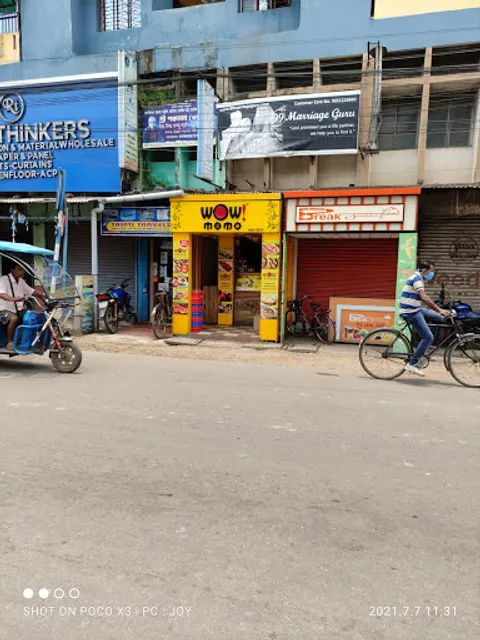
Wow! Momo
Ward No, 344, East, 04, Ghosh Para Rd, Shyamnagar, Kolkata, West Bengal 743127, India
Shree Guru Fast Food Centre
Muthoot Finance, 12/6, East, Ghosh Para Rd, Kolkata, West Bengal 743127, India
Nearby local services
Nearby hotels
Related posts
Keywords
Shyamnagar Kalibari tourism.Shyamnagar Kalibari hotels.Shyamnagar Kalibari bed and breakfast. flights to Shyamnagar Kalibari.Shyamnagar Kalibari attractions.Shyamnagar Kalibari restaurants.Shyamnagar Kalibari local services.Shyamnagar Kalibari travel.Shyamnagar Kalibari travel guide.Shyamnagar Kalibari travel blog.Shyamnagar Kalibari pictures.Shyamnagar Kalibari photos.Shyamnagar Kalibari travel tips.Shyamnagar Kalibari maps.Shyamnagar Kalibari things to do.
Shyamnagar Kalibari things to do, attractions, restaurants, events info and trip planning
Shyamnagar Kalibari
IndiaWest BengalShyamnagar Kalibari

Basic Info

Shyamnagar Kalibari

Shyamnagar, Bhatpara, West Bengal 743127, India
4.6(695)
Closed
Save
spot

Ratings & Description

Info

Cultural
Family friendly
attractions: , restaurants: Wow! Momo, Shree Guru Fast Food Centre, local businesses:

logoLearn more insights from Wanderboat AI.
Open hoursSee all hours
Fri7:30 AM - 12:25 PM, 4:15 - 8:25 PMClosed

Plan your stay

hotel
Pet-friendly Hotels in West Bengal
Find a cozy hotel nearby and make it a full experience.
hotel
Affordable Hotels in West Bengal
Find a cozy hotel nearby and make it a full experience.
hotel
The Coolest Hotels You Haven't Heard Of (Yet)
Find a cozy hotel nearby and make it a full experience.
hotel
Trending Stays Worth the Hype in West Bengal
Find a cozy hotel nearby and make it a full experience.

Reviews

Live events

Discover Kolkatas Flavours: A Heritage Food Tour
Fri, Jan 16 â€ĸ 3:30 PM
Kolkata, West Bengal, 700006, India
View details
Kolkata: A Sea of Faces and A Thousand Places
Fri, Jan 16 â€ĸ 9:30 AM
Kolkata, West Bengal, 700069, India
View details
Bengali Nights Food Tour with 15-plus tastings
Fri, Jan 16 â€ĸ 5:00 PM
Kolkata, West Bengal, 700013, India
View details

Nearby restaurants of Shyamnagar Kalibari

Wow! Momo

Shree Guru Fast Food Centre

Wow! Momo

Wow! Momo

4.0

(106)

Open until 10:30 PM
Click for details
Shree Guru Fast Food Centre

Shree Guru Fast Food Centre

3.0

(1)

Click for details
Get the Appoverlay
Get the AppOne tap to find yournext favorite spots!
Wanderboat LogoWanderboat

Your everyday Al companion for getaway ideas

CompanyAbout Us
InformationAI Trip PlannerSitemap
SocialXInstagramTiktokLinkedin
LegalTerms of ServicePrivacy Policy

Get the app

Š 2025 Wanderboat. All rights reserved.

Reviews of Shyamnagar Kalibari

4.6
(695)
avatar
5.0
22w

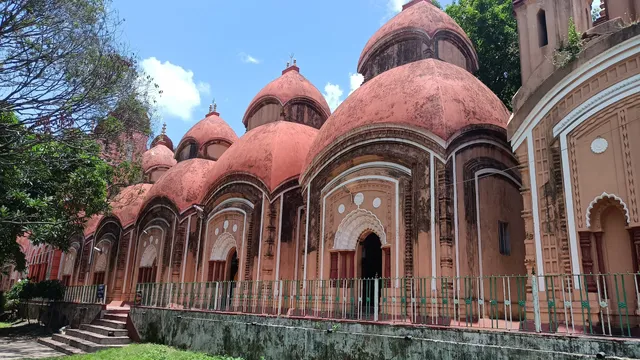
The Brahmamoyi Kali Bari in Shyamnagar, also known as Mulajore Kalibari, has a fascinating history tied to the illustrious Tagore family, though perhaps not in the way many might assume. The temple was established in 1809 on the bank of the Hooghly River. It was founded by Gopimohan Thakur, a scion of the Pathuriaghata branch of the Tagore family. It's important to note that this branch is a different line from that of Rabindranath Tagore's immediate family, though they share the same lineage. Gopimohan was the son of Darpanarayan Tagore, and his family was a prominent and wealthy landowning family in Kolkata. According to a local myth, the temple was built after a tragic incident. Gopimohan's daughter, Brahmamoyi, drowned in the Hooghly River, and her body was later found on the spot where the temple now stands. It is said that in a dream, the goddess instructed him to build a temple in her honor at that location. This story gives the temple its name, Brahmamoyi. The temple is a beautiful example of the traditional Nava Ratna (nine-pinnacled) style of architecture, a feature not commonly seen in many temples in West Bengal. It is also historically significant for being built before the more famous Dakshineswar Kali Temple. The temple's reputation for having a westward-facing deity is a point of local legend, with some saying the goddess turned her face to listen to the devotional songs of the revered saint Ramprasad Sen as he sailed on the river. Today, the Shyamnagar Brahmamoyi Kali Bari stands as a testament to the rich cultural and spiritual history of the region, attracting devotees and visitors who come to witness its architectural beauty and feel a connection to its legendary past. Photography...

   Read more
avatar
4.0
7y

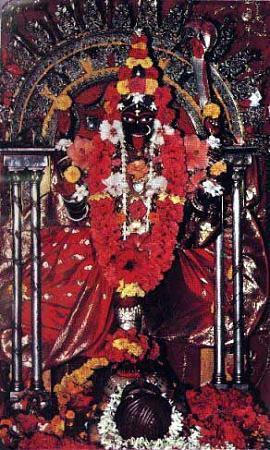
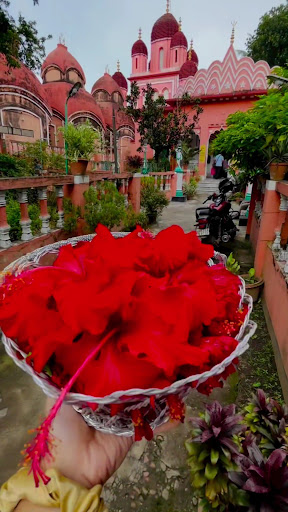
"Bramhomoyee Kali Mandir" of Mulajor, Shyamnagar is historically famous place. The temple is with 12 Shiva temple along with a "Radha - Krishna's mandir. The neat and clean 206 year old 'Nabaratna' styled Kali Temple situate very near to Shyamnagar railway station and the main road of Barasat. Ichapur 'Gun and Cell Factory' is very near this temple. Every year on the Bengali month "Poush' an attractive village fair is famous in this 24Paragana of West Bengal. The ancestors of 'Kabiguru Rabindranath Thakur', "Kshitish Kushari" came from Jessore, Bangladesh. Latter they have recieved the title "Thakur" and they started writing there's title as Thakur. 'Bhattanaryan' was son of Kshitish Kushari. The next generation was 'Dinanth Kushari' and his son 'Panchanan Kushari' got the title "Thakur". 'Jairam Thakur' son of Dinanth had four sons among them was 'Darpanatayan' who consecrated this Mata Kali (Bramhomoyee Kali) temple bank of Mata Ganga on the year May, 1812 (Bengali 1219, 31st Baisakh). Rabindranath was grandson of 'Anadiram' the elder son of 'Jairam' latter they do not believe in idol worship and Prince Dwarkanath father of Rabindranath started to follow the path of 'Bramhoism'. Mata Kali pictures downloaded from net as the present owners do not allow to click photographs...

   Read more
avatar
5.0
1y

Relatives of Rabindranath Tagore had set up Mulajor Kalibari at Shyamnagar in North 24 Parganas and it is unknown to many people. The temple beside Hooghly River is very eye soothing. One of the priests said the temple was constructed on 31 Baishakh in 1219 Bengali year around 200 years ago beside Hooghly River even before Dakhineswar Kali temple was set up by Rani Rashmoni Devi. Six priests are engaged for offering puja to goddess Kali and one of the temple priests said. "No dedicated book had been written on this temple and gradually history is fading away but we know relatives of Rabindranath Tagore constructed this temple".

Srijit Thakur is the surviving member of the Thakur family whose ancestors set up the temple, lives in Rajbari at Pathuriaghata Street near Natunbazar in Kolkata. According to the biographer of Rabindranath Tagore, Prabhat Kumar Mukhopadhyaya, the original surname of the Tagores was Kushari. They were Rarhi Brahmins and originally belonged to a village named Kush in the district named Burdwan in West Bengal. Rabindranath Tagore's ancestor Dinanath Kushari, the son of Bhatta Narayana was a native of...

   Read more
Page 1 of 7
Previous
Next

Posts

Bramhachari PalasbhaiBramhachari Palasbhai
"Bramhomoyee Kali Mandir" of Mulajor, Shyamnagar is historically famous place. The temple is with 12 Shiva temple along with a "Radha - Krishna's mandir. The neat and clean 206 year old 'Nabaratna' styled Kali Temple situate very near to Shyamnagar railway station and the main road of Barasat. Ichapur 'Gun and Cell Factory' is very near this temple. Every year on the Bengali month "Poush' an attractive village fair is famous in this 24Paragana of West Bengal. The ancestors of 'Kabiguru Rabindranath Thakur', "Kshitish Kushari" came from Jessore, Bangladesh. Latter they have recieved the title "Thakur" and they started writing there's title as Thakur. 'Bhattanaryan' was son of Kshitish Kushari. The next generation was 'Dinanth Kushari' and his son 'Panchanan Kushari' got the title "Thakur". 'Jairam Thakur' son of Dinanth had four sons among them was 'Darpanatayan' who consecrated this Mata Kali (Bramhomoyee Kali) temple bank of Mata Ganga on the year May, 1812 (Bengali 1219, 31st Baisakh). Rabindranath was grandson of 'Anadiram' the elder son of 'Jairam' latter they do not believe in idol worship and Prince Dwarkanath father of Rabindranath started to follow the path of 'Bramhoism'. Mata Kali pictures downloaded from net as the present owners do not allow to click photographs of the idol.
BABU KUMAR SINGHBABU KUMAR SINGH
āĻŽā§‚āϞāĻžāĻœā§‹āĻĄāĻŧ āĻ•āĻžāϞ⧀āĻŦāĻžāĻĄāĻŧāĻŋ āĻļā§āϝāĻžāĻŽāύāĻ—āϰ āφāĻŽāĻŋ āĻĢāĻžāĻ°ā§āĻ¸ā§āϟ āϟāĻžāχāĻŽ āĻāϞāĻžāĻŽ āϜāĻžāϝāĻŧāĻ—āĻžāϟāĻž āϖ⧁āĻŦ āĻ­āĻžāϞ⧋ āϞāĻžāĻ—āϞ⧋ āφāĻŽāĻŋ āĻāĻ•āϟāĻž āχāωāϟāĻŋāωāĻŦ āĻ­āĻŋāĻĄāĻŋāĻ“ āĻŦāĻžāύāĻŋāϝāĻŧ⧇ āύāĻŋāϞāĻžāĻŽ āĻ­āĻŋāĻĄāĻŋāĻ“āϟāĻŋ āĻĄā§‡āϏāĻ•ā§āϰāĻŋāĻĒāĻļāύ⧇ āĻĄāĻŋāĻŸā§‡āϞāϏ āϏāĻŦāĻ•āĻŋāϛ⧁ āĻĻ⧇āĻ“āϝāĻŧāĻž āφāϛ⧇ āφāĻļāĻž āĻ•āϰāĻŋ āĻ­āĻŋāĻĄāĻŋāĻ“āϟāĻž āϖ⧁āĻŦ āĻ­āĻžāϞ⧋ āϞāĻžāĻ—āĻŦ⧇ āχāωāϟāĻŋāωāĻŦ āĻšā§āϝāĻžāύ⧇āϞ⧇āϰ āύāĻžāĻŽ (B Lifestyle) Hi Guys āĻāχāϏāĻŦ āĻ­āĻŋāĻĄāĻŋāĻ“ āĻŦāĻžāύāĻžāύ⧋āϰ āĻāĻ•āϟāĻžāχ āωāĻĻā§āĻĻ⧇āĻļā§āϝ āϜāĻžāύāĻž āĻ…āϜāĻžāύāĻž āϤāĻĨā§āϝ āϕ⧇ āύāϤ⧁āύ āĻ­āĻžāĻŦ⧇ āĻĒā§āϰ⧇āĻœā§‡āĻ¨ā§āϟ āĻ•āϰāĻž āύāϤ⧁āύ āĻ•āĻŋāϛ⧁ āϜāĻžāύāĻžāϰ āύāϤ⧁āύ āĻ•āĻŋāϛ⧁ āϜāĻžāύāĻžāύ⧋āϰāĨ¤ ∆āĻļā§āϝāĻžāĻŽāύāĻ—āϰ āĻšāϞ āĻ­āĻžāϰāϤ⧇āϰ āĻĒāĻļā§āϚāĻŋāĻŽāĻŦāĻ™ā§āĻ— āϰāĻžāĻœā§āϝ⧇āϰ āωāĻ¤ā§āϤāϰ āϚāĻŦā§āĻŦāĻŋāĻļ āĻĒāϰāĻ—āύāĻž āĻœā§‡āϞāĻžāϰ āĻāĻ•āϟāĻŋ āĻļāĻšāϰāĨ¤ āĻāϟāĻŋ āĻœā§‡āϞāĻžāϰ āĻāĻ•āϟāĻŋ āϗ⧁āϰ⧁āĻ¤ā§āĻŦāĻĒā§‚āĻ°ā§āĻŖ āĻļāĻŋāĻ˛ā§āĻĒāϕ⧇āĻ¨ā§āĻĻā§āϰāĨ¤ āĻļāĻšāϰāϟāĻŋ āϰāĻžāĻœā§āϝ⧇āϰ āϰāĻžāϜāϧāĻžāύ⧀ āĻ•āϞāĻ•āĻžāϤāĻž āĻĨ⧇āϕ⧇ āĻĒā§āϰāĻžāϝāĻŧ ā§Šā§Ļ āĻ•āĻŋāϞ⧋āĻŽāĻŋāϟāĻžāϰ āĻĻā§‚āϰ⧇ āĻšā§āĻ—āϞāĻŋ āύāĻĻā§€āϰ āϤ⧀āϰ⧇ āĻ…āĻŦāĻ¸ā§āĻĨāĻŋāϤāĨ¤ āĻāχ āĻļāĻšāϰāϟāĻŋ āϝ⧇ āĻ•āĻžāϰāϪ⧇ āĻŦāĻŋāĻ–ā§āϝāĻžāϤ āϤāĻžāϰ āĻ…āĻ¨ā§āϝāϤāĻŽ āĻ•āĻžāϰāĻŖ āĻšāϞ⧋ āĻļā§āϝāĻžāĻŽāύāĻ—āϰ āĻ•āĻžāϞ⧀āĻŦāĻžā§œāĻŋ āĻŦāĻž āĻŽā§‚āϞāĻžāĻœā§‹ā§œ āĻ•āĻžāϞ⧀āĻŦāĻžā§œāĻŋāĨ¤ āĻāχ āĻŽāĻ¨ā§āĻĻāĻŋāϰāϟāĻŋ āĻĒā§āϰāϤāĻŋāĻˇā§āĻ āĻž āĻ•āϰ⧇āύ āĻ—ā§‹āĻĒā§€āĻŽā§‹āĻšāύ āĻ āĻžāϕ⧁āϰāĨ¤ āĻŽāĻšāĻžāϰāĻžāϜ āĻ•ā§ƒāĻˇā§āĻŖāϚāĻ¨ā§āĻĻā§āϰ āĻāĻ–āĻžāύ⧇ āĻ•āĻŦāĻŋ āĻ­āĻžāϰāϤāϚāĻ¨ā§āĻĻā§āϰ āϰāĻžā§Ÿ āϗ⧁āύāĻžāĻ•āϰāϕ⧇ āϜāĻŽāĻŋ āĻĒā§āϰāĻĻāĻžāύ āĻ•āϰ⧇āĻ›āĻŋāϞ⧇āύāĨ¤ āĻĒā§āϰāϤāĻŋ āĻŦāĻ›āϰ āĻĒ⧌āώ⧇āϰ āĻļā§€āϤ⧇ āĻāĻ•āĻŽāĻžāϏāĻŦā§āϝāĻžāĻĒā§€ āĻŽāĻ¨ā§āĻĻāĻŋāϰ⧇ āĻ•āĻžāϞ⧀ āĻŽāĻžā§Ÿā§‡āϰ āĻŦāĻŋāĻļ⧇āώ āĻĒ⧁āĻœā§‹ āφāϰāĻžāϧāύāĻž āϚāϞ⧇āĨ¤ āĻ•āĻĨāĻŋāϤ āφāϛ⧇, āĻĒā§āϰāĻŋāĻ¨ā§āϏ āĻĻā§āĻŦāĻžāϰāĻ•āĻžāύāĻžāĻĨ āĻ āĻžāϕ⧁āϰ⧇āϰ āĻ­āĻžāχ āĻĒā§āϰāĻŋāĻ¨ā§āϏ āĻĻā§āĻŦāĻžāϰāĻ•āĻžāύāĻžāĻĨ āĻ āĻžāϕ⧁āϰ⧇āϰ āĻ­āĻžāχ āĻ—ā§‹āĻĒā§€āĻŽā§‹āĻšāύ āĻ āĻžāϕ⧁āϰ⧇āϰ āĻ•āĻ¨ā§āϝāĻž āĻŦā§āϰāĻšā§āĻŽāĻŽā§Ÿā§€āϰ āφāϟ āĻŦāĻ›āϰ āĻŦ⧟āϏ⧇ āĻŦāĻŋāĻŦāĻžāĻš āĻ¸ā§āĻĨāĻŋāϰ āĻšā§ŸāĨ¤ āĻŦāĻŋāĻŦāĻžāĻšā§‡āϰ āĻĻāĻŋāύ āĻĒāĻžāϞāĻ•āĻŋ āĻ•āϰ⧇ āφāĻšāĻŋāϰ⧀āĻŸā§‹āϞāĻž āĻ—āĻ™ā§āĻ—āĻžāϰ āϘāĻžāĻŸā§‡ āϤāĻžāϕ⧇ āύāĻŋā§Ÿā§‡ āϝāĻžāĻ“ā§ŸāĻž āĻšā§ŸāĨ¤ āϝ⧇ āϘāĻžāĻŸā§‡āχ āĻŦā§āϰāĻšā§āĻŽāĻŽā§Ÿā§€ āĻ—āĻ™ā§āĻ—āĻžāϰ āϜāϞ⧇ āϤāϞāĻŋā§Ÿā§‡ āϝāĻžā§ŸāĨ¤ āĻāϰāĻĒāϰ āĻ—ā§‹āĻĒā§€āĻŽā§‹āĻšāύ āĻ āĻžāϕ⧁āϰ āĻāĻ•āĻĻāĻŋāύ āϰāĻžāϤ⧇ āϤāĻžāϰ āĻ•āĻ¨ā§āϝāĻžāϰ āĻ¸ā§āĻŦāĻĒā§āύāĻžāĻĻ⧇āĻļ āĻĒāĻžāύāĨ¤ āĻŽāĻž āĻ•āĻžāϞ⧀ āϤāĻžāρāϕ⧇ āĻ¸ā§āĻŦāĻĒā§āύ āĻĻāĻŋā§Ÿā§‡ āĻŦāϞ⧇āύ āϤāĻŋāύāĻŋ āĻŦā§āϰāĻšā§āĻŽāĻŽā§Ÿā§€āĨ¤ āĻŽā§‚āϞāĻžāĻœā§‹ā§œ āϘāĻžāĻŸā§‡ āĻŦā§āϰāĻšā§āĻŽāĻŽā§Ÿā§€āϰ āĻļāϰ⧀āϰ āĻĒāĻžāĻ“ā§ŸāĻž āϝāĻžāĻŦ⧇āĨ¤ āϏ⧇āĻ–āĻžāύ⧇āχ āϝ⧇āύ āĻ—ā§‹āĻĒā§€āĻŽā§‹āĻšāύ āĻ āĻžāϕ⧁āϰ āĻŽāĻ¨ā§āĻĻāĻŋāϰ āĻĒā§āϰāϤāĻŋāĻˇā§āĻ āĻž āĻ•āϰ⧇āύāĨ¤ āϤāĻžāϰāĻĒāϰ āĻ—ā§‹āĻĒā§€āĻŽā§‹āĻšāύ āĻ āĻžāϕ⧁āϰ āφāϜ āϝ⧇āĻ–āĻžāύ⧇ āĻŽā§‚āϞāĻžāĻœā§‹ā§œ āĻ•āĻžāϞ⧀āĻŦāĻžā§œāĻŋ āϏ⧇āĻ–āĻžāύ⧇ āφāϏ⧇āύ āĻ“ āϤāĻžāρāϰ āĻ•āĻ¨ā§āϝāĻžāϰ āĻļāϰ⧀āϰ āϖ⧁āρāĻœā§‡ āĻĒāĻžāύāĨ¤ āĻāϰāĻĒāϰ āĻ“āĻ–āĻžāύ⧇āχ āϤāĻŋāύāĻŋ āĻŽāĻ¨ā§āĻĻāĻŋāϰ āĻĒā§āϰāϤāĻŋāĻˇā§āĻ āĻž āĻ•āϰ⧇āύāĨ¤ āĻāĻ–āĻžāύ⧇āχ āϤāĻŋāύāĻŋ āĻŽāĻžāϟāĻŋāϤ⧇ āĻ—āĻžāρāĻĨāĻž āĻ…āĻŦāĻ¸ā§āĻĨāĻžā§Ÿ āĻ•āĻˇā§āϟāĻŋāĻĒāĻžāĻĨāϰ⧇āϰ āĻĻ⧇āĻŦā§€āĻŽā§‚āĻ°ā§āϤāĻŋ āĻĒāĻžāύāĨ¤ ā§§ā§Žā§Ļā§Ģ āϏāĻžāϞ⧇ āĻĒā§āϰāϤāĻŋāĻˇā§āĻ āĻŋāϤ āĻšā§Ÿ āĻāχ āĻ•āĻžāϞ⧀āĻŽāĻ¨ā§āĻĻāĻŋāϰ⧇āϰāĨ¤ āĻ…āĻŦāĻļā§āϝ āĻŽāĻ¨ā§āĻĻāĻŋāϰ⧇āϰ āĻ•āĻžāϜ āϏāĻŽāĻžāĻĒā§āϤ āĻšāĻ“ā§ŸāĻžāϰ āφāϗ⧇āχ āĻĒāϰāϞ⧋āĻ• āĻ—āĻŽāύ āĻ•āϰ⧇āύ āĻ—ā§‹āĻĒā§€āĻŽā§‹āĻšāύ āĻ āĻžāϕ⧁āϰāĨ¤ āϤāĻŋāύāĻŋ āĻĒāϰāϞ⧋āĻ• āĻ—āĻŽāύ āĻ•āϰāĻžāϰ āĻĒāϰ āĻŽāĻ¨ā§āĻĻāĻŋāϰāϟāĻŋāϰ āĻ•āĻžāϜ āĻ•āϰ⧇āύ āϤāĻžāρāϰ āϛ⧋āϟ āϛ⧇āϞ⧇ āĻĒā§āϰāϏāĻ¨ā§āύāϕ⧁āĻŽāĻžāϰ āĻ āĻžāϕ⧁āϰ⧎ āĻŦā§āϰāĻšā§āĻŽāĻŽā§Ÿā§€ āĻ•āĻžāϞ⧀ āĻŦāĻŋāĻļ⧇āώāĻ­āĻžāĻŦ⧇ āĻĒā§āϰāϏāĻŋāĻĻā§āϧāĻŋāϞāĻžāĻ­ āĻ•āϰ⧇āϛ⧇ āĻāĻ–āĻžāύ⧇āĨ¤ āĻāχ āĻ•āĻžāϞ⧀ āĻŽāĻ¨ā§āĻĻāĻŋāϰāϟāĻŋ āωāĻĻā§āϝāĻžāύāĻŦ⧇āĻˇā§āϟāĻŋāϤāĨ¤ āĻŽāĻ¨ā§āĻĻāĻŋāϰāĻĒā§āϰāĻžāĻ™ā§āĻ—āϪ⧇ āφāϛ⧇ ⧧⧍ āϟāĻŋ āĻļāĻŋāĻŦāĻŽāĻ¨ā§āĻĻāĻŋāϰāĨ¤ āĻ•āĻžāϞ⧀ āĻŽāĻ¨ā§āĻĻāĻŋāϰāϟāĻŋ āύāĻŦāϰāĻ¤ā§āύ āĻļāĻŋāĻ˛ā§āĻĒāĻļ⧈āϞ⧀āϤ⧇ āϤ⧈āϰāĻŋ⧎ āĻ•āĻžāϞ⧀ āĻŽāĻ¨ā§āĻĻāĻŋāϰāϏāĻš āĻļāĻŋāĻŦāĻŽāĻ¨ā§āĻĻāĻŋāϰāϗ⧁āϞāĻŋ āϏāĻŦ āĻĒāĻļā§āϚāĻŋāĻŽāĻŽā§āĻ–ā§€āĨ¤ āĻ—āĻ°ā§āĻ­ āĻŽāĻ¨ā§āĻĻāĻŋāϰ⧇ āĻ¸ā§āĻĨāĻžāĻĒāĻŋāϤ āĻĒā§āϰāϏāĻ¨ā§āύ āĻŽā§āĻ–āĻŽāĻŖā§āĻĄāϞ⧇āϰ āĻĻ⧇āĻŦā§€ āĻŦāĻŋāĻ—ā§āϰāĻšāϟāĻŋ āĻ•āĻžāϞ⧋āĻĒāĻžāĻĨāϰ āĻĻā§āĻŦāĻžāϰāĻž āĻŦāĻžāύāĻžāύ⧋⧎ āωāĻšā§āϚāϤāĻžā§Ÿ āĻĒā§āϰāĻžā§Ÿ āĻĢ⧁āϟ āϤāĻŋāύ⧇āĻ•āĨ¤ āĻĻ⧇āĻŦā§€ āĻāĻ–āĻžāύ⧇ āĻ¸ā§āĻŦāĻ°ā§āĻŖāĻžāϞāĻ™ā§āĻ•āĻžāϰāĻ­ā§‚āώāĻŋāϤāĻžāĨ¤ āĻļā§‹āύāĻž āϝāĻžā§Ÿ, āĻāχ āĻŽāĻ¨ā§āĻĻāĻŋāϰ⧇ āĻ¸ā§āĻŦ⧟āĻ‚ āĻŦāĻžāĻŽāĻžāĻ•ā§āĻˇā§āϝāĻžāĻĒāĻž āύāĻžāĻ•āĻŋ āύāĻŋāĻœā§‡āϰ āĻšāĻžāϤ⧇ āĻāĻ–āĻžāύ⧇ āĻĻ⧇āĻŦā§€āϰ āĻĒ⧁āĻœā§‹ āĻ•āϰāϤ⧇āύāĨ¤ āĻļā§āϝāĻžāĻŽāύāĻ—āϰ⧇āϰ āĻŦā§āϰāĻšā§āĻŽāĻŽā§Ÿā§€ āĻ•āĻžāϞ⧀ āĻŽāĻ¨ā§āĻĻāĻŋāϰ⧇āϰ āĻŽāϤ⧋ āĻāĻŽāύ āύāĻŦāϰāĻ¤ā§āύ āĻŽāĻ¨ā§āĻĻāĻŋāϰ āĻĒāĻļā§āϚāĻŋāĻŽāĻŦāĻ™ā§āϗ⧇ āϖ⧁āĻŦ āĻāĻ•āϟāĻž āύ⧇āχ āĻŦāϞāϞ⧇āχ āϚāϞ⧇āĨ¤ āĻŽāĻ¨ā§āĻĻāĻŋāϰ⧇āϰ āύāĻŋāĻ•āĻŸā§‡ āύāĻŦāύāĻŋāĻ°ā§āĻŽāĻŋāϤ āĻĒ⧁āĻœā§‹ āĻĻāĻžāϞāĻžāύ āφāϛ⧇, āϤ⧀āĻ°ā§āĻĨāϝāĻžāĻ¤ā§āϰ⧀āϰāĻž āĻāĻ•āϏāĻžāĻĨ⧇ āĻŦāϏāϤ⧇āĻ“ āĻĒāĻžāϰ⧇āύ āĻāĻ–āĻžāύ⧇āĨ¤ āĻŽāĻ¨ā§āĻĻāĻŋāϰ⧇āϰ āĻĻ⧁āχ āĻĒāĻžāĻļ⧇ āĻ›ā§ŸāϟāĻŋ āĻ•āϰ⧇ āϏāĻžāϰāĻŋāĻŦāĻĻā§āϧ āĻļāĻŋāĻŦāĻĻ⧇āωāϞāĨ¤ āϏāĻžāĻĻāĻž āĻ“ āĻ•āĻžāϞ⧋ āĻĻ⧁āχ āϰāĻ•āĻŽā§‡āϰ āĻļāĻŋāĻŦāϞāĻŋāĻ™ā§āĻ— āĻĻ⧇āĻ–āĻž āϝāĻžā§Ÿ āĻļāĻŋāĻŦ āĻĻ⧇āωāϞāϗ⧁āϞ⧋āϤ⧇āĨ¤ āĻļāĻŋāĻŦ āĻŽāĻ¨ā§āĻĻāĻŋāϰ⧇āϰ āĻ•āĻžāϜ āĻĒā§āϰāϏāĻ¨ā§āύāϕ⧁āĻŽāĻžāϰ āĻ āĻžāϕ⧁āϰ āϏāĻŽā§āĻĒāĻ¨ā§āύ āĻ•āϰ⧇āύāĨ¤ āĻŽāĻ¨ā§āĻĻāĻŋāϰ⧇āϰ āĻĻāĻžāϞāĻžāύ⧇āϰ āĻŦāĻžāϤāĻŋāϗ⧁āϞāĻŋ āχāωāϰ⧋āĻĒā§€ā§Ÿ āĻĒā§āϰāĻ­āĻžāĻŦ⧇āϰ āĻ•āĻĨāĻž āĻ¸ā§āĻŽāϰāĻŖ āĻ•āϰāĻŋā§Ÿā§‡ āĻĻā§‡ā§ŸāĨ¤ āĻŽāĻ¨ā§āĻĻāĻŋāϰ⧇ āϏ⧋āĻĒāĻžāύ⧇āϰ āĻ•āĻžāϛ⧇ āĻĻ⧁āχ āĻ¸ā§āϤāĻŽā§āϭ⧇āϰ āĻ“āĻĒāϰ āĻ°ā§Ÿā§‡āϛ⧇ āĻĻ⧁āϟāĻŋ āĻļā§āĻŦ⧇āϤ āĻĒāĻžāĻĨāϰ⧇āϰ āϏāĻŋāĻ‚āĻš āĻŽā§‚āĻ°ā§āϤāĻŋāĨ¤ āφāϰ āĻ¸ā§āϤāĻŽā§āϭ⧇āϰ āĻ—āĻžāĻ¤ā§āϰ⧇ āĻ–ā§‹āĻĻāĻžāχ āĻ•āϰāĻž āφāϛ⧇ āĻĻ⧁āϟāĻŋ āĻŦāĻŋāĻˇā§āϪ⧁ āĻŽā§‚āĻ°ā§āϤāĻŋāĨ¤ āĻ…āύ⧁āĻŽāĻžāύ āĻ•āϰāĻž āĻšā§Ÿ āĻāχ āĻŽā§‚āĻ°ā§āϤāĻŋ āĻĻ⧁āĻŸā§‹ āĻŦā§āϰāĻšā§āĻŽāĻŽā§Ÿā§€ āĻŽā§‚āĻ°ā§āϤāĻŋāϰ āϚāĻžāχāϤ⧇āĻ“ āĻĒā§āϰāĻžāĻšā§€āύāĨ¤ āĻĒā§āϰāϤāĻŋ āĻ…āĻŽāĻžāĻŦāĻ¸ā§āϝāĻžā§Ÿ, āϰāϟāĻ¨ā§āϤ⧀-āϚāϤ⧁āĻ°ā§āĻĻāĻļā§€āϤ⧇ āĻ•āĻžāϞ⧀āĻĒ⧁āĻœā§‹ āĻ“ āĻ—ā§‹āϟāĻž āĻĒ⧌āώāĻŽāĻžāϏ āĻŦā§āϝāĻžāĻĒā§€ āĻāĻ–āĻžāύ⧇ āĻ‰ā§ŽāϏāĻŦ āĻšā§ŸāĨ¤ āĻ•āĻžāϞ⧀āĻŦāĻžā§œāĻŋāϤ⧇ āφāύāĻ¨ā§āĻĻāĻļāĻ™ā§āĻ•āϰ, āĻ—ā§‹āĻĒā§€āĻļāĻ™ā§āĻ•āϰ āĻ“ āĻšāϰāĻļāĻ™ā§āĻ•āϰ āύāĻžāĻŽā§‡ āϤāĻŋāύāϟāĻŋ āĻŦ⧃āĻšā§Ž āĻļāĻŋāĻŦāϞāĻŋāĻ™ā§āĻ—āĻ“ āφāϛ⧇āĨ¤ āĻŽāĻ¨ā§āĻĻāĻŋāϰ⧇āϰ āĻĒāĻŋāĻ›āύ⧇ 'āĻ—ā§‹āĻĒā§€āύāĻžāĻĨ āĻœā§€āω' āύāĻžāĻŽā§‡ āĻļā§āϰ⧀āĻ•ā§ƒāĻˇā§āϪ⧇āϰ āĻāĻ•āϟāĻŋ āĻŦāĻŋāĻ—ā§āϰāĻš āφāϛ⧇āĨ¤ āϤāĻĨā§āϝāϏ⧂āĻ¤ā§āϰ- āύ⧀āϞāĻ•āĻŖā§āĻ  āĻĒāĻ¤ā§āϰāĻŋāĻ•āĻž, āĻšāĻŋāĻ¸ā§āĻŸā§āϰ āĻ…āĻĢ āĻ•āϞāĻ•āĻžāϤāĻž āĻĒāĻŋāĻĄāĻŋāĻāĻĢ, āχāĻ¨ā§āĻĄāĻŋ⧟āĻž āφāύāϰāĻŋāĻ­āĻŋāϞāĻĄ āĻĄāϟ āĻ•āĻŽāĨ¤ āĻŽā§‚āϞāĻžāĻœā§‹āĻĄāĻŧ āĻ•āĻžāϞ⧀āĻŦāĻžāĻĄāĻŧāĻŋ āĻŦāĻž āĻļā§āϝāĻžāĻŽāύāĻ—āϰ āĻ•āĻžāϞ⧀āĻŽāĻ¨ā§āĻĻāĻŋāϰ āĻāĻ•āϟāĻŋ āϐāϤāĻŋāĻšāĻžāϏāĻŋāĻ• āύāĻŋāĻĻāĻ°ā§āĻļāύāĨ¤ āĻāχ āĻŽāĻ¨ā§āĻĻāĻŋāϰ āĻ—āĻ™ā§āĻ—āĻž āύāĻĻā§€āϰ āϤ⧀āϰ⧇ āĻ¸ā§āĻĨāĻžāĻĒāĻŋāϤāĨ¤ āĻļā§€āϤāĻ•āĻžāϞ⧇ āĻĒā§āϰāϤāĻŋ āĻŦā§ŽāϏāϰ āĻĒ⧌āώ āĻŽāĻžāϏ⧇ āĻāĻ•āĻŽāĻžāϏ āϧāϰ⧇ āĻŽāĻ¨ā§āĻĻāĻŋāϰ⧇ āĻ•āĻžāϞ⧀ āĻŽāĻžāϝāĻŧ⧇āϰ āĻŦāĻŋāĻļ⧇āώ āĻĒ⧁āĻœā§‹ āφāϰāĻžāϧāύāĻž āϚāϞ⧇āĨ¤ āĻĻā§‚āϰ āĻĻā§‚āϰ āĻĨ⧇āϕ⧇ āφāĻ—āϤ āϧāĻ°ā§āĻŽāĻĒā§āϰāĻžāĻŖ āĻŽāĻžāύ⧁āώ āĻ­ā§‹āϰ āĻŦ⧇āϞāĻž āĻĨ⧇āϕ⧇ āĻĻā§€āĻ°ā§āϘ āϞāĻŽā§āĻŦāĻž āϞāĻžāχāύ⧇ āĻĻāĻžāρāĻĄāĻŧāĻŋāϝāĻŧ⧇ āĻāĻ• āĻœā§‹āĻĄāĻŧāĻž āĻŽā§āϞ⧋, āĻĢ⧁āϞ, āĻŦ⧇āϞāĻĒāĻžāϤāĻž, āĻĒā§āϰāϏāĻžāĻĻ āĻŽāĻžāϟāĻŋāϰ āϤ⧈āϰ⧀ āĻĄāĻžāϞāĻžāϝāĻŧ āϏāĻžāϜāĻŋāϝāĻŧ⧇ āĻŽāĻžāϝāĻŧ⧇āϰ āĻĒ⧁āĻœā§‹ āĻĻ⧇āύāĨ¤ āϤāĻžāχ āĻāχ āĻŦāĻŋāĻļ⧇āώ āĻĒ⧁āĻœā§‹āϰ āύāĻžāĻŽ 'āĻŽā§‚āϞāĻž āĻĄāĻžāϞāĻŋ'āĨ¤
SUBHADEEP BAKSISUBHADEEP BAKSI
Shyamnagar is a locality in Bhatpara Municipalityof North 24 Parganas district in the Indian state of West Bengal. It is a part of the area covered by Kolkata Metropolitan Development Authority(KMDA). The locality is considered one of the major development hubs in the district. According to local tale that the present place of the Kali temple was occupied of ‘Nandi’ (caste) and ‘Pirali’ so experienced priest from ‘Bhatpara toll (Sanskrit educational institution) ’ used to refuse offering puja to the goddess Mulajore Shyamnagar Kali as a result priests were brought from Bankura, Burdwan and other places. Later a Sanskrit College was set up by the king Gopimohan Thakur as a matter of pride and to make erudite Sanskrit students. Students were accommodated in this college hostel they used to take Prasad in the temple as a lunch and dinner.
See more posts
See more posts
hotel
Find your stay

Pet-friendly Hotels in West Bengal

Find a cozy hotel nearby and make it a full experience.

"Bramhomoyee Kali Mandir" of Mulajor, Shyamnagar is historically famous place. The temple is with 12 Shiva temple along with a "Radha - Krishna's mandir. The neat and clean 206 year old 'Nabaratna' styled Kali Temple situate very near to Shyamnagar railway station and the main road of Barasat. Ichapur 'Gun and Cell Factory' is very near this temple. Every year on the Bengali month "Poush' an attractive village fair is famous in this 24Paragana of West Bengal. The ancestors of 'Kabiguru Rabindranath Thakur', "Kshitish Kushari" came from Jessore, Bangladesh. Latter they have recieved the title "Thakur" and they started writing there's title as Thakur. 'Bhattanaryan' was son of Kshitish Kushari. The next generation was 'Dinanth Kushari' and his son 'Panchanan Kushari' got the title "Thakur". 'Jairam Thakur' son of Dinanth had four sons among them was 'Darpanatayan' who consecrated this Mata Kali (Bramhomoyee Kali) temple bank of Mata Ganga on the year May, 1812 (Bengali 1219, 31st Baisakh). Rabindranath was grandson of 'Anadiram' the elder son of 'Jairam' latter they do not believe in idol worship and Prince Dwarkanath father of Rabindranath started to follow the path of 'Bramhoism'. Mata Kali pictures downloaded from net as the present owners do not allow to click photographs of the idol.
Bramhachari Palasbhai

Bramhachari Palasbhai

hotel
Find your stay

Affordable Hotels in West Bengal

Find a cozy hotel nearby and make it a full experience.

Get the Appoverlay
Get the AppOne tap to find yournext favorite spots!
āĻŽā§‚āϞāĻžāĻœā§‹āĻĄāĻŧ āĻ•āĻžāϞ⧀āĻŦāĻžāĻĄāĻŧāĻŋ āĻļā§āϝāĻžāĻŽāύāĻ—āϰ āφāĻŽāĻŋ āĻĢāĻžāĻ°ā§āĻ¸ā§āϟ āϟāĻžāχāĻŽ āĻāϞāĻžāĻŽ āϜāĻžāϝāĻŧāĻ—āĻžāϟāĻž āϖ⧁āĻŦ āĻ­āĻžāϞ⧋ āϞāĻžāĻ—āϞ⧋ āφāĻŽāĻŋ āĻāĻ•āϟāĻž āχāωāϟāĻŋāωāĻŦ āĻ­āĻŋāĻĄāĻŋāĻ“ āĻŦāĻžāύāĻŋāϝāĻŧ⧇ āύāĻŋāϞāĻžāĻŽ āĻ­āĻŋāĻĄāĻŋāĻ“āϟāĻŋ āĻĄā§‡āϏāĻ•ā§āϰāĻŋāĻĒāĻļāύ⧇ āĻĄāĻŋāĻŸā§‡āϞāϏ āϏāĻŦāĻ•āĻŋāϛ⧁ āĻĻ⧇āĻ“āϝāĻŧāĻž āφāϛ⧇ āφāĻļāĻž āĻ•āϰāĻŋ āĻ­āĻŋāĻĄāĻŋāĻ“āϟāĻž āϖ⧁āĻŦ āĻ­āĻžāϞ⧋ āϞāĻžāĻ—āĻŦ⧇ āχāωāϟāĻŋāωāĻŦ āĻšā§āϝāĻžāύ⧇āϞ⧇āϰ āύāĻžāĻŽ (B Lifestyle) Hi Guys āĻāχāϏāĻŦ āĻ­āĻŋāĻĄāĻŋāĻ“ āĻŦāĻžāύāĻžāύ⧋āϰ āĻāĻ•āϟāĻžāχ āωāĻĻā§āĻĻ⧇āĻļā§āϝ āϜāĻžāύāĻž āĻ…āϜāĻžāύāĻž āϤāĻĨā§āϝ āϕ⧇ āύāϤ⧁āύ āĻ­āĻžāĻŦ⧇ āĻĒā§āϰ⧇āĻœā§‡āĻ¨ā§āϟ āĻ•āϰāĻž āύāϤ⧁āύ āĻ•āĻŋāϛ⧁ āϜāĻžāύāĻžāϰ āύāϤ⧁āύ āĻ•āĻŋāϛ⧁ āϜāĻžāύāĻžāύ⧋āϰāĨ¤ ∆āĻļā§āϝāĻžāĻŽāύāĻ—āϰ āĻšāϞ āĻ­āĻžāϰāϤ⧇āϰ āĻĒāĻļā§āϚāĻŋāĻŽāĻŦāĻ™ā§āĻ— āϰāĻžāĻœā§āϝ⧇āϰ āωāĻ¤ā§āϤāϰ āϚāĻŦā§āĻŦāĻŋāĻļ āĻĒāϰāĻ—āύāĻž āĻœā§‡āϞāĻžāϰ āĻāĻ•āϟāĻŋ āĻļāĻšāϰāĨ¤ āĻāϟāĻŋ āĻœā§‡āϞāĻžāϰ āĻāĻ•āϟāĻŋ āϗ⧁āϰ⧁āĻ¤ā§āĻŦāĻĒā§‚āĻ°ā§āĻŖ āĻļāĻŋāĻ˛ā§āĻĒāϕ⧇āĻ¨ā§āĻĻā§āϰāĨ¤ āĻļāĻšāϰāϟāĻŋ āϰāĻžāĻœā§āϝ⧇āϰ āϰāĻžāϜāϧāĻžāύ⧀ āĻ•āϞāĻ•āĻžāϤāĻž āĻĨ⧇āϕ⧇ āĻĒā§āϰāĻžāϝāĻŧ ā§Šā§Ļ āĻ•āĻŋāϞ⧋āĻŽāĻŋāϟāĻžāϰ āĻĻā§‚āϰ⧇ āĻšā§āĻ—āϞāĻŋ āύāĻĻā§€āϰ āϤ⧀āϰ⧇ āĻ…āĻŦāĻ¸ā§āĻĨāĻŋāϤāĨ¤ āĻāχ āĻļāĻšāϰāϟāĻŋ āϝ⧇ āĻ•āĻžāϰāϪ⧇ āĻŦāĻŋāĻ–ā§āϝāĻžāϤ āϤāĻžāϰ āĻ…āĻ¨ā§āϝāϤāĻŽ āĻ•āĻžāϰāĻŖ āĻšāϞ⧋ āĻļā§āϝāĻžāĻŽāύāĻ—āϰ āĻ•āĻžāϞ⧀āĻŦāĻžā§œāĻŋ āĻŦāĻž āĻŽā§‚āϞāĻžāĻœā§‹ā§œ āĻ•āĻžāϞ⧀āĻŦāĻžā§œāĻŋāĨ¤ āĻāχ āĻŽāĻ¨ā§āĻĻāĻŋāϰāϟāĻŋ āĻĒā§āϰāϤāĻŋāĻˇā§āĻ āĻž āĻ•āϰ⧇āύ āĻ—ā§‹āĻĒā§€āĻŽā§‹āĻšāύ āĻ āĻžāϕ⧁āϰāĨ¤ āĻŽāĻšāĻžāϰāĻžāϜ āĻ•ā§ƒāĻˇā§āĻŖāϚāĻ¨ā§āĻĻā§āϰ āĻāĻ–āĻžāύ⧇ āĻ•āĻŦāĻŋ āĻ­āĻžāϰāϤāϚāĻ¨ā§āĻĻā§āϰ āϰāĻžā§Ÿ āϗ⧁āύāĻžāĻ•āϰāϕ⧇ āϜāĻŽāĻŋ āĻĒā§āϰāĻĻāĻžāύ āĻ•āϰ⧇āĻ›āĻŋāϞ⧇āύāĨ¤ āĻĒā§āϰāϤāĻŋ āĻŦāĻ›āϰ āĻĒ⧌āώ⧇āϰ āĻļā§€āϤ⧇ āĻāĻ•āĻŽāĻžāϏāĻŦā§āϝāĻžāĻĒā§€ āĻŽāĻ¨ā§āĻĻāĻŋāϰ⧇ āĻ•āĻžāϞ⧀ āĻŽāĻžā§Ÿā§‡āϰ āĻŦāĻŋāĻļ⧇āώ āĻĒ⧁āĻœā§‹ āφāϰāĻžāϧāύāĻž āϚāϞ⧇āĨ¤ āĻ•āĻĨāĻŋāϤ āφāϛ⧇, āĻĒā§āϰāĻŋāĻ¨ā§āϏ āĻĻā§āĻŦāĻžāϰāĻ•āĻžāύāĻžāĻĨ āĻ āĻžāϕ⧁āϰ⧇āϰ āĻ­āĻžāχ āĻĒā§āϰāĻŋāĻ¨ā§āϏ āĻĻā§āĻŦāĻžāϰāĻ•āĻžāύāĻžāĻĨ āĻ āĻžāϕ⧁āϰ⧇āϰ āĻ­āĻžāχ āĻ—ā§‹āĻĒā§€āĻŽā§‹āĻšāύ āĻ āĻžāϕ⧁āϰ⧇āϰ āĻ•āĻ¨ā§āϝāĻž āĻŦā§āϰāĻšā§āĻŽāĻŽā§Ÿā§€āϰ āφāϟ āĻŦāĻ›āϰ āĻŦ⧟āϏ⧇ āĻŦāĻŋāĻŦāĻžāĻš āĻ¸ā§āĻĨāĻŋāϰ āĻšā§ŸāĨ¤ āĻŦāĻŋāĻŦāĻžāĻšā§‡āϰ āĻĻāĻŋāύ āĻĒāĻžāϞāĻ•āĻŋ āĻ•āϰ⧇ āφāĻšāĻŋāϰ⧀āĻŸā§‹āϞāĻž āĻ—āĻ™ā§āĻ—āĻžāϰ āϘāĻžāĻŸā§‡ āϤāĻžāϕ⧇ āύāĻŋā§Ÿā§‡ āϝāĻžāĻ“ā§ŸāĻž āĻšā§ŸāĨ¤ āϝ⧇ āϘāĻžāĻŸā§‡āχ āĻŦā§āϰāĻšā§āĻŽāĻŽā§Ÿā§€ āĻ—āĻ™ā§āĻ—āĻžāϰ āϜāϞ⧇ āϤāϞāĻŋā§Ÿā§‡ āϝāĻžā§ŸāĨ¤ āĻāϰāĻĒāϰ āĻ—ā§‹āĻĒā§€āĻŽā§‹āĻšāύ āĻ āĻžāϕ⧁āϰ āĻāĻ•āĻĻāĻŋāύ āϰāĻžāϤ⧇ āϤāĻžāϰ āĻ•āĻ¨ā§āϝāĻžāϰ āĻ¸ā§āĻŦāĻĒā§āύāĻžāĻĻ⧇āĻļ āĻĒāĻžāύāĨ¤ āĻŽāĻž āĻ•āĻžāϞ⧀ āϤāĻžāρāϕ⧇ āĻ¸ā§āĻŦāĻĒā§āύ āĻĻāĻŋā§Ÿā§‡ āĻŦāϞ⧇āύ āϤāĻŋāύāĻŋ āĻŦā§āϰāĻšā§āĻŽāĻŽā§Ÿā§€āĨ¤ āĻŽā§‚āϞāĻžāĻœā§‹ā§œ āϘāĻžāĻŸā§‡ āĻŦā§āϰāĻšā§āĻŽāĻŽā§Ÿā§€āϰ āĻļāϰ⧀āϰ āĻĒāĻžāĻ“ā§ŸāĻž āϝāĻžāĻŦ⧇āĨ¤ āϏ⧇āĻ–āĻžāύ⧇āχ āϝ⧇āύ āĻ—ā§‹āĻĒā§€āĻŽā§‹āĻšāύ āĻ āĻžāϕ⧁āϰ āĻŽāĻ¨ā§āĻĻāĻŋāϰ āĻĒā§āϰāϤāĻŋāĻˇā§āĻ āĻž āĻ•āϰ⧇āύāĨ¤ āϤāĻžāϰāĻĒāϰ āĻ—ā§‹āĻĒā§€āĻŽā§‹āĻšāύ āĻ āĻžāϕ⧁āϰ āφāϜ āϝ⧇āĻ–āĻžāύ⧇ āĻŽā§‚āϞāĻžāĻœā§‹ā§œ āĻ•āĻžāϞ⧀āĻŦāĻžā§œāĻŋ āϏ⧇āĻ–āĻžāύ⧇ āφāϏ⧇āύ āĻ“ āϤāĻžāρāϰ āĻ•āĻ¨ā§āϝāĻžāϰ āĻļāϰ⧀āϰ āϖ⧁āρāĻœā§‡ āĻĒāĻžāύāĨ¤ āĻāϰāĻĒāϰ āĻ“āĻ–āĻžāύ⧇āχ āϤāĻŋāύāĻŋ āĻŽāĻ¨ā§āĻĻāĻŋāϰ āĻĒā§āϰāϤāĻŋāĻˇā§āĻ āĻž āĻ•āϰ⧇āύāĨ¤ āĻāĻ–āĻžāύ⧇āχ āϤāĻŋāύāĻŋ āĻŽāĻžāϟāĻŋāϤ⧇ āĻ—āĻžāρāĻĨāĻž āĻ…āĻŦāĻ¸ā§āĻĨāĻžā§Ÿ āĻ•āĻˇā§āϟāĻŋāĻĒāĻžāĻĨāϰ⧇āϰ āĻĻ⧇āĻŦā§€āĻŽā§‚āĻ°ā§āϤāĻŋ āĻĒāĻžāύāĨ¤ ā§§ā§Žā§Ļā§Ģ āϏāĻžāϞ⧇ āĻĒā§āϰāϤāĻŋāĻˇā§āĻ āĻŋāϤ āĻšā§Ÿ āĻāχ āĻ•āĻžāϞ⧀āĻŽāĻ¨ā§āĻĻāĻŋāϰ⧇āϰāĨ¤ āĻ…āĻŦāĻļā§āϝ āĻŽāĻ¨ā§āĻĻāĻŋāϰ⧇āϰ āĻ•āĻžāϜ āϏāĻŽāĻžāĻĒā§āϤ āĻšāĻ“ā§ŸāĻžāϰ āφāϗ⧇āχ āĻĒāϰāϞ⧋āĻ• āĻ—āĻŽāύ āĻ•āϰ⧇āύ āĻ—ā§‹āĻĒā§€āĻŽā§‹āĻšāύ āĻ āĻžāϕ⧁āϰāĨ¤ āϤāĻŋāύāĻŋ āĻĒāϰāϞ⧋āĻ• āĻ—āĻŽāύ āĻ•āϰāĻžāϰ āĻĒāϰ āĻŽāĻ¨ā§āĻĻāĻŋāϰāϟāĻŋāϰ āĻ•āĻžāϜ āĻ•āϰ⧇āύ āϤāĻžāρāϰ āϛ⧋āϟ āϛ⧇āϞ⧇ āĻĒā§āϰāϏāĻ¨ā§āύāϕ⧁āĻŽāĻžāϰ āĻ āĻžāϕ⧁āϰ⧎ āĻŦā§āϰāĻšā§āĻŽāĻŽā§Ÿā§€ āĻ•āĻžāϞ⧀ āĻŦāĻŋāĻļ⧇āώāĻ­āĻžāĻŦ⧇ āĻĒā§āϰāϏāĻŋāĻĻā§āϧāĻŋāϞāĻžāĻ­ āĻ•āϰ⧇āϛ⧇ āĻāĻ–āĻžāύ⧇āĨ¤ āĻāχ āĻ•āĻžāϞ⧀ āĻŽāĻ¨ā§āĻĻāĻŋāϰāϟāĻŋ āωāĻĻā§āϝāĻžāύāĻŦ⧇āĻˇā§āϟāĻŋāϤāĨ¤ āĻŽāĻ¨ā§āĻĻāĻŋāϰāĻĒā§āϰāĻžāĻ™ā§āĻ—āϪ⧇ āφāϛ⧇ ⧧⧍ āϟāĻŋ āĻļāĻŋāĻŦāĻŽāĻ¨ā§āĻĻāĻŋāϰāĨ¤ āĻ•āĻžāϞ⧀ āĻŽāĻ¨ā§āĻĻāĻŋāϰāϟāĻŋ āύāĻŦāϰāĻ¤ā§āύ āĻļāĻŋāĻ˛ā§āĻĒāĻļ⧈āϞ⧀āϤ⧇ āϤ⧈āϰāĻŋ⧎ āĻ•āĻžāϞ⧀ āĻŽāĻ¨ā§āĻĻāĻŋāϰāϏāĻš āĻļāĻŋāĻŦāĻŽāĻ¨ā§āĻĻāĻŋāϰāϗ⧁āϞāĻŋ āϏāĻŦ āĻĒāĻļā§āϚāĻŋāĻŽāĻŽā§āĻ–ā§€āĨ¤ āĻ—āĻ°ā§āĻ­ āĻŽāĻ¨ā§āĻĻāĻŋāϰ⧇ āĻ¸ā§āĻĨāĻžāĻĒāĻŋāϤ āĻĒā§āϰāϏāĻ¨ā§āύ āĻŽā§āĻ–āĻŽāĻŖā§āĻĄāϞ⧇āϰ āĻĻ⧇āĻŦā§€ āĻŦāĻŋāĻ—ā§āϰāĻšāϟāĻŋ āĻ•āĻžāϞ⧋āĻĒāĻžāĻĨāϰ āĻĻā§āĻŦāĻžāϰāĻž āĻŦāĻžāύāĻžāύ⧋⧎ āωāĻšā§āϚāϤāĻžā§Ÿ āĻĒā§āϰāĻžā§Ÿ āĻĢ⧁āϟ āϤāĻŋāύ⧇āĻ•āĨ¤ āĻĻ⧇āĻŦā§€ āĻāĻ–āĻžāύ⧇ āĻ¸ā§āĻŦāĻ°ā§āĻŖāĻžāϞāĻ™ā§āĻ•āĻžāϰāĻ­ā§‚āώāĻŋāϤāĻžāĨ¤ āĻļā§‹āύāĻž āϝāĻžā§Ÿ, āĻāχ āĻŽāĻ¨ā§āĻĻāĻŋāϰ⧇ āĻ¸ā§āĻŦ⧟āĻ‚ āĻŦāĻžāĻŽāĻžāĻ•ā§āĻˇā§āϝāĻžāĻĒāĻž āύāĻžāĻ•āĻŋ āύāĻŋāĻœā§‡āϰ āĻšāĻžāϤ⧇ āĻāĻ–āĻžāύ⧇ āĻĻ⧇āĻŦā§€āϰ āĻĒ⧁āĻœā§‹ āĻ•āϰāϤ⧇āύāĨ¤ āĻļā§āϝāĻžāĻŽāύāĻ—āϰ⧇āϰ āĻŦā§āϰāĻšā§āĻŽāĻŽā§Ÿā§€ āĻ•āĻžāϞ⧀ āĻŽāĻ¨ā§āĻĻāĻŋāϰ⧇āϰ āĻŽāϤ⧋ āĻāĻŽāύ āύāĻŦāϰāĻ¤ā§āύ āĻŽāĻ¨ā§āĻĻāĻŋāϰ āĻĒāĻļā§āϚāĻŋāĻŽāĻŦāĻ™ā§āϗ⧇ āϖ⧁āĻŦ āĻāĻ•āϟāĻž āύ⧇āχ āĻŦāϞāϞ⧇āχ āϚāϞ⧇āĨ¤ āĻŽāĻ¨ā§āĻĻāĻŋāϰ⧇āϰ āύāĻŋāĻ•āĻŸā§‡ āύāĻŦāύāĻŋāĻ°ā§āĻŽāĻŋāϤ āĻĒ⧁āĻœā§‹ āĻĻāĻžāϞāĻžāύ āφāϛ⧇, āϤ⧀āĻ°ā§āĻĨāϝāĻžāĻ¤ā§āϰ⧀āϰāĻž āĻāĻ•āϏāĻžāĻĨ⧇ āĻŦāϏāϤ⧇āĻ“ āĻĒāĻžāϰ⧇āύ āĻāĻ–āĻžāύ⧇āĨ¤ āĻŽāĻ¨ā§āĻĻāĻŋāϰ⧇āϰ āĻĻ⧁āχ āĻĒāĻžāĻļ⧇ āĻ›ā§ŸāϟāĻŋ āĻ•āϰ⧇ āϏāĻžāϰāĻŋāĻŦāĻĻā§āϧ āĻļāĻŋāĻŦāĻĻ⧇āωāϞāĨ¤ āϏāĻžāĻĻāĻž āĻ“ āĻ•āĻžāϞ⧋ āĻĻ⧁āχ āϰāĻ•āĻŽā§‡āϰ āĻļāĻŋāĻŦāϞāĻŋāĻ™ā§āĻ— āĻĻ⧇āĻ–āĻž āϝāĻžā§Ÿ āĻļāĻŋāĻŦ āĻĻ⧇āωāϞāϗ⧁āϞ⧋āϤ⧇āĨ¤ āĻļāĻŋāĻŦ āĻŽāĻ¨ā§āĻĻāĻŋāϰ⧇āϰ āĻ•āĻžāϜ āĻĒā§āϰāϏāĻ¨ā§āύāϕ⧁āĻŽāĻžāϰ āĻ āĻžāϕ⧁āϰ āϏāĻŽā§āĻĒāĻ¨ā§āύ āĻ•āϰ⧇āύāĨ¤ āĻŽāĻ¨ā§āĻĻāĻŋāϰ⧇āϰ āĻĻāĻžāϞāĻžāύ⧇āϰ āĻŦāĻžāϤāĻŋāϗ⧁āϞāĻŋ āχāωāϰ⧋āĻĒā§€ā§Ÿ āĻĒā§āϰāĻ­āĻžāĻŦ⧇āϰ āĻ•āĻĨāĻž āĻ¸ā§āĻŽāϰāĻŖ āĻ•āϰāĻŋā§Ÿā§‡ āĻĻā§‡ā§ŸāĨ¤ āĻŽāĻ¨ā§āĻĻāĻŋāϰ⧇ āϏ⧋āĻĒāĻžāύ⧇āϰ āĻ•āĻžāϛ⧇ āĻĻ⧁āχ āĻ¸ā§āϤāĻŽā§āϭ⧇āϰ āĻ“āĻĒāϰ āĻ°ā§Ÿā§‡āϛ⧇ āĻĻ⧁āϟāĻŋ āĻļā§āĻŦ⧇āϤ āĻĒāĻžāĻĨāϰ⧇āϰ āϏāĻŋāĻ‚āĻš āĻŽā§‚āĻ°ā§āϤāĻŋāĨ¤ āφāϰ āĻ¸ā§āϤāĻŽā§āϭ⧇āϰ āĻ—āĻžāĻ¤ā§āϰ⧇ āĻ–ā§‹āĻĻāĻžāχ āĻ•āϰāĻž āφāϛ⧇ āĻĻ⧁āϟāĻŋ āĻŦāĻŋāĻˇā§āϪ⧁ āĻŽā§‚āĻ°ā§āϤāĻŋāĨ¤ āĻ…āύ⧁āĻŽāĻžāύ āĻ•āϰāĻž āĻšā§Ÿ āĻāχ āĻŽā§‚āĻ°ā§āϤāĻŋ āĻĻ⧁āĻŸā§‹ āĻŦā§āϰāĻšā§āĻŽāĻŽā§Ÿā§€ āĻŽā§‚āĻ°ā§āϤāĻŋāϰ āϚāĻžāχāϤ⧇āĻ“ āĻĒā§āϰāĻžāĻšā§€āύāĨ¤ āĻĒā§āϰāϤāĻŋ āĻ…āĻŽāĻžāĻŦāĻ¸ā§āϝāĻžā§Ÿ, āϰāϟāĻ¨ā§āϤ⧀-āϚāϤ⧁āĻ°ā§āĻĻāĻļā§€āϤ⧇ āĻ•āĻžāϞ⧀āĻĒ⧁āĻœā§‹ āĻ“ āĻ—ā§‹āϟāĻž āĻĒ⧌āώāĻŽāĻžāϏ āĻŦā§āϝāĻžāĻĒā§€ āĻāĻ–āĻžāύ⧇ āĻ‰ā§ŽāϏāĻŦ āĻšā§ŸāĨ¤ āĻ•āĻžāϞ⧀āĻŦāĻžā§œāĻŋāϤ⧇ āφāύāĻ¨ā§āĻĻāĻļāĻ™ā§āĻ•āϰ, āĻ—ā§‹āĻĒā§€āĻļāĻ™ā§āĻ•āϰ āĻ“ āĻšāϰāĻļāĻ™ā§āĻ•āϰ āύāĻžāĻŽā§‡ āϤāĻŋāύāϟāĻŋ āĻŦ⧃āĻšā§Ž āĻļāĻŋāĻŦāϞāĻŋāĻ™ā§āĻ—āĻ“ āφāϛ⧇āĨ¤ āĻŽāĻ¨ā§āĻĻāĻŋāϰ⧇āϰ āĻĒāĻŋāĻ›āύ⧇ 'āĻ—ā§‹āĻĒā§€āύāĻžāĻĨ āĻœā§€āω' āύāĻžāĻŽā§‡ āĻļā§āϰ⧀āĻ•ā§ƒāĻˇā§āϪ⧇āϰ āĻāĻ•āϟāĻŋ āĻŦāĻŋāĻ—ā§āϰāĻš āφāϛ⧇āĨ¤ āϤāĻĨā§āϝāϏ⧂āĻ¤ā§āϰ- āύ⧀āϞāĻ•āĻŖā§āĻ  āĻĒāĻ¤ā§āϰāĻŋāĻ•āĻž, āĻšāĻŋāĻ¸ā§āĻŸā§āϰ āĻ…āĻĢ āĻ•āϞāĻ•āĻžāϤāĻž āĻĒāĻŋāĻĄāĻŋāĻāĻĢ, āχāĻ¨ā§āĻĄāĻŋ⧟āĻž āφāύāϰāĻŋāĻ­āĻŋāϞāĻĄ āĻĄāϟ āĻ•āĻŽāĨ¤ āĻŽā§‚āϞāĻžāĻœā§‹āĻĄāĻŧ āĻ•āĻžāϞ⧀āĻŦāĻžāĻĄāĻŧāĻŋ āĻŦāĻž āĻļā§āϝāĻžāĻŽāύāĻ—āϰ āĻ•āĻžāϞ⧀āĻŽāĻ¨ā§āĻĻāĻŋāϰ āĻāĻ•āϟāĻŋ āϐāϤāĻŋāĻšāĻžāϏāĻŋāĻ• āύāĻŋāĻĻāĻ°ā§āĻļāύāĨ¤ āĻāχ āĻŽāĻ¨ā§āĻĻāĻŋāϰ āĻ—āĻ™ā§āĻ—āĻž āύāĻĻā§€āϰ āϤ⧀āϰ⧇ āĻ¸ā§āĻĨāĻžāĻĒāĻŋāϤāĨ¤ āĻļā§€āϤāĻ•āĻžāϞ⧇ āĻĒā§āϰāϤāĻŋ āĻŦā§ŽāϏāϰ āĻĒ⧌āώ āĻŽāĻžāϏ⧇ āĻāĻ•āĻŽāĻžāϏ āϧāϰ⧇ āĻŽāĻ¨ā§āĻĻāĻŋāϰ⧇ āĻ•āĻžāϞ⧀ āĻŽāĻžāϝāĻŧ⧇āϰ āĻŦāĻŋāĻļ⧇āώ āĻĒ⧁āĻœā§‹ āφāϰāĻžāϧāύāĻž āϚāϞ⧇āĨ¤ āĻĻā§‚āϰ āĻĻā§‚āϰ āĻĨ⧇āϕ⧇ āφāĻ—āϤ āϧāĻ°ā§āĻŽāĻĒā§āϰāĻžāĻŖ āĻŽāĻžāύ⧁āώ āĻ­ā§‹āϰ āĻŦ⧇āϞāĻž āĻĨ⧇āϕ⧇ āĻĻā§€āĻ°ā§āϘ āϞāĻŽā§āĻŦāĻž āϞāĻžāχāύ⧇ āĻĻāĻžāρāĻĄāĻŧāĻŋāϝāĻŧ⧇ āĻāĻ• āĻœā§‹āĻĄāĻŧāĻž āĻŽā§āϞ⧋, āĻĢ⧁āϞ, āĻŦ⧇āϞāĻĒāĻžāϤāĻž, āĻĒā§āϰāϏāĻžāĻĻ āĻŽāĻžāϟāĻŋāϰ āϤ⧈āϰ⧀ āĻĄāĻžāϞāĻžāϝāĻŧ āϏāĻžāϜāĻŋāϝāĻŧ⧇ āĻŽāĻžāϝāĻŧ⧇āϰ āĻĒ⧁āĻœā§‹ āĻĻ⧇āύāĨ¤ āϤāĻžāχ āĻāχ āĻŦāĻŋāĻļ⧇āώ āĻĒ⧁āĻœā§‹āϰ āύāĻžāĻŽ 'āĻŽā§‚āϞāĻž āĻĄāĻžāϞāĻŋ'āĨ¤
BABU KUMAR SINGH

BABU KUMAR SINGH

hotel
Find your stay

The Coolest Hotels You Haven't Heard Of (Yet)

Find a cozy hotel nearby and make it a full experience.

hotel
Find your stay

Trending Stays Worth the Hype in West Bengal

Find a cozy hotel nearby and make it a full experience.

Shyamnagar is a locality in Bhatpara Municipalityof North 24 Parganas district in the Indian state of West Bengal. It is a part of the area covered by Kolkata Metropolitan Development Authority(KMDA). The locality is considered one of the major development hubs in the district. According to local tale that the present place of the Kali temple was occupied of ‘Nandi’ (caste) and ‘Pirali’ so experienced priest from ‘Bhatpara toll (Sanskrit educational institution) ’ used to refuse offering puja to the goddess Mulajore Shyamnagar Kali as a result priests were brought from Bankura, Burdwan and other places. Later a Sanskrit College was set up by the king Gopimohan Thakur as a matter of pride and to make erudite Sanskrit students. Students were accommodated in this college hostel they used to take Prasad in the temple as a lunch and dinner.
SUBHADEEP BAKSI

SUBHADEEP BAKSI

See more posts
See more posts