HTML SitemapExplore
logo
Find Things to DoFind The Best Restaurants

Siddheswari Kalibari — Attraction in West Bengal

Name
Siddheswari Kalibari
Description
Nearby attractions
Kalna Shiv Mandir
69C7+Q2H, Thakur Para, Kalna, West Bengal 713409, India
KALNA RAJBARI CAMPUS
69C7+8X3, Kalna, West Bengal 713409, India
Lalji Mandir
69C8+Q3H, Kalna, West Bengal 713409, India
Pratapeswar Temple
69C7+CX6, inside Surya Samiti, near Muktidata Ambikeswar Temple, Shyamrai Para, Kalna, West Bengal 713409, India
Krishna Chandra Temple
69C8+C7R, Madan Gopal Gali, Kalna, West Bengal 713409, India
Nearby restaurants
Related posts
Keywords
Siddheswari Kalibari tourism.Siddheswari Kalibari hotels.Siddheswari Kalibari bed and breakfast. flights to Siddheswari Kalibari.Siddheswari Kalibari attractions.Siddheswari Kalibari restaurants.Siddheswari Kalibari travel.Siddheswari Kalibari travel guide.Siddheswari Kalibari travel blog.Siddheswari Kalibari pictures.Siddheswari Kalibari photos.Siddheswari Kalibari travel tips.Siddheswari Kalibari maps.Siddheswari Kalibari things to do.
Siddheswari Kalibari things to do, attractions, restaurants, events info and trip planning
Siddheswari Kalibari
IndiaWest BengalSiddheswari Kalibari

Basic Info

Siddheswari Kalibari

69G5+GJC, Kalna, West Bengal 713409, India
4.7(319)
Open 24 hours
Save
spot

Ratings & Description

Info

Cultural
Family friendly
Accessibility
attractions: Kalna Shiv Mandir, KALNA RAJBARI CAMPUS, Lalji Mandir, Pratapeswar Temple, Krishna Chandra Temple, restaurants:
logoLearn more insights from Wanderboat AI.
Phone
+91 83358 14131

Plan your stay

hotel
Pet-friendly Hotels in West Bengal
Find a cozy hotel nearby and make it a full experience.
hotel
Affordable Hotels in West Bengal
Find a cozy hotel nearby and make it a full experience.
hotel
The Coolest Hotels You Haven't Heard Of (Yet)
Find a cozy hotel nearby and make it a full experience.
hotel
Trending Stays Worth the Hype in West Bengal
Find a cozy hotel nearby and make it a full experience.

Reviews

Nearby attractions of Siddheswari Kalibari

Kalna Shiv Mandir

KALNA RAJBARI CAMPUS

Lalji Mandir

Pratapeswar Temple

Krishna Chandra Temple

Kalna Shiv Mandir

Kalna Shiv Mandir

4.6

(2.3K)

Closed
Click for details
KALNA RAJBARI CAMPUS

KALNA RAJBARI CAMPUS

4.6

(513)

Open until 5:00 PM
Click for details
Lalji Mandir

Lalji Mandir

4.7

(117)

Open 24 hours
Click for details
Pratapeswar Temple

Pratapeswar Temple

4.7

(101)

Open 24 hours
Click for details
Get the Appoverlay
Get the AppOne tap to find yournext favorite spots!
Wanderboat LogoWanderboat

Your everyday Al companion for getaway ideas

CompanyAbout Us
InformationAI Trip PlannerSitemap
SocialXInstagramTiktokLinkedin
LegalTerms of ServicePrivacy Policy

Get the app

© 2025 Wanderboat. All rights reserved.
logo

Reviews of Siddheswari Kalibari

4.7
(319)
avatar
4.0
15w

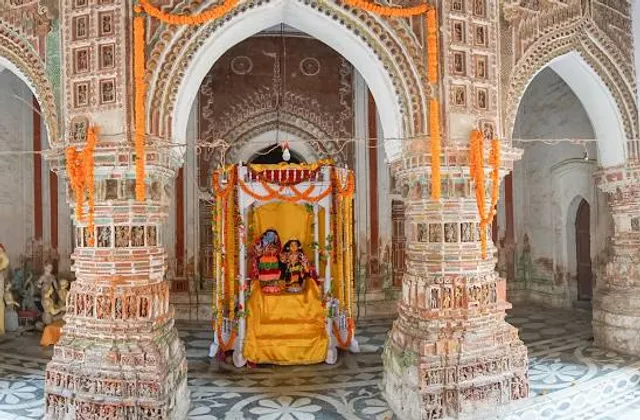
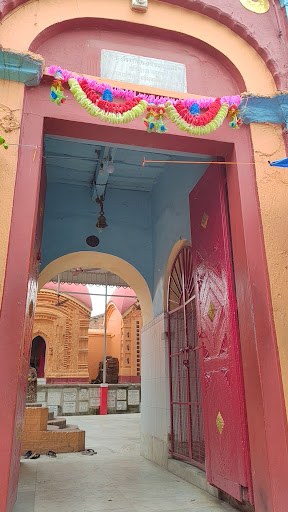
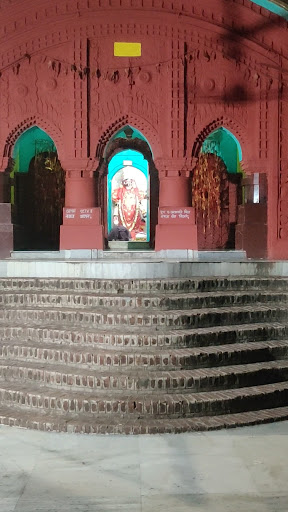
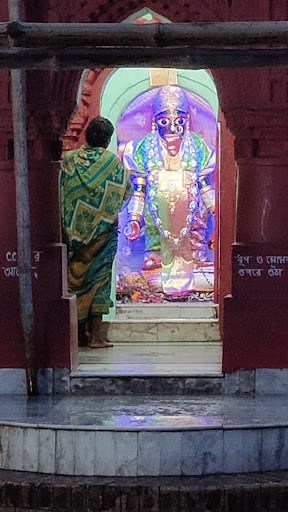
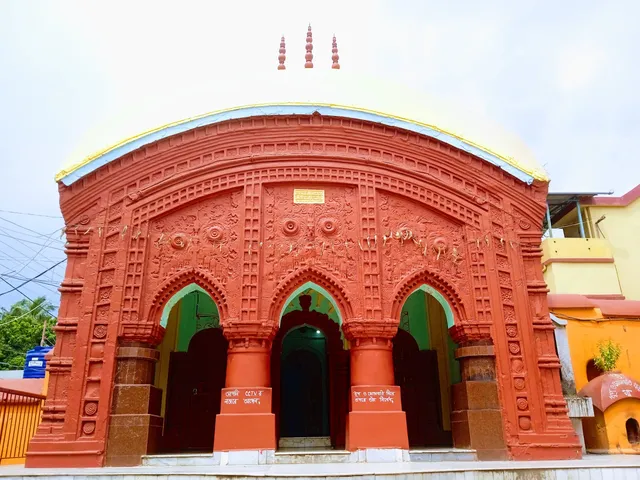
Here are some images of Siddheshwari Kali Mandir (সিদ্ধেশ্বরী কালীবাড়ি) in Ambika Kalna—also known as Kalna—in West Bengal. You can see its characteristic Jor-Bangla temple structure, the neem-wood idol of the goddess, and elements of the temple complex.

Overview & Historical Significance

Name & Location: Siddheshwari Kali Mandir, affectionately called Ambika Siddheshwari Kali Mandir, is situated in Kalna City, Purba Bardhaman district, West Bengal. The town itself is named Ambika Kalna after this temple’s presiding deity .

Legendary Origins: According to tradition, the temple was first established by sage Amburish around 688 AD, where the deity was worshipped using a simple earthen-pot (ghatt) ritual .

Renovation & Current Structure: The visible temple structure seen today—a fine example of Bengal’s Jor-Bangla architecture—was constructed or renovated in 1740–1741 by Raja Chitrasen Rai, a zamindar of Bardhaman. Some historians suggest remnants of older, 17th-century origins may exist, indicating a layered historical evolution .

Architecture & Deity Details

Architectural Style: The temple showcases the iconic Jor-Bangla style (two thatched hut forms joined together), a hallmark of medieval Bengali architecture .

Deity — Siddheshwari Kali:

The central idol is carved from a single branch of neem wood, known as Ambika Siddheshwari Kali .

In the sanctum, the four-armed standing goddess stands atop a base, with a small Shiva figure at her feet. She holds a khadga (sword) and a normundu (skull cup) and is beautifully adorned with crowns and ornaments .

Temple Complex: The temple compound includes three or five small ‘āt-chāla’ Shiva temples (a traditional eight-roofed style) housing Shiva lingams, adding to the sacred ambiance .

Rituals & Cultural Practices

Animal Sacrifice Tradition: A U-shaped sacrificial tool exists on the temple grounds, reportedly used historically—and perhaps even today—for animal sacrifices during the festival of Kartik Purnima. Goats or rams are traditionally offered, though modern practices may vary .

Priesthood: Worship at the temple is said to have been maintained by generations of the same priestly lineage—current accounts reference Sonatan Adhikari as a 7th-generation priest .

Visiting Information & Local Context

Opening Hours & Access: The temple is generally open twice daily—morning and evening (e.g., 7 AM–12:30 PM and 4:30 PM–7:30 PM)—and does not charge an entry fee. Visitors are expected to remove footwear and dress modestly .

Setting Within Kalna:

Located near the Bhagirathi-Hooghly river’s northeastern part of Kalna alk from the Ananta Basudev Temple, part of the rich religious...

   Read more
avatar
5.0
35w

Siddheswari Kali Bari Kalna

  • I have tried to write this review in detail about famous Siddheswari Kali Temple of Kalna*

Maharaja Chitrasen of Bardhaman established Siddheswari Kali Mandir in 1741. During this time Ambika Kalna or Kalna became a major river port and business hub in the eastern part of the country. Shri Ramchandra was the mason who was alternatively known as Ramhari Mistry from Sonamukhi, Bankura built this beautiful temple. Later on, the stairs were built by Patol Mistry of Kalna. Though the mandir was established by Raja Chitrasen in 1741, but actually it was there since long inside the dense forest. Once the Raja was travelling in the forest and found the dilapidated temple where the idol of Kali was being worshipped. He was impressed with the awesome view of the Goddess and decided to build a temple there.

The idol is made up of Neem wood and almost 5 feet high and made up of Neem wood. Devi gets daily puja by the Sebaits. Prepared fish item is a must for daily bhog. If fish is not available then, the Goddess is offered items prepared from wheat flour. Huge devotes gather daily to offer puja.

Ten days before Kali Puja the idol is painted and the temple is closed during this time as the idol gets new coat of paint. On the day before Kali Puja, the Goddess became Digambari and wears only golden ornaments. Selected priests and women only can view this Digambari Murti of the Goddess. During the rule of Raja Chitrasen, Rishi Amburish was the priest of the temple. Later, he adopted Taraprasanna of the Ghoshal family of East Sathgachhia. The descendants of Taraprasanna are the...

   Read more
avatar
5.0
2y

Religious place to visit in kalna in the burdwan district.Siddheswari Temple of Kalna was established in 688AD by Rishi (saint) Amburish. The first ritual conducted was the ghat pujo meaning worship of/with earthen pot. The auspicious image was made of wood of Neem tree by his descendant disciple Iswarish. This image was the representation of Bamakali idol.

Kalna Siddheswari Mandir was renovated by King Chitrasen Rai (Son of Kirti Chand Rai) in the year 1741.

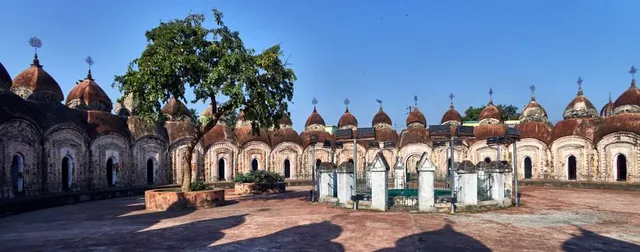
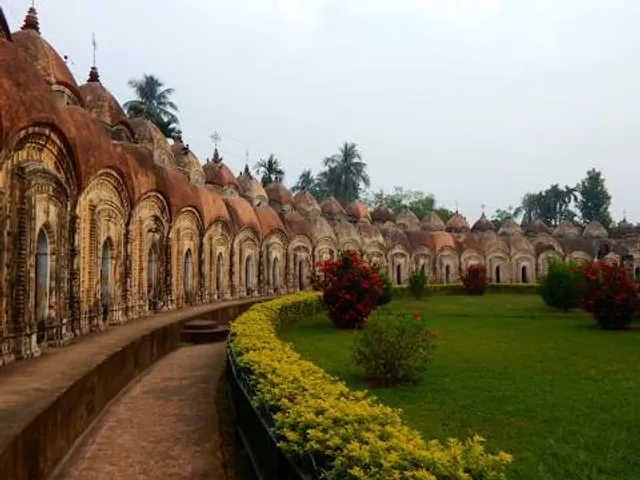
Kalna town looked calm, not much traffic, narrow lanes; it was quite an effort to get the right direction to Siddheshwari Kali Mandir. Take the directions to the temple when you are at  108 shiva temple there.

Walking distance from 108 Shiva temple is hardly 15 minutes, but a wrong turn can make you go in circles. Here is a map indicating direction from 108 Shiva Temple to Siddheswari Kalibari Kalna.

Kali literally means, ‘the black one’. The Goddess does look fearsome, her garland of severed heads and belt of human arms are hard to understand.

An interesting fact is that king of Bardhaman had a second palace in kalna town and ancient days the king built a temple for maa kali and renownedly it is known by ambika kalna and also in the ancient times, the king of bardhaman and family members of the king's bardhaman came to take a holy dip in the Ganges water for many ritual, also there is an interesting fact is that after the worship of the kali idols are done during the Kali puja, they are taken for the procession for the immersion of kali puja, they take for permission from the Siddheswari kali temple to go for immersion...

   Read more
Page 1 of 7
Previous
Next

Posts

IPSITA PALIPSITA PAL
Here are some images of Siddheshwari Kali Mandir (সিদ্ধেশ্বরী কালীবাড়ি) in Ambika Kalna—also known as Kalna—in West Bengal. You can see its characteristic Jor-Bangla temple structure, the neem-wood idol of the goddess, and elements of the temple complex. --- Overview & Historical Significance Name & Location: Siddheshwari Kali Mandir, affectionately called Ambika Siddheshwari Kali Mandir, is situated in Kalna City, Purba Bardhaman district, West Bengal. The town itself is named Ambika Kalna after this temple’s presiding deity . Legendary Origins: According to tradition, the temple was first established by sage Amburish around 688 AD, where the deity was worshipped using a simple earthen-pot (ghatt) ritual . Renovation & Current Structure: The visible temple structure seen today—a fine example of Bengal’s Jor-Bangla architecture—was constructed or renovated in 1740–1741 by Raja Chitrasen Rai, a zamindar of Bardhaman. Some historians suggest remnants of older, 17th-century origins may exist, indicating a layered historical evolution . --- Architecture & Deity Details Architectural Style: The temple showcases the iconic Jor-Bangla style (two thatched hut forms joined together), a hallmark of medieval Bengali architecture . Deity — Siddheshwari Kali: The central idol is carved from a single branch of neem wood, known as Ambika Siddheshwari Kali . In the sanctum, the four-armed standing goddess stands atop a base, with a small Shiva figure at her feet. She holds a khadga (sword) and a normundu (skull cup) and is beautifully adorned with crowns and ornaments . Temple Complex: The temple compound includes three or five small ‘āt-chāla’ Shiva temples (a traditional eight-roofed style) housing Shiva lingams, adding to the sacred ambiance . --- Rituals & Cultural Practices Animal Sacrifice Tradition: A U-shaped sacrificial tool exists on the temple grounds, reportedly used historically—and perhaps even today—for animal sacrifices during the festival of Kartik Purnima. Goats or rams are traditionally offered, though modern practices may vary . Priesthood: Worship at the temple is said to have been maintained by generations of the same priestly lineage—current accounts reference Sonatan Adhikari as a 7th-generation priest . --- Visiting Information & Local Context Opening Hours & Access: The temple is generally open twice daily—morning and evening (e.g., 7 AM–12:30 PM and 4:30 PM–7:30 PM)—and does not charge an entry fee. Visitors are expected to remove footwear and dress modestly . Setting Within Kalna: Located near the Bhagirathi-Hooghly river’s northeastern part of Kalna alk from the Ananta Basudev Temple, part of the rich religious heritage of Ambika
Shyamal DharShyamal Dhar
Siddheswari Kali Bari Kalna ** I have tried to write this review in detail about famous Siddheswari Kali Temple of Kalna** Maharaja Chitrasen of Bardhaman established Siddheswari Kali Mandir in 1741. During this time Ambika Kalna or Kalna became a major river port and business hub in the eastern part of the country. Shri Ramchandra was the mason who was alternatively known as Ramhari Mistry from Sonamukhi, Bankura built this beautiful temple. Later on, the stairs were built by Patol Mistry of Kalna. Though the mandir was established by Raja Chitrasen in 1741, but actually it was there since long inside the dense forest. Once the Raja was travelling in the forest and found the dilapidated temple where the idol of Kali was being worshipped. He was impressed with the awesome view of the Goddess and decided to build a temple there. The idol is made up of Neem wood and almost 5 feet high and made up of Neem wood. Devi gets daily puja by the Sebaits. Prepared fish item is a must for daily bhog. If fish is not available then, the Goddess is offered items prepared from wheat flour. Huge devotes gather daily to offer puja. Ten days before Kali Puja the idol is painted and the temple is closed during this time as the idol gets new coat of paint. On the day before Kali Puja, the Goddess became Digambari and wears only golden ornaments. Selected priests and women only can view this Digambari Murti of the Goddess. During the rule of Raja Chitrasen, Rishi Amburish was the priest of the temple. Later, he adopted Taraprasanna of the Ghoshal family of East Sathgachhia. The descendants of Taraprasanna are the Sebaits till now. ****
Riyanka SahaRiyanka Saha
Indeed, a holy place. This terracotta temple built in Jor Bangla style of architecture is the oldest temple of Kalna. Devi Ambika resides in the sanctum sanctorum of the temple. The town 'Ambika Kalna' is named after Devi Ambika. The five feet tall statue of the Goddess is made of neem wood. This idol is said to be made in the 6th or 7th century. But the idol of Shiva is not made of wood. From this, it can be assumed that the idol of Shiva was installed later. There is difference of opinion about the year of the construction of the temple. According to the historians, Chitrasen Rai, the Raja of Burdwan renovated this temple approximately in 1739. But the idol of the Goddess was originally installed by Sage Ambu in the 7th century. Some people say that originally Devi Ambika or Siddheshwari Kali was the Jain Goddess 'Ambika'. In the past, tantric rituals were practised here. There are a few aat-chala temples dedicated to Lord Shiva inside the temple complex. These temples were built in the 18th century. One can notice that Siddheshwari Kali temple is situated on a surface that is higher than the plain surface. This is for the protection against flooding on river Bhagirathi. Once upon a time, there was a sacred pond named Ambika pond near the temple. In the past days, the water of the pond was used for various activities of the temple. Even the goat was taken to the pond for a bath before its ritualistic sacrifice to the deity. At that time, many utensils were kept in the pond which could be used by the poor people for various social occasions like marriage.
See more posts
See more posts
hotel
Find your stay

Pet-friendly Hotels in West Bengal

Find a cozy hotel nearby and make it a full experience.

Here are some images of Siddheshwari Kali Mandir (সিদ্ধেশ্বরী কালীবাড়ি) in Ambika Kalna—also known as Kalna—in West Bengal. You can see its characteristic Jor-Bangla temple structure, the neem-wood idol of the goddess, and elements of the temple complex. --- Overview & Historical Significance Name & Location: Siddheshwari Kali Mandir, affectionately called Ambika Siddheshwari Kali Mandir, is situated in Kalna City, Purba Bardhaman district, West Bengal. The town itself is named Ambika Kalna after this temple’s presiding deity . Legendary Origins: According to tradition, the temple was first established by sage Amburish around 688 AD, where the deity was worshipped using a simple earthen-pot (ghatt) ritual . Renovation & Current Structure: The visible temple structure seen today—a fine example of Bengal’s Jor-Bangla architecture—was constructed or renovated in 1740–1741 by Raja Chitrasen Rai, a zamindar of Bardhaman. Some historians suggest remnants of older, 17th-century origins may exist, indicating a layered historical evolution . --- Architecture & Deity Details Architectural Style: The temple showcases the iconic Jor-Bangla style (two thatched hut forms joined together), a hallmark of medieval Bengali architecture . Deity — Siddheshwari Kali: The central idol is carved from a single branch of neem wood, known as Ambika Siddheshwari Kali . In the sanctum, the four-armed standing goddess stands atop a base, with a small Shiva figure at her feet. She holds a khadga (sword) and a normundu (skull cup) and is beautifully adorned with crowns and ornaments . Temple Complex: The temple compound includes three or five small ‘āt-chāla’ Shiva temples (a traditional eight-roofed style) housing Shiva lingams, adding to the sacred ambiance . --- Rituals & Cultural Practices Animal Sacrifice Tradition: A U-shaped sacrificial tool exists on the temple grounds, reportedly used historically—and perhaps even today—for animal sacrifices during the festival of Kartik Purnima. Goats or rams are traditionally offered, though modern practices may vary . Priesthood: Worship at the temple is said to have been maintained by generations of the same priestly lineage—current accounts reference Sonatan Adhikari as a 7th-generation priest . --- Visiting Information & Local Context Opening Hours & Access: The temple is generally open twice daily—morning and evening (e.g., 7 AM–12:30 PM and 4:30 PM–7:30 PM)—and does not charge an entry fee. Visitors are expected to remove footwear and dress modestly . Setting Within Kalna: Located near the Bhagirathi-Hooghly river’s northeastern part of Kalna alk from the Ananta Basudev Temple, part of the rich religious heritage of Ambika
IPSITA PAL

IPSITA PAL

hotel
Find your stay

Affordable Hotels in West Bengal

Find a cozy hotel nearby and make it a full experience.

Get the Appoverlay
Get the AppOne tap to find yournext favorite spots!
Siddheswari Kali Bari Kalna ** I have tried to write this review in detail about famous Siddheswari Kali Temple of Kalna** Maharaja Chitrasen of Bardhaman established Siddheswari Kali Mandir in 1741. During this time Ambika Kalna or Kalna became a major river port and business hub in the eastern part of the country. Shri Ramchandra was the mason who was alternatively known as Ramhari Mistry from Sonamukhi, Bankura built this beautiful temple. Later on, the stairs were built by Patol Mistry of Kalna. Though the mandir was established by Raja Chitrasen in 1741, but actually it was there since long inside the dense forest. Once the Raja was travelling in the forest and found the dilapidated temple where the idol of Kali was being worshipped. He was impressed with the awesome view of the Goddess and decided to build a temple there. The idol is made up of Neem wood and almost 5 feet high and made up of Neem wood. Devi gets daily puja by the Sebaits. Prepared fish item is a must for daily bhog. If fish is not available then, the Goddess is offered items prepared from wheat flour. Huge devotes gather daily to offer puja. Ten days before Kali Puja the idol is painted and the temple is closed during this time as the idol gets new coat of paint. On the day before Kali Puja, the Goddess became Digambari and wears only golden ornaments. Selected priests and women only can view this Digambari Murti of the Goddess. During the rule of Raja Chitrasen, Rishi Amburish was the priest of the temple. Later, he adopted Taraprasanna of the Ghoshal family of East Sathgachhia. The descendants of Taraprasanna are the Sebaits till now. ****
Shyamal Dhar

Shyamal Dhar

hotel
Find your stay

The Coolest Hotels You Haven't Heard Of (Yet)

Find a cozy hotel nearby and make it a full experience.

hotel
Find your stay

Trending Stays Worth the Hype in West Bengal

Find a cozy hotel nearby and make it a full experience.

Indeed, a holy place. This terracotta temple built in Jor Bangla style of architecture is the oldest temple of Kalna. Devi Ambika resides in the sanctum sanctorum of the temple. The town 'Ambika Kalna' is named after Devi Ambika. The five feet tall statue of the Goddess is made of neem wood. This idol is said to be made in the 6th or 7th century. But the idol of Shiva is not made of wood. From this, it can be assumed that the idol of Shiva was installed later. There is difference of opinion about the year of the construction of the temple. According to the historians, Chitrasen Rai, the Raja of Burdwan renovated this temple approximately in 1739. But the idol of the Goddess was originally installed by Sage Ambu in the 7th century. Some people say that originally Devi Ambika or Siddheshwari Kali was the Jain Goddess 'Ambika'. In the past, tantric rituals were practised here. There are a few aat-chala temples dedicated to Lord Shiva inside the temple complex. These temples were built in the 18th century. One can notice that Siddheshwari Kali temple is situated on a surface that is higher than the plain surface. This is for the protection against flooding on river Bhagirathi. Once upon a time, there was a sacred pond named Ambika pond near the temple. In the past days, the water of the pond was used for various activities of the temple. Even the goat was taken to the pond for a bath before its ritualistic sacrifice to the deity. At that time, many utensils were kept in the pond which could be used by the poor people for various social occasions like marriage.
Riyanka Saha

Riyanka Saha

See more posts
See more posts