A Serene Memorial of Elegance – Tomb of Azimunissa Begum
Rating: ⭐️⭐️⭐️⭐️⭐️
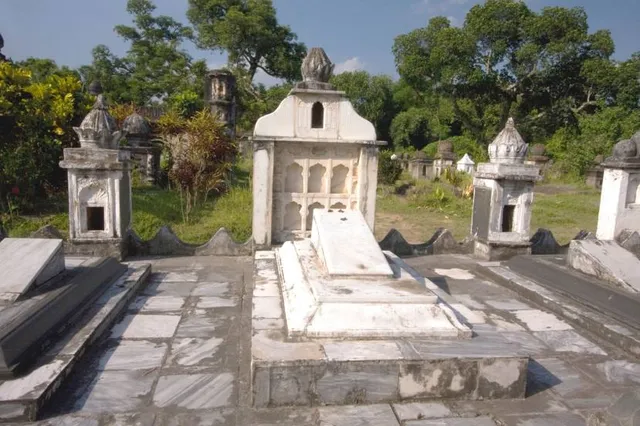
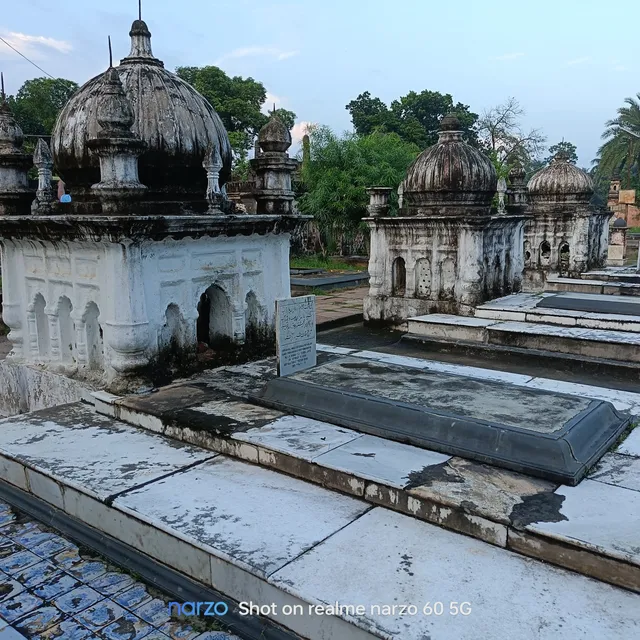
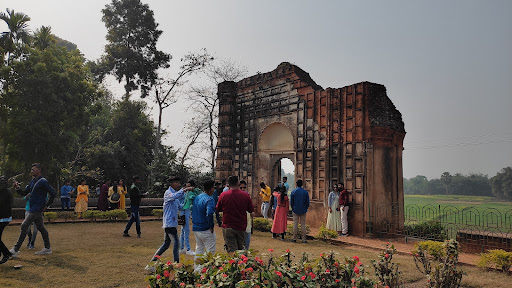
Nestled in the heart of Azimnagar, within the Murshidabad district, the Tomb of Azimunissa Begum stands as a testament to both architectural grace and historical intrigue. As an ASI Listed Monument, this site not only preserves the memory of Azimunissa Begum but also offers visitors a glimpse into the rich tapestry of Bengal's past.
Azimunissa Begum, also known as Zinatunissa Begum, was the daughter of the formidable Murshid Quli Khan and the wife of the second Nawab of Bengal, Shuja-ud-Din Muhammad Khan. The legacy of this noble lady is enshrined in the serene surroundings of her tomb, which has been recognized as a monument of national importance.
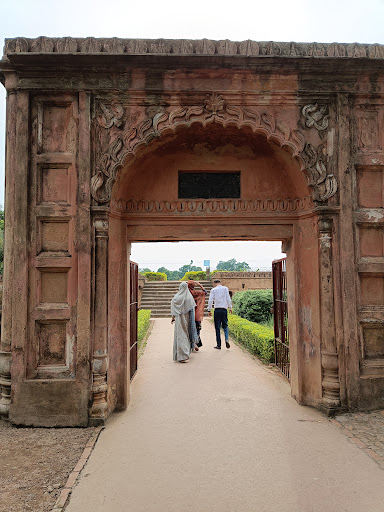
The tomb, located in the vicinity of the Katra Masjid, is a testament to the historical and cultural significance of Murshidabad. The accompanying mosque, built in 1734 by Azimunissa Begum herself, once stood proudly, but time and the forces of nature have eroded parts of its structure. The remaining fragment, however, echoes the architectural finesse of its time.
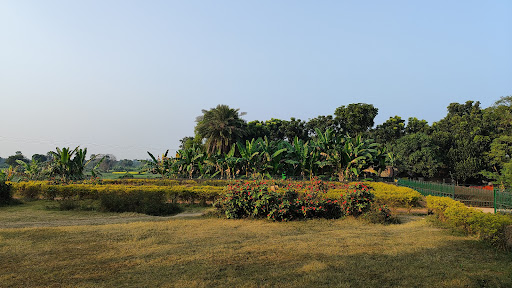
The well-laid-out gardens surrounding the tomb add to the tranquil atmosphere, inviting visitors to stroll and contemplate the historical richness encapsulated within the site. The local lore surrounding Azimunissa Begum, while intriguing, remains unverified. The whispered tales of cruelty and her alleged burial alive by her husband, Shuja-ud-Din Muhammad Khan, are shrouded in myth rather than confirmed history.
The design of Azimunissa Begum's tomb, positioned below the stairs akin to her father's resting place, reflects the humility of Nawab Murshid Quli Khan. Legend has it that he ordered his mortal remains to be buried beneath the steps of the Katra Masjid, symbolizing a desire to be trodden upon by all who passed by – a gesture of remarkable humility from a man of great influence.
In conclusion, the Tomb of Azimunissa Begum is a serene sanctuary that beautifully encapsulates the intricate history and cultural legacy of Murshidabad. Whether you come seeking historical insights or simply wish to experience the tranquility of the surroundings, this monument beckons with a timeless charm. A visit to this site is a journey into the pages of Bengal's past, where elegance meets history in an embrace that lingers long...
Read moreThe Tomb of Azimunnesha Begum in Murshidabad, West Bengal, is a remarkable historical monument that showcases the rich cultural heritage of the region. This stunning structure is a testament to the Mughal era, reflecting the style and architecture of the time. The tomb was constructed in the 18th century in memory of Azimunnesha Begum, the daughter of Nawab Alivardi Khan, who was one of the most prominent rulers of Bengal. The tomb's striking architecture is a blend of Mughal and Bengali styles. The building is built on a raised platform and features intricate designs and embellishments on its walls, domes, and minarets. The interior is equally impressive, with a beautifully decorated ceiling, elaborate carvings, and ornate lattice work. The Tomb of Azimunnesha Begum is a significant attraction for tourists visiting Murshidabad, and it is also an important site for historians and architecture enthusiasts. The tomb's historical significance and architectural beauty make it a must-visit destination for anyone interested in Bengal's cultural heritage. The surrounding area is also worth exploring, with several other historical sites in the vicinity, such as the Hazarduari Palace, Nizamat Imambara, and Katra Mosque. Visitors can immerse themselves in the rich history and culture of the region by exploring these sites and learning about the various rulers who shaped Bengal's past. Overall, the Tomb of Azimunnesha Begum in Murshidabad is a fascinating destination that offers a glimpse into the region's rich history and cultural heritage. Its stunning architecture and historical significance make it a must-visit attraction for anyone traveling to...
Read moreThe Tomb of Azimunnisa Begum in Murshidabad is a historical monument that stands as a testament to the rich cultural heritage of Bengal. Built in 1711 by Prince Azim-us-Shan, the tomb is dedicated to Azimunnisa Begum, the daughter of Murshid Quli Khan, the first Nawab of Bengal. The tomb is known for its elegant Mughal architecture, featuring intricate designs and a serene garden that adds to its tranquil atmosphere.
Despite local myths and legends surrounding Azimunnisa Begum, including tales of her alleged cruelty, the tomb remains a peaceful and picturesque site for visitors. The surrounding gardens and the remnants of the mosque built by Azimunnisa Begum herself offer a glimpse into the past, making it a must-visit for history enthusiasts and those interested in Mughal architecture.
★Story of Azimunnisa Begum★
According to local folklore, Azimunnisa Begum was a very influential woman. She suddenly fell victim to a severe and incurable disease. The family called numerous doctors, herbalists, and Hakims to cure her, but nothing seemed to work. Eventually, a Hakim was able to cure her dreadful illness. However, the treatment prescribed by the Hakim was terrifying; she was advised to consume a child's heart every day. Following the Hakim’s recommendation, she began eating a child’s liver daily. Soon, she recovered completely, but this practice turned into an obsession for her. This story adds a chilling layer to the history of...
Read more