Nestled in the heart of Bali, Taman Ayun Temple emerges as a testament to the island's rich cultural legacy, seamlessly blending architectural elegance with historical significance. My recent visit to this UNESCO World Heritage Site unveiled its unique charm, the reasons behind its esteemed designation, and the unexpected tranquility that graces its deserted grounds—an enchanting discovery that speaks to its royal patronage and moat-like structure.
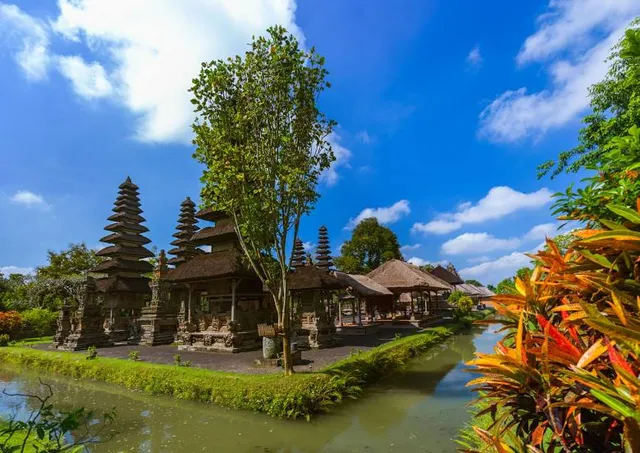
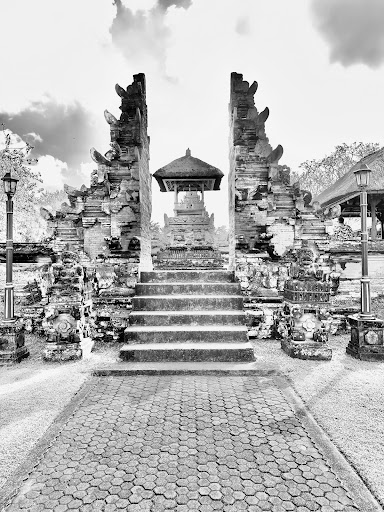
Taman Ayun Temple distinguishes itself with a unique architectural finesse that harmoniously fuses Balinese traditions with influences from Java. The name "Taman Ayun" translates to "Beautiful Garden," a fitting description for the temple's lush surroundings and meticulously landscaped gardens. The temple's uniqueness lies in its multi-tiered shrines, intricate carvings, and expansive courtyards that mirror the grandeur of Bali's royal history.
Designated as a UNESCO World Heritage Site, Taman Ayun Temple holds cultural and historical significance as one of Bali's most important royal complexes. It served as the main temple of the Mengwi Kingdom, showcasing the island's indigenous architectural style while incorporating elements from neighboring Java. The temple's UNESCO recognition is a testament to its role in preserving Bali's cultural heritage and architectural ingenuity.
What surprises most visitors is the serene emptiness that envelops Taman Ayun. Unlike some of Bali's more bustling attractions, this temple exudes a quiet solitude that adds to its mystique. The deserted ambiance allows visitors to explore the temple's intricacies undisturbed, fostering a contemplative atmosphere that enhances the overall experience.
Taman Ayun's history is intertwined with Bali's royal past, as it served as the royal family's ancestral temple. The temple's grandeur reflects the prestige and influence of the Mengwi Kingdom, a reminder of the island's regal legacy. The compound features multiple courtyards, each serving a specific ceremonial purpose, creating a symbolic journey through Bali's hierarchical and spiritual realms.
The moat-like structure surrounding Taman Ayun Temple adds a layer of uniqueness to its architectural layout. The temple is encircled by a large rectangular body of water, representing the ocean or the cosmic sea in Hindu cosmology. The water features, including lotus-filled ponds and canals, not only contribute to the temple's aesthetic appeal but also serve a symbolic role in Hindu rituals, fostering a sense of purification and spiritual connection.
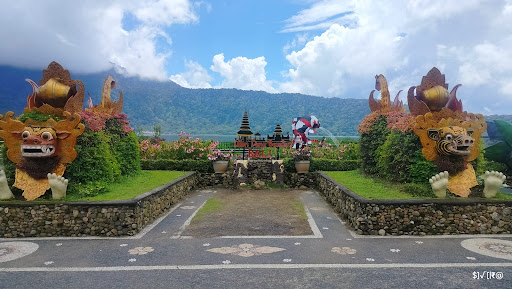
Beyond its architectural splendor and historical significance, Taman Ayun Temple invites visitors into a realm of serene beauty. The well-manicured gardens, towering pagodas, and the gentle flow of water create an environment of tranquility that complements the spiritual aura of the temple. The deserted yet impeccably maintained grounds allow for an immersive experience, fostering a unique serenity that distinguishes Taman Ayun from more bustling tourist...
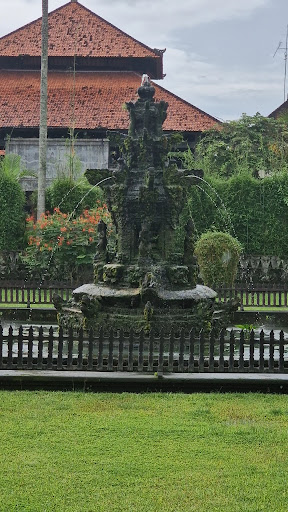
Read moreIf you’re an Indonesian, you’ll agree with me that this garden is (one of) the tidiest garden or park in Indonesia. Well worth noting that it’s actually a front gate toward the Temple compound inside. That’s why the condition is being kept tiny and very tranquil. If you’re from Western the tedious condition of the garden would remind you of those park in your homeland, yet of course with authentic Balinese feeling.
After going in, on the first right building there’s a mannequin display of the famous Balinese culture, cockerel fight. Pass that and go through to the inner part, there’s the Temple compound which meticulously designed considering it’s placing and size. Although you cannot enter the compound (my assumption it’s the same with Uluwatu, it’s only accessible for those who need to pray), the short brick fence allow you to see and take picture of the compound.
The outer track which surrounded the compound also carefully planted with high tree which gave you much more soothing breeze (especially considering my visit was during summer, the front area is very open and so hot). There are some small bench if you want to sit and there’s a building which act as an art souvenir shop at the far left corner.
This spot is a refreshing stop/rest point if you’re considering going across Bali (west-east/south north) which also act as a tourism spot. Very near to the garden also small convenience store and local food booth, which could provide...
Read moreTaman Ayun Temple is a captivating cultural gem in Bali, Indonesia. Stepping into its serene and well-maintained garden grounds, you will be immediately drawn to the temple's architectural elegance and rich history.
The temple's name, which means "Beautiful Garden," is fitting as it offers a sense of tranquility and spiritual harmony. The multi-tiered shrines, intricately carved wooden gates, and beautiful lotus ponds create a picturesque setting that reflects Bali's artistic heritage.
As a significant religious site, Taman Ayun Temple holds historical importance as a royal family temple, with a rich cultural legacy that dates back to the 17th century. Visitors can explore its courtyards and pavilions, getting a glimpse of Balinese Hindu rituals and traditions.
The surrounding landscape, with lush greenery and swaying palm trees, adds to the temple's allure, making it a delightful spot for a leisurely stroll and photography.
However, since Taman Ayun Temple is a popular tourist destination, it can get quite busy, especially during peak hours. To fully appreciate its serenity and capture the best photos, visiting during early morning or weekdays is recommended.
Taman Ayun Temple is a must-visit attraction for travelers seeking a cultural and spiritual experience in Bali. Its stunning architecture, peaceful ambiance, and historical significance make it a worthy addition to any Bali...
Read more