HTML SitemapExplore
logo
Find Things to DoFind The Best Restaurants

Sewu Temple — Attraction in Java

Name
Sewu Temple
Description
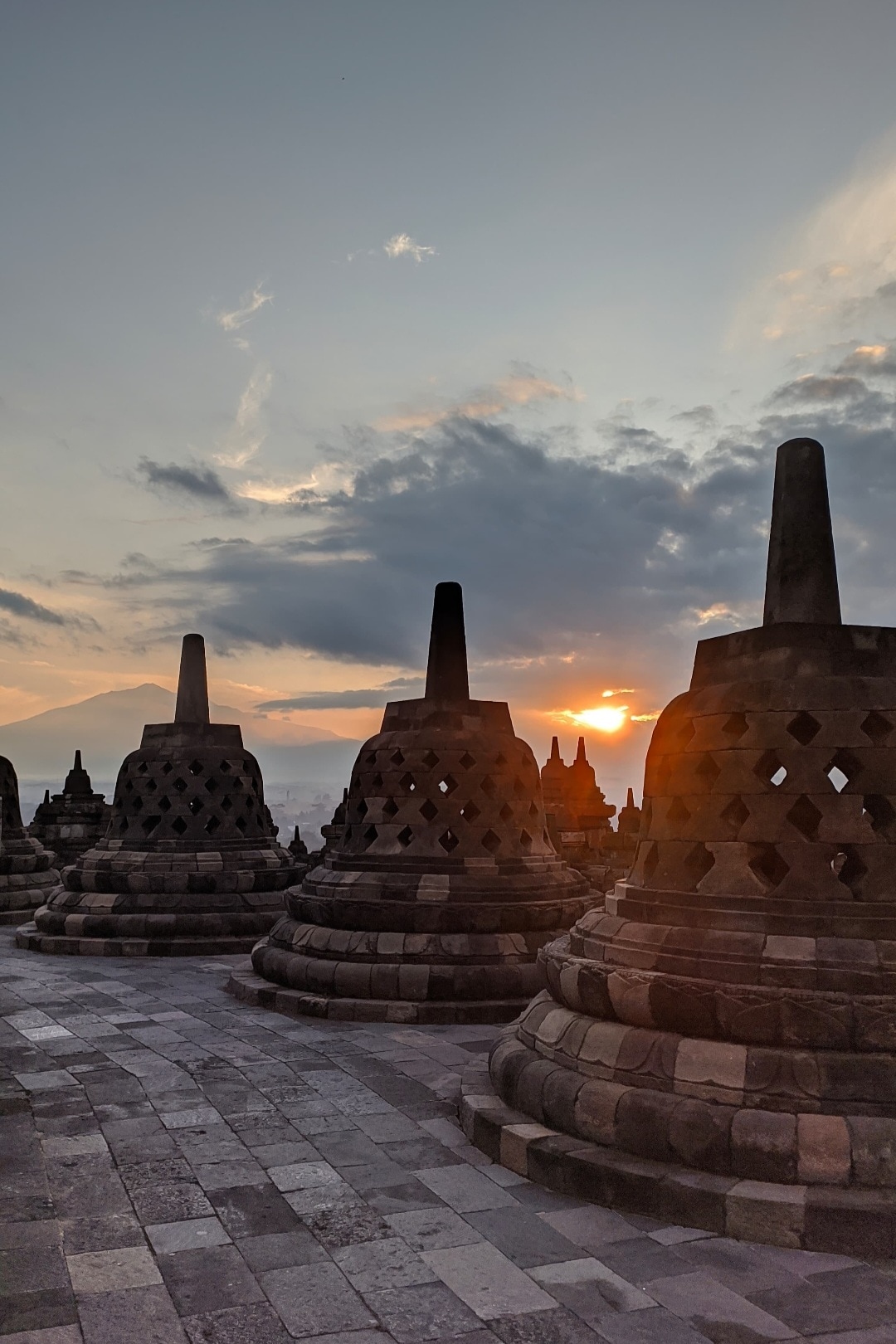
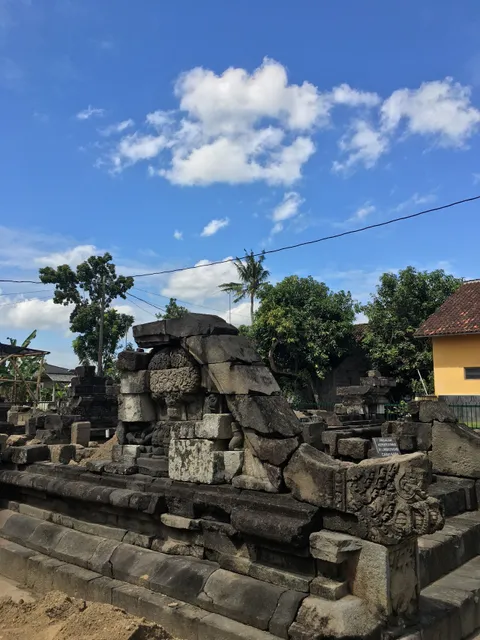
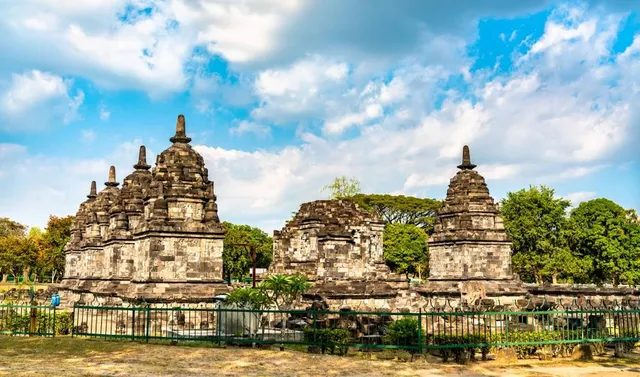
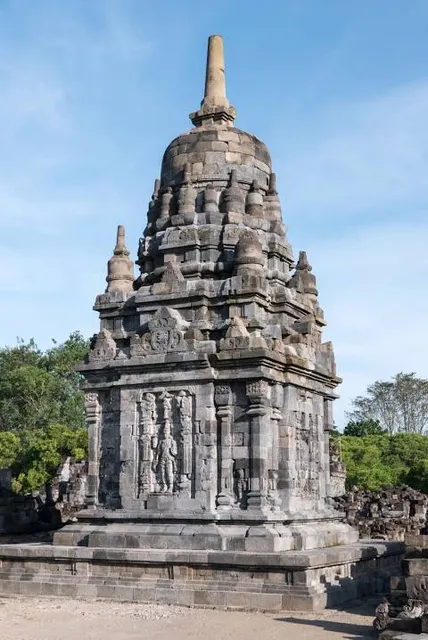
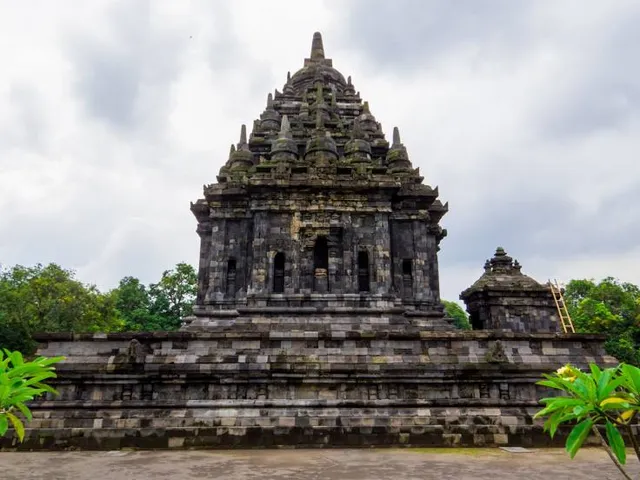
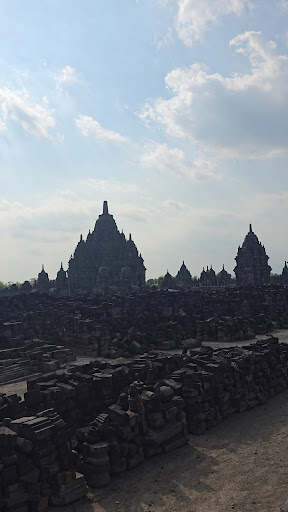
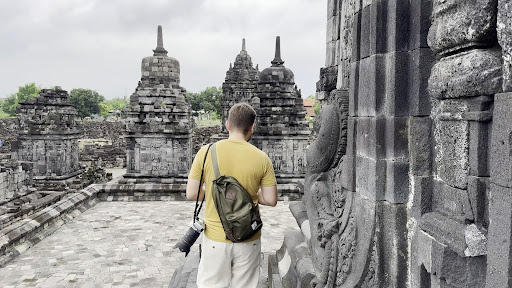
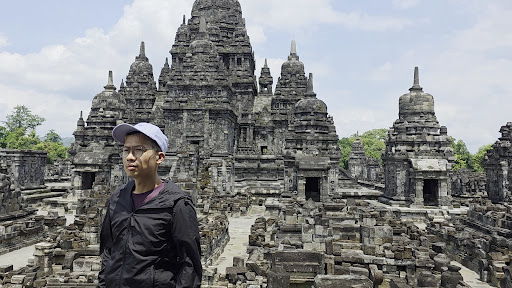
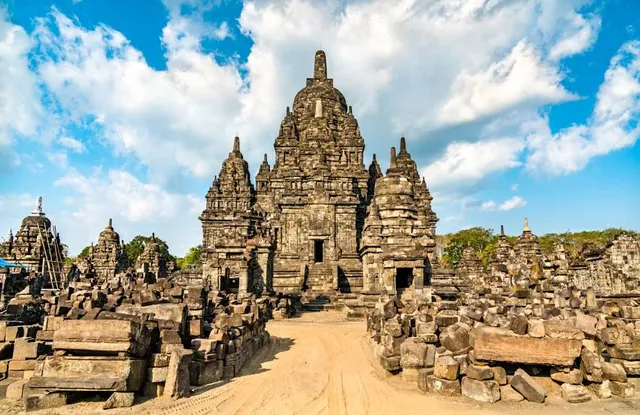
Sewu is an eighth century Mahayana Buddhist temple located 800 metres north of Prambanan in Central Java, Indonesia. The word for a Hindu or Buddhist temple in Indonesian is "candi", hence the common name is "Candi Sewu". Candi Sewu is the second largest Buddhist temple complex in Indonesia; Borobudur is the largest.
Nearby attractions
Candi Gana
No Jl. Candi Sewu No.587, Bener, Bugisan, Kec. Prambanan, Kabupaten Klaten, Jawa Tengah 57454, Indonesia
Lumbung Temple
7F2V+Q58, Candi, Nngangrukbaru, Tlogo, Kec. Prambanan, Kabupaten Sleman, Daerah Istimewa Yogyakarta 57454, Indonesia
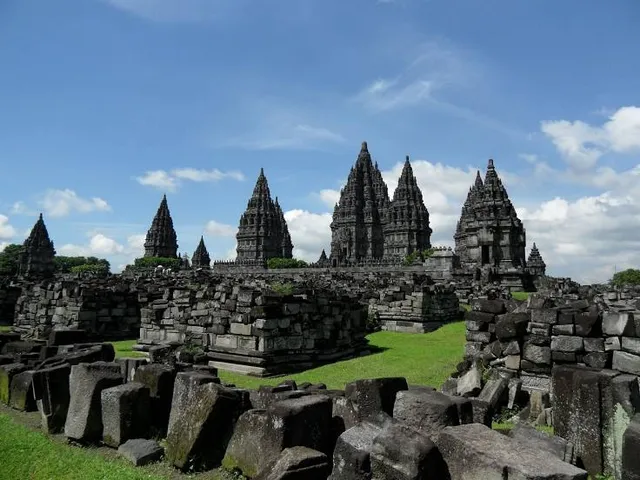
Prambanan Temple
Jl. Raya Solo - Yogyakarta, Kranggan, Bokoharjo, Kec. Prambanan, Kabupaten Sleman, Daerah Istimewa Yogyakarta 55571, Indonesia
Perwara Temple
Taman Wisata Candi Prambanan, Jl. Raya Solo - Yogyakarta No.KM.16, Kranggan, Bokoharjo, Kec. Prambanan, Yogyakarta, Jawa Tengah 57454, Indonesia
Nearby restaurants
Kali Opak Resto
Jl. Prambanan RT. 07 RW. 31 Desa, Pulir Rejo, Bokoharjo, Sleman, Sleman Regency, Special Region of Yogyakarta 55572, Indonesia
Wedang Kopi Prambanan
Jl. Raya Manisrenggo - Prambanan No.16, Area Sawah, Bugisan, Kec. Prambanan, Kabupaten Klaten, Jawa Tengah 57454, Indonesia
Prambanan Gallery Resto
7F2V+4XM, Candi Prambanan, Tlogo, Kec. Prambanan, Kabupaten Klaten, Jawa Tengah 57454, Indonesia
Omah Eyang Resto
Jl. Manisrenggo No.KM. 0,5, Tlogo Lot, Tlogo, Kec. Prambanan, Kabupaten Klaten, Jawa Tengah 57454, Indonesia
Omah Gudeg Dan Ayam Goreng 'Klurak Kembar
Jl Jogja-Solo Km. 15 Klurak, Tamanan, Tamanmartani, Kec. Kalasan, Kabupaten Sleman, Daerah Istimewa Yogyakarta 55571, Indonesia
Related posts
Keywords
Sewu Temple tourism.Sewu Temple hotels.Sewu Temple bed and breakfast. flights to Sewu Temple.Sewu Temple attractions.Sewu Temple restaurants.Sewu Temple travel.Sewu Temple travel guide.Sewu Temple travel blog.Sewu Temple pictures.Sewu Temple photos.Sewu Temple travel tips.Sewu Temple maps.Sewu Temple things to do.
Sewu Temple things to do, attractions, restaurants, events info and trip planning
Sewu Temple
IndonesiaCentral JavaJavaSewu Temple

Basic Info

Sewu Temple

Jl. Raya Solo - Yogyakarta No.KM.16, Bugisan, Kec. Prambanan, Kabupaten Sleman, Daerah Istimewa Yogyakarta, Indonesia
4.7(2K)
Open 24 hours
Save
spot

Ratings & Description

Info

Sewu is an eighth century Mahayana Buddhist temple located 800 metres north of Prambanan in Central Java, Indonesia. The word for a Hindu or Buddhist temple in Indonesian is "candi", hence the common name is "Candi Sewu". Candi Sewu is the second largest Buddhist temple complex in Indonesia; Borobudur is the largest.

Cultural
Outdoor
Family friendly
attractions: Candi Gana, Lumbung Temple, Prambanan Temple, Perwara Temple, restaurants: Kali Opak Resto, Wedang Kopi Prambanan, Prambanan Gallery Resto, Omah Eyang Resto, Omah Gudeg Dan Ayam Goreng 'Klurak Kembar
logoLearn more insights from Wanderboat AI.

Plan your stay

hotel
Pet-friendly Hotels in Java
Find a cozy hotel nearby and make it a full experience.

hotel
Affordable Hotels in Java
Find a cozy hotel nearby and make it a full experience.

hotel
The Coolest Hotels You Haven't Heard Of (Yet)
Find a cozy hotel nearby and make it a full experience.

hotel
Trending Stays Worth the Hype in Java
Find a cozy hotel nearby and make it a full experience.

Reviews

Nearby attractions of Sewu Temple

Candi Gana

Lumbung Temple

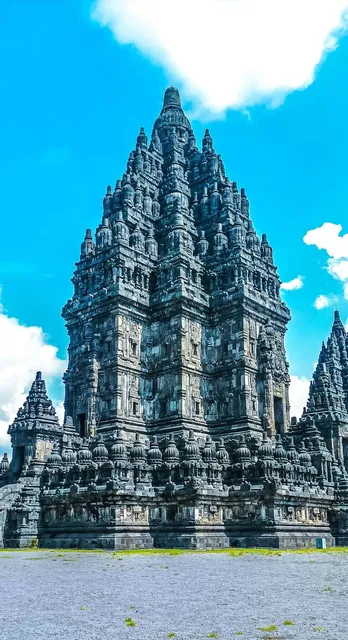
Prambanan Temple

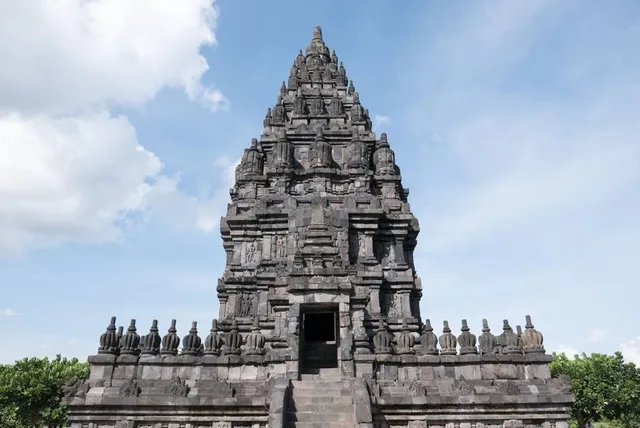
Perwara Temple

Candi Gana

Candi Gana

4.2

(102)

Open until 12:00 AM
Click for details
Lumbung Temple

Lumbung Temple

4.5

(177)

Open 24 hours
Click for details
Prambanan Temple

Prambanan Temple

4.7

(35.4K)

Open 24 hours
Click for details
Perwara Temple

Perwara Temple

4.4

(57)

Open until 5:00 PM
Click for details

Things to do nearby

Borobudur-Prambanans Private Tour
Sat, Dec 6 • 3:30 AM
Gondokusuman, Special Region of Yogyakarta, 55213, Indonesia
View details
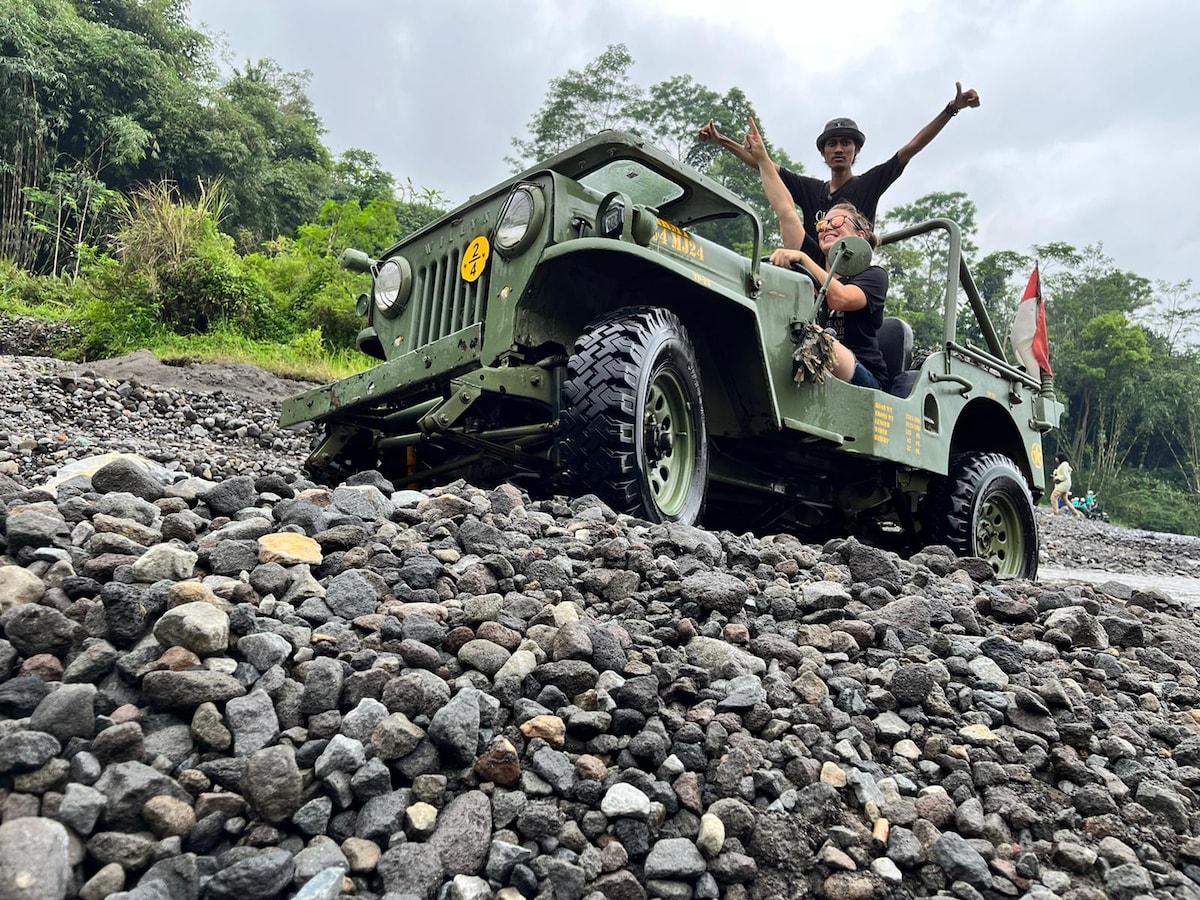
Discover Borobudur Prambanan & Yogyakarta
Sun, Dec 7 • 8:00 AM
Kraton, Special Region of Yogyakarta, 55661, Indonesia
View details
Yogyakarta Historical and Food Tour
Fri, Dec 5 • 6:00 PM
Gedong Tengen, Special Region of Yogyakarta, 55272, Indonesia
View details

Nearby restaurants of Sewu Temple

Kali Opak Resto

Wedang Kopi Prambanan

Prambanan Gallery Resto

Omah Eyang Resto

Omah Gudeg Dan Ayam Goreng 'Klurak Kembar
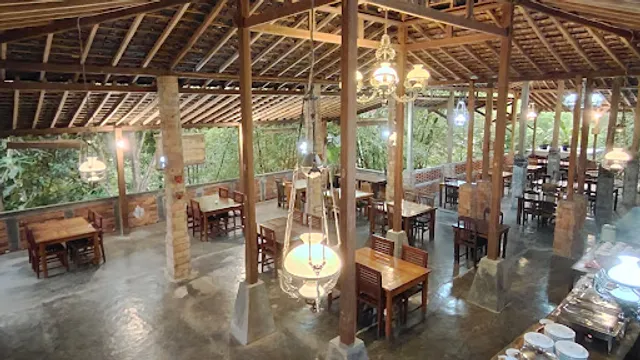
Kali Opak Resto

Kali Opak Resto

4.3

(789)

$$

Click for details
Wedang Kopi Prambanan

Wedang Kopi Prambanan

4.5

(3.6K)

Click for details
Prambanan Gallery Resto

Prambanan Gallery Resto

4.1

(83)

Click for details
Omah Eyang Resto

Omah Eyang Resto

4.5

(939)

Click for details
Get the Appoverlay
Get the AppOne tap to find yournext favorite spots!
Wanderboat LogoWanderboat

Your everyday Al companion for getaway ideas

CompanyAbout Us
InformationAI Trip PlannerSitemap
SocialXInstagramTiktokLinkedin
LegalTerms of ServicePrivacy Policy

Get the app

© 2025 Wanderboat. All rights reserved.
logo

Reviews of Sewu Temple

4.7
(1,963)
avatar
5.0
1y

Sewu Temple, or Candi Sewu, is an extraordinary testament to Indonesia's rich cultural heritage, and visiting it was an unforgettable experience for my wife and me. Nestled just a short distance from the more famous Prambanan Temple, Sewu often goes unnoticed by many tourists, but it is truly a hidden gem that deserves attention.

From the moment we arrived, we were struck by the serene atmosphere that envelops the temple complex. Unlike other crowded sites, Sewu offers a peaceful environment where you can fully immerse yourself in the beauty and history of the place. The temple complex is expansive, with a series of meticulously crafted structures that radiate a quiet grandeur.

The central temple, towering above the rest, is particularly impressive. Its intricate carvings and detailed architecture reflect the high level of craftsmanship that went into its construction. Walking through the site, we were able to appreciate the harmony and symmetry of the design, which speaks volumes about the skill and vision of the ancient builders.

One of the highlights of our visit was the sense of exploration. With fewer tourists around, we felt like we had the place almost to ourselves, allowing us to discover the various smaller shrines and structures at our own pace. Each turn revealed something new, from the beautifully preserved statues to the peaceful courtyards that invite quiet reflection.

Sewu Temple is not only a site of architectural significance but also a place where you can feel a deep connection to the past. The temple complex dates back to the 8th century and is a fascinating blend of Buddhist and Javanese cultural influences. As we wandered through the ruins, we couldn’t help but imagine the lives of those who worshipped and lived there so many centuries ago.

In summary, our visit to Sewu Temple was one of the highlights of our trip. The combination of stunning architecture, rich history, and tranquil surroundings made it a perfect experience for us. Whether you’re a history enthusiast or simply looking for a peaceful and beautiful place to visit, Sewu Temple is a must-see. We had the best time exploring this magnificent site, and we highly recommend it to anyone traveling...

   Read more
avatar
5.0
46w

Sewu Temple, often overshadowed by its grand neighbor Prambanan, is a hidden gem that tells a fascinating story of religious harmony and architectural brilliance. Built in the 8th century, this Mahayana Buddhist complex predates Prambanan, standing as a testament to the coexistence of Hinduism and Buddhism in ancient Java.

The temple’s layout, a mandala of 249 shrines, symbolizes the Buddhist universe. At its heart, the central temple rises majestically, flanked by intricate carvings and stupas that seem to whisper the wisdom of ages. Its original name, “Manjusri grha,” or “The House of Manjusri,” reflects its spiritual purpose and the deep reverence for the Bodhisattva of wisdom.

Though battered by time, earthquakes, and neglect, Sewu Temple has been lovingly restored, allowing its timeless beauty to shine once again. Walking through its grounds, you’ll feel the profound blend of art, spirituality, and history—a reminder of a bygone era where faiths intertwined and flourished together.

Sewu is more than a temple; it’s a journey into Indonesia’s cultural soul. If Prambanan is the headline act, Sewu is the quietly stunning encore you can’t...

   Read more
avatar
5.0
26w

Visited Candi Sewu with the family as part of our must-do temple trip during the school holidays. It was our first time doing a temple tour in Central Java — we started with Borobudur, then headed to Candi Sewu, which is in the same complex as Prambanan.

The temple complex is fascinating, full of historical vibes and legendary stories. It was such a great experience exploring Candi Sewu, especially seeing the ancient reliefs and realizing why it’s called “Sewu” (meaning “a thousand”) — there are so many temples there!

Taking kids to historical sites like this is a fun way for them to learn about Indonesia’s rich culture and compare what they see with what they learn in school books.

Must visit sites of temples in central java with plenty of greenery around the complex.

🅿️ Plenty parking spots 🚻 Clean and have several...

   Read more
Page 1 of 7
Previous
Next

Posts

Shaheen ShahmirzadiShaheen Shahmirzadi
Sewu Temple, or Candi Sewu, is an extraordinary testament to Indonesia's rich cultural heritage, and visiting it was an unforgettable experience for my wife and me. Nestled just a short distance from the more famous Prambanan Temple, Sewu often goes unnoticed by many tourists, but it is truly a hidden gem that deserves attention. From the moment we arrived, we were struck by the serene atmosphere that envelops the temple complex. Unlike other crowded sites, Sewu offers a peaceful environment where you can fully immerse yourself in the beauty and history of the place. The temple complex is expansive, with a series of meticulously crafted structures that radiate a quiet grandeur. The central temple, towering above the rest, is particularly impressive. Its intricate carvings and detailed architecture reflect the high level of craftsmanship that went into its construction. Walking through the site, we were able to appreciate the harmony and symmetry of the design, which speaks volumes about the skill and vision of the ancient builders. One of the highlights of our visit was the sense of exploration. With fewer tourists around, we felt like we had the place almost to ourselves, allowing us to discover the various smaller shrines and structures at our own pace. Each turn revealed something new, from the beautifully preserved statues to the peaceful courtyards that invite quiet reflection. Sewu Temple is not only a site of architectural significance but also a place where you can feel a deep connection to the past. The temple complex dates back to the 8th century and is a fascinating blend of Buddhist and Javanese cultural influences. As we wandered through the ruins, we couldn’t help but imagine the lives of those who worshipped and lived there so many centuries ago. In summary, our visit to Sewu Temple was one of the highlights of our trip. The combination of stunning architecture, rich history, and tranquil surroundings made it a perfect experience for us. Whether you’re a history enthusiast or simply looking for a peaceful and beautiful place to visit, Sewu Temple is a must-see. We had the best time exploring this magnificent site, and we highly recommend it to anyone traveling to the region.
M. MaiettaM. Maietta
Sewu Temple, often overshadowed by its grand neighbor Prambanan, is a hidden gem that tells a fascinating story of religious harmony and architectural brilliance. Built in the 8th century, this Mahayana Buddhist complex predates Prambanan, standing as a testament to the coexistence of Hinduism and Buddhism in ancient Java. The temple’s layout, a mandala of 249 shrines, symbolizes the Buddhist universe. At its heart, the central temple rises majestically, flanked by intricate carvings and stupas that seem to whisper the wisdom of ages. Its original name, “Manjusri grha,” or “The House of Manjusri,” reflects its spiritual purpose and the deep reverence for the Bodhisattva of wisdom. Though battered by time, earthquakes, and neglect, Sewu Temple has been lovingly restored, allowing its timeless beauty to shine once again. Walking through its grounds, you’ll feel the profound blend of art, spirituality, and history—a reminder of a bygone era where faiths intertwined and flourished together. Sewu is more than a temple; it’s a journey into Indonesia’s cultural soul. If Prambanan is the headline act, Sewu is the quietly stunning encore you can’t afford to miss.
Adi KurniawanAdi Kurniawan
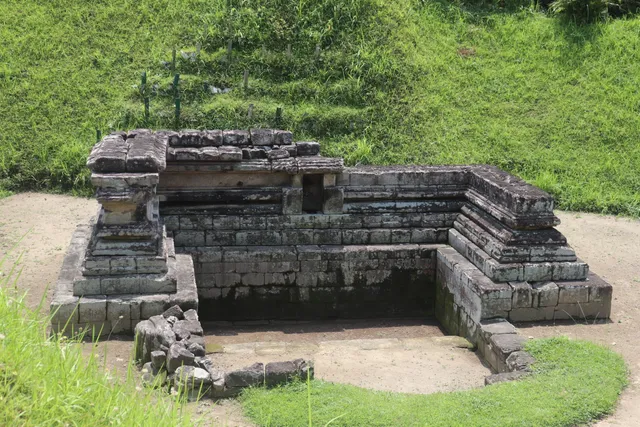
This place is separate from Prambanan Temple. There is no additional entrance fee. To get to this location, you have to walk about 10 to 15 minutes. You can also rent a scooter for IDR 35,000 for 30 minutes I think this is enough to get around Sewu Temple. Unlike the other temples, at Sewu Temple you can go inside to the top of the temple. You can see in detail how the carvings of this temple. Parking for bicycles is also provided and very secure. There will be information about how this temple was built. Unfortunately, to maintain the authenticity of the buildings and structures, several temples are no longer standing and many stones are on the ground. But for me, this is an advantage because I can clearly see how people in the past built extraordinary buildings without cement or adhesives.
See more posts
See more posts
hotel
Find your stay

Pet-friendly Hotels in Java

Find a cozy hotel nearby and make it a full experience.

Sewu Temple, or Candi Sewu, is an extraordinary testament to Indonesia's rich cultural heritage, and visiting it was an unforgettable experience for my wife and me. Nestled just a short distance from the more famous Prambanan Temple, Sewu often goes unnoticed by many tourists, but it is truly a hidden gem that deserves attention. From the moment we arrived, we were struck by the serene atmosphere that envelops the temple complex. Unlike other crowded sites, Sewu offers a peaceful environment where you can fully immerse yourself in the beauty and history of the place. The temple complex is expansive, with a series of meticulously crafted structures that radiate a quiet grandeur. The central temple, towering above the rest, is particularly impressive. Its intricate carvings and detailed architecture reflect the high level of craftsmanship that went into its construction. Walking through the site, we were able to appreciate the harmony and symmetry of the design, which speaks volumes about the skill and vision of the ancient builders. One of the highlights of our visit was the sense of exploration. With fewer tourists around, we felt like we had the place almost to ourselves, allowing us to discover the various smaller shrines and structures at our own pace. Each turn revealed something new, from the beautifully preserved statues to the peaceful courtyards that invite quiet reflection. Sewu Temple is not only a site of architectural significance but also a place where you can feel a deep connection to the past. The temple complex dates back to the 8th century and is a fascinating blend of Buddhist and Javanese cultural influences. As we wandered through the ruins, we couldn’t help but imagine the lives of those who worshipped and lived there so many centuries ago. In summary, our visit to Sewu Temple was one of the highlights of our trip. The combination of stunning architecture, rich history, and tranquil surroundings made it a perfect experience for us. Whether you’re a history enthusiast or simply looking for a peaceful and beautiful place to visit, Sewu Temple is a must-see. We had the best time exploring this magnificent site, and we highly recommend it to anyone traveling to the region.
Shaheen Shahmirzadi

Shaheen Shahmirzadi

hotel
Find your stay

Affordable Hotels in Java

Find a cozy hotel nearby and make it a full experience.

Get the Appoverlay
Get the AppOne tap to find yournext favorite spots!
Sewu Temple, often overshadowed by its grand neighbor Prambanan, is a hidden gem that tells a fascinating story of religious harmony and architectural brilliance. Built in the 8th century, this Mahayana Buddhist complex predates Prambanan, standing as a testament to the coexistence of Hinduism and Buddhism in ancient Java. The temple’s layout, a mandala of 249 shrines, symbolizes the Buddhist universe. At its heart, the central temple rises majestically, flanked by intricate carvings and stupas that seem to whisper the wisdom of ages. Its original name, “Manjusri grha,” or “The House of Manjusri,” reflects its spiritual purpose and the deep reverence for the Bodhisattva of wisdom. Though battered by time, earthquakes, and neglect, Sewu Temple has been lovingly restored, allowing its timeless beauty to shine once again. Walking through its grounds, you’ll feel the profound blend of art, spirituality, and history—a reminder of a bygone era where faiths intertwined and flourished together. Sewu is more than a temple; it’s a journey into Indonesia’s cultural soul. If Prambanan is the headline act, Sewu is the quietly stunning encore you can’t afford to miss.
M. Maietta

M. Maietta

hotel
Find your stay

The Coolest Hotels You Haven't Heard Of (Yet)

Find a cozy hotel nearby and make it a full experience.

hotel
Find your stay

Trending Stays Worth the Hype in Java

Find a cozy hotel nearby and make it a full experience.

This place is separate from Prambanan Temple. There is no additional entrance fee. To get to this location, you have to walk about 10 to 15 minutes. You can also rent a scooter for IDR 35,000 for 30 minutes I think this is enough to get around Sewu Temple. Unlike the other temples, at Sewu Temple you can go inside to the top of the temple. You can see in detail how the carvings of this temple. Parking for bicycles is also provided and very secure. There will be information about how this temple was built. Unfortunately, to maintain the authenticity of the buildings and structures, several temples are no longer standing and many stones are on the ground. But for me, this is an advantage because I can clearly see how people in the past built extraordinary buildings without cement or adhesives.
Adi Kurniawan

Adi Kurniawan

See more posts
See more posts