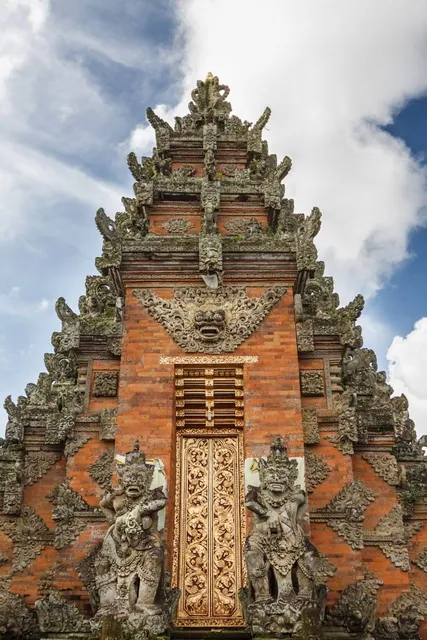
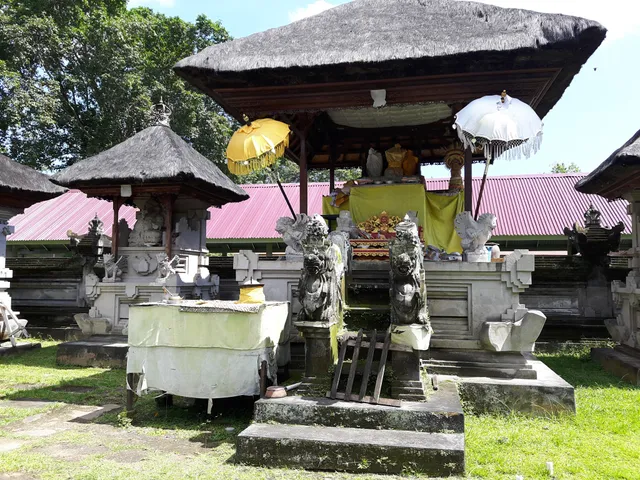
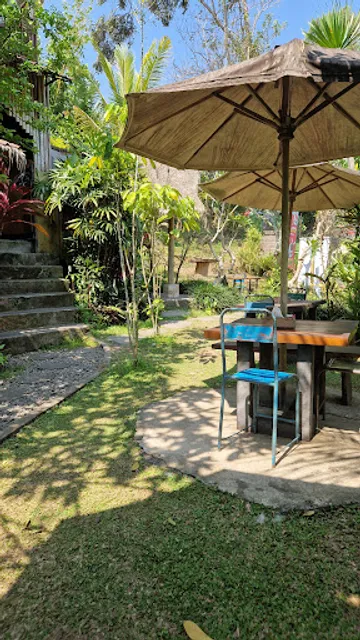
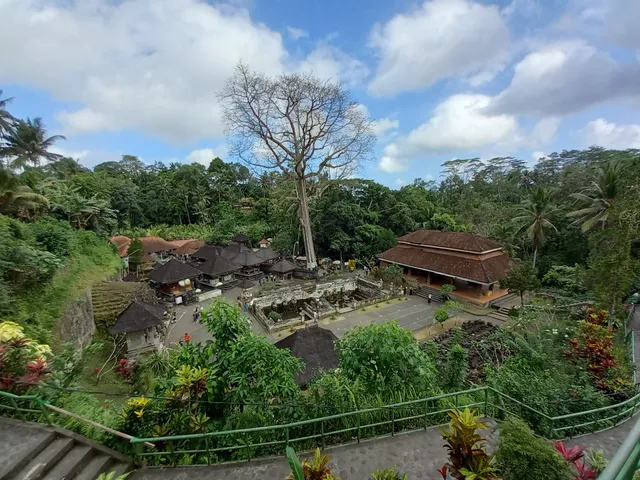
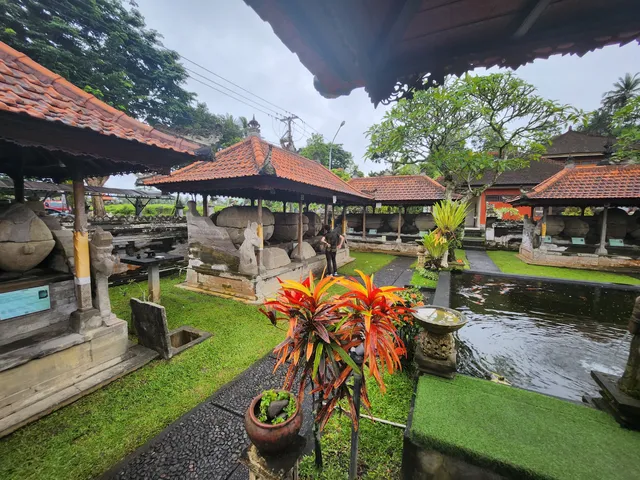
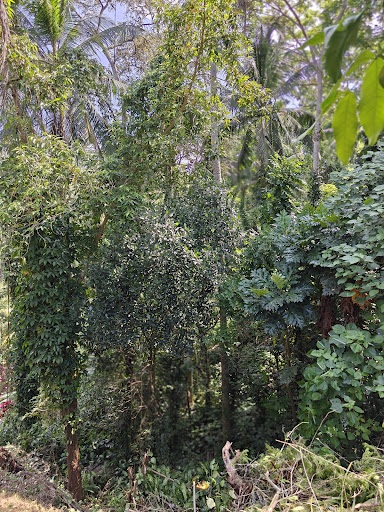
Goa Gajah Temple is a magnificent temple complex consisting of cave and bathing pool, designed as a place of worship as well as a place of spiritual learning, become a legacy of the classical era of the Shiva-Buddha kingdoms in Bali. In addition to the cave and bathing pool as its main uniqueness, this temple complex also has beautiful gardens and lake, surrounded by the lush old trees and the gurgling flow of waterfalls and rivers that flow around it, in altogether bring an atmosphere of tranquility and peace.
This temple was founded during the reign of King Udayana Warmadewa in 989 - 1011 (King Udayana Warmadewa was a king from Bali who married princess Mahendradatta from Isana Dynasty of Mataram-Medang Kingdom who gave birth to Airlangga, the king of Kahuripan, the forerunner of all great kingdoms in East Java mainly Kadiri, Singhasari, Majapahit). When it was first founded, this temple was named Kunjara Kunja Pada, which "Kunjara" means elephant, "Kunja" means mountain in South India where Resi Agastya built an ashrama surrounded by many wild elephants, and "Pada" means same, referring to the similarity of this sacred place with that sacred place in India.
Along with the political dynamics of all great kingdoms in East Java, Bali was always under the rule of them. However, during the reign of King Bhatara Sri Astasura Ratna Bhumi Banten, Bali had refused to submit to the Majapahit Kingdom, at the time of the reign of Queen Tribhuwana Wijayatunggadewi. At that time, the center of Balinese power was then called Bedahulu/Bedulu, with the word "Beda" means different and "Hulu" means upstream, becoming a sign of the differences of opinion that occurred between Bali as part of the kingdom with Java as the center of the kingdom.
Bedahulu/Bedulu was then successfully conquered again by the force of Majapahit Kingdom's troops under the leadership of Mahapatih Gajah Mada. As a mark of this conquest, Kunjara Kunja Pada was then named as Lwah Gajah as it written in the Negarakertagama Book composed by Mpu Prapanca in 1365, with the word "Lwah" means water and "Gajah" means elephant, referring to the large bodies of water sourced from the river around the area of this temple that analogous with an elephant.
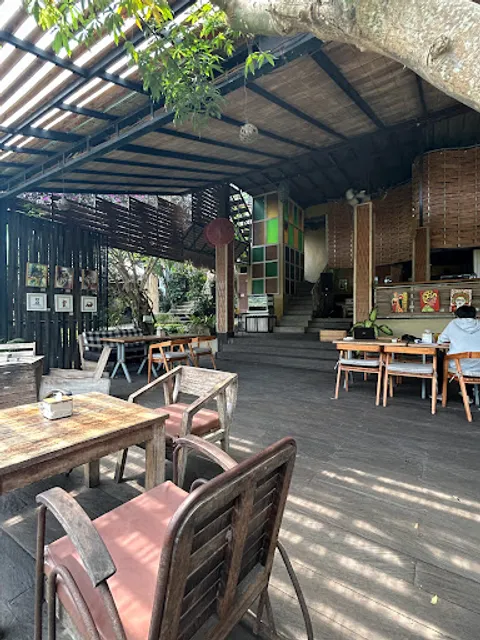
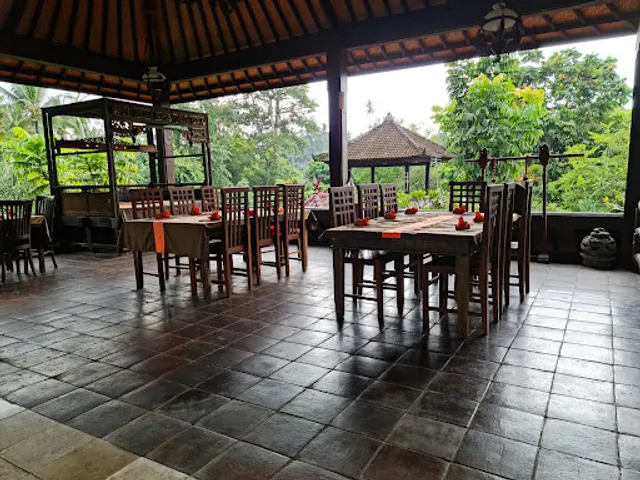
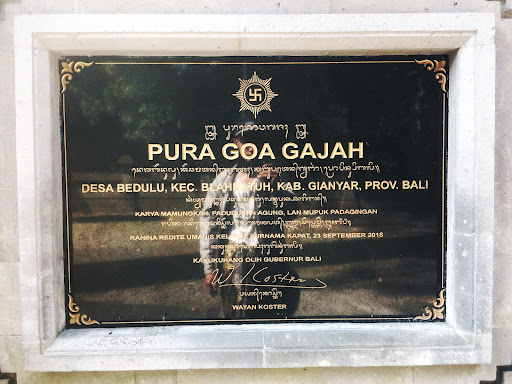
This temple is located in Bedulu Village, Blahbatuh District, Gianyar Regency which can be accessed by motorized vehicles as far as +- 25km / 45 minutes drive from Denpasar, the capital of Bali. In the area of this temple, there are many snacks & drinks, clothings, souvenirs merchants. Around the temple area, there are many places that provide amenities and accommodation such as restaurants/cafes/bars and souvenir shops, hotels/resorts/homestays and other types of lodgings. Thanks to this place closeness to Ubud as one of the most popular tourist...
Read moreHighlights & Attractions
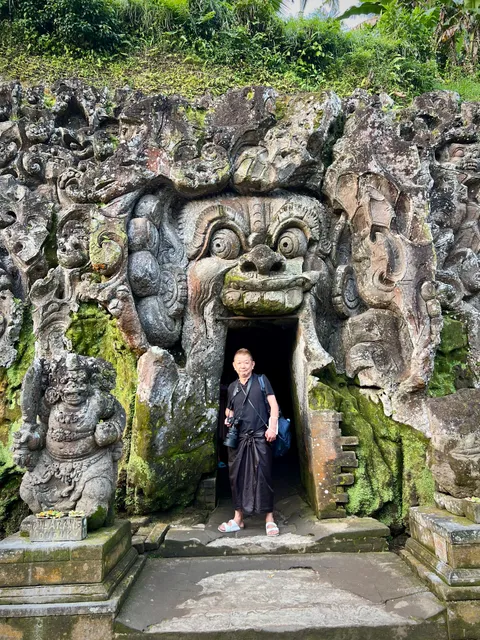
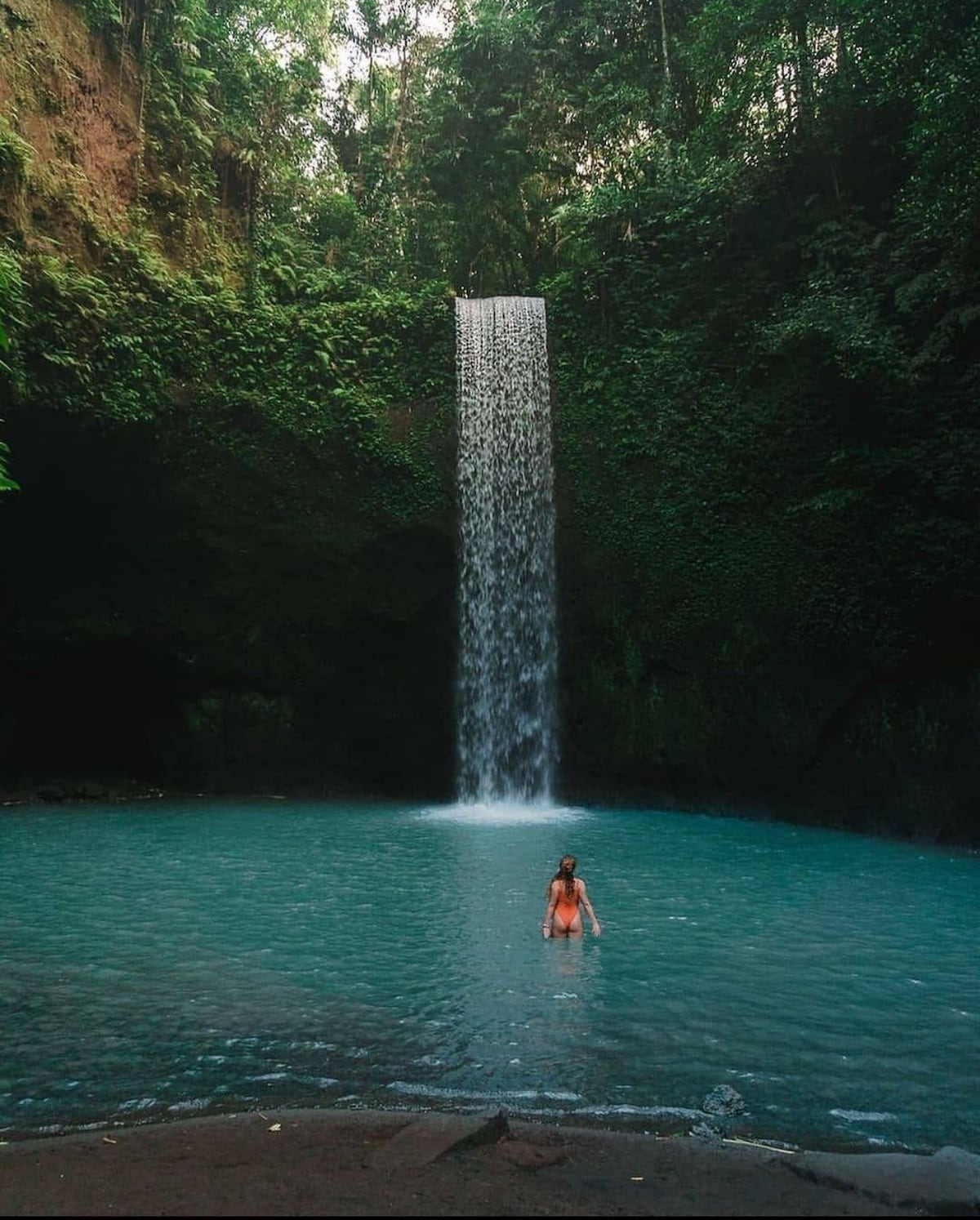
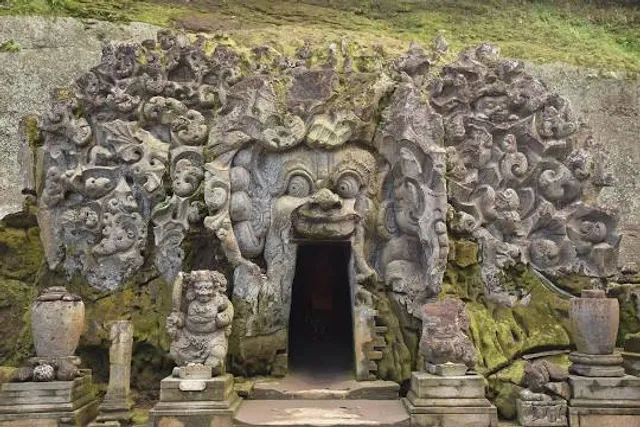
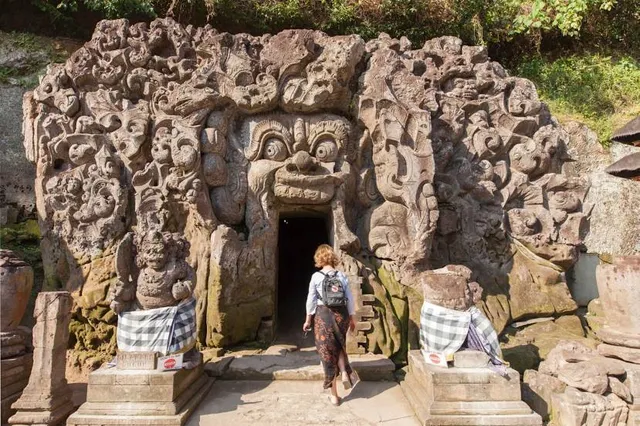
The Cave Entrance: The most famous and photographed part is the massive, menacing face carved into the rock, with its gaping mouth serving as the entrance. It is often described as a spectacular and bizarre sight. The Cave Interior: The cave is relatively small and T-shaped. Inside, visitors find a statue of the Hindu god Ganesha and representations of Shiva (lingam and yoni). It was historically a site for meditation. The Grounds and Surrounding Nature: True beauty and attraction lies outside the cave. The complex includes: Sacred Bathing Pools (Tirta Empul): Featuring seven statues of female figures (Hindu angels/nymphs) that act as waterspouts. Lush Valley and Rice Paddies: A walk down a path leads to a beautiful, serene valley with tropical gardens, lush greenery, and a small waterfall, offering great photo opportunities. Buddhist Section: Ruins of a Buddhist temple and relics are located at the southern end of the complex, showcasing the co-existence of Hindu and Buddhist elements. Historical Significance: Visitors appreciate that the site is an important archaeological landmark, believed to date back to the 9th century and listed as a tentative UNESCO World Heritage Site in 1995.
Best Time to Visit: Early in the morning is highly recommended to avoid the crowds, the heat, and to enjoy a more peaceful, serene experience. Time Needed: The cave itself takes only a few minutes to explore, but most recommend setting aside less than an hour to explore the entire complex, including the valley, rice fields, and bathing pools. Dress Code:As it is an active worship site, a sarong and sash are mandatory to cover knees and shoulders for both men and women. These are typically available for rent or included with the entrance fee. What to Bring:Wear comfortable shoes as there are many stone steps and paths, and...
Read moreIf you’re exploring Ubud, Goa Gajah or the Elephant Cave is a must-visit for its blend of ancient spirituality, archaeological intrigue, and atmospheric jungle vibes. Dating back to the 9th century, this sacred site was used as a place of meditation and worship by Hindu and Buddhist monks. It’s one of Bali’s most mystical cultural landmarks and stepping into its moss-covered grounds feels like entering a forgotten world.
The highlight is, of course, the stone-carved demon face that marks the cave entrance believed to ward off evil spirits. Inside the narrow, T-shaped cave, you’ll find small shrines, a meditation alcove, and the lingering scent of incense. The surrounding area is equally peaceful, with holy bathing pools, tranquil gardens, and jungle pathways leading to serene river spots.
Dress code: As with all sacred sites in Bali, a sarong is required to enter. If you don’t have one, no worries — sarongs are provided free with your ticket.
Entry fee: IDR 50,000 (≈ $3.15 USD) per adult, and parking is available nearby.
How to get there: Goa Gajah is just a 10-minute drive from central Ubud and easily reachable by scooter or Grab. You can also add it as a stop on a half-day temple tour around Ubud.
Why visit? Because Goa Gajah offers more than just visuals it’s a place where history, religion, and nature quietly coexist. It’s not overly touristy, and the site holds a quiet energy that lingers with you even after you leave.
I captured some beautiful shots of the temple complex, carvings, and jungle surroundings you can see more on my Instagram: @traveltrove22 if you're...
Read more