Observatorium Bosscha things to do, attractions, restaurants, events info and trip planning
Basic Info
Observatorium Bosscha
Jl. Peneropongan Bintang No.45, Lembang, Kec. Lembang, Kabupaten Bandung Barat, Jawa Barat 40391, Indonesia
4.6(1.3K)
Open 24 hours

tickets
Save
spot
spot
Ratings & Description
Info
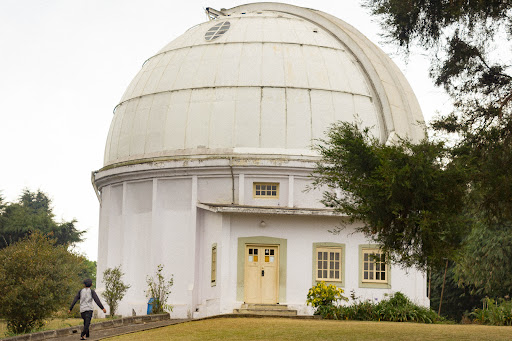
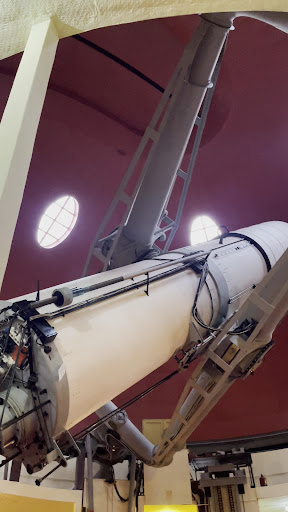
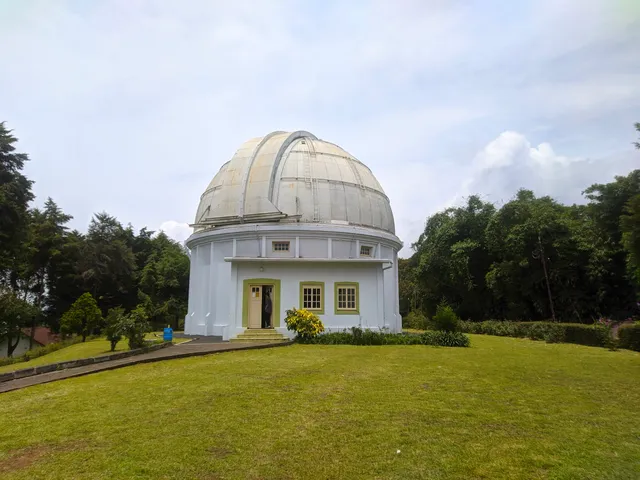
Bosscha Observatory is the oldest modern observatory in Indonesia, and one of the oldest in Asia. The observatory is located in Lembang, West Bandung Regency, West Java, approximately 15 kilometers north of Bandung. It is situated on a hilly six hectares of land and is 1,310 m above mean sea level plateau.
Cultural
Outdoor
Family friendly
attractions: Floating Market Lembang, Rainbow Slide, Rainbow Garden Lembang, Situ Umar, Floating Market Gate, restaurants: Tahu Susu Lembang, Resto d’SDL Lembang, Rumah Makan Risma Rasa, R.M. Ramdan, local businesses:
 Learn more insights from Wanderboat AI.
Phone
+62 22 2786027
Website
bosscha.itb.ac.id
Plan your stay

Pet-friendly Hotels in West Java
Find a cozy hotel nearby and make it a full experience.

Affordable Hotels in West Java
Find a cozy hotel nearby and make it a full experience.

The Coolest Hotels You Haven't Heard Of (Yet)
Find a cozy hotel nearby and make it a full experience.

Trending Stays Worth the Hype in West Java
Find a cozy hotel nearby and make it a full experience.
Reviews
Live events
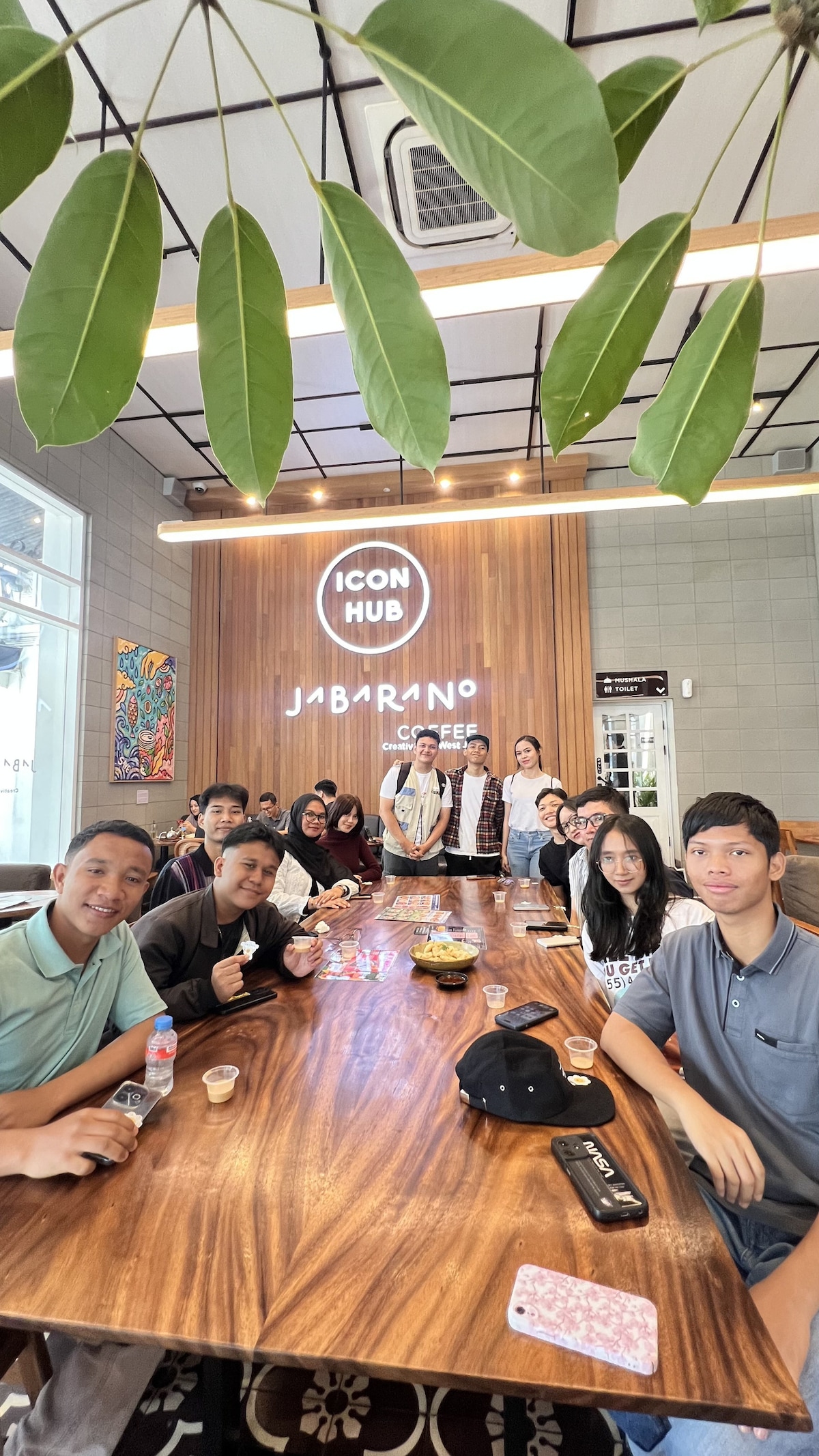
Bandung Brew Walk: Coffee Culture Walking Tour
Sat, Feb 21 • 9:00 PM
Grand Hotel Preanger Sumurbandung, West Java, 40111, Indonesia
View details

TRAE Friends @Bandung
Sun, Feb 22 • 8:00 AM
Bandung Techno Park, Jl. Telekomunikasi No.1, Sukapura, Kec. Dayeuhkolot, Kabupaten Bandung, Jawa Barat 40257, Indonesia
View details
Nearby attractions of Observatorium Bosscha
Floating Market Lembang
Rainbow Slide
Rainbow Garden Lembang
Situ Umar
Floating Market Gate
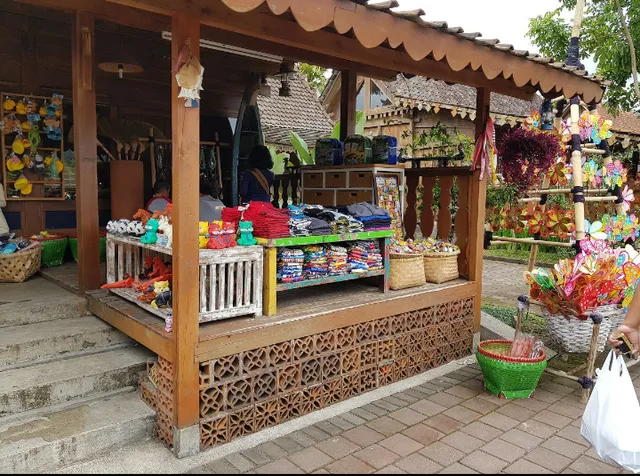
Floating Market Lembang
4.5
(18.6K)
Closed
Click for details
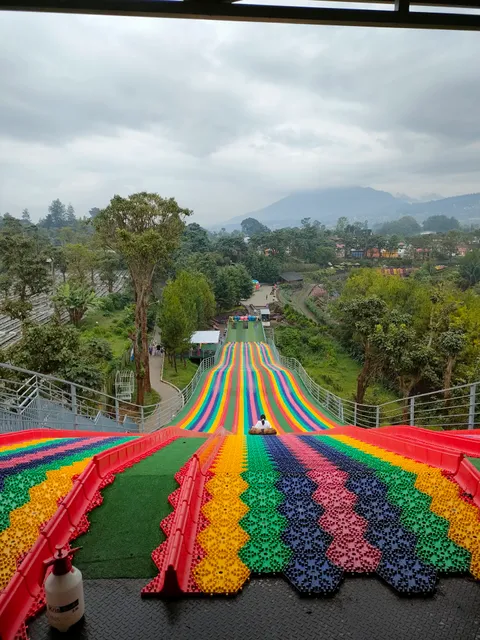
Rainbow Slide
4.6
(116)
Closed
Click for details
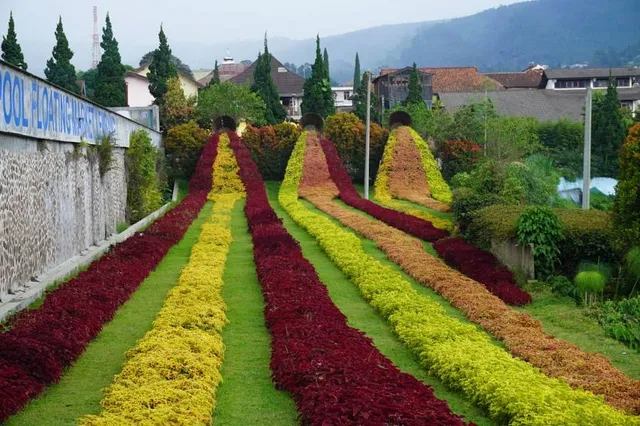
Rainbow Garden Lembang
4.6
(2.2K)
Closed
Click for details
Situ Umar
4.2
(15)
Open 24 hours
Click for details
Nearby restaurants of Observatorium Bosscha
Tahu Susu Lembang
Resto d’SDL Lembang
Rumah Makan Risma Rasa
R.M. Ramdan
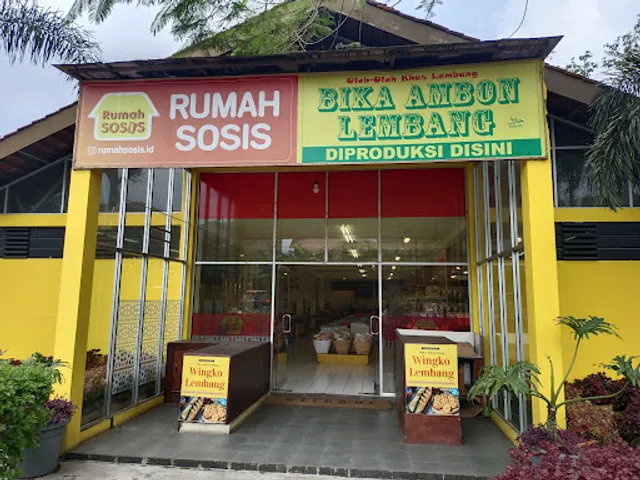
Tahu Susu Lembang
4.4
(2.8K)
Closed
Click for details
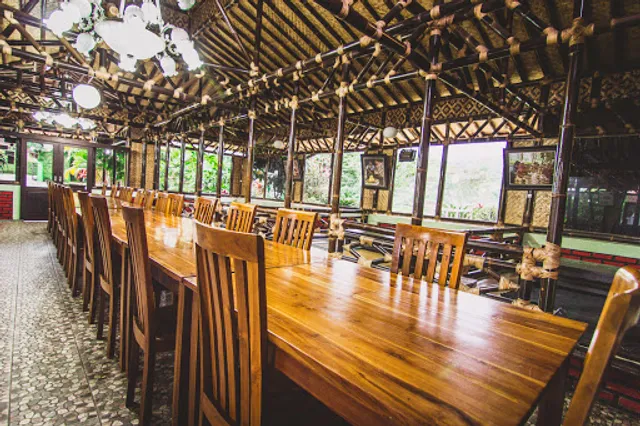
Resto d’SDL Lembang
4.2
(794)
$$
Closed
Click for details
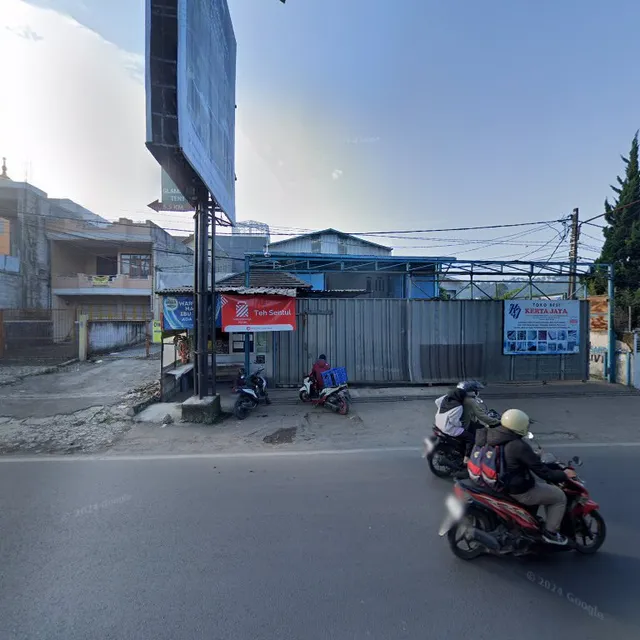
Rumah Makan Risma Rasa
3.5
(2)
Closed
Click for details

R.M. Ramdan
5.0
(1)
Closed
Click for details