HTML SitemapExplore

Cube of Zarathustra — Attraction in دهستان نقش رستم

Name
Cube of Zarathustra
Description
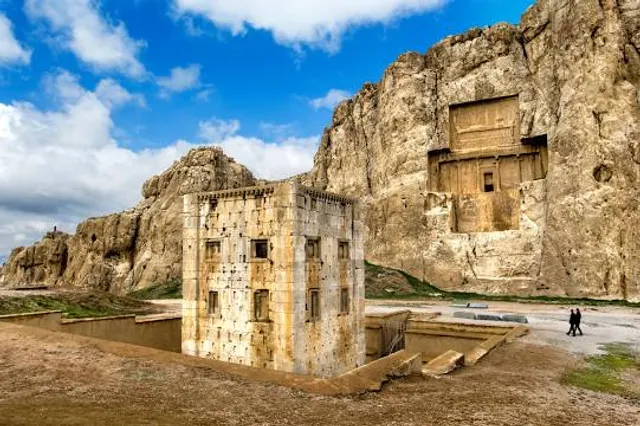
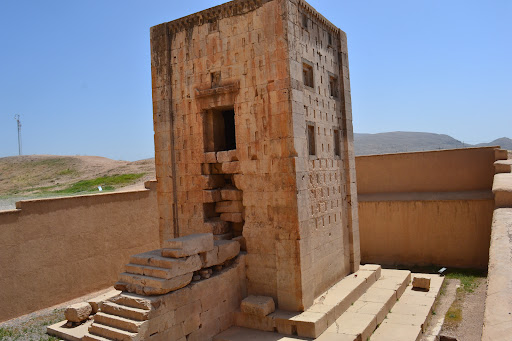
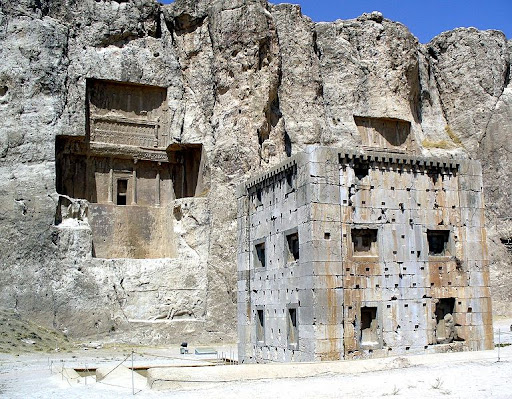
Ka'ba-ye Zartosht, also called the Cube of Zoroaster, is a rectangular stepped stone structure in the Naqsh-e Rustam compound beside Zangiabad village in Marvdasht county in Fars, Iran. The Naqsh-e Rustam compound also incorporates memorials of the Elamites, the Achaemenids and the Sasanians.
Nearby attractions
Naqsh-e Rostam
روستای امیدیه, Fars Province, Iran
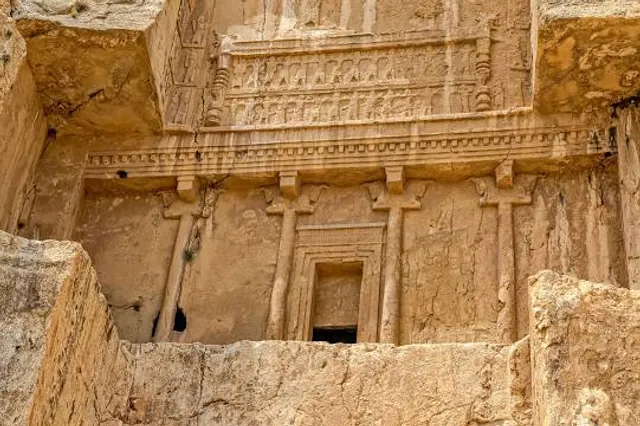
Tomb of Xerxes I
روستای امیدیه, Fars Province, Iran
Nearby restaurants
Nearby hotels
Related posts
Keywords
Cube of Zarathustra tourism.Cube of Zarathustra hotels.Cube of Zarathustra bed and breakfast. flights to Cube of Zarathustra.Cube of Zarathustra attractions.Cube of Zarathustra restaurants.Cube of Zarathustra travel.Cube of Zarathustra travel guide.Cube of Zarathustra travel blog.Cube of Zarathustra pictures.Cube of Zarathustra photos.Cube of Zarathustra travel tips.Cube of Zarathustra maps.Cube of Zarathustra things to do.
Cube of Zarathustra things to do, attractions, restaurants, events info and trip planning
Cube of Zarathustra
IranFars Provinceدهستان نقش رستمCube of Zarathustra

Basic Info

Cube of Zarathustra

XVQF+8JM, روستای امیدیه, Fars Province, Iran
4.7(107)
Open 24 hours
Save
spot

Ratings & Description

Info

Ka'ba-ye Zartosht, also called the Cube of Zoroaster, is a rectangular stepped stone structure in the Naqsh-e Rustam compound beside Zangiabad village in Marvdasht county in Fars, Iran. The Naqsh-e Rustam compound also incorporates memorials of the Elamites, the Achaemenids and the Sasanians.

Cultural
Family friendly
attractions: Naqsh-e Rostam, Tomb of Xerxes I, restaurants:
logoLearn more insights from Wanderboat AI.

Plan your stay

hotel
Pet-friendly Hotels in دهستان نقش رستم
Find a cozy hotel nearby and make it a full experience.
hotel
Affordable Hotels in دهستان نقش رستم
Find a cozy hotel nearby and make it a full experience.
hotel
The Coolest Hotels You Haven't Heard Of (Yet)
Find a cozy hotel nearby and make it a full experience.
hotel
Trending Stays Worth the Hype in دهستان نقش رستم
Find a cozy hotel nearby and make it a full experience.

Reviews

Nearby attractions of Cube of Zarathustra

Naqsh-e Rostam

Tomb of Xerxes I

Naqsh-e Rostam

Naqsh-e Rostam

4.7

(750)

Open 24 hours
Click for details
Tomb of Xerxes I

Tomb of Xerxes I

4.9

(48)

Open 24 hours
Click for details
Get the Appoverlay
Get the AppOne tap to find yournext favorite spots!
Wanderboat LogoWanderboat

Your everyday Al companion for getaway ideas

CompanyAbout Us
InformationAI Trip PlannerSitemap
SocialXInstagramTiktokLinkedin
LegalTerms of ServicePrivacy Policy

Get the app

© 2025 Wanderboat. All rights reserved.

Reviews of Cube of Zarathustra

4.7
(107)
avatar
4.0
6y

Ka'ba-ye Zartosht is the name of a stone quadrangular[clarification needed] and stepped structure in the Naqsh-e Rustam compound beside Zangiabad village in Marvdasht county in Fars, Iran. The Naqsh-e Rustam compound incorporates memorials of the Elamites, the Achaemenids and the Sassanians in itself in addition to the mentioned structure.

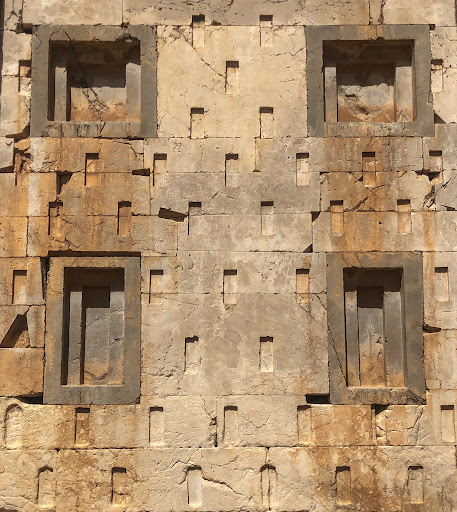
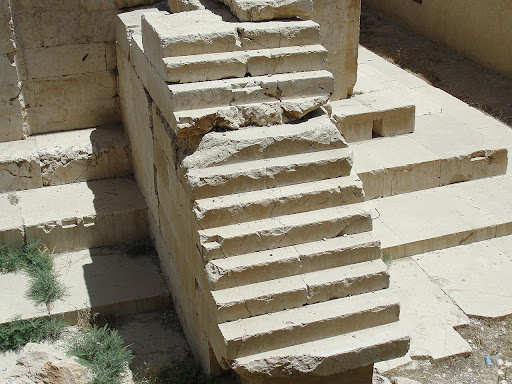
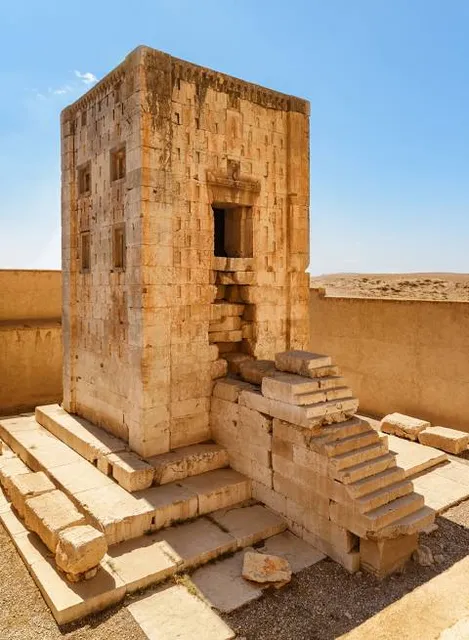
The Ka'ba-ye Zartosht is 46 metres (151 ft) from the mountain, situated exactly opposite Darius II's mausoleum. It is rectangular and has only one entrance door. The material of the structure is white limestone. It is about 12 metres (39 ft) high, or 14.12 metres (46.3 ft) if including the triple stairs, and each side of its base is about 7.30 metres (24.0 ft) long. Its entrance door leads to the chamber inside via a thirty-stair stone stairway. The stone pieces are rectangular and are simply placed on top of each other, without the use of mortar; the sizes of the stones varies from 0.48 by 2.10 by 2.90 metres (1 ft 7 in by 6 ft 11 in by 9 ft 6 in) to 0.56 by 1.08 by 1.10 metres (1 ft 10 in by 3 ft 7 in by 3 ft 7 in), and they are connected to each other by dovetail joints. The structure was built in the Achaemenid era and there is no information of the name of the structure in that era. It was called Bon-Khanak in the Sassanian era; the local name of the structure was Kornaykhaneh or Naggarekhaneh; and the phrase Ka'ba-ye Zartosht has been used for the structure since the fourteenth century, into the contemporary era.

Various views and interpretations have been proposed about the application of the chamber, but none of them could be accepted with certainty: some consider the tower a fire temple and a fireplace, and believe that it was used for igniting and worshiping the holy fire, while another group rejects this view and considers it the mausoleum of one of the Achaemenid shahs or grandees, due to its similarity to the Tomb of Cyrus and some mausoleums of Lycia and Caria. Some other Iranian scholars believe the stone chamber to be a structure for the safekeeping of royal documents and holy or religious books; however, the chamber of Ka'ba-ye Zartosht is too small for this purpose. Other less noticed theories, such as its being a temple for the goddess Anahita or a solar calendar, have also been mentioned.

Three inscriptions have been written in the three languages Sassanian Middle Persian, Arsacid Middle Persian and Greek on the Northern, Southern and Eastern walls of the tower, in the Sassanian era. One of them belongs to Shapur I the Sassanian, and the other to the priest Kartir. According to Walter Henning, "These inscriptions are the most important historical documents from the Sassanian era." The Ka'ba-ye Zartosht is a beautiful structure: its proportions, lines and external beauty are based on well-executed...

   Read more
avatar
5.0
8w

معمای مکعبی در قلب نقش رستم کعبه زرتشت، بنایی مکعبی و سنگی با ارتفاع حدود ۱۲ متر است که در محوطه نقش رستم، دقیقاً روبروی آرامگاه داریوش دوم، قرار دارد. این سازه منحصربه‌فرد، سندی از دوره هخامنشی است که در دوره ساسانی، به مهم‌ترین مرکز کتیبه‌نگاری تاریخی و مذهبی تبدیل شد. نام "بن‌خانه" (خانه بنیادین یا انبار بنیاد) نیز بر اهمیت آن نزد باستان‌شناسان افزوده است.

جزئیات معماری و قدمت (دوره هخامنشی) ساختار و مصالح: کعبه زرتشت یک برج مکعبی است که بر روی یک سکوی سه‌پله‌ای قرار دارد و از قطعات بزرگ سنگ آهک سفید، با دقت و بدون استفاده از ملات ساخته شده است. این سنگ‌ها با بست‌های فلزی به یکدیگر متصل شده‌اند.

تک‌ورودی: این بنا فقط یک در ورودی در قسمت میانی دیواره شمالی دارد که از طریق پلکانی سنگی قابل دسترسی بوده است. این محدودیت در دسترسی، به رازآلود بودن کاربری بنا دامن می‌زند.

شباهت به بناهای دیگر: این سازه از نظر فرم و طراحی، شباهت زیادی به بنای زندان سلیمان در پاسارگاد دارد که احتمالاً کاربری یکسانی داشته‌اند. باستان‌شناسان قدمت ساخت کعبه زرتشت را به دوره داریوش دوم یا اوایل حکومت هخامنشی نسبت می‌دهند.

راز کاربری (معمای باستان‌شناسی) کاربرد واقعی کعبه زرتشت، یکی از چالش‌برانگیزترین معماهای باستان‌شناسی ایران است و سه نظریه اصلی در مورد آن مطرح شده است:

آتشکده یا محل آتش مقدس: برخی معتقدند که این بنا برای نگهداری آتش مقدس شاهی یا آتش مقدس موبدان بوده است، زیرا در فضای داخلی آن آثاری از دوده مشاهده شده است.

آرامگاه: عده‌ای دیگر آن را آرامگاه یکی از شاهان یا بزرگان دوره هخامنشی می‌دانند.

گنجینه و آرشیو: محتمل‌ترین نظریه این است که کعبه زرتشت یک گنجینه یا آرشیو مقدس بوده است که در آن اسناد مذهبی مهمی همچون نسخه‌های اوستا، یا پرچم‌ها و نمادهای سلطنتی نگهداری می‌شده‌اند.

گنجینه ساسانی و کتیبه‌های تاریخی اهمیت فوق‌العاده این بنا در دوره ساسانی دوچندان شد، زیرا پادشاهان این دوره از دیواره‌های آن برای ثبت مهم‌ترین اسناد حکومتی و مذهبی خود استفاده کردند:

کتیبه شاپور اول (سند پیروزی): مهم‌ترین کتیبه سه‌زبانه (پهلوی ساسانی، پهلوی اشکانی، یونانی) بر بدنه کعبه حک شده است. این کتیبه، شرح گسترده‌ای از فتوحات شاپور اول، به‌ویژه پیروزی‌های بزرگ او بر سه امپراتور روم (گردیانوس، فیلیپ عرب و والرین) و حدود جغرافیایی امپراتوری ایران را در بر می‌گیرد و یک منبع دست اول برای تاریخ ساسانی است.

کتیبه کَرتیر (سند مذهبی): کتیبه دیگری متعلق به کَرتیر (موبد موبدان ساسانی)، به زبان پهلوی، بر دیواره کعبه نگاشته شده است که شرح فعالیت‌ها، القاب، و اصلاحات مذهبی او در راستای تقویت دین زرتشتی و ترویج آن در امپراتوری را بیان می‌کند.

The Cube Puzzle at the Heart of Naqsh-e Rustam The Kaaba of Zoroaster is a cubic stone building about 12 meters high located in the Naqsh-e Rustam area, directly opposite the tomb of Darius II. This unique structure is a document from the Achaemenid period that became the most important center of historical and religious inscriptions during the Sassanid period. The name "Bankhaneh" (foundation house or foundation storehouse) has also added to its importance to archaeologists.

Architectural details and antiquity (Achaemenid period) Structure and materials: The Kaaba of Zoroaster is a cubic tower that stands on a three-step platform and is made of large pieces of white limestone, carefully and without the use of mortar. These stones are connected to each other with metal fasteners.

Single entrance: The building has only one entrance in the middle of the northern wall, which was accessible via a stone staircase. This restriction on access adds to the mystery surrounding the building's use.

Similarity to other buildings: This structure is very similar in form and design to the building of Suleiman's prison in Pasargadae, which probably had the same use. Archaeologists date the construction of the Kaaba of Zoroaster to the reign of Darius II or the early Achaemenid period.

The mystery of use (archaeological mystery) The real use of the Kaaba of Zoroaster is one of the most challenging archaeological mysteries in Iran, and three main theories have been put forward about it:

A firehouse or place of holy fire: Some believe that this building was used to store the royal holy fire or the holy fire of the priests, because traces of soot have been observed in...

   Read more

avatar
4.0
22w

The Cube of Zarathustra (the Ka'ba-ye Zartosht), located at Naqsh-e Rostam near Persepolis in Iran, is a striking square stone structure that dates to the Achaemenid or early Sassanian period. Built of finely cut limestone blocks and standing around 12 meters tall, it is notable for its solid and almost geometric simplicity. The building features a single doorway, reached by a narrow staircase, and contains a small windowless chamber inside. Its architectural style resembles that of the Ka'ba-ye Zartosht in shape and precision.

The structure’s exact function remains debated. Some scholars propose it served as a fire temple, a mausoleum, or a repository for sacred texts of Zoroastrianism. Others suggest it was used for astronomical or ritual purposes, possibly linked to royal cults. Its proximity to the royal tombs and its imposing design indicate it held significant ceremonial importance.

Inscriptions on the Cube, particularly those from the Sassanian king Shapur I, highlight its continued relevance in later periods. These inscriptions refer to dynastic achievements and religious titles, connecting the monument to both state ideology and religious identity.

As a unique and enigmatic monument, the Cube of Zarathustra represents the interplay of royal power, religious symbolism, and architectural mastery in...

   Read more
Page 1 of 7
Previous
Next

Posts

Mustafa NaderMustafa Nader
Ka'ba-ye Zartosht is the name of a stone quadrangular[clarification needed] and stepped structure in the Naqsh-e Rustam compound beside Zangiabad village in Marvdasht county in Fars, Iran. The Naqsh-e Rustam compound incorporates memorials of the Elamites, the Achaemenids and the Sassanians in itself in addition to the mentioned structure. The Ka'ba-ye Zartosht is 46 metres (151 ft) from the mountain, situated exactly opposite Darius II's mausoleum. It is rectangular and has only one entrance door. The material of the structure is white limestone. It is about 12 metres (39 ft) high, or 14.12 metres (46.3 ft) if including the triple stairs, and each side of its base is about 7.30 metres (24.0 ft) long. Its entrance door leads to the chamber inside via a thirty-stair stone stairway. The stone pieces are rectangular and are simply placed on top of each other, without the use of mortar; the sizes of the stones varies from 0.48 by 2.10 by 2.90 metres (1 ft 7 in by 6 ft 11 in by 9 ft 6 in) to 0.56 by 1.08 by 1.10 metres (1 ft 10 in by 3 ft 7 in by 3 ft 7 in), and they are connected to each other by dovetail joints. The structure was built in the Achaemenid era and there is no information of the name of the structure in that era. It was called Bon-Khanak in the Sassanian era; the local name of the structure was Kornaykhaneh or Naggarekhaneh; and the phrase Ka'ba-ye Zartosht has been used for the structure since the fourteenth century, into the contemporary era. Various views and interpretations have been proposed about the application of the chamber, but none of them could be accepted with certainty: some consider the tower a fire temple and a fireplace, and believe that it was used for igniting and worshiping the holy fire, while another group rejects this view and considers it the mausoleum of one of the Achaemenid shahs or grandees, due to its similarity to the Tomb of Cyrus and some mausoleums of Lycia and Caria. Some other Iranian scholars believe the stone chamber to be a structure for the safekeeping of royal documents and holy or religious books; however, the chamber of Ka'ba-ye Zartosht is too small for this purpose. Other less noticed theories, such as its being a temple for the goddess Anahita or a solar calendar, have also been mentioned. Three inscriptions have been written in the three languages Sassanian Middle Persian, Arsacid Middle Persian and Greek on the Northern, Southern and Eastern walls of the tower, in the Sassanian era. One of them belongs to Shapur I the Sassanian, and the other to the priest Kartir. According to Walter Henning, "These inscriptions are the most important historical documents from the Sassanian era." The Ka'ba-ye Zartosht is a beautiful structure: its proportions, lines and external beauty are based on well-executed architectural principles
HESAM ASHOORIHESAM ASHOORI
معمای مکعبی در قلب نقش رستم کعبه زرتشت، بنایی مکعبی و سنگی با ارتفاع حدود ۱۲ متر است که در محوطه نقش رستم، دقیقاً روبروی آرامگاه داریوش دوم، قرار دارد. این سازه منحصربه‌فرد، سندی از دوره هخامنشی است که در دوره ساسانی، به مهم‌ترین مرکز کتیبه‌نگاری تاریخی و مذهبی تبدیل شد. نام "بن‌خانه" (خانه بنیادین یا انبار بنیاد) نیز بر اهمیت آن نزد باستان‌شناسان افزوده است. جزئیات معماری و قدمت (دوره هخامنشی) ساختار و مصالح: کعبه زرتشت یک برج مکعبی است که بر روی یک سکوی سه‌پله‌ای قرار دارد و از قطعات بزرگ سنگ آهک سفید، با دقت و بدون استفاده از ملات ساخته شده است. این سنگ‌ها با بست‌های فلزی به یکدیگر متصل شده‌اند. تک‌ورودی: این بنا فقط یک در ورودی در قسمت میانی دیواره شمالی دارد که از طریق پلکانی سنگی قابل دسترسی بوده است. این محدودیت در دسترسی، به رازآلود بودن کاربری بنا دامن می‌زند. شباهت به بناهای دیگر: این سازه از نظر فرم و طراحی، شباهت زیادی به بنای زندان سلیمان در پاسارگاد دارد که احتمالاً کاربری یکسانی داشته‌اند. باستان‌شناسان قدمت ساخت کعبه زرتشت را به دوره داریوش دوم یا اوایل حکومت هخامنشی نسبت می‌دهند. راز کاربری (معمای باستان‌شناسی) کاربرد واقعی کعبه زرتشت، یکی از چالش‌برانگیزترین معماهای باستان‌شناسی ایران است و سه نظریه اصلی در مورد آن مطرح شده است: آتشکده یا محل آتش مقدس: برخی معتقدند که این بنا برای نگهداری آتش مقدس شاهی یا آتش مقدس موبدان بوده است، زیرا در فضای داخلی آن آثاری از دوده مشاهده شده است. آرامگاه: عده‌ای دیگر آن را آرامگاه یکی از شاهان یا بزرگان دوره هخامنشی می‌دانند. گنجینه و آرشیو: محتمل‌ترین نظریه این است که کعبه زرتشت یک گنجینه یا آرشیو مقدس بوده است که در آن اسناد مذهبی مهمی همچون نسخه‌های اوستا، یا پرچم‌ها و نمادهای سلطنتی نگهداری می‌شده‌اند. گنجینه ساسانی و کتیبه‌های تاریخی اهمیت فوق‌العاده این بنا در دوره ساسانی دوچندان شد، زیرا پادشاهان این دوره از دیواره‌های آن برای ثبت مهم‌ترین اسناد حکومتی و مذهبی خود استفاده کردند: کتیبه شاپور اول (سند پیروزی): مهم‌ترین کتیبه سه‌زبانه (پهلوی ساسانی، پهلوی اشکانی، یونانی) بر بدنه کعبه حک شده است. این کتیبه، شرح گسترده‌ای از فتوحات شاپور اول، به‌ویژه پیروزی‌های بزرگ او بر سه امپراتور روم (گردیانوس، فیلیپ عرب و والرین) و حدود جغرافیایی امپراتوری ایران را در بر می‌گیرد و یک منبع دست اول برای تاریخ ساسانی است. کتیبه کَرتیر (سند مذهبی): کتیبه دیگری متعلق به کَرتیر (موبد موبدان ساسانی)، به زبان پهلوی، بر دیواره کعبه نگاشته شده است که شرح فعالیت‌ها، القاب، و اصلاحات مذهبی او در راستای تقویت دین زرتشتی و ترویج آن در امپراتوری را بیان می‌کند. The Cube Puzzle at the Heart of Naqsh-e Rustam The Kaaba of Zoroaster is a cubic stone building about 12 meters high located in the Naqsh-e Rustam area, directly opposite the tomb of Darius II. This unique structure is a document from the Achaemenid period that became the most important center of historical and religious inscriptions during the Sassanid period. The name "Bankhaneh" (foundation house or foundation storehouse) has also added to its importance to archaeologists. Architectural details and antiquity (Achaemenid period) Structure and materials: The Kaaba of Zoroaster is a cubic tower that stands on a three-step platform and is made of large pieces of white limestone, carefully and without the use of mortar. These stones are connected to each other with metal fasteners. Single entrance: The building has only one entrance in the middle of the northern wall, which was accessible via a stone staircase. This restriction on access adds to the mystery surrounding the building's use. Similarity to other buildings: This structure is very similar in form and design to the building of Suleiman's prison in Pasargadae, which probably had the same use. Archaeologists date the construction of the Kaaba of Zoroaster to the reign of Darius II or the early Achaemenid period. The mystery of use (archaeological mystery) The real use of the Kaaba of Zoroaster is one of the most challenging archaeological mysteries in Iran, and three main theories have been put forward about it: A firehouse or place of holy fire: Some believe that this building was used to store the royal holy fire or the holy fire of the priests, because traces of soot have been observed in its interior.
Lefteris StamatelatosLefteris Stamatelatos
The Cube of Zarathustra (the Ka'ba-ye Zartosht), located at Naqsh-e Rostam near Persepolis in Iran, is a striking square stone structure that dates to the Achaemenid or early Sassanian period. Built of finely cut limestone blocks and standing around 12 meters tall, it is notable for its solid and almost geometric simplicity. The building features a single doorway, reached by a narrow staircase, and contains a small windowless chamber inside. Its architectural style resembles that of the Ka'ba-ye Zartosht in shape and precision. The structure’s exact function remains debated. Some scholars propose it served as a fire temple, a mausoleum, or a repository for sacred texts of Zoroastrianism. Others suggest it was used for astronomical or ritual purposes, possibly linked to royal cults. Its proximity to the royal tombs and its imposing design indicate it held significant ceremonial importance. Inscriptions on the Cube, particularly those from the Sassanian king Shapur I, highlight its continued relevance in later periods. These inscriptions refer to dynastic achievements and religious titles, connecting the monument to both state ideology and religious identity. As a unique and enigmatic monument, the Cube of Zarathustra represents the interplay of royal power, religious symbolism, and architectural mastery in ancient Persia.
See more posts
See more posts
hotel
Find your stay

Pet-friendly Hotels in دهستان نقش رستم

Find a cozy hotel nearby and make it a full experience.

Ka'ba-ye Zartosht is the name of a stone quadrangular[clarification needed] and stepped structure in the Naqsh-e Rustam compound beside Zangiabad village in Marvdasht county in Fars, Iran. The Naqsh-e Rustam compound incorporates memorials of the Elamites, the Achaemenids and the Sassanians in itself in addition to the mentioned structure. The Ka'ba-ye Zartosht is 46 metres (151 ft) from the mountain, situated exactly opposite Darius II's mausoleum. It is rectangular and has only one entrance door. The material of the structure is white limestone. It is about 12 metres (39 ft) high, or 14.12 metres (46.3 ft) if including the triple stairs, and each side of its base is about 7.30 metres (24.0 ft) long. Its entrance door leads to the chamber inside via a thirty-stair stone stairway. The stone pieces are rectangular and are simply placed on top of each other, without the use of mortar; the sizes of the stones varies from 0.48 by 2.10 by 2.90 metres (1 ft 7 in by 6 ft 11 in by 9 ft 6 in) to 0.56 by 1.08 by 1.10 metres (1 ft 10 in by 3 ft 7 in by 3 ft 7 in), and they are connected to each other by dovetail joints. The structure was built in the Achaemenid era and there is no information of the name of the structure in that era. It was called Bon-Khanak in the Sassanian era; the local name of the structure was Kornaykhaneh or Naggarekhaneh; and the phrase Ka'ba-ye Zartosht has been used for the structure since the fourteenth century, into the contemporary era. Various views and interpretations have been proposed about the application of the chamber, but none of them could be accepted with certainty: some consider the tower a fire temple and a fireplace, and believe that it was used for igniting and worshiping the holy fire, while another group rejects this view and considers it the mausoleum of one of the Achaemenid shahs or grandees, due to its similarity to the Tomb of Cyrus and some mausoleums of Lycia and Caria. Some other Iranian scholars believe the stone chamber to be a structure for the safekeeping of royal documents and holy or religious books; however, the chamber of Ka'ba-ye Zartosht is too small for this purpose. Other less noticed theories, such as its being a temple for the goddess Anahita or a solar calendar, have also been mentioned. Three inscriptions have been written in the three languages Sassanian Middle Persian, Arsacid Middle Persian and Greek on the Northern, Southern and Eastern walls of the tower, in the Sassanian era. One of them belongs to Shapur I the Sassanian, and the other to the priest Kartir. According to Walter Henning, "These inscriptions are the most important historical documents from the Sassanian era." The Ka'ba-ye Zartosht is a beautiful structure: its proportions, lines and external beauty are based on well-executed architectural principles
Mustafa Nader

Mustafa Nader

hotel
Find your stay

Affordable Hotels in دهستان نقش رستم

Find a cozy hotel nearby and make it a full experience.

Get the Appoverlay
Get the AppOne tap to find yournext favorite spots!
معمای مکعبی در قلب نقش رستم کعبه زرتشت، بنایی مکعبی و سنگی با ارتفاع حدود ۱۲ متر است که در محوطه نقش رستم، دقیقاً روبروی آرامگاه داریوش دوم، قرار دارد. این سازه منحصربه‌فرد، سندی از دوره هخامنشی است که در دوره ساسانی، به مهم‌ترین مرکز کتیبه‌نگاری تاریخی و مذهبی تبدیل شد. نام "بن‌خانه" (خانه بنیادین یا انبار بنیاد) نیز بر اهمیت آن نزد باستان‌شناسان افزوده است. جزئیات معماری و قدمت (دوره هخامنشی) ساختار و مصالح: کعبه زرتشت یک برج مکعبی است که بر روی یک سکوی سه‌پله‌ای قرار دارد و از قطعات بزرگ سنگ آهک سفید، با دقت و بدون استفاده از ملات ساخته شده است. این سنگ‌ها با بست‌های فلزی به یکدیگر متصل شده‌اند. تک‌ورودی: این بنا فقط یک در ورودی در قسمت میانی دیواره شمالی دارد که از طریق پلکانی سنگی قابل دسترسی بوده است. این محدودیت در دسترسی، به رازآلود بودن کاربری بنا دامن می‌زند. شباهت به بناهای دیگر: این سازه از نظر فرم و طراحی، شباهت زیادی به بنای زندان سلیمان در پاسارگاد دارد که احتمالاً کاربری یکسانی داشته‌اند. باستان‌شناسان قدمت ساخت کعبه زرتشت را به دوره داریوش دوم یا اوایل حکومت هخامنشی نسبت می‌دهند. راز کاربری (معمای باستان‌شناسی) کاربرد واقعی کعبه زرتشت، یکی از چالش‌برانگیزترین معماهای باستان‌شناسی ایران است و سه نظریه اصلی در مورد آن مطرح شده است: آتشکده یا محل آتش مقدس: برخی معتقدند که این بنا برای نگهداری آتش مقدس شاهی یا آتش مقدس موبدان بوده است، زیرا در فضای داخلی آن آثاری از دوده مشاهده شده است. آرامگاه: عده‌ای دیگر آن را آرامگاه یکی از شاهان یا بزرگان دوره هخامنشی می‌دانند. گنجینه و آرشیو: محتمل‌ترین نظریه این است که کعبه زرتشت یک گنجینه یا آرشیو مقدس بوده است که در آن اسناد مذهبی مهمی همچون نسخه‌های اوستا، یا پرچم‌ها و نمادهای سلطنتی نگهداری می‌شده‌اند. گنجینه ساسانی و کتیبه‌های تاریخی اهمیت فوق‌العاده این بنا در دوره ساسانی دوچندان شد، زیرا پادشاهان این دوره از دیواره‌های آن برای ثبت مهم‌ترین اسناد حکومتی و مذهبی خود استفاده کردند: کتیبه شاپور اول (سند پیروزی): مهم‌ترین کتیبه سه‌زبانه (پهلوی ساسانی، پهلوی اشکانی، یونانی) بر بدنه کعبه حک شده است. این کتیبه، شرح گسترده‌ای از فتوحات شاپور اول، به‌ویژه پیروزی‌های بزرگ او بر سه امپراتور روم (گردیانوس، فیلیپ عرب و والرین) و حدود جغرافیایی امپراتوری ایران را در بر می‌گیرد و یک منبع دست اول برای تاریخ ساسانی است. کتیبه کَرتیر (سند مذهبی): کتیبه دیگری متعلق به کَرتیر (موبد موبدان ساسانی)، به زبان پهلوی، بر دیواره کعبه نگاشته شده است که شرح فعالیت‌ها، القاب، و اصلاحات مذهبی او در راستای تقویت دین زرتشتی و ترویج آن در امپراتوری را بیان می‌کند. The Cube Puzzle at the Heart of Naqsh-e Rustam The Kaaba of Zoroaster is a cubic stone building about 12 meters high located in the Naqsh-e Rustam area, directly opposite the tomb of Darius II. This unique structure is a document from the Achaemenid period that became the most important center of historical and religious inscriptions during the Sassanid period. The name "Bankhaneh" (foundation house or foundation storehouse) has also added to its importance to archaeologists. Architectural details and antiquity (Achaemenid period) Structure and materials: The Kaaba of Zoroaster is a cubic tower that stands on a three-step platform and is made of large pieces of white limestone, carefully and without the use of mortar. These stones are connected to each other with metal fasteners. Single entrance: The building has only one entrance in the middle of the northern wall, which was accessible via a stone staircase. This restriction on access adds to the mystery surrounding the building's use. Similarity to other buildings: This structure is very similar in form and design to the building of Suleiman's prison in Pasargadae, which probably had the same use. Archaeologists date the construction of the Kaaba of Zoroaster to the reign of Darius II or the early Achaemenid period. The mystery of use (archaeological mystery) The real use of the Kaaba of Zoroaster is one of the most challenging archaeological mysteries in Iran, and three main theories have been put forward about it: A firehouse or place of holy fire: Some believe that this building was used to store the royal holy fire or the holy fire of the priests, because traces of soot have been observed in its interior.
HESAM ASHOORI

HESAM ASHOORI

hotel
Find your stay

The Coolest Hotels You Haven't Heard Of (Yet)

Find a cozy hotel nearby and make it a full experience.

hotel
Find your stay

Trending Stays Worth the Hype in دهستان نقش رستم

Find a cozy hotel nearby and make it a full experience.

The Cube of Zarathustra (the Ka'ba-ye Zartosht), located at Naqsh-e Rostam near Persepolis in Iran, is a striking square stone structure that dates to the Achaemenid or early Sassanian period. Built of finely cut limestone blocks and standing around 12 meters tall, it is notable for its solid and almost geometric simplicity. The building features a single doorway, reached by a narrow staircase, and contains a small windowless chamber inside. Its architectural style resembles that of the Ka'ba-ye Zartosht in shape and precision. The structure’s exact function remains debated. Some scholars propose it served as a fire temple, a mausoleum, or a repository for sacred texts of Zoroastrianism. Others suggest it was used for astronomical or ritual purposes, possibly linked to royal cults. Its proximity to the royal tombs and its imposing design indicate it held significant ceremonial importance. Inscriptions on the Cube, particularly those from the Sassanian king Shapur I, highlight its continued relevance in later periods. These inscriptions refer to dynastic achievements and religious titles, connecting the monument to both state ideology and religious identity. As a unique and enigmatic monument, the Cube of Zarathustra represents the interplay of royal power, religious symbolism, and architectural mastery in ancient Persia.
Lefteris Stamatelatos

Lefteris Stamatelatos

See more posts
See more posts