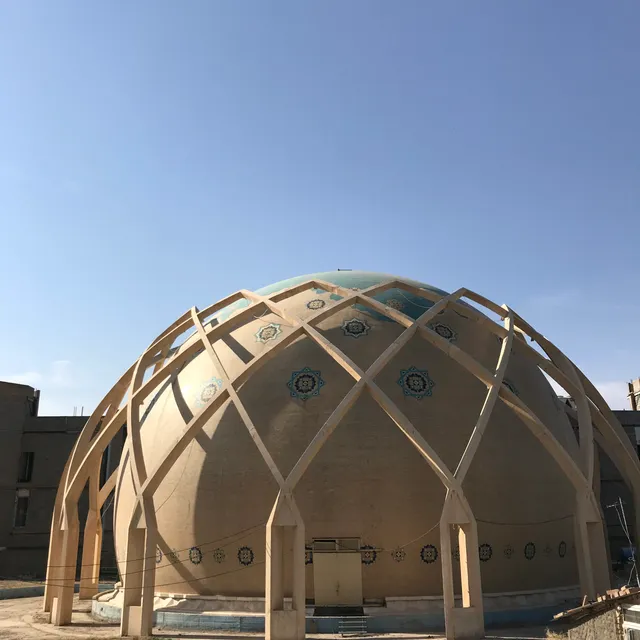
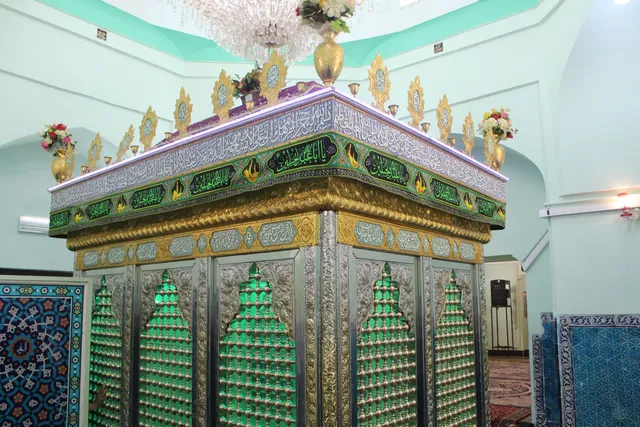
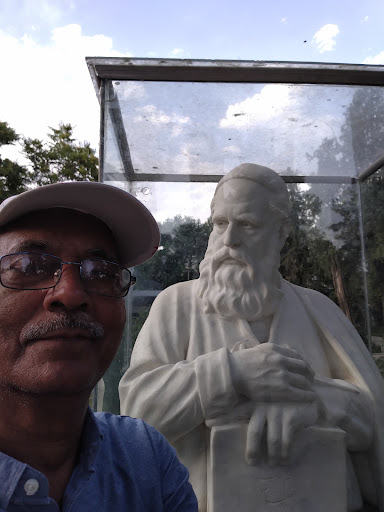
Omar Khayyam born in 1048 in Nishapur, Iran, was a renowned polymath who made significant contributions to mathematics, astronomy, philosophy, poetry, and science. His achievements across various fields have left a lasting impact on intellectual discourse and continue to be celebrated to this day. Let's delve into the detailed overview of his contributions: Mathematics: Omar Khayyam's most prominent mathematical work is his treatise called "Treatise on Demonstration of Problems of Algebra." In this work, he provided solutions to various algebraic equations, including cubic equations. He introduced a geometrical method for solving cubic equations by intersecting conic sections, which was a groundbreaking advancement in algebraic geometry. Astronomy: Khayyam made significant contributions to the field of astronomy. He was involved in the reform of the Islamic calendar, working alongside other scholars. He developed more accurate astronomical tables known as the Jalali calendar, which is still in use today in Iran. His calendar was more precise than the Julian and Gregorian calendars and incorporated leap years to account for the fractional difference between the solar year and lunar year. His work in astronomy also involved the measurement and mapping of the stars. Philosophy: Omar Khayyam's philosophical ideas were primarily reflected in his poetry, particularly in his famous work, the "Rubaiyat." The Rubaiyat is a collection of quatrains (four-line verses) that express philosophical and existential themes. Khayyam's poetry often contemplated the transience of life, the quest for knowledge, the nature of reality, and the role of human beings in the universe. His philosophical musings in the Rubaiyat have captivated readers for centuries and continue to inspire contemplation on the human condition. Poetry: Khayyam is best known for his poetry, especially the aforementioned "Rubaiyat." His poetry has transcended time and cultural boundaries, gaining international acclaim. The Rubaiyat, translated into various languages, presents a combination of themes including love, nature, mortality, and spirituality. Khayyam's poetry showcases his deep appreciation for the beauty of life while also expressing his skepticism towards religious dogmas. His verses are characterized by rich imagery, evocative language, and profound philosophical insights. Science: In addition to his mathematical and astronomical contributions, Omar Khayyam also made notable contributions to other scientific fields. He worked on the measurement of objects and the principles of geometry, developing accurate methods for measuring the volume and surface area of solids. He also explored the properties of conic sections, such as parabolas and ellipses, and made advancements in the field of algebraic geometry. Khayyam's scientific pursuits exemplify his analytical mind and his desire to understand the natural world. Omar Khayyam's diverse contributions across mathematics, astronomy, philosophy, poetry, and science demonstrate his multifaceted genius. His mathematical and astronomical achievements laid the groundwork for future developments in these fields, while his philosophical and poetic works continue to inspire contemplation and resonate with audiences worldwide. Khayyam's enduring legacy as a polymath reflects his dedication to intellectual pursuits and his ability to integrate various disciplines to advance human knowledge and...
Read moreOmar Khayyam died on 4 December 1131. The earliest account of Omar's final resting place is provided by his pupil Nizami Aruzi who visited his tomb in 1135-6. In Balkh, in 1112-13, Nizami heard Omar make a prophecy about his place of burial, that his grave "would be where flowers in the springtime would shed their petals over his dust". He describes visiting his grave in what was then the cemetery of Hayrah: [his prophecy] seemed to me impossible, though I knew that one such as he would not speak idle words. When I arrived at Nishapur in the year A.H. 530, it being then four years since that great man had veiled his countenance in the dust, and this nether world had been bereaved of him. Since he was my master, on the eve of a Friday, with a companion, I went to visit his grave in the Hayrah Cemetery, I turned left and saw a grave situated at the foot of a garden-wall, over which pear-trees and peach-trees thrust their heads, and on his grave had fallen so many flower-leaves that his dust was hidden beneath the flowers. This reminded me of the conversation I had heard from him in the city of Balkh, I wept, for in the four corners of the world I had seen no...
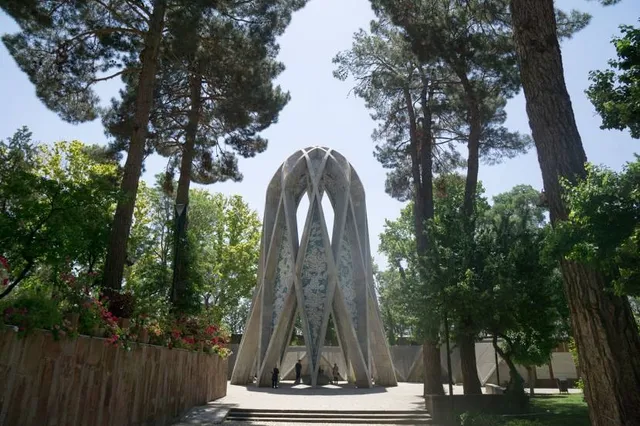
Read moreجاذبه های مهم و تماشایی کشورمان، آرامگاه خیام نیشابوری را برای سفر خود انتخاب کردهایم. آرامگاهی که در شهر تاریخی و پر افتخار نیشابور واقع شده است و سفر به آن به منزله سفر به گوشهای از تاریخ و علم و ادب ایران محسوب میشود. حکیم ابوالفتح عمر بن خیام نیشابوری در سده 5 هجری قمری در شهر نیشابور زاده شد. او ریاضیدان، اخترشناس و شاعری بزرگ در دوره سلجوقی بود که رباعیات آن در تمام جهان شهرت بسیاری دارد. بنای مقبره وی در میان باغی از درختان کهنسال در نزدیکی صحن امامزاده محروق بنا شده است. بنای فعلی آرامگاه حکیم عمر خیام در سال 1338 هجری شمسی پس از تخریب 2 بنای دیگر، سومین آرامگاه ساخته شده در زمان پهلوی است که طرح آن با دستان توانمند و ذهن خلاق هوشنگ سیحون ریخته شده است. شاید برایتان جالب باد که بدانید این آرامگاه یکی از نمونههای مشهور آرامگاه سازی در معماری ایرانی است که طاق ها و تیغههای به کار رفته در بنای آن زیبایی خاصی به این مجموعه داده است. ساختمانِ سنگی آرامگاه شکلی رو باز دارد و به صورت فرمی زیبا و منحصر به فرد ساخته شده است. هوشنگ سیحون در ساخت این آرامگاه سعی داشت تمام جنبههای زندگی و علومی که خیام فراگرفته بود را در نظر بگیرد. بنای آرامگاه از 10 پایه ستون سنگی تشکیل میشود، عدد 10 اولین عدد دو رقمی در علوم ریاضی است که نشان از ریاضیدان بودن خیام دارد. این 10 ستون در قسمت بالای بنا به یکدیگر میرسند و شکل ستارهای 5 پر را تشکیل میدهند که در آسمان شبهای نیشابور میدرخشد و این نشان از منجم بودن خیام دارد. در قسمتهای لوزی شکل بدنه بنا، 20 رباعی از خیام به خط تعلیق نوشته شده که نشان از حس لطیف و طبع شاعری خیام دارد. در نزدیکی آرامگاه دو بنای دیگر شامل یک کتابخانه و موزه به چشم میخورد که تندیسی از خیام در ابتدای باغ نصب شده است. موزه آرامگاه خیام در سال 1376 ساخته شده است و در اردیبهشت ماه سال 1379 درهای آن به روی علاقهمندان باز گردید. این موزه زیر نظر سازمان دولتی بوده و زمینه تخصصی آن نمایش ابزار و ادوات مرتبط با علم است. موزه خیام همزمان با برگزاری کنگره جهانی "حکیم عمر خیام" و در پاسداشت شان و مقام علمی او افتتاح گردید که در آنجا آثاری از علم ستاره شناسی، ظروف مفرغی و فلزی، ظروف سفالین لعاب دار و نسخ خطی به نمایش درآمده است. در کنار بازدید از موزه آرامگاه خیام شما کتابخانهای را مشاهده میکنید که در سال های گذشته کتابها و نسخ آن به کاروان سرای شاه عباسی و دیگر جاذبه تاریخی و معروف نیشابور انتقال یافته است. بنابراین اگر میخواهید از کتب این کتابخانه بهره ببرید باید به کاروان سرای شاه عباسی در خیابان امام خمینی نیشابور سر بزنید. خلاصه این که برای بازدید از آرامگاه خیام و موزه خیام که آثاری از علم نجوم را به نمایش گذاشته است، به خیابان عرفان در میدان فضل نیشابور بروید. خوب است بدانید که نیشابور شهر سنگهای فیروزه است، پس از خرید سوغاتی و زیورآلات زیبایی که با سنگهای فیروزه ساخته شدند ،غافل نشوید. در تور مشهد علاءالدین تراول شما میتوانید از دیگر اماکن دیدنی مشهد همچون موزه نادری، منطقه تفریحی توریستی چالیدره، پارک ملت و غیره بازدید کنید و با اقامت در بهترین هتل های مشهد همچون هتل درویشی و هتل قصر طلایی لحظات نابی را در کنار ما سپری کنید.شعری زیبا از خیام . لب برلب کوزه بردم از غایت آز تازو طلبم واسطه ی عمر دراز .لب بر لب من نهادو میگفت براز .می خور که به این...
Read more