HTML SitemapExplore
logo
Find Things to DoFind The Best Restaurants

Tomb of Baba Taher — Attraction in Hamedan

Name
Tomb of Baba Taher
Description
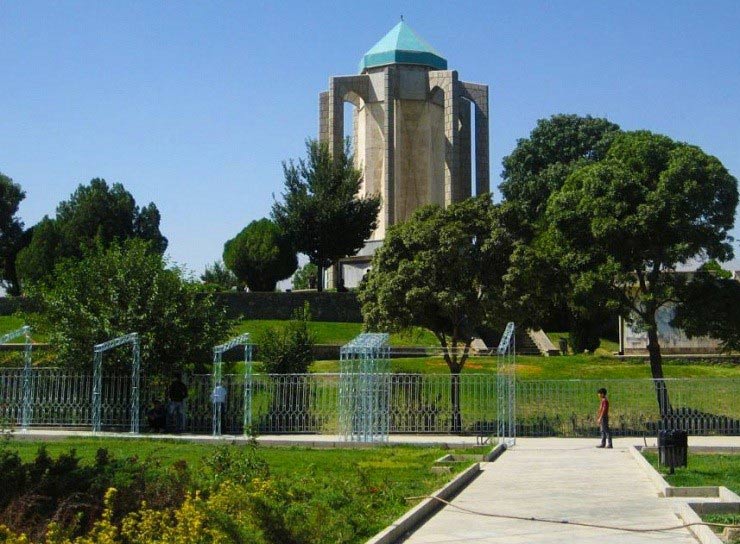
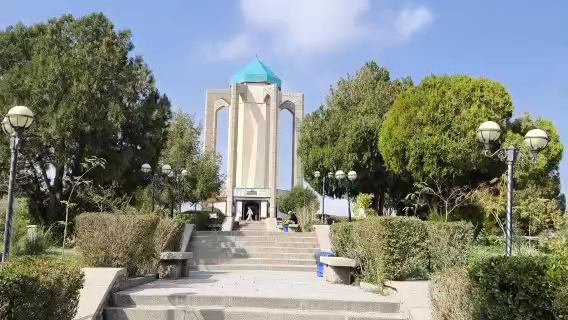
The Baba Tahir Mausoleum َ belongs to the contemporary period and is located in Baba Tahir Square in Hamadan.
Nearby attractions
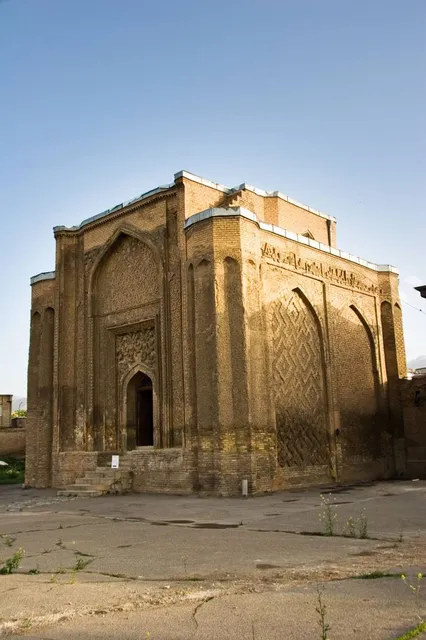
Alaviyan Dome
Hamadan Province, Hamedan, District 4, Alavian Blvd, RG36+C5X, Iran
Nearby restaurants
Nearby hotels
Related posts
Keywords
Tomb of Baba Taher tourism.Tomb of Baba Taher hotels.Tomb of Baba Taher bed and breakfast. flights to Tomb of Baba Taher.Tomb of Baba Taher attractions.Tomb of Baba Taher restaurants.Tomb of Baba Taher travel.Tomb of Baba Taher travel guide.Tomb of Baba Taher travel blog.Tomb of Baba Taher pictures.Tomb of Baba Taher photos.Tomb of Baba Taher travel tips.Tomb of Baba Taher maps.Tomb of Baba Taher things to do.
Tomb of Baba Taher things to do, attractions, restaurants, events info and trip planning
Tomb of Baba Taher
IranHamadan ProvinceHamedanTomb of Baba Taher

Basic Info

Tomb of Baba Taher

Hamadan Province, Hamedan, Baba Taher Square, RG55+9V9, Iran
4.4(739)
Closed
Save
spot

Ratings & Description

Info

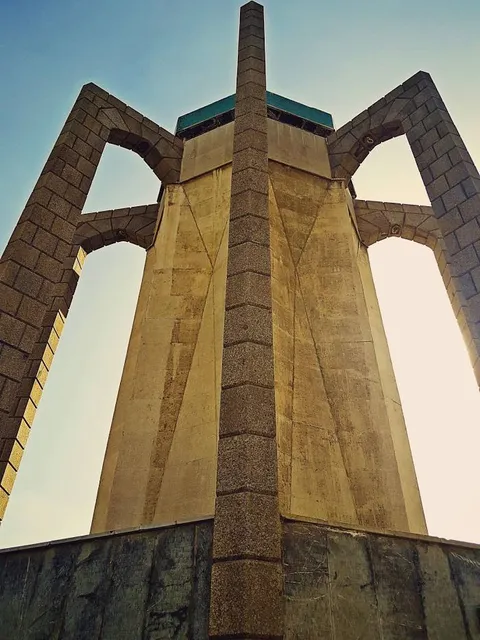
The Baba Tahir Mausoleum َ belongs to the contemporary period and is located in Baba Tahir Square in Hamadan.

Cultural
Scenic
Outdoor
Family friendly
Accessibility
attractions: Alaviyan Dome, restaurants:
logoLearn more insights from Wanderboat AI.
Phone
+98 81 3422 3343
Open hoursSee all hours
Sat8:35 AM - 6 PMClosed

Plan your stay

hotel
Pet-friendly Hotels in Hamedan
Find a cozy hotel nearby and make it a full experience.

hotel
Affordable Hotels in Hamedan
Find a cozy hotel nearby and make it a full experience.

hotel
The Coolest Hotels You Haven't Heard Of (Yet)
Find a cozy hotel nearby and make it a full experience.

hotel
Trending Stays Worth the Hype in Hamedan
Find a cozy hotel nearby and make it a full experience.

Reviews

Nearby attractions of Tomb of Baba Taher

Alaviyan Dome
Alaviyan Dome

Alaviyan Dome

4.3

(210)

Open 24 hours
Click for details
Get the Appoverlay
Get the AppOne tap to find yournext favorite spots!
Wanderboat LogoWanderboat

Your everyday Al companion for getaway ideas

CompanyAbout Us
InformationAI Trip PlannerSitemap
SocialXInstagramTiktokLinkedin
LegalTerms of ServicePrivacy Policy

Get the app

© 2025 Wanderboat. All rights reserved.
logo

Posts

babak hamidiababak hamidia
Baba Tahir (Persian: باباطاهر عریان‎) or Baba Taher Oryan Hamadani (Persian: باباطاهر عریان همدانی‎) was an 11th-century Persian poet from Hamadan, Iran. His poetry is written in the Hamadani dialect of the Persian language. According to L. P. Elwell-Sutton he probably wrote in the Hamadani dialect, adding: "Most traditional sources call it loosely Luri, while the name commonly applied from an early date to verses of this kind, Fahlaviyat, presumably implies that they were thought to be in a language related to the Middle Persian language. Rouben Abrahamian however found a close affinity with the dialect spoken at the present time by the Jews of Hamadan." According to The Cambridge History of Iran, Baba Tahir spoke a certain Persian dialect. Baba Tahir is known as one of the most revered early poets in Persian literature. Little is known of his life. He was born and lived in HamadanProvince in Iran. He was known by the name of Baba Taher-e Oryan (The Naked), which suggests that he may have been a wandering dervish. Legend tells that the poet, an illiterate woodcutter, attended lectures at a religious school, where he was not welcomed by his fellow-students. The dates of his birth and death are unknown. One source indicates that he died in 1019. If this is accurate, it would make Baba Tahir a contemporary of Ferdowsi and Avicenna and an immediate precursor of Omar Khayyam. Another source reports that he lived between 1000 and 1055, which is unlikely. It is said that Baba Tahir lived for seventy-five years. Rahat al-sodur of Ravandi, whose work was completed 603/1206, describes a meeting between Baba Tahir and the Seljuq conqueror Tughril (pp. 98–99). At the time when Baba Tahir lived in the 10th century, there were great changes occurring in the development and growth of literature and art. Medieval artists and poets in Persia were greatly respected and valued and had the right to express their thoughts freely. According to L. P. Elwell-Sutton: "He could be described as the first great poet of Sufi love in Persian literature. In the last two decades his do-baytis have often been put to music". His tomb, designed by Mohsen Foroughi, is located near the northern entrance of the city of Hamadan in Western Iran, in a park, surrounded by flowers and winding paths. The structure consists of twelve external pillars surrounding a central tower. It was constructed in 1970.
mona baratimona barati
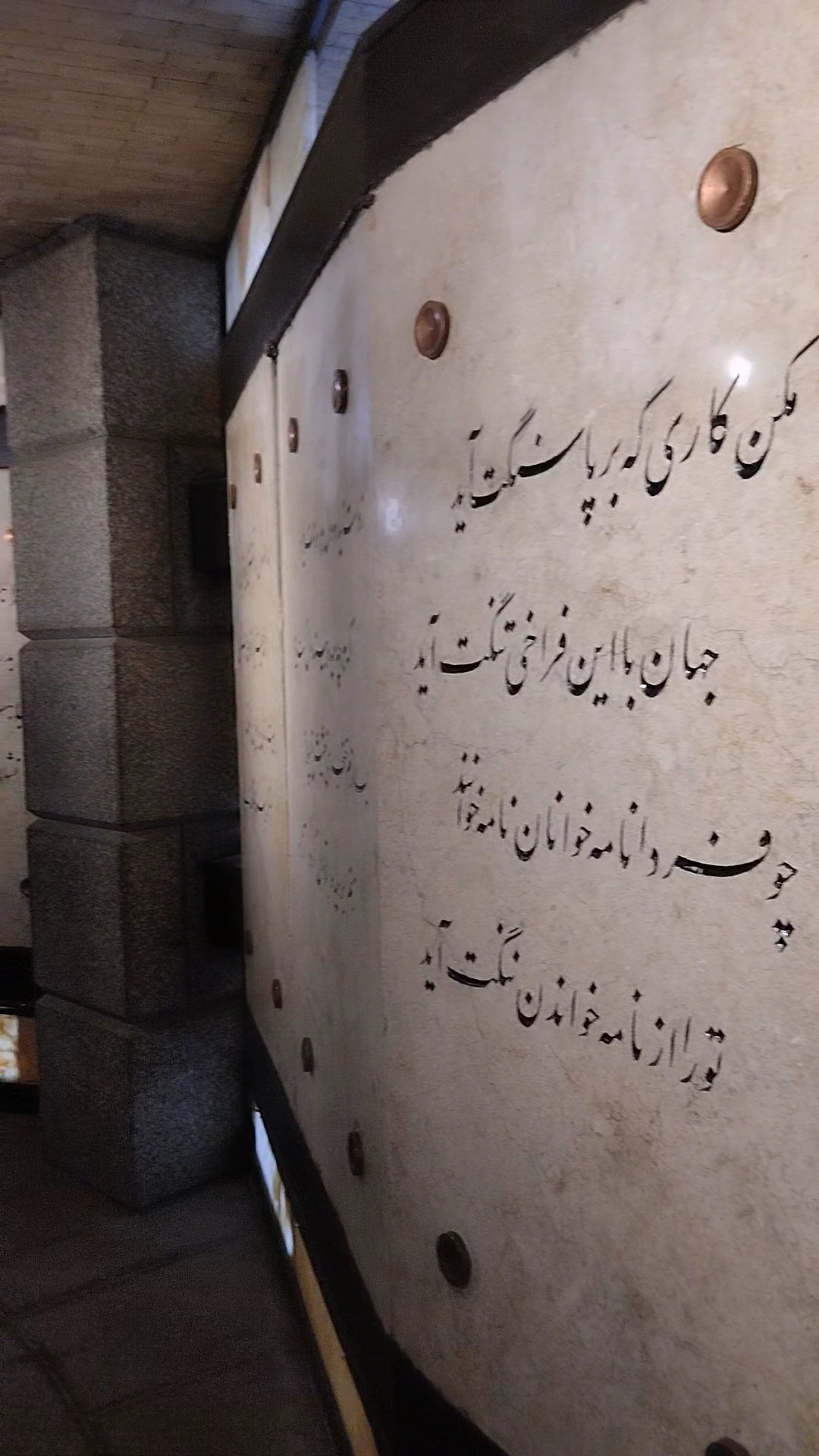
Baba Taher Mausoleum is located on a hill in the northwest of Hamedan, in front of the Alvand peak. Baba Taher, known as "Baba Taher Oryan", a Sufi mystic and poet of the 11th century, was from the vicinity of Hamedan, who is known for composing mystical and brilliant Do-beiti (Persian quatrain). Scholars have obtained numerous dates for the birth and death of this famous poet from several sources that have been recorded in history. Baba Taher held a high position in Sufism. The old mausoleum of Baba Taher was built in the shape of an octagonal brick tower in 12th century. This tower was destroyed in the early 20th century. Therefore, in 1938, during the reign of Reza Pahlavi, Baba Taher Tomb was simply renovated. This tomb was repaired and renovated again between 1950 and 1952. The construction of the new building of the Baba Taher mausoleum began in 1967, by the order of Mohammad Reza Pahlavi. Eventually, in 1970, the construction of the current building of Baba Taher Mausoleum was completed by Engineer Mohsen Foroughi in a field with an area of more than one hundred thousand square meters. The Baba Taher Mausoleum, with dimensions of 10 by 10 meters, consists of a set of prisms that have entrances and light holes. The foundation of this construction is made of stone, lime and insulation. The plan of this amazing construction is an octagonal base, which the height is approximately 25 meters. In the construction of the eight pillars of the tower, the tombstone, the floor covering as well as the stairs around the tomb tower, excellent carved granite stone has been used and the exterior of the building is made of high quality white stone. Very delicate mosaic tiles and Bannai script used in the interior of the tomb, has given a special effect to this fantastic mausoleum. Some inscriptions of Baba Taher’s Do-beyti on 24 marble stones give this construction a very eye-catching design. Next to Baba Taher Mausoleum, there are tombs of famous people in Hamedan.
ali mojahedali mojahed
آرامگاه باباطاهر عریان مربوط به دوره معاصر است و در همدان، میدان باباطاهر واقع شده و این اثر در تاریخ ۲۱ اردیبهشت ۱۳۷۶ با شمارهٔ ثبت ۱۸۷۰ به‌عنوان یکی از آثار ملی ایران به ثبت رسیده‌است. باباطاهر که حدوداً در اواخر قرن چهارم و اوایل قرن پنجم می‌زیسته، از شعرا و عرفای بزرگ روزگار خویش است. او یکی از مشهورترین دوبیتی سرایان ایرانی است که گذشت زمان نتوانسته دوبیتی‌های شورانگیزش را که به زبان پهلوی سروده شده‌است از یادها بزداید. از بابا طاهر علاوه بر دوبیتی‌ها، آثار ادبی دیگری نیز به جا مانده‌است که از آن جمله می‌توان به دو قطعه، چند غزل، مجموعه کلمات قصار عربی و کتابی به نام سرانجام اشاره نمود. بابا طاهر در مجموعه کلمات قصار عربی، عقاید عرفانی خود را در باب علم و معرفت و ذکر و عبادت و وجد و محبت بیان کرده‌است که مشتمل بر ۴۲۰ ذکر عارفانه در پنجاه باب و همراه با خاتمه‌ای در موضوعات متفرقه است. کتاب سرانجام وی مشتمل بر دو بخش است که بخش نخست آن رساله‌ای است که با کلمات قصار در عقاید عرفا و صوفیان و بخش دوم نیز رساله‌ای است به نام (الفتوحات الربانی فی اشارات الهمدانی) که گویا شارح آن جانی بیک همدانی است. در محوطه داخلی این آرامگاه ۲۴ دو بیتی بر روی ۲۴ قطعه سنگ زیبا حک شده و در قسمت پایین اطراف محوطه داخلی مزار نصب شده‌است. از باباطاهر علاوه بر دو بیتی‌هایش آثار ادبی دیگری نیز بجا مانده‌است که می‌توان به دو قطعه و چند غزل و کتابی با عنوان «سرانجام» اشاره کرد. آرامگاه باباطاهر در شهر همدان در مرکز میدانی مستطیل شکل، زیبا، سرسبز، با گنبدی فیروزه‌ای منشوری شکل، بر قاعده‌ای هشت ضلعی بر بالای تپه‌ای کم ارتفاع قرار گرفته‌است. سقف آرامگاه کاشی کاری معرق می‌باشد. برج آرامگاه بر قاعده‌ای هشت ضلعی واقع شده که ارتفاع آن از سطح فوقانی تپه ۲۰/۳۵ متر و از کف خیابان ۲۵/۳۰ متر می‌باشد. ستون‌های هشت‌گانه برج، قطعه سنگ مزار، کف و پله‌های آرامگاه از سنگ گرانیت حجاری شده‌است و بنای اصلی نیز به ابعاد۱۰ × ۱۰ متر با مجموعه‌ای از منشورها پوشیده شده و دارای مدخل‌های ورودی و منفذهای نور است. نما و فرش بنای آرامگاه باباطاهر همدان از سنگ است و در داخل آن کتیبه‌هایی از کاشی وجود دارد. در محوطه داخلی آرامگاه ۲۴دو بیتی از سروده‌های باباطاهر بر روی ۲۴ قطعه سنگ مرمرین نوشته و نصب شده‌است. دو لوحه برنجی نیز در محوطه داخلی نصب شده‌است که یکی از آنها اسامی هیئت مؤسس انجمن آثار ملی به هنگام ساختمان آرامگاه و دیگری نام برخی از شخصیت‌هایی است که در کنار بابا طاهر دفن شده‌اند. مساحت کل زیر بنای آرامگاه و باغ آن حدود ۸۹۶۵ متر مربع برآورد شده‌است. ترانه‌های شورانگیز بابا طاهر با لهجه دل‌پذیر لری سروده شده و ترجمان روح و قلب حساس و پر سوز این عارف گرانمایه است و اهل ذوق و حال را با جذبه خاصی تحت تأثیر و سحر خود قرار می‌دهد. آرامگاه بابا طاهر بر فراز تپه‌ای در شمال باختری همدان قرار دارد. این بنا در طول قرون مختلف شاهد تخریب و بازسازی‌های متعدد بوده‌است. قدمت مقبره اصلی بابا طاهر به دوره سلجوقیان می‌رسد و در قرن ششم هجری یک برج هشت ضلعی آجری بر روی قبر بابا طاهر ساخته شد که بعدها بر اثر مرور زمان ویران شد. در زمان پهلوی اول از طرف شهرداری همدان بنای جدیدی به جای بنای قدیمی ساخته شد که مصالح آن بیشتر آجر بود. در جریان همین بازسازی، لوح کاشی مربوط به قرن هفتم هجری، که هم‌اکنون در موزه ایران باستان نگهداری می‌شود، به دست آمد. بر روی این کاشی فیروزه‌ای رنگ، آیات قرآن مجید به خط کوفی برجسته نوشته شده‌است. احداث بنای جدید در سال ۱۳۴۴ خورشیدی با همت انجمن آثار ملی و شهرداری همدان و توسط مهندس محسن فروغی انجام شده‌است. این بنای تاریخی طی شمار ۱۷۸۰ در تاریخ ۲۱ اردیبهشت ۱۳۷۶ به ثبت آثار تاریخی و ملی ایران رسیده‌است. در اطراف بنای جدید فضای سبز وسیعی احداث شده‌است. آرامگاه جدید، شاهکاری ممتاز و بدیع از معماری عصر جدید است که طرح اصلی آن تلفیقی از معماری قرن‌های هفتم و هشتم هجری و عصر حاضر است. برخی از بزرگان و ادیبانی که در جوار مزار باباطاهر آرمیده‌اند: محمد ابن عبدالعزیز از ادیبان سده ۳ هجری ابولفتح اسعد از فقیهان سده ۶ میرزا علی نقی کوثر از دانشمندان سده ۱۳ مفتون همدانی از شاعران سده ۱۴
See more posts
See more posts
hotel
Find your stay

Pet-friendly Hotels in Hamedan

Find a cozy hotel nearby and make it a full experience.

Baba Tahir (Persian: باباطاهر عریان‎) or Baba Taher Oryan Hamadani (Persian: باباطاهر عریان همدانی‎) was an 11th-century Persian poet from Hamadan, Iran. His poetry is written in the Hamadani dialect of the Persian language. According to L. P. Elwell-Sutton he probably wrote in the Hamadani dialect, adding: "Most traditional sources call it loosely Luri, while the name commonly applied from an early date to verses of this kind, Fahlaviyat, presumably implies that they were thought to be in a language related to the Middle Persian language. Rouben Abrahamian however found a close affinity with the dialect spoken at the present time by the Jews of Hamadan." According to The Cambridge History of Iran, Baba Tahir spoke a certain Persian dialect. Baba Tahir is known as one of the most revered early poets in Persian literature. Little is known of his life. He was born and lived in HamadanProvince in Iran. He was known by the name of Baba Taher-e Oryan (The Naked), which suggests that he may have been a wandering dervish. Legend tells that the poet, an illiterate woodcutter, attended lectures at a religious school, where he was not welcomed by his fellow-students. The dates of his birth and death are unknown. One source indicates that he died in 1019. If this is accurate, it would make Baba Tahir a contemporary of Ferdowsi and Avicenna and an immediate precursor of Omar Khayyam. Another source reports that he lived between 1000 and 1055, which is unlikely. It is said that Baba Tahir lived for seventy-five years. Rahat al-sodur of Ravandi, whose work was completed 603/1206, describes a meeting between Baba Tahir and the Seljuq conqueror Tughril (pp. 98–99). At the time when Baba Tahir lived in the 10th century, there were great changes occurring in the development and growth of literature and art. Medieval artists and poets in Persia were greatly respected and valued and had the right to express their thoughts freely. According to L. P. Elwell-Sutton: "He could be described as the first great poet of Sufi love in Persian literature. In the last two decades his do-baytis have often been put to music". His tomb, designed by Mohsen Foroughi, is located near the northern entrance of the city of Hamadan in Western Iran, in a park, surrounded by flowers and winding paths. The structure consists of twelve external pillars surrounding a central tower. It was constructed in 1970.
babak hamidia

babak hamidia

hotel
Find your stay

Affordable Hotels in Hamedan

Find a cozy hotel nearby and make it a full experience.

Get the Appoverlay
Get the AppOne tap to find yournext favorite spots!
Baba Taher Mausoleum is located on a hill in the northwest of Hamedan, in front of the Alvand peak. Baba Taher, known as "Baba Taher Oryan", a Sufi mystic and poet of the 11th century, was from the vicinity of Hamedan, who is known for composing mystical and brilliant Do-beiti (Persian quatrain). Scholars have obtained numerous dates for the birth and death of this famous poet from several sources that have been recorded in history. Baba Taher held a high position in Sufism. The old mausoleum of Baba Taher was built in the shape of an octagonal brick tower in 12th century. This tower was destroyed in the early 20th century. Therefore, in 1938, during the reign of Reza Pahlavi, Baba Taher Tomb was simply renovated. This tomb was repaired and renovated again between 1950 and 1952. The construction of the new building of the Baba Taher mausoleum began in 1967, by the order of Mohammad Reza Pahlavi. Eventually, in 1970, the construction of the current building of Baba Taher Mausoleum was completed by Engineer Mohsen Foroughi in a field with an area of more than one hundred thousand square meters. The Baba Taher Mausoleum, with dimensions of 10 by 10 meters, consists of a set of prisms that have entrances and light holes. The foundation of this construction is made of stone, lime and insulation. The plan of this amazing construction is an octagonal base, which the height is approximately 25 meters. In the construction of the eight pillars of the tower, the tombstone, the floor covering as well as the stairs around the tomb tower, excellent carved granite stone has been used and the exterior of the building is made of high quality white stone. Very delicate mosaic tiles and Bannai script used in the interior of the tomb, has given a special effect to this fantastic mausoleum. Some inscriptions of Baba Taher’s Do-beyti on 24 marble stones give this construction a very eye-catching design. Next to Baba Taher Mausoleum, there are tombs of famous people in Hamedan.
mona barati

mona barati

hotel
Find your stay

The Coolest Hotels You Haven't Heard Of (Yet)

Find a cozy hotel nearby and make it a full experience.

hotel
Find your stay

Trending Stays Worth the Hype in Hamedan

Find a cozy hotel nearby and make it a full experience.

آرامگاه باباطاهر عریان مربوط به دوره معاصر است و در همدان، میدان باباطاهر واقع شده و این اثر در تاریخ ۲۱ اردیبهشت ۱۳۷۶ با شمارهٔ ثبت ۱۸۷۰ به‌عنوان یکی از آثار ملی ایران به ثبت رسیده‌است. باباطاهر که حدوداً در اواخر قرن چهارم و اوایل قرن پنجم می‌زیسته، از شعرا و عرفای بزرگ روزگار خویش است. او یکی از مشهورترین دوبیتی سرایان ایرانی است که گذشت زمان نتوانسته دوبیتی‌های شورانگیزش را که به زبان پهلوی سروده شده‌است از یادها بزداید. از بابا طاهر علاوه بر دوبیتی‌ها، آثار ادبی دیگری نیز به جا مانده‌است که از آن جمله می‌توان به دو قطعه، چند غزل، مجموعه کلمات قصار عربی و کتابی به نام سرانجام اشاره نمود. بابا طاهر در مجموعه کلمات قصار عربی، عقاید عرفانی خود را در باب علم و معرفت و ذکر و عبادت و وجد و محبت بیان کرده‌است که مشتمل بر ۴۲۰ ذکر عارفانه در پنجاه باب و همراه با خاتمه‌ای در موضوعات متفرقه است. کتاب سرانجام وی مشتمل بر دو بخش است که بخش نخست آن رساله‌ای است که با کلمات قصار در عقاید عرفا و صوفیان و بخش دوم نیز رساله‌ای است به نام (الفتوحات الربانی فی اشارات الهمدانی) که گویا شارح آن جانی بیک همدانی است. در محوطه داخلی این آرامگاه ۲۴ دو بیتی بر روی ۲۴ قطعه سنگ زیبا حک شده و در قسمت پایین اطراف محوطه داخلی مزار نصب شده‌است. از باباطاهر علاوه بر دو بیتی‌هایش آثار ادبی دیگری نیز بجا مانده‌است که می‌توان به دو قطعه و چند غزل و کتابی با عنوان «سرانجام» اشاره کرد. آرامگاه باباطاهر در شهر همدان در مرکز میدانی مستطیل شکل، زیبا، سرسبز، با گنبدی فیروزه‌ای منشوری شکل، بر قاعده‌ای هشت ضلعی بر بالای تپه‌ای کم ارتفاع قرار گرفته‌است. سقف آرامگاه کاشی کاری معرق می‌باشد. برج آرامگاه بر قاعده‌ای هشت ضلعی واقع شده که ارتفاع آن از سطح فوقانی تپه ۲۰/۳۵ متر و از کف خیابان ۲۵/۳۰ متر می‌باشد. ستون‌های هشت‌گانه برج، قطعه سنگ مزار، کف و پله‌های آرامگاه از سنگ گرانیت حجاری شده‌است و بنای اصلی نیز به ابعاد۱۰ × ۱۰ متر با مجموعه‌ای از منشورها پوشیده شده و دارای مدخل‌های ورودی و منفذهای نور است. نما و فرش بنای آرامگاه باباطاهر همدان از سنگ است و در داخل آن کتیبه‌هایی از کاشی وجود دارد. در محوطه داخلی آرامگاه ۲۴دو بیتی از سروده‌های باباطاهر بر روی ۲۴ قطعه سنگ مرمرین نوشته و نصب شده‌است. دو لوحه برنجی نیز در محوطه داخلی نصب شده‌است که یکی از آنها اسامی هیئت مؤسس انجمن آثار ملی به هنگام ساختمان آرامگاه و دیگری نام برخی از شخصیت‌هایی است که در کنار بابا طاهر دفن شده‌اند. مساحت کل زیر بنای آرامگاه و باغ آن حدود ۸۹۶۵ متر مربع برآورد شده‌است. ترانه‌های شورانگیز بابا طاهر با لهجه دل‌پذیر لری سروده شده و ترجمان روح و قلب حساس و پر سوز این عارف گرانمایه است و اهل ذوق و حال را با جذبه خاصی تحت تأثیر و سحر خود قرار می‌دهد. آرامگاه بابا طاهر بر فراز تپه‌ای در شمال باختری همدان قرار دارد. این بنا در طول قرون مختلف شاهد تخریب و بازسازی‌های متعدد بوده‌است. قدمت مقبره اصلی بابا طاهر به دوره سلجوقیان می‌رسد و در قرن ششم هجری یک برج هشت ضلعی آجری بر روی قبر بابا طاهر ساخته شد که بعدها بر اثر مرور زمان ویران شد. در زمان پهلوی اول از طرف شهرداری همدان بنای جدیدی به جای بنای قدیمی ساخته شد که مصالح آن بیشتر آجر بود. در جریان همین بازسازی، لوح کاشی مربوط به قرن هفتم هجری، که هم‌اکنون در موزه ایران باستان نگهداری می‌شود، به دست آمد. بر روی این کاشی فیروزه‌ای رنگ، آیات قرآن مجید به خط کوفی برجسته نوشته شده‌است. احداث بنای جدید در سال ۱۳۴۴ خورشیدی با همت انجمن آثار ملی و شهرداری همدان و توسط مهندس محسن فروغی انجام شده‌است. این بنای تاریخی طی شمار ۱۷۸۰ در تاریخ ۲۱ اردیبهشت ۱۳۷۶ به ثبت آثار تاریخی و ملی ایران رسیده‌است. در اطراف بنای جدید فضای سبز وسیعی احداث شده‌است. آرامگاه جدید، شاهکاری ممتاز و بدیع از معماری عصر جدید است که طرح اصلی آن تلفیقی از معماری قرن‌های هفتم و هشتم هجری و عصر حاضر است. برخی از بزرگان و ادیبانی که در جوار مزار باباطاهر آرمیده‌اند: محمد ابن عبدالعزیز از ادیبان سده ۳ هجری ابولفتح اسعد از فقیهان سده ۶ میرزا علی نقی کوثر از دانشمندان سده ۱۳ مفتون همدانی از شاعران سده ۱۴
ali mojahed

ali mojahed

See more posts
See more posts

Reviews of Tomb of Baba Taher

4.4
(739)
avatar
4.0
6y

Baba Tahir (Persian: باباطاهر عریان‎) or Baba Taher Oryan Hamadani (Persian: باباطاهر عریان همدانی‎) was an 11th-century Persian poet from Hamadan, Iran. His poetry is written in the Hamadani dialect of the Persian language. According to L. P. Elwell-Sutton he probably wrote in the Hamadani dialect, adding: "Most traditional sources call it loosely Luri, while the name commonly applied from an early date to verses of this kind, Fahlaviyat, presumably implies that they were thought to be in a language related to the Middle Persian language. Rouben Abrahamian however found a close affinity with the dialect spoken at the present time by the Jews of Hamadan." According to The Cambridge History of Iran, Baba Tahir spoke a certain Persian dialect.

Baba Tahir is known as one of the most revered early poets in Persian literature. Little is known of his life. He was born and lived in HamadanProvince in Iran. He was known by the name of Baba Taher-e Oryan (The Naked), which suggests that he may have been a wandering dervish. Legend tells that the poet, an illiterate woodcutter, attended lectures at a religious school, where he was not welcomed by his fellow-students. The dates of his birth and death are unknown. One source indicates that he died in 1019. If this is accurate, it would make Baba Tahir a contemporary of Ferdowsi and Avicenna and an immediate precursor of Omar Khayyam. Another source reports that he lived between 1000 and 1055, which is unlikely. It is said that Baba Tahir lived for seventy-five years. Rahat al-sodur of Ravandi, whose work was completed 603/1206, describes a meeting between Baba Tahir and the Seljuq conqueror Tughril (pp. 98–99). At the time when Baba Tahir lived in the 10th century, there were great changes occurring in the development and growth of literature and art. Medieval artists and poets in Persia were greatly respected and valued and had the right to express their thoughts freely. According to L. P. Elwell-Sutton: "He could be described as the first great poet of Sufi love in Persian literature. In the last two decades his do-baytis have often been put to music".

His tomb, designed by Mohsen Foroughi, is located near the northern entrance of the city of Hamadan in Western Iran, in a park, surrounded by flowers and winding paths. The structure consists of twelve external pillars surrounding a central tower. It was...

   Read more
avatar
5.0
1y

Baba Taher Mausoleum is located on a hill in the northwest of Hamedan, in front of the Alvand peak. Baba Taher, known as "Baba Taher Oryan", a Sufi mystic and poet of the 11th century, was from the vicinity of Hamedan, who is known for composing mystical and brilliant Do-beiti (Persian quatrain). Scholars have obtained numerous dates for the birth and death of this famous poet from several sources that have been recorded in history. Baba Taher held a high position in Sufism. The old mausoleum of Baba Taher was built in the shape of an octagonal brick tower in 12th century. This tower was destroyed in the early 20th century. Therefore, in 1938, during the reign of Reza Pahlavi, Baba Taher Tomb was simply renovated. This tomb was repaired and renovated again between 1950 and 1952. The construction of the new building of the Baba Taher mausoleum began in 1967, by the order of Mohammad Reza Pahlavi. Eventually, in 1970, the construction of the current building of Baba Taher Mausoleum was completed by Engineer Mohsen Foroughi in a field with an area of more than one hundred thousand square meters. The Baba Taher Mausoleum, with dimensions of 10 by 10 meters, consists of a set of prisms that have entrances and light holes. The foundation of this construction is made of stone, lime and insulation. The plan of this amazing construction is an octagonal base, which the height is approximately 25 meters. In the construction of the eight pillars of the tower, the tombstone, the floor covering as well as the stairs around the tomb tower, excellent carved granite stone has been used and the exterior of the building is made of high quality white stone. Very delicate mosaic tiles and Bannai script used in the interior of the tomb, has given a special effect to this fantastic mausoleum. Some inscriptions of Baba Taher’s Do-beyti on 24 marble stones give this construction a very eye-catching design. Next to Baba Taher Mausoleum, there are tombs of famous...

   Read more
avatar
5.0
1y

Baba Taher Oryan, a renowned Persian poet and mystic, lived during the 11th century (4th-5th centuries AH). He is one of the most prominent figures in Iranian literature and mysticism, known for his heartfelt and impactful quatrains (doubaytis) composed in Persian and Lori. These verses are filled with themes of divine love, human emotions, and spiritual longing.

Little is known about Baba Taher’s life, but it is believed that he lived in Hamedan, where his mausoleum still stands today. The titles Baba (a term of reverence) and Oryan (the naked) reflect his spiritual status and ascetic lifestyle, signifying his detachment from worldly possessions and focus on seeking divine truth.

Baba Taher’s quatrains are celebrated for their simplicity, sincerity, and profound emotional depth. Written in a lyrical and mystical tone, these poems explore topics such as divine love, human suffering, and the beauty of nature. Despite their simplicity, his verses resonate deeply with readers, capturing universal emotions and spiritual insights.

His poetry often reflects a close connection to both people and nature, highlighting his cultural roots and authenticity. Some of his works are composed in a dialect close to Lori, emphasizing his regional identity and heritage. Baba Taher’s legacy remains alive, as his poetry continues to inspire readers, scholars, and lovers of Persian literature. His tomb in Hamedan is a revered site, attracting visitors who admire his enduring contributions to Persian culture and...

   Read more
Page 1 of 7
Previous
Next