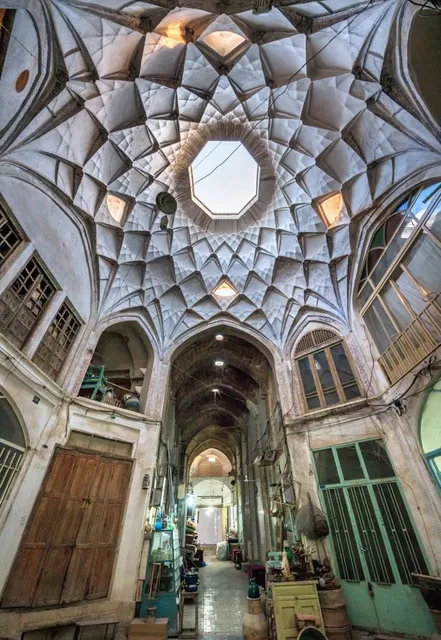
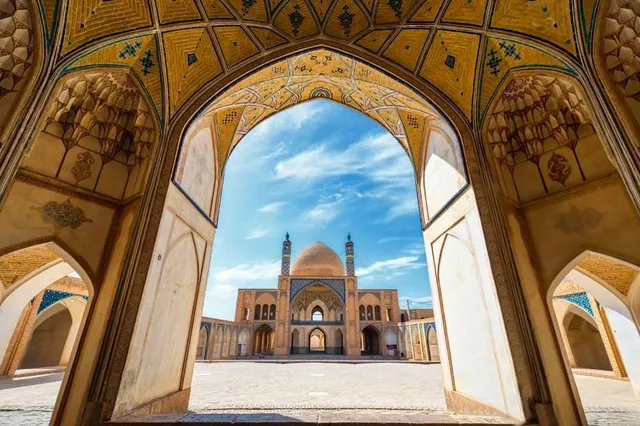
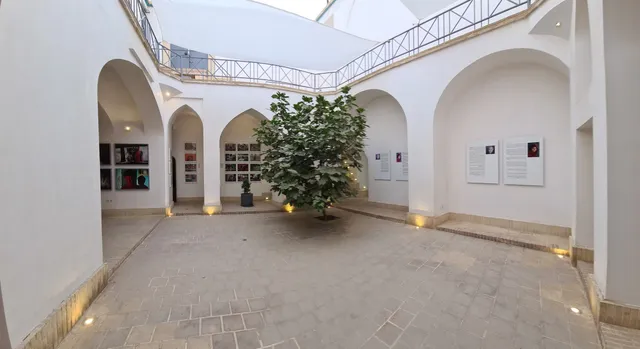
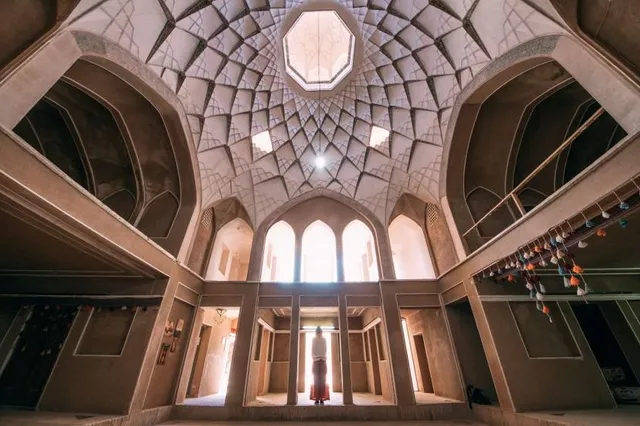
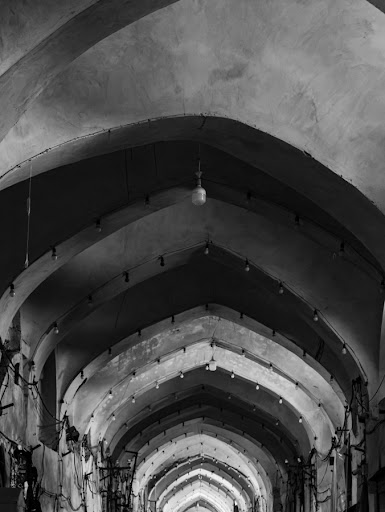
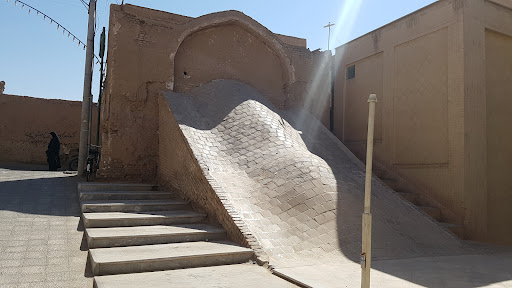
The traditional bazaar of Kashan is a treasure trove of Iranian history and architecture, rightfully recognized as one of the country's national heritage sites. Stretching from Baba Afzal Street to the Gate of the State, this bustling marketplace is home to a multitude of historic structures, including the renowned Mir Emad Square Mosque, the caravanserais of Mir Panj, Zaghaliha, Ghafar Pour, and Rabat, as well as the grand houses of Boroujerdiha and Naraqiha. The bazaar is also famous for its exquisite timchehs (covered bazaars), such as Amin al-Dolleh, Mianchal, Bakhshi, and Seyed Agha, as well as its numerous water reservoirs.
Each section of the bazaar was once dedicated to specific trades. For example, one could find coppersmiths and dyers in certain areas, while shoemakers, tailors, and grocers occupied others. Today, visitors can still find traditional craftspeople at work and purchase a wide range of local products, including sweets and herbal teas.
Unfortunately, many of the bazaar's original passages and alleyways have been lost over time. However, several historic thoroughfares, such as Darvazeh Isfahan, Sarpehre, Panjeh Shah, Imamzadeh Habib ibn Musa, and Paye Gapan, still exist. Sadly, the passages of Mohammad Saleh Beyk, Turk Abad, Darvazeh Fin, and Gazi Asadollah have vanished, along with the Four-Way Passage, Khan Water Reservoir, and the Door of the Champions.
The bazaar reached its peak during the Safavid dynasty, particularly under the reign of Shah Abbas I. It was a thriving centre of commerce, attracting merchants from far and wide. While the current bazaar is largely a product of the Qajar era, it preserves much of the charm and character of its earlier incarnation.
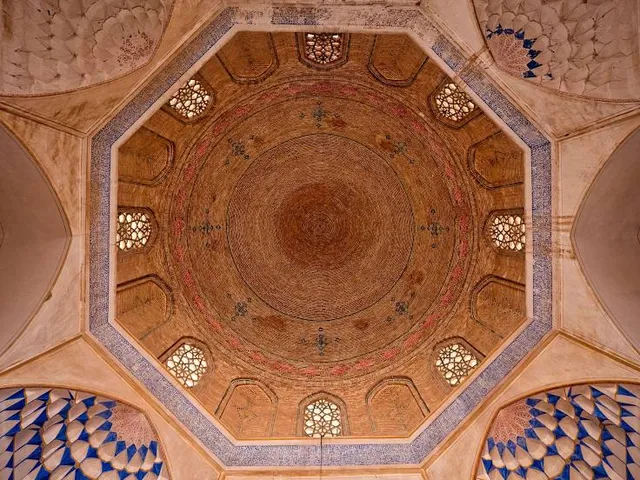
Beyond the bustling streets and traditional shops, the bazaar is also home to several fascinating architectural features. The Mianchal, or central hall, is a particularly noteworthy example, with its unique layout and intricate design. The various caravanserais, such as Zaghaliha, No, and Mir Panj, offered accommodation and security for travelling merchants.
Whether you're interested in history, architecture, or simply want to experience the local culture, the traditional bazaar of Kashan is a must-visit...
Read moreKaşan (Farsça:کاشان), merkezi İran'da, İsfahan eyaletinde bir şehir. Kaşan şehristanı'nın yönetim merkezi olan kent nüfusu 2016'da 304,487'dir. Kaşan, İsfahan'a 210 km uzaklıkta, karayolu 71 ve otoyol 7'nin üzerindedir. Ülkede merkezi bir konuma sahip olan Kaşan'nın diğer kentlere uzaklığı şu şekildedir: Tahran 257 km, Kum 111 km, Dilican 85 km ve Erak 253 km. Denizden 945m yükseklikte ve Kevir Çölü yakınlarındadır. Kaşan yakınlarındaki Sailk Tepeleri, insanlığın en eski yerleşim yerlerindendir. Çevredeki su kaynakları yerleşmeye temel oluşturmuştur. Aşkaniler ve Ahameniş devri gümüş sikkelerin varlığı bölgede büyük krallıkların geliştiğinin göstergesidir. Ayrıca Hurremdeşt, Natanz ve Niaser tapınakların bulunması Kaşan'ın Sasaniler devrinde büyümeye devam ettiğinin göstergesidir. Kaşan kenti ismini MÖ 24.yy'da antik metin ve levhalarda adı geçen, Mezopotamya halklarından Kaşu kavminden almıştır. Selçuklular devrinde (1051-1220) tekstil, çanak çömlek, çinicilikte önemli bir yerdir. I. Melikşan zamanında bugün bile surları görülebilen Celali Kalesi yaptırmıştır. Kale o zamanın başkenti İsfahan'nın yol güvenliğini sağlamak amacıyla yapılmıştır. Kaşan 17yy sonu ve 19 yy başı arasında yakın çevresine sırlı çini ve seramik ihracatı yapmaktaydı. Şehrin yünlü ve ipekli halıları bilinen İran halıları arasındadır. Modern Farsçada kiremit (kashi) kelimesi bu şehrin adından türemiştir. Kashan (Persian: About this soundکاشان; also romanized as Kāshān)[2] is a city in the northern part of Isfahan province, Iran. At the 2017 census, its population was 396,987 in 90,828 families.[3] Some etymologists argue that the city name comes from the Kasian, the original inhabitants of the city, whose remains are found at Tapeh Sialk dating back 9,000 years; later this was changed to "Kashian", hence the town name. Between the 12th and the 14th centuries Kashan was an important centre for the production of high quality pottery and tiles. In modern Persian, the word for a tile (kashi) comes from the name of the town. Kashan is divided into two parts, mountainous and desert. In the west side, Kashan is cited in the neighbourhood of two of highest peaks of Karkas chain, Mount Gargash to the southwest of Kashan (the home of Iran national observatory, the largest astronomical telescope of Iran) and Mount Ardehaal in the west of Kashan, also known as "Damavand of Kashan" and the highest peak of Ardehaal mountains (end part of Karkas chain in central Iran). In the east side of the city Kashan opens up to the central desert of Iran which the city is famous for. Kashan is also known for Maranjab Desert and Caravanserai located near the namak lake (or salt lake). Today Maranjab and the surrounding Shifting Sands is a popular destination at the weekends for safaris. On August 9, 2007 Iran placed the Historical Axis of Fin, Sialk, Kashan on its Tentative List for possible future nomination as a UNESCO World Heritage Site. The exact definition of what locations within Kashan proper might be nominated was not made clear. In 2012 Iran successfully nominated the Fin Garden separately for inscription by UNESCO as a part of its Persian Gardens World Heritage Site. Despite this the "Historical-Cultural Axis of Fin, Sialk, Kashan" remains in full on Iran's...
Read moreKashan’s Old Bazaar If you ever find yourself wandering through Kashan, don’t even think about skipping its old bazaar. The moment you step inside, it feels like you’ve walked straight into another century — a maze of narrow alleys, domed ceilings, and soft golden light filtering through old brick skylights.
The place smells like a mix of spices, rosewater, and copper — the kind of scent that makes you want to slow down and just breathe it in. Every corner hides something beautiful: tiny shops filled with handmade carpets, brass lamps, and merchants who’ve been here for generations.
What makes it even more magical is the way the light dances under the domes of the Aminoddole Caravanserai — one of the most stunning spots in the whole bazaar. It’s quiet, peaceful, and full of that timeless Persian charm that you can’t find anywhere else.
Kashan’s bazaar isn’t just a place to shop — it’s a place to feel. It’s history, art, and life all woven together. You walk in as a tourist, but you leave feeling like you’ve just touched a piece of...
Read more