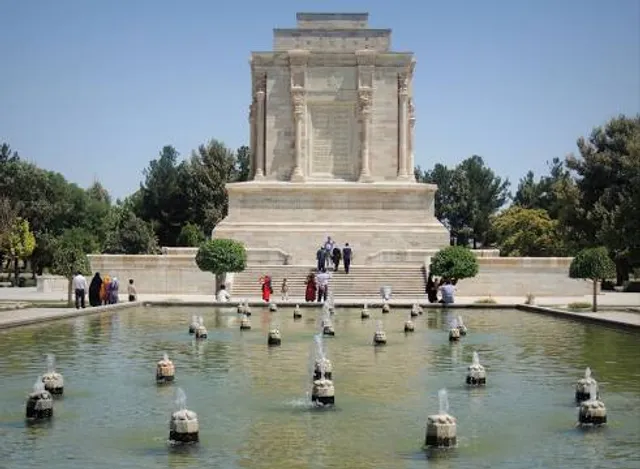
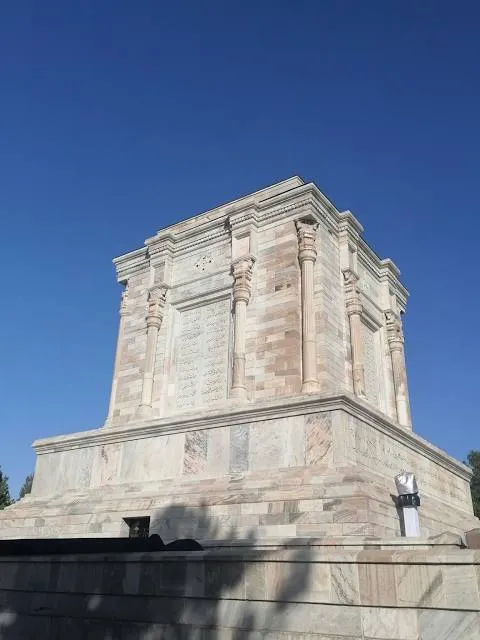
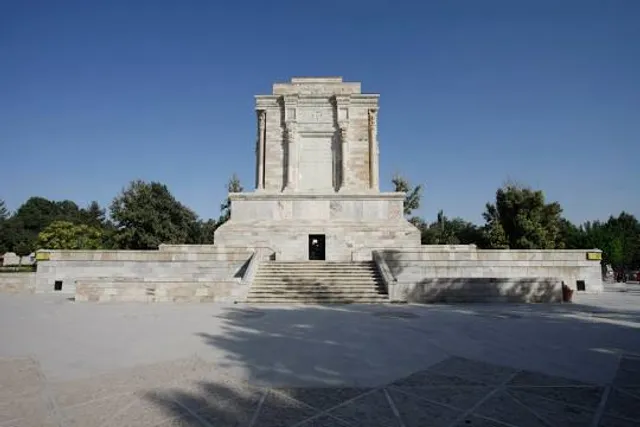
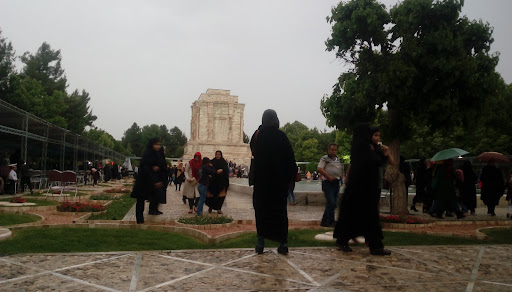
You find many things about Ferdowsi. He is a great and famous man in Persian's culture! Ferdowsi's tomb is located 20 km from Mashhad in Toos and is inspired by the Achaemenid architecture. This 900-meter building is made of columns, stones and tiles and contains Achaemenid decorative elements in the columns and head. Columns are used. Poems by Hakim Ferdowsi are also written on the four sides of this tomb. The interior of this tomb is inspired by Parthian architecture and it uses 20 marble columns at the bottom of the building and 8 columns at the top. The tomb is housed in a complex with a library and a museum. The Toos or Ferdowsi Museum consists of four sections, which include traces of archeological excavations in Toos, various types of combat and epic tools such as shields, bows and arrows, which are often mentioned in the Shahnameh, and ancient objects belonging to the time. Hakim Ferdowsi, ie the 4th and 5th centuries AH, and donated objects and paintings have been exhibited. The interior of this tomb is inspired by Parthian architecture, in which 20 marble columns are used at the bottom of the building and 8 columns in the upper part. . The tomb is housed in a complex with a library and a museum. The Toos or Ferdowsi Museum consists of four sections, which include traces of archeological excavations in Toos, various types of combat and epic tools such as shields, bows and arrows, which are often mentioned in the Shahnameh, and ancient objects belonging to the time. Hakim Ferdowsi, ie the 4th and 5th centuries AH, and donated objects and paintings have been exhibited. The statue of Ferdowsi, made by Abolhassan Sedighi, an Iranian artist, was brought to this tomb. Today, in the tomb hall section, you can see statues of Shahnameh stories made by Fereydoun Sedighi, the son of Abolhassan Sedighi. To go to this tomb, you have to go from Mashhad to Quchan and turn right at Ferdowsi intersection. A few kilometers ahead was Baharestan Boulevard. At the end of the boulevard is the tomb of the sage Ferdowsi. You can also go to this tomb by bus lines 202 at Ferdowsi...
Read moreTomb of Ferdowsi (Persian: آرامگاه فردوسی) is a tomb complex composed of a white marble base, and a decorative edifice erected in honor of the Persianpoet Ferdowsi located in Tus, Iran, in Razavi Khorasan province. It was built in the early 1930s, under the Reza Shah, and uses mainly elements of Achaemenid architecture to demonstrate Iran's rich culture and history. The construction of the mausoleum as well as its aesthetic design is a reflection of the cultural, and geo-political status of Iran at the time.
The influential Persian poet and author of the Persian epic, Shahnameh died in 1020 AD in the Tus, Iran (Persia), in the same city in which he was born. For all his literary contribution, Ferdowsi was not recognized during his life. It was only after his death that his poems won him admiration. For hundreds of years, his resting place was nothing more than a minor dome-shrine erected by a Ghaznavid ruler of Khorasan, without any permanent edifice in place in the garden of his house where Ferdowsi's daughter had originally buried him. In the beginning years of the 20th century Iran started to realize his critical role in defining the identity of Iran.
It was not until 1934 that the Iranian government, then under the control of Reza Shah, first king of the Pahlavi dynasty, recognized the cultural and literary value of Ferdowsi and erected a permanent tomb in his honor. A millennial celebration was also held for the poet, to which were invited scholars from several countries, including Soviet Tajikistan, India, Armenia, and Europe (Germany, France, England). Funds were collected, mainly donations from Parsi scholars, to enable the building of a statue for the poet at his tomb site.[clarification needed] The Pahlavi family used Ferdowsi to advance Iran's cultural prestige, but in doing so nearly cost Ferdowsi his tomb since, after the Islamic revolution, frustrations with the Shah of Iran nearly led to destruction of the tomb by the...
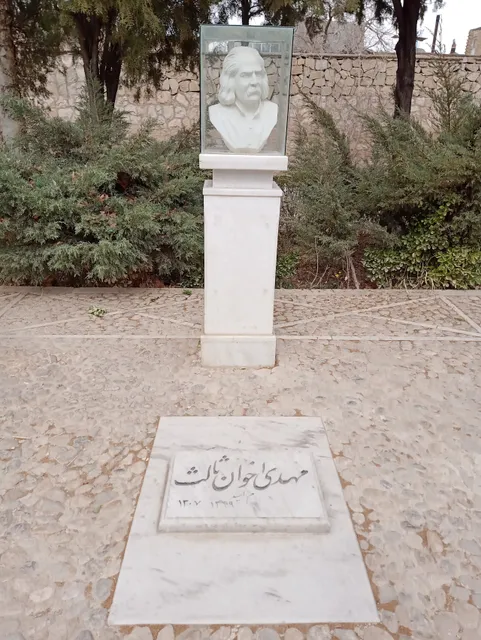
Read moreآرامگاه فردوسی محل خاکسپاری حکیم ابوالقاسم فردوسی در توس است. این بنا بهدست هوشنگ سیحون برپایهٔ طرح پیشین کریم طاهرزاده بهزاد، با اندکی تغییر در اندازه و تزئینات، طراحی و بازسازی شد. معمار مجری ساختمان حسین لرزاده، و حسین حجارباشی زنجانی و تقی درودیان مباشر ساخت این بنا بودند. آرامگاه فردوسی در سال ۱۳۱۳ ه.ش برابر با ۱۹۳۴ م گشوده شد. آرامگاه فردوسی بارها ساخته و ویران شده است. در گزارشهایی که در دو سدهٔ اخیر ازسوی پژوهشگران ایرانی و خارجی انجام شدهبود، بنایی محقر و پوشیده از گندمزار بهچشم آمده است. سرانجام در آغاز سدهٔ چهارده خورشیدی و همزمان با ملّیگرایی نوین ایران، تلاشها برای ساخت آرامگاهی شایستهٔ فردوسی ازسر گرفته شد. مساحت کنونی مجموعهٔ آرامگاه نزدیک به شش هکتار و دربردارندهٔ باغ آرامگاه، استخر و تندیسی از فردوسی اثر ابوالحسن صدیقی در جلوی آن، بنای یادبود، ساختمانهای اداری، کتابخانه، موزه، آرامگاه مهدی اخوان ثالث و آرامگاه محمدرضا شجریان است. معماری داخلی بنا نیز دربردارندهٔ کاشیکاریها، نقوش سنگی برجسته از داستانهای شاهنامه و کتیبههایی سنگی از سرودههای فردوسی و دیگران است. این بنا در تاریخ ۱۸ آذر ۱۳۵۴ با شمارهٔ ثبت ۱۱۷۶ بهعنوان یکی از آثار ملی ایران به ثبت رسیده است. مجموعهٔ فرهنگی باغ آرامگاه فردوسی در توس و در ۲۵ کیلومتری شمالغربی شهر مشهد، میان دو روستای طوس سفلی و اسلامیه در مسیری منشعب از بزرگراه مشهد–قوچان، نزدیک به شهر تاریخی تابران و بقعهٔ تاریخی هارونیه قرار دارد. روستای پاژ زادگاه فردوسی در ۲۸ کیلومتری شرق آرامگاه فردوسی است. چنانکه مشهور است، پیکر فردوسی را به دلیل شیعه بودن به گورستان راه ندادند و بهناچار او را در باغ خودش واقع در شهر تابران طوس، نزدیک به دروازهٔ شرقی رزان به خاک سپردند. آرامگاه او زیارتگاه اهل دانش و معرفت بود و باآنکه بارها آن را با خاک یکسان کردند از نو ساخته میشد. گزارشی نهچندان درست از «پیشگفتار بایسنقری» ساختن نخستین بنا بر مدفن فردوسی را به ارسلان جاذب، سپهسالار سلطان محمود غزنوی و حاکم طوس در زمان فردوسی، نسبت داده که یاد او در دیباچهٔ شاهنامه آمده است. بهخاطر ارادت به فردوسی بر آرامگاه او قبهای ساخت. نزدیک به صد سال پس از مرگ فردوسی این بنا برپا بود تا این که در ۵۱۰ ه.ق نظامی عروضی از مدفن فردوسی دیدن کرد. به ظاهر در هنگام یورش غزها در سالهای ۵۴۸، ۵۵۲ و ۵۵۳ ه.ق و سپس لشکریان چنگیز و پسرش تولیخان در سالهای ۶۱۷ و ۶۱۸ ه.ق به طوس، هنوز پابرجا بود. چراکه در هنگام حکمرانی گرگوز، امیر مغول (۶۳۸–۶۴۱ ه.ق) برای بنیان قلعهای در طوس، بنای آرامگاه ویران و از مصالح آن برای بنای قلعه بهره بردهشد. سپس در روزگار فرمانروایی غازان خان، امیر ایسن قُتلُغ ساختمانی بر آن برپا کرد و خانقاهی در کنارش ساخت. پیش از پایان ساخت، امیر ایسن قتلغ درگذشت. آرامگاه فردوسی تا حدود نیمهٔ سدهٔ هشتم ه.ق آشکار بود، آنچنانکه در نزهةالقلوب آمده که آرامگاه فردوسی در کنار قبر محمد غزالی و معشوق طوسی و بر جانب شرقی طوس بوده است، بااینکه این نشانی چندان دقیق بهچشم نمیآید. در تذکرةالشعرا گزارش شده که مدفن فردوسی در طوس و کنار بنای عباسیه است که جای او معلوم است. به گمان محیط طباطبایی، «عباس» و «عباسیه» از «آیسن» و «آیس» دگرگونی یافته و گزارش دولتشاه سمرقندی اشاره به همان خانقاهی است که امیر ایسن قتلغ ساختهبود و جایگاه کنونی آن، نزدیک به هشتصد متر با آرامگاه فاصله دارد و به هارونیه شناخته میشود. عبیدالله خان ازبک در یورشهایی که به خراسان و بنا به تعصبی که ضد شیعیان داشت، دستور ویرانی آرامگاه فردوسی را داد. قاضی نورالله شوشتری در دیدار خود از آرامگاه در حدود سال ۱۰۰۰ ه. ق، آن را بهخوبی عیان گزارش کرده که مردمان از همهٔ سرزمینها، بهویژه شیعیان امامی، به دیدار آن میرفتند.
ویلیام فریزر مأمور کمپانی هند شرقی، در سال ۱۲۳۶ ه.ق از آن دیدن کرد و در گزارش خود آن را مدفنی محقر با گنبدی کوچک توصیف کرده است. پس از آن، خانیکوف، پژوهشگر و کنسول روس و رئیس هیئت اعزامی به خراسان، در دیدار خود از طوس، نشانی از آرامگاه ندید. اما با نگرش به گزارش لرد کرزن انگلیسی، آرامگاه فردوسی همانگونه که فریزر گزارش کردهبود، تا حدود سال ۱۲۵۴ ه.ش آشکار بوده است، اما پس از آن، گندمزار آن را پوشاند. ژوکوفسکی هم در سال ۱۸۹۰ م آن را در زیر تپهای پوشیده با آجر و قطعههای کاشی گزارش کرده است. بعدها هنگامیکه عبدالوهاب آصفالدوله والی خراسان بود، از سوی ناصرالدینشاه به جستجوی آرامگاه مأمور شد و با راهنمایی چند فرانسوی که از طوس دیدن کردهبودند، موفق به یافتن آرامگاه شد و با نگرش به ساخت بنایی شایسته در آینده، بهطور موقت دو...
Read more