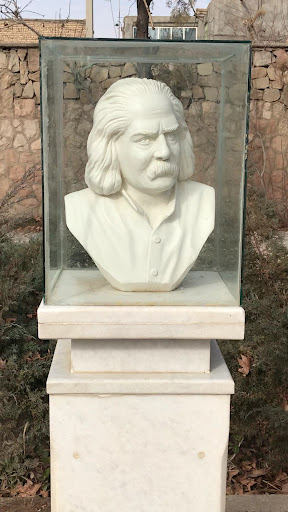
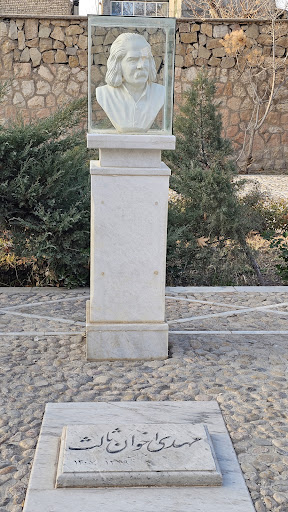
Mehdi Akhavān-Sāles , or Akhavān-Sāless (Persian: مهدی اخوان ثالث) (March 1, 1929 in Mashhad, Iran – August 26, 1990 in Tehran, Iran), pen name Mim. Omid (Persian: م. امید, meaning M. Hope) was a prominent Iranian poet. He is one of the pioneers of Free Verse (New Style Poetry) in the Persian language.
Mehdi Akhavan Sales was born on 1 March 1929, in Mashhad, Khorasan Province, Iran His father, Ali, originally from Fahraj in Yazd province, was an apothecary (ʿaṭṭār), and his mother, Maryam, a native of Khorasan. Akhavan Sales had to give up an interest in music to appease his father. He finished his elementary education in Mashhad and studied welding in the city's Technical School (honarestān) in 1941. It was in Mashhad that he was familiarized with the elementary principles of classical Persian prosody by one of his instructors in the technical school in Mashad, named Parviz Kāviān Jahromi, (Akhavan, 2003c, p. 386). Afterwards, Akhavan soon found his way to the literary circles of Mashad. One of the most notable of these circles was the Khorasan Literary Society. He chose M. Omid (Omid means hope) as his pen name and as he grew older, he began to play with the meaning of his poetic name with a sense of irony.[1] Akhavan, along with a few others, formed Bahār, a literary circle more in tune with modernist trends in poetry. Later he became involved in leftist politics and a member of the provincial committee of the recently established Youth Organization of the Tudeh Party.[1] Following his education, Akhavan moved to Tehran (1949) and worked as a teacher. He married his cousin Ḵadijeh (Irān) in 1950 and they had six children: Laleh, Luli, Tus, Tanasgol, Zardošt, and Mazdak ʿAli.[1] Akhavan’s first collection of poetry, Arḡanun (The organ; Figure 3), was published in 1951 and when the government of prime minister Mohammad Mosaddegh was toppled by a coup, he took part in political activities and was imprisoned along with Nima Yooshij and other activists.
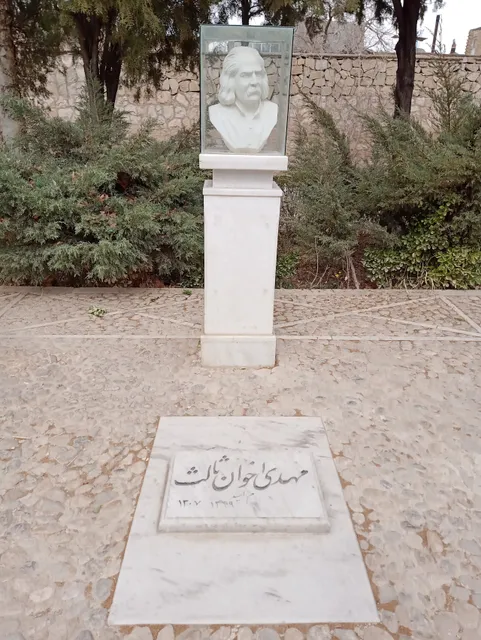
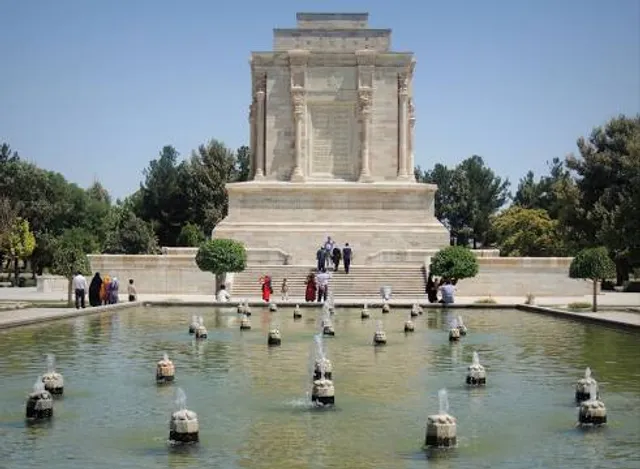
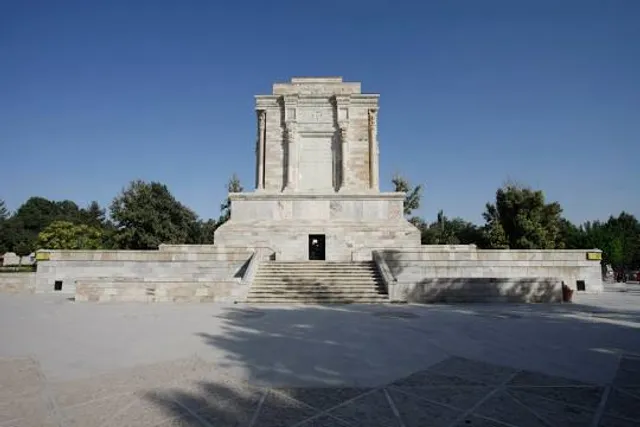
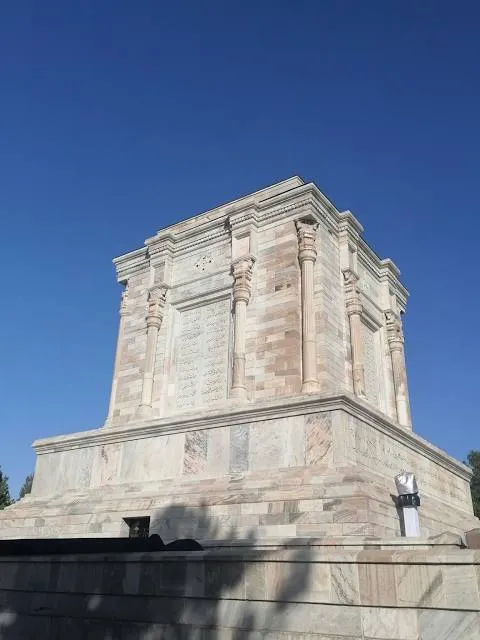
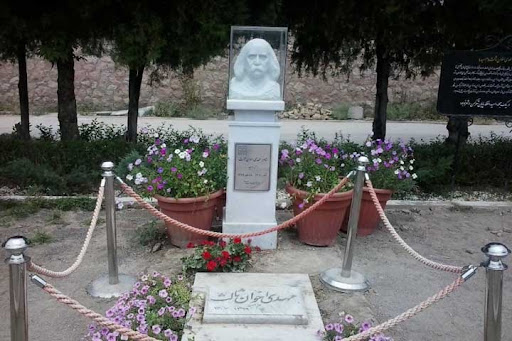
Akhavan’s second poetry collection named Zemestān (Winter) was published in 1956. After his release from prison in 1957, he started to work in radio, and soon after was transferred to Khouzestan to work in TV. Later on, he taught literature on radio and TV and at the university. After the 1979 Iranian Revolution he was granted membership to the Iranian Academy of Artists and Writers. In 1981 he was forced to retire from government service without pay. In 1990, following an invitation from the cultural organization in Germany, he traveled abroad for the first time. Few months after his return, he died in Tehran. He is buried on the grounds of the mausoleum of...
Read moreMaster Mehdi Akhavan Sales, a renowned Iranian poet, is widely known for his beautiful literary works, which have been translated into various languages. Akhavan Sales' poetry carries profound meanings and evokes deep emotions, resonating with readers across different cultures. His eloquent verses, rich in imagery and symbolism, explore themes of love, longing, and the human condition. The universal appeal of his poetry has led to translations in numerous languages, allowing a wider audience to appreciate and connect with his poetic brilliance. Mehdi Akhavan Sales' legacy as a distinguished poet continues to transcend borders, fostering a global appreciation for Iranian literature and its...
Read moreسلامت را نمی خواهند پاسخ گفت سرها در گریبان است کسی سر بر نیارد کرد پاسخ گفتن و دیدار یاران را نگه جز پیش پا را دید، نتواند که ره تاریک و لغزان است وگر دست محبت سوی کس یازی به اکراه آورد دست از بغل بیرون که سرما سخت سوزان است نفس، کز گرمگاه سینه می آید برون، ابری شود تاریک چو دیوار ایستد در پیش چشمانت نفس کاین است، پس دیگر چه داری چشم؟ ز چشم دوستان دور یا نزدیک مسیحای جوانمرد من! ای ترسای پیر پیرهن چرکین هوا بس ناجوانمردانه سرد است ... آی ... دمت گرم و سرت خوش باد سلامم را تو پاسخ گوی، در بگشای منم من، میهمان هر شبت، لولی وش مغموم منم من، سنگ تیپا خورده ی رنجور منم، دشنام پست آفرینش،...
Read more