HTML SitemapExplore
logo
Find Things to DoFind The Best Restaurants

Saadi Tomb — Attraction in Shiraz

Name
Saadi Tomb
Description
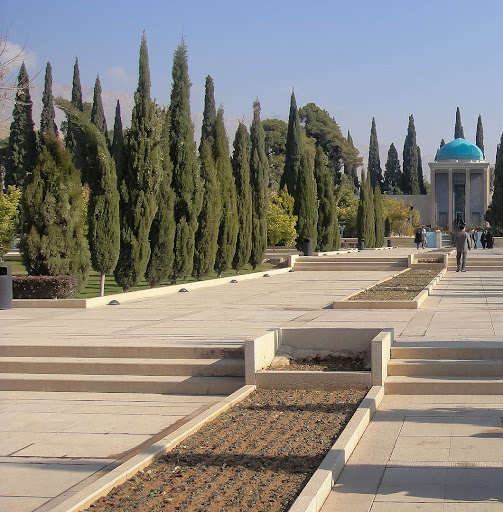
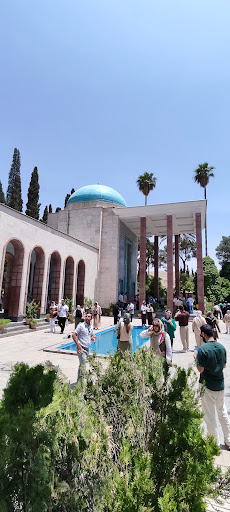
The Tomb of Saadi, commonly known as Saadieh, is a tomb and mausoleum dedicated to the Persian poet Saadi in the Iranian city of Shiraz. Saadi was buried at the end of his life at a Khanqah at the current location. In the 13th century a tomb built for Saadi by Shams al-Din Juvayni, the vizir of Abaqa Khan.
Nearby attractions
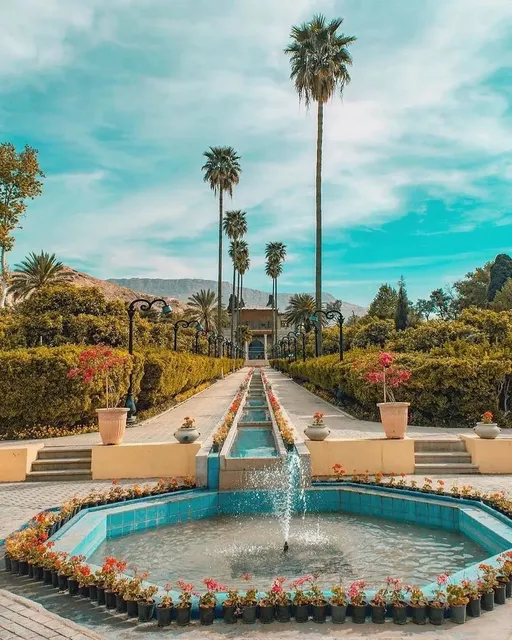
Delgosha Garden
Fars Province, Shiraz, Naranjestan, JH9F+PWR, Iran
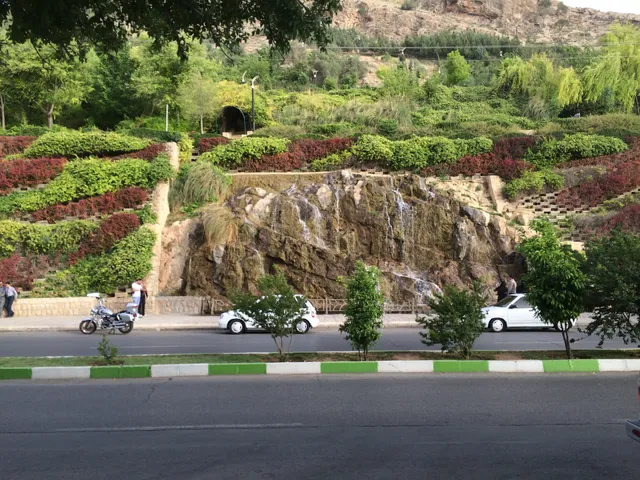
Qaleh Bandar Park
Fars Province, Shiraz، شش متری امام کاظم، JH9G+MV8, Iran
Nearby restaurants
Nearby hotels
Related posts
Keywords
Saadi Tomb tourism.Saadi Tomb hotels.Saadi Tomb bed and breakfast. flights to Saadi Tomb.Saadi Tomb attractions.Saadi Tomb restaurants.Saadi Tomb travel.Saadi Tomb travel guide.Saadi Tomb travel blog.Saadi Tomb pictures.Saadi Tomb photos.Saadi Tomb travel tips.Saadi Tomb maps.Saadi Tomb things to do.
Saadi Tomb things to do, attractions, restaurants, events info and trip planning
Saadi Tomb
IranFars ProvinceShirazSaadi Tomb

Basic Info

Saadi Tomb

شیراز منطقه ۳ انتهای بلوار بوستان، دلگشا، پلاک، پلاک چهارراه, Iran
4.6(1.6K)
Open 24 hours
Save
spot

Ratings & Description

Info

The Tomb of Saadi, commonly known as Saadieh, is a tomb and mausoleum dedicated to the Persian poet Saadi in the Iranian city of Shiraz. Saadi was buried at the end of his life at a Khanqah at the current location. In the 13th century a tomb built for Saadi by Shams al-Din Juvayni, the vizir of Abaqa Khan.

Cultural
Accessibility
attractions: Delgosha Garden, Qaleh Bandar Park, restaurants:
logoLearn more insights from Wanderboat AI.
Phone
+98 71 3730 2300

Plan your stay

hotel
Pet-friendly Hotels in Shiraz
Find a cozy hotel nearby and make it a full experience.
hotel
Affordable Hotels in Shiraz
Find a cozy hotel nearby and make it a full experience.
hotel
The Coolest Hotels You Haven't Heard Of (Yet)
Find a cozy hotel nearby and make it a full experience.
hotel
Trending Stays Worth the Hype in Shiraz
Find a cozy hotel nearby and make it a full experience.

Reviews

Nearby attractions of Saadi Tomb

Delgosha Garden

Qaleh Bandar Park

Delgosha Garden

Delgosha Garden

4.5

(397)

Open until 10:00 PM
Click for details
Qaleh Bandar Park

Qaleh Bandar Park

4.5

(20)

Open 24 hours
Click for details
Get the Appoverlay
Get the AppOne tap to find yournext favorite spots!
Wanderboat LogoWanderboat

Your everyday Al companion for getaway ideas

CompanyAbout Us
InformationAI Trip PlannerSitemap
SocialXInstagramTiktokLinkedin
LegalTerms of ServicePrivacy Policy

Get the app

© 2025 Wanderboat. All rights reserved.
logo

Posts

pegah esmailipegah esmaili
The stunning blue dome is probably the first thing that draws one's attention when visiting the Tomb of Saadi in Shiraz. Its brilliant color stands out against the surrounding scenery, attracting tourists right once. The turquoise dome, brown columns, and blue-tiled pool make a visually attractive and calm environment. As one travels through the garden and approaches the tomb, the splendor of this architectural marvel becomes more obvious. Saadi Shirazi, a great Persian poet and prose writer, is one of the most well-known characters in Persian literature. His writings, notably the Bustan (The Orchard) and Gulistan (The Rose Garden), have been praised for generations for their lyrical beauty, wisdom, and humor. Though most of what we know about Saadi's life is based on speculation and examination of his writings, it is apparent that he was a man of extensive knowledge and experience. He traveled widely and spent time in Baghdad, where he attended Nizamiya University. Saadi's grave, known as the Saadiyeh, has been a pilgrimage site for generations. Shams al-Din Muhammad, an Ilkhanid prince, constructed the first mausoleum to honor the famous poet. However, this building was eventually demolished. Karim Khan Zand ordered the mausoleum to be reconstructed, guaranteeing that Saadi's legacy would continue. The tomb has undergone several repairs and reconstructions throughout the years, and its current appearance is primarily the result of a rebuilding project that began in the 1930s. The architect, Mohsen Foroughi, created a stunning octagonal structure with a gorgeous turquoise dome. The tomb's exterior are embellished with exquisite inscriptions from Saadi's writings, while the inside is ornamented with elaborate tile work.
Salar TirgarSalar Tirgar
Saadi, the 13th-century Persian poet and prose writer, remains one of Iran's most revered literary figures, celebrated for his timeless wisdom and mastery of language. Born in Shiraz around 1210, Saadi's works—particularly Golestan (The Rose Garden) and Bustan (The Orchard)—blend moral teachings, social commentary, and poetic beauty, earning him global recognition as a sage of Persian literature. His tomb, Saadiyeh, located in his hometown of Shiraz, is a masterpiece of Iranian architecture and a pilgrimage site for admirers of his work. Designed in the 1950s by Mohsen Foroughi, the mausoleum combines traditional Persian elements with modern aesthetics, featuring a stunning blue-tiled dome, intricate calligraphy, and tranquil reflecting pools that mirror the poetic serenity of Saadi's verses. The surrounding garden, filled with fragrant roses and cypress trees, evokes the imagery of Golestan, while the tomb's interior, adorned with verses from his works, invites visitors to reflect on his enduring legacy. Saadi's influence extends far beyond Iran; his aphorisms on humanity, justice, and compassion have been quoted by thinkers from Emerson to Hegel, and his tomb stands as a testament to his universal appeal. Today, Saadiyeh is not just a memorial but a living cultural hub, where poetry readings and gatherings keep his spirit alive. Like Hafez's mausoleum nearby, Saadi's resting place embodies the soul of Shiraz—a city where poetry, history, and nature intertwine, and where the words of Persia's great poets continue to inspire generations
mostafa mosavimostafa mosavi
آرامگاه سعدی معروف به سعدیه محل دفن سعدی، شاعر برجستهٔ پارسی‌گوی است. این اثر را محسن فروغی طراحی کرده‌است. این آرامگاه در انتهای خیابان بوستان و کنار باغ دلگشا در دامنهٔ کوه در شمال شرق شیراز قرار دارد. در اطراف مقبره، قبور زیادی از بزرگان دین وجود دارند که بنا به وصیت خود، در آنجا مدفون شده‌اند. از جمله مهمترین‌های آن می‌توان شوریده شیرازی را نام برد که آرامگاهش به وسیله رواق به آرامگاه سعدی متصل شده‌است. آرامگاه شیخ مشرف الدین بن مصلح الدین سعدی شیرازی در تاریخ ۲۰ آبان ۱۳۵۳ به شمارهٔ ثبت ۱۰۱۰٫۳ در انجمن آثار ملی به ثبت رسیده‌ است. بنا به گزارش ابن بطوطه، (که ۵۷ سال پس از درگذشت سعدی نوشته شده و قدیمی‌ترین گزارش موجود از آرامگاه سعدی است) مردم بازدیدکننده از آرامگاه سعدی، جامه خود را در حوضچه‌هایی مرمرین می‌شستند. به باور مردم شیراز (که از قبل از سعدی و شاید قبل از اسلام وجود داشته)، شستشو در این آب، شفابخش بوده‌است. بنایی که در زمان کریمخان ساخته شده بود تا سال ۱۳۲۷ ه‍.ش برپا بود. در سال ۱۳۲۷ پس از کسب موافقت اولیه برای احیای مجموعهٔ سعدیه، از مسیو گدار که در آن زمان مدیر باستان‌شناسی ایران بود دعوت شد به شیراز بیاید و نظر خود را بیان کند؛ ولی پس از بحث و بررسی‌های گوناگون و بر اساس گزارش انجمن آثار ملی، در سال ۱۳۲۸ قرارداد طراحی آرامگاه سعدی با یک شرکت ساختمانی بسته شد و مهندس محسن فروغی و مهندس علی صادق به عنوان طراحان سعدیه آغاز به کار کردند. به این ترتیب در اسفندماه ۱۳۳۰ ساخت بنای آرامگاه سعدی که طراحان آن ایرانی و معماران و کارگران آن نیز شیرازی بودند، با اقتباس از کاخ چهل ستون و تلفیقی از معماری قدیم و جدید ایرانی در باغی به مساحت ۷۰۰ ۷ مترمربع به پایان رسید.[۵][۷] در بعدازظهر یازدهم اردیبهشت‌ماه ۱۳۳۱ آرامگاه سعدی با حضور دکتر محمود حسابی که در آن زمان وزیر فرهنگ بود و علی‌اصغرخان حکمت و تعداد زیادی از شاعران، نویسندگان، بازرگانان و صاحب منصبان افتتاح شد. هم‌زمان با افتتاح سعدیه، در صبح همان روز از مجسمهٔ سعدی که در دروازهٔ اصفهان نصب شده بود پرده‌برداری شد. این مجسمه توسط هنرمند برجستهٔ ایرانی، استاد ابوالحسن صدیقی ساخته شد و بر اساس گزارش مالی انجمن آثار ملی، برای ساخت آن ۱۴ هزار و ۵۰۰ تومان به استاد پرداخت شد؛ البته کل هزینهٔ ساخت سعدیه در آن سال، ۹۸۰هزار تومان بود. محسن فروغی معمار مدرنیست ایرانی طرح آرامگاه را با همکاری علی اکبر صادق با الهام گرفتن از عناصر معماری سنتی ایران، در سال ۱۳۳۰ طراحی نمود. ساختمان به سبک ایرانی است با ۸ ستون از سنگ‌های قهوه‌ای رنگ که در جلوی مقبره قرار دارند و اصل بنا با سنگ سفید و کاشی کاری مزین است. بنای آرامگاه از بیرون به شکل مکعبی دیده می‌شود اما در داخل هشت ضلعی است با دیوارهایی از جنس مرمر و گنبدی لاجوردی. زیربنای اصلی آرامگاه حدود ۲۵۷ متر مربع است. ساختمان اصلی آرامگاه شامل دو ایوان عمود برهم است که قبر شیخ در زاویهٔ این دو ایوان قرار گرفته‌است. بر روی آرامگاه گنبدی از کاشی‌های فیروزه‌ای رنگ ساخته شده‌است. سنگ‌های پایه‌های بنا، سیاه رنگ است و ستون‌ها و جلوی ایوان از سنگ گرانتیت قرمز مخصوصی ساخته شده‌است. نمای خارجی آرامگاه از سنگ تراورتن و نمای داخلی آن از سنگ مرمر است. سنگ قبر در وسط عمارتی هشت ضلعی قرار دارد و سقف آن با کاشی‌های فیروزه‌ای رنگ تزیین شده‌است. در هفت ضلع ساختمان، هفت کتیبه قرار دارد که از قسمت‌هایی از گلستان، بوستان، قصاید، بدایع و طیبات شیخ انتخاب گردیده و به خط «ابراهیم بوذری» نوشته شده‌است. متن یک کتیبهٔ دیگر از «علی اصغر حکمت» است که در مورد چگونگی ساخت بقعه توضیحاتی داده. قطعه‌هایی از کتیبهٔ سنگی مربوط به سردر آرامگاه که متعلق به زمان کریمخان زند بوده و در اثر سانحه‌ای در گذشته‌های دور شکسته شده، هم‌اکنون در درون آرامگاه محفوظ مانده‌است. این قطعه ضمن خاکبرداری خیابان برای تعمیر آسفالت از دل خاک بیرون آمده است. بر روی سنگ مذکور قسمتی از شعر سعدی به خط ثلث عالی نوشته شده‌است با این مطلع: الهی به عزت که خوارم مکن به ذل گنه شرمسارم مکن در طرح جدید پس از خرید و تخریب خانه‌های اطراف، آرامگاه دارای محوطه‌ای در حدود ۱۰۳۹۵ متر مربع شد. محوطهٔ باغ به سبک ایرانی گلکاری، درختکاری و باغچه‌بندی شده‌است. در وسط حیاط دو حوض مستطیل شکل، با جهت شمالی - جنوبی در دو طرف محوطهٔ آرامگاه قرار دارد و حوض دیگری در جهت شرقی - غربی در مقابل ایوان اصلی بنا واقع شده‌است. ورودی مجموعه در راستای ورودی آرامگاه است که معمار آن آندره گدار فرانسوی است. بر روی درب ورودی سعدیه این بیت به چشم می‌خورد: ز خاک سعدی شیراز بوی عشق آید هزار سال پس از مرگ او گرش بویی
See more posts
See more posts
hotel
Find your stay

Pet-friendly Hotels in Shiraz

Find a cozy hotel nearby and make it a full experience.

The stunning blue dome is probably the first thing that draws one's attention when visiting the Tomb of Saadi in Shiraz. Its brilliant color stands out against the surrounding scenery, attracting tourists right once. The turquoise dome, brown columns, and blue-tiled pool make a visually attractive and calm environment. As one travels through the garden and approaches the tomb, the splendor of this architectural marvel becomes more obvious. Saadi Shirazi, a great Persian poet and prose writer, is one of the most well-known characters in Persian literature. His writings, notably the Bustan (The Orchard) and Gulistan (The Rose Garden), have been praised for generations for their lyrical beauty, wisdom, and humor. Though most of what we know about Saadi's life is based on speculation and examination of his writings, it is apparent that he was a man of extensive knowledge and experience. He traveled widely and spent time in Baghdad, where he attended Nizamiya University. Saadi's grave, known as the Saadiyeh, has been a pilgrimage site for generations. Shams al-Din Muhammad, an Ilkhanid prince, constructed the first mausoleum to honor the famous poet. However, this building was eventually demolished. Karim Khan Zand ordered the mausoleum to be reconstructed, guaranteeing that Saadi's legacy would continue. The tomb has undergone several repairs and reconstructions throughout the years, and its current appearance is primarily the result of a rebuilding project that began in the 1930s. The architect, Mohsen Foroughi, created a stunning octagonal structure with a gorgeous turquoise dome. The tomb's exterior are embellished with exquisite inscriptions from Saadi's writings, while the inside is ornamented with elaborate tile work.
pegah esmaili

pegah esmaili

hotel
Find your stay

Affordable Hotels in Shiraz

Find a cozy hotel nearby and make it a full experience.

Get the Appoverlay
Get the AppOne tap to find yournext favorite spots!
Saadi, the 13th-century Persian poet and prose writer, remains one of Iran's most revered literary figures, celebrated for his timeless wisdom and mastery of language. Born in Shiraz around 1210, Saadi's works—particularly Golestan (The Rose Garden) and Bustan (The Orchard)—blend moral teachings, social commentary, and poetic beauty, earning him global recognition as a sage of Persian literature. His tomb, Saadiyeh, located in his hometown of Shiraz, is a masterpiece of Iranian architecture and a pilgrimage site for admirers of his work. Designed in the 1950s by Mohsen Foroughi, the mausoleum combines traditional Persian elements with modern aesthetics, featuring a stunning blue-tiled dome, intricate calligraphy, and tranquil reflecting pools that mirror the poetic serenity of Saadi's verses. The surrounding garden, filled with fragrant roses and cypress trees, evokes the imagery of Golestan, while the tomb's interior, adorned with verses from his works, invites visitors to reflect on his enduring legacy. Saadi's influence extends far beyond Iran; his aphorisms on humanity, justice, and compassion have been quoted by thinkers from Emerson to Hegel, and his tomb stands as a testament to his universal appeal. Today, Saadiyeh is not just a memorial but a living cultural hub, where poetry readings and gatherings keep his spirit alive. Like Hafez's mausoleum nearby, Saadi's resting place embodies the soul of Shiraz—a city where poetry, history, and nature intertwine, and where the words of Persia's great poets continue to inspire generations
Salar Tirgar

Salar Tirgar

hotel
Find your stay

The Coolest Hotels You Haven't Heard Of (Yet)

Find a cozy hotel nearby and make it a full experience.

hotel
Find your stay

Trending Stays Worth the Hype in Shiraz

Find a cozy hotel nearby and make it a full experience.

آرامگاه سعدی معروف به سعدیه محل دفن سعدی، شاعر برجستهٔ پارسی‌گوی است. این اثر را محسن فروغی طراحی کرده‌است. این آرامگاه در انتهای خیابان بوستان و کنار باغ دلگشا در دامنهٔ کوه در شمال شرق شیراز قرار دارد. در اطراف مقبره، قبور زیادی از بزرگان دین وجود دارند که بنا به وصیت خود، در آنجا مدفون شده‌اند. از جمله مهمترین‌های آن می‌توان شوریده شیرازی را نام برد که آرامگاهش به وسیله رواق به آرامگاه سعدی متصل شده‌است. آرامگاه شیخ مشرف الدین بن مصلح الدین سعدی شیرازی در تاریخ ۲۰ آبان ۱۳۵۳ به شمارهٔ ثبت ۱۰۱۰٫۳ در انجمن آثار ملی به ثبت رسیده‌ است. بنا به گزارش ابن بطوطه، (که ۵۷ سال پس از درگذشت سعدی نوشته شده و قدیمی‌ترین گزارش موجود از آرامگاه سعدی است) مردم بازدیدکننده از آرامگاه سعدی، جامه خود را در حوضچه‌هایی مرمرین می‌شستند. به باور مردم شیراز (که از قبل از سعدی و شاید قبل از اسلام وجود داشته)، شستشو در این آب، شفابخش بوده‌است. بنایی که در زمان کریمخان ساخته شده بود تا سال ۱۳۲۷ ه‍.ش برپا بود. در سال ۱۳۲۷ پس از کسب موافقت اولیه برای احیای مجموعهٔ سعدیه، از مسیو گدار که در آن زمان مدیر باستان‌شناسی ایران بود دعوت شد به شیراز بیاید و نظر خود را بیان کند؛ ولی پس از بحث و بررسی‌های گوناگون و بر اساس گزارش انجمن آثار ملی، در سال ۱۳۲۸ قرارداد طراحی آرامگاه سعدی با یک شرکت ساختمانی بسته شد و مهندس محسن فروغی و مهندس علی صادق به عنوان طراحان سعدیه آغاز به کار کردند. به این ترتیب در اسفندماه ۱۳۳۰ ساخت بنای آرامگاه سعدی که طراحان آن ایرانی و معماران و کارگران آن نیز شیرازی بودند، با اقتباس از کاخ چهل ستون و تلفیقی از معماری قدیم و جدید ایرانی در باغی به مساحت ۷۰۰ ۷ مترمربع به پایان رسید.[۵][۷] در بعدازظهر یازدهم اردیبهشت‌ماه ۱۳۳۱ آرامگاه سعدی با حضور دکتر محمود حسابی که در آن زمان وزیر فرهنگ بود و علی‌اصغرخان حکمت و تعداد زیادی از شاعران، نویسندگان، بازرگانان و صاحب منصبان افتتاح شد. هم‌زمان با افتتاح سعدیه، در صبح همان روز از مجسمهٔ سعدی که در دروازهٔ اصفهان نصب شده بود پرده‌برداری شد. این مجسمه توسط هنرمند برجستهٔ ایرانی، استاد ابوالحسن صدیقی ساخته شد و بر اساس گزارش مالی انجمن آثار ملی، برای ساخت آن ۱۴ هزار و ۵۰۰ تومان به استاد پرداخت شد؛ البته کل هزینهٔ ساخت سعدیه در آن سال، ۹۸۰هزار تومان بود. محسن فروغی معمار مدرنیست ایرانی طرح آرامگاه را با همکاری علی اکبر صادق با الهام گرفتن از عناصر معماری سنتی ایران، در سال ۱۳۳۰ طراحی نمود. ساختمان به سبک ایرانی است با ۸ ستون از سنگ‌های قهوه‌ای رنگ که در جلوی مقبره قرار دارند و اصل بنا با سنگ سفید و کاشی کاری مزین است. بنای آرامگاه از بیرون به شکل مکعبی دیده می‌شود اما در داخل هشت ضلعی است با دیوارهایی از جنس مرمر و گنبدی لاجوردی. زیربنای اصلی آرامگاه حدود ۲۵۷ متر مربع است. ساختمان اصلی آرامگاه شامل دو ایوان عمود برهم است که قبر شیخ در زاویهٔ این دو ایوان قرار گرفته‌است. بر روی آرامگاه گنبدی از کاشی‌های فیروزه‌ای رنگ ساخته شده‌است. سنگ‌های پایه‌های بنا، سیاه رنگ است و ستون‌ها و جلوی ایوان از سنگ گرانتیت قرمز مخصوصی ساخته شده‌است. نمای خارجی آرامگاه از سنگ تراورتن و نمای داخلی آن از سنگ مرمر است. سنگ قبر در وسط عمارتی هشت ضلعی قرار دارد و سقف آن با کاشی‌های فیروزه‌ای رنگ تزیین شده‌است. در هفت ضلع ساختمان، هفت کتیبه قرار دارد که از قسمت‌هایی از گلستان، بوستان، قصاید، بدایع و طیبات شیخ انتخاب گردیده و به خط «ابراهیم بوذری» نوشته شده‌است. متن یک کتیبهٔ دیگر از «علی اصغر حکمت» است که در مورد چگونگی ساخت بقعه توضیحاتی داده. قطعه‌هایی از کتیبهٔ سنگی مربوط به سردر آرامگاه که متعلق به زمان کریمخان زند بوده و در اثر سانحه‌ای در گذشته‌های دور شکسته شده، هم‌اکنون در درون آرامگاه محفوظ مانده‌است. این قطعه ضمن خاکبرداری خیابان برای تعمیر آسفالت از دل خاک بیرون آمده است. بر روی سنگ مذکور قسمتی از شعر سعدی به خط ثلث عالی نوشته شده‌است با این مطلع: الهی به عزت که خوارم مکن به ذل گنه شرمسارم مکن در طرح جدید پس از خرید و تخریب خانه‌های اطراف، آرامگاه دارای محوطه‌ای در حدود ۱۰۳۹۵ متر مربع شد. محوطهٔ باغ به سبک ایرانی گلکاری، درختکاری و باغچه‌بندی شده‌است. در وسط حیاط دو حوض مستطیل شکل، با جهت شمالی - جنوبی در دو طرف محوطهٔ آرامگاه قرار دارد و حوض دیگری در جهت شرقی - غربی در مقابل ایوان اصلی بنا واقع شده‌است. ورودی مجموعه در راستای ورودی آرامگاه است که معمار آن آندره گدار فرانسوی است. بر روی درب ورودی سعدیه این بیت به چشم می‌خورد: ز خاک سعدی شیراز بوی عشق آید هزار سال پس از مرگ او گرش بویی
mostafa mosavi

mostafa mosavi

See more posts
See more posts

Reviews of Saadi Tomb

4.6
(1,553)
avatar
5.0
7y

Biography Saadi was born in Shiraz, Iran, c. 1208, or a little earlier. In the Golestan, composed in 1258, he says in lines evidently addressed to himself, "O you who have lived fifty years and are still asleep"; another piece of evidence is that in one of his qasida poems he writes that he left home for foreign lands when the Mongols came to his homeland Fars, an event which occurred in 1225.[3]

It seems that his father died when he was a child. He narrates memories of going out with his father as a child during festivities.

After leaving Shiraz he enrolled at the Nizamiyya University in Baghdad, where he studied Islamic sciences, law, governance, history, Arabic literature, and Islamic theology; it appears that he had a scholarship to study there. In the Golestan, he tells us that he studied under the scholar Abu'l-Faraj ibn al-Jawzi (presumably the younger of two scholars of that name, who died in 1238).[4]

In the Bustan and Golestan Saadi tells many colourful anecdotes of his travels, although some of these, such as his supposed visit to the remote eastern city of Kashgar in 1213, may be fictional.[5] The unsettled conditions following the Mongol invasion of Khwarezm and Iran led him to wander for thirty years abroad through Anatolia (where he visited the Port of Adana and near Konya met ghazi landlords), Syria (where he mentions the famine in Damascus), Egypt (where he describes its music, bazaars, clerics and elites), and Iraq (where he visits the port of Basra and the Tigris river). In his writings he mentions the qadis, muftis of Al-Azhar, the grand bazaar, music and art. At Halab, Saadi joins a group of Sufis who had fought arduous battles against the Crusaders. Saadi was captured by Crusaders at Acre where he spent seven years as a slave digging trenches outside its fortress. He was later released after the Mamluks paid ransom for Muslim prisoners being held in Crusader dungeons.

Saadi visited Jerusalem and then set out on a pilgrimage to Mecca and Medina.[6] It is believed that he may have also visited Oman and other lands in the south of the Arabian Peninsula.

Because of the Mongol invasions he was forced to live in desolate areas and met caravans fearing for their lives on once-lively silk trade routes. Saadi lived in isolated refugee camps where he met bandits, Imams, men who formerly owned great wealth or commanded armies, intellectuals, and ordinary people. While Mongol and European sources (such as Marco Polo) gravitated to the potentates and courtly life of Ilkhanate rule, Saadi mingled with the ordinary survivors of the war-torn region. He sat in remote tea houses late into the night and exchanged views with merchants, farmers, preachers, wayfarers, thieves, and Sufi mendicants. For twenty years or more, he continued the same schedule of preaching, advising, and learning, honing his sermons to reflect the wisdom and foibles of his people. Saadi's works reflect upon the lives of ordinary Iranians suffering displacement, agony and conflict during the turbulent times of the Mongol invasion.

Saadi Shirazi is welcomed by a youth from Kashgar during a forum in Bukhara. Saadi mentions honey-gatherers in Azarbaijan, fearful of Mongol plunder. He finally returns to Persia where he meets his childhood companions in Isfahan and other cities. At Khorasan Saadi befriends a Turkic Emir named Tughral. Saadi joins him and his men on their journey to Sindh where he meets Pir Puttur, a follower of the Persian Sufi grand master Shaikh Usman Marvandvi (1117–1274).[7]

He also refers in his writings about his travels with a Turkic Amir named Tughral in Sindh (Pakistan across the Indus and Thar), India (especially Somnath, where he encounters Brahmans), and Central Asia (where he meets the survivors of the Mongol invasion in Khwarezm). Tughral hires Hindu sentinels. Tughral later enters service of the wealthy Delhi Sultanate, and Saadi is invited to Delhi and later visits the Vizier of Gujarat. During his stay in Gujarat, Saadi learns more...

   Read more

avatar
5.0
6y

Saadi Mausoleum is considered one of the most famous sights in Shiraz and has always been the focus of literary lovers and people of poetry. The special atmosphere of this complex is attractive to every tourist and its unique building with a combination of old and new architecture, raised columns and azure tiles, captures the heart of every viewer. Saadi tomb is one of the most important sights of Fars province, which is located in the northeast of Shiraz, on the slopes of the mountain, and is located at the end of Bostan street and next to Delgosha garden. You can use public transport or private car to reach Saadi Tomb. The buses of Shahid Dastgheeb Terminal-Narjestan Boulevard and Narenjestan Boulevard-Namazi Terminal lines have a station called Saadiyeh near this place. A little walk is required from this station to the destination. The nearest metro station is Valiasr station, which is a few kilometers away from Sadia. Saadiyeh was originally Saadi Khanqah, where he lived towards the end of his life and then was buried there. For the first time in the 7th century, a tomb was built over Saadi's grave by Khwaja Shamsuddin Muhammad Sahib Diwani, the famous minister of Abaqa Khan. In 998, by the order of Yaqub Zul-Qadr, the ruler of Fars, the Sheikh's monastery was destroyed and no trace of it remained. Ibn Batuyeh, 35 years after Saadi's death, wrote a report about the tomb of this poet, which is the oldest report about Saadi's tomb. According to this text, visitors to Saadi's tomb used to wash their clothes in marble basins. According to an old belief, washing clothes in this water gives it healing properties.

In 1187 AH, by order of Karim Khan Zand, a royal mansion made of plaster and brick was built over the Sheikh's tomb, which consisted of two floors. The lower floor had a corridor where the stairs to the second floor started. According to Mohammad Taghi Behrouzi's narration, in the early Qajar period, one of the scholars of Shiraz ordered the destruction and breaking of Saadi's tombstone due to Saadi's attribution to the Sunni religion. Some time later, Ali Akbar Khan Qavamul-Mulk Shirazi prepares and installs the current stone and engraves a part of Saadi's poems in Bostan, which he wrote in praise of the Prophet of Islam (PBUH), with a slight change on it. This stone existed in the building built by Karim Khan Zand until the beginning of the construction of the present tomb.

This building was restored in the Qajar era (1301) by Fath Ali Khan Sahib Diwan, and a few years later, Habibullah Qavam al-Mulk Khan ordered the repair and restoration of a part of the building. Mohsen Foroughi was a modernist architect who loved the history and cultural background of Iran. He considered the formal and superficial perception of history to be the superficiality of his young colleagues and was of the opinion that the relationship between buildings in terms of style and form can be divided into two categories: the apparent relationship and the real relationship. For Foroughi, the external relationship is like the buildings built at the beginning of the formation period of Sassanid architecture, which tried to create a similarity between Sassanid and Achaemenid architecture by modeling it on Achaemenid...

   Read more
avatar
5.0
3y

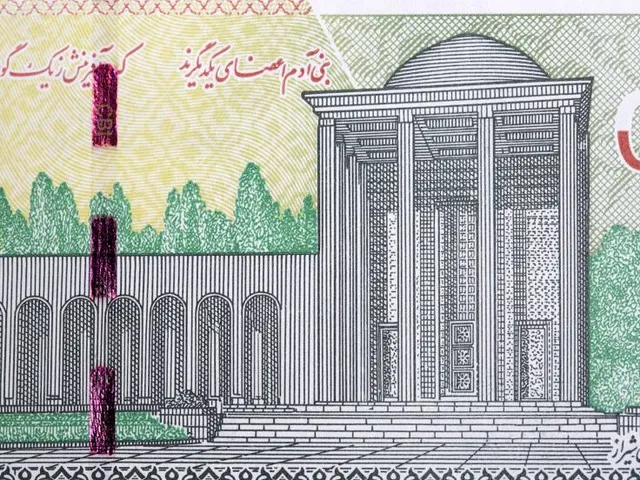
Saadi Tomb is one of the tourist attractions of Shiraz, which has been a land of poetry for a long time. Saadi is one of the valuable Iranian poets who is world famous and his poems have become very popular in all parts of the world. The tomb of this great poet is located in Shiraz and tourists must visit this unique paradise to visit it.This esteemed poet had a great influence on the Persian language, so that his precious works were taught for a long time in various schools and schools. Simplification was one of the features of his works that was unique in his time and this caused him to be given titles such as: Master, King of Speech, Master of Speech and Sheikh Ajal. Saadi's tomb has been considered as one of the national monuments of Iran since 1975, and the tomb of this great poet can be seen on five hundred rial bronze coins and one hundred thousand rial banknotes of the Islamic Republic of Iran. Saadi's tomb is also called Saadiya. Around this place is full of soaring and lush trees that have doubled its beauty.The history of Saadi or Saadiyeh tomb dates back to the seventh century. After the death of this famous poet, for the first time, Khajeh Shamsuddin Mohammad, who was the famous minister of Abaqajan, built a tomb above Saadi's tomb. In 998, by the order of Yaqub Zolghadr, the ruler of Persia, the Sheikh Monastery was destroyed and in 1187, by the order of Karim Khan Zand, a brick and plaster mansion was built on top of it in two floors. It was ending. One of the Qajar kings, Beh Fath Ali Khan, the owner of the court, was restored, and a few years later, Habibullah ordered the repair and restoration of part of the building. Where is Saadi's tomb?

Saadi's tomb is located in the northeast of Shiraz at the foot of a mountain and is located at the end of Bustan Street next to Delgosha Garden. If you want to reach this place by public transport, all you have to do is get off the bus at Shahid Dastgheib-Narenjestan Boulevard at Saadia station and there is not a long way to your destination. The nearest metro station is Valiasr station, which is a few kilometers away...

   Read more
Page 1 of 7
Previous
Next