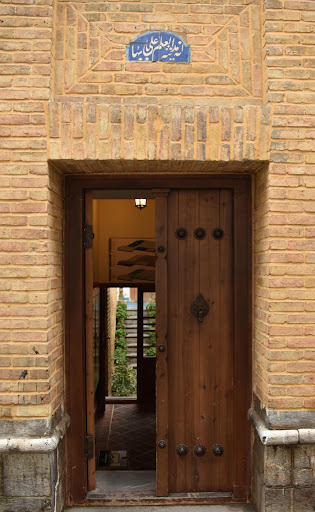
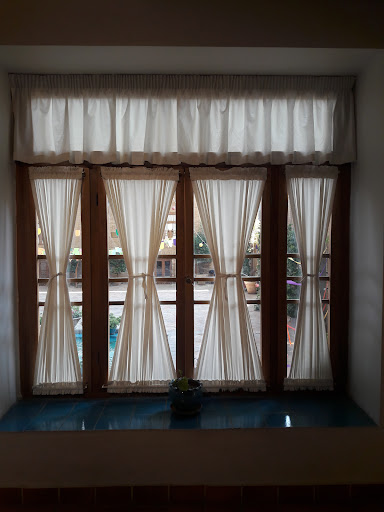
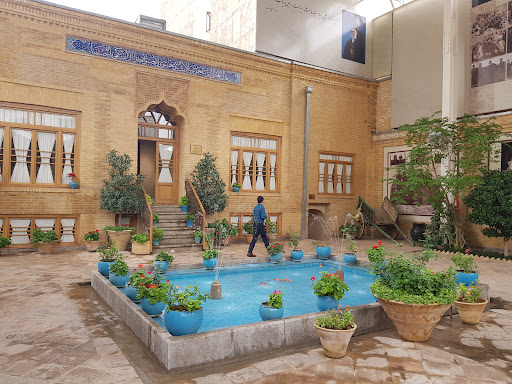
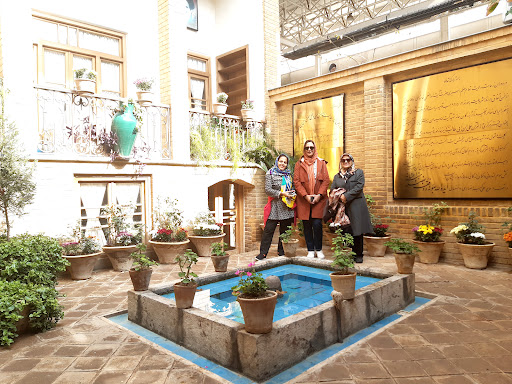
Modares Museum things to do, attractions, restaurants, events info and trip planning
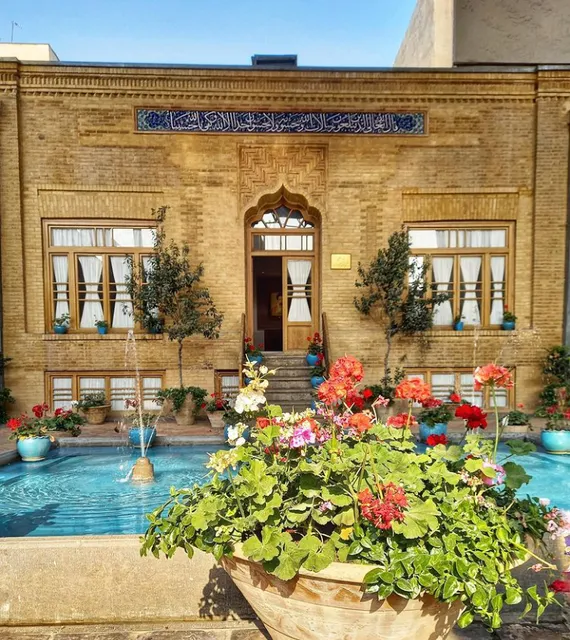
Basic Info
Modares Museum
MCJM+GH6 District 12, Tehran, Tehran Province, Iran
4.4(131)
Open until 6:00 PM
Save
spot
spot
Ratings & Description
Info
Cultural
Family friendly
Accessibility
attractions: Old Platanus Tree of Tehran, Ezra Yaghoub Synagogue, Bazar Museum House, The House of Sultan Begum, restaurants: Zolfaghari Restaurant, Denj Dizi, local businesses: Imamzadeh Yahya, Persian Gulf Shopping Center, Shahid Motahhari Mosque
 Learn more insights from Wanderboat AI.
Phone
+98 21 3350 5004
Website
modaresmuseum.com
Open hoursSee all hours
Wed10 AM - 6 PMOpen
Plan your stay

Pet-friendly Hotels in Tehran
Find a cozy hotel nearby and make it a full experience.

Affordable Hotels in Tehran
Find a cozy hotel nearby and make it a full experience.

The Coolest Hotels You Haven't Heard Of (Yet)
Find a cozy hotel nearby and make it a full experience.

Trending Stays Worth the Hype in Tehran
Find a cozy hotel nearby and make it a full experience.
Reviews
Nearby attractions of Modares Museum
Old Platanus Tree of Tehran
Ezra Yaghoub Synagogue
Bazar Museum House
The House of Sultan Begum
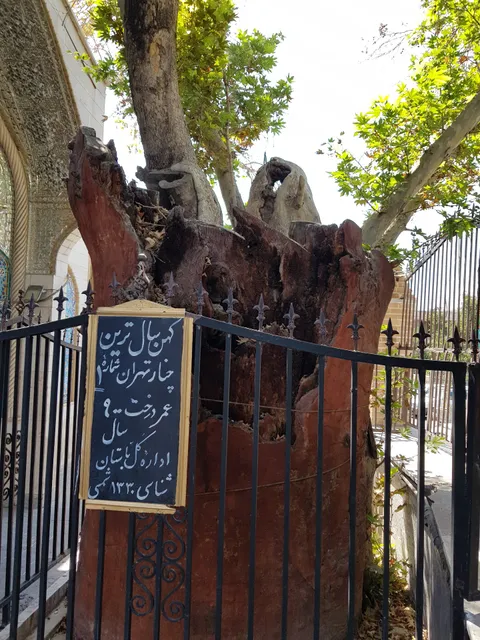
Old Platanus Tree of Tehran
4.1
(14)
Open 24 hours
Click for details
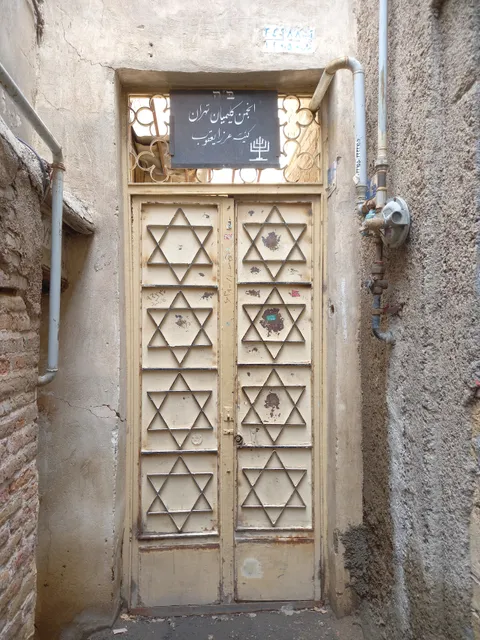
Ezra Yaghoub Synagogue
4.0
(20)
Open 24 hours
Click for details

Bazar Museum House
4.2
(35)
Open until 6:30 PM
Click for details
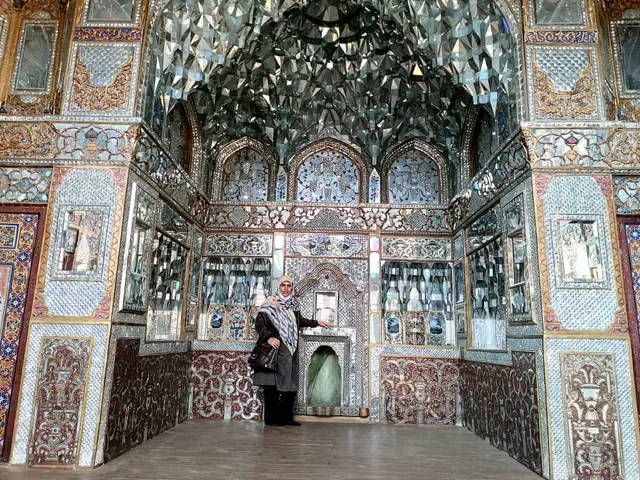
The House of Sultan Begum
4.2
(33)
Open until 5:00 PM
Click for details
Nearby restaurants of Modares Museum
Zolfaghari Restaurant
Denj Dizi

Zolfaghari Restaurant
4.0
(10)
Click for details

Denj Dizi
5.0
(4)
Open until 5:00 PM
Click for details
Nearby local services of Modares Museum
Imamzadeh Yahya
Persian Gulf Shopping Center
Shahid Motahhari Mosque
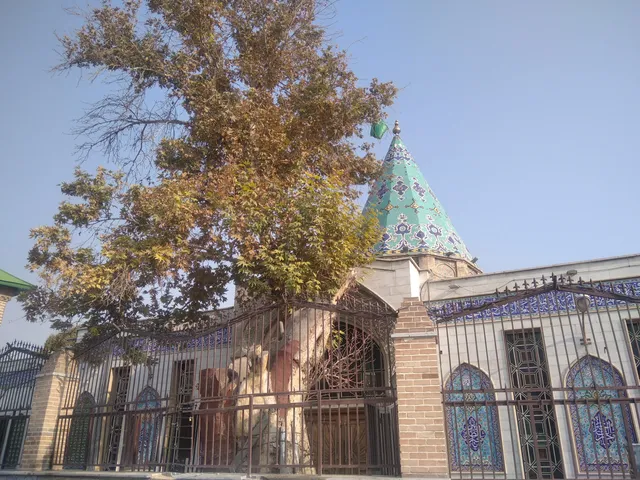
Imamzadeh Yahya
4.2
(75)
Click for details
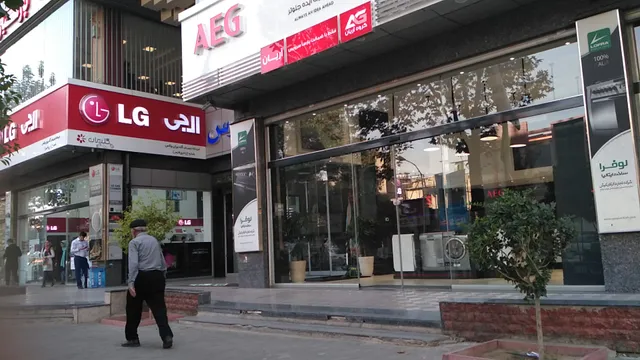
Persian Gulf Shopping Center
4.0
(47)
Click for details
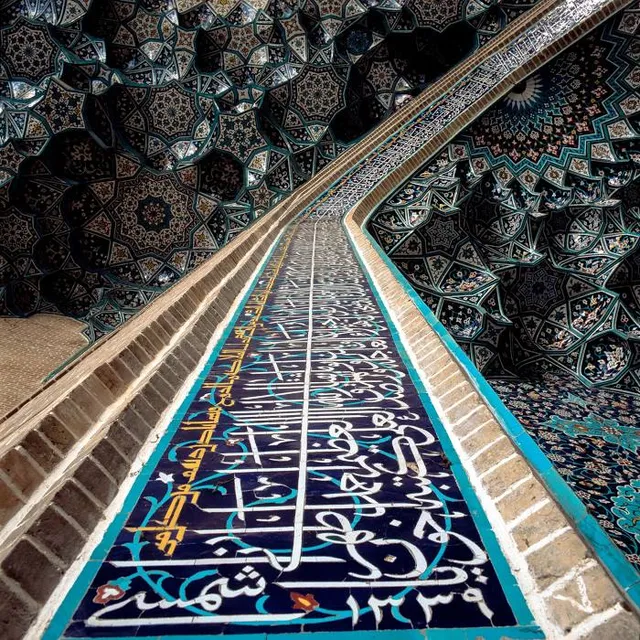
Shahid Motahhari Mosque
4.0
(59)
Click for details