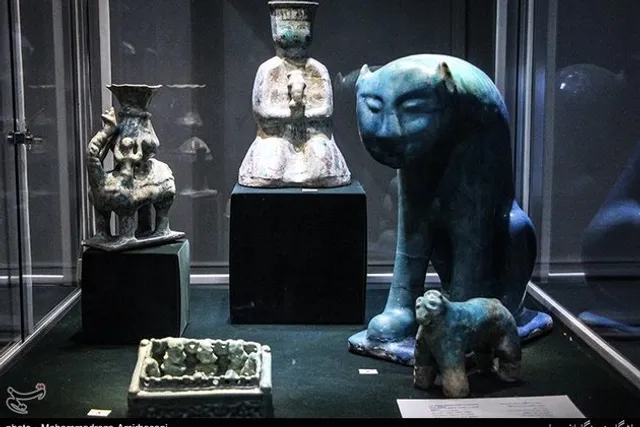
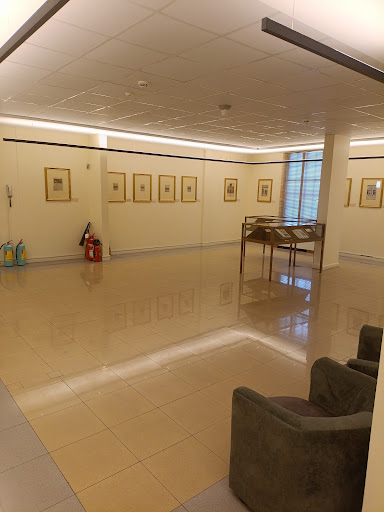
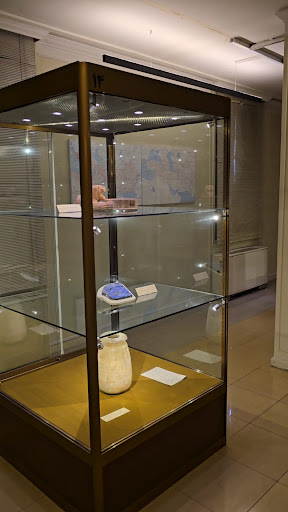
Today I visited the Reza Abbasi Museum in Tehran, and the experience was a bittersweet joy ❤️🩹. After twelve days of conflict between Iran and Israel, it is heartening that the museum has at long last reopened, albeit not fully. The second floor remains inaccessible and many of the displayed items lack informational tags, which made it hard for visitors like myself to discern their age or provenance. The museum itself carries a weighty history: it was officially inaugurated in 1977 under the patronage of Queen Farah Pahlavi (Shahbanu Farah Diba). Since then, it has faced multiple closures and reopenings — first shortly after the 1978–79 upheavals, then again in the 1980s, before reopening after renovation in 2000. Walking through the accessible galleries today, one cannot help but feel the weight of resilience — both of the museum and of the cultural heritage it protects. Yet the gaps in presentation (missing labels, silent artifacts) underscore how fragile that heritage is, particularly in times of unrest. I hope in the coming days the staff will restore full functionality, re-tag the pieces, and allow every floor to speak to us again, so that visitors may fully engage with the tapestry of Iranian art and history that Reza Abbasi...
Read moreموزه ای زیبا و غنی A beautiful and rich museum
موزه رضا عباسی کاشانی، در سال ۱۳۵۶ در خیابان شریعتی تهران، روبروی دانشکده برق دانشگاه صنعتی خواجه نصیرالدین طوسی، گشایش یافت و به یاد نقاشمشهور دورهٔ صفوی اهل کاشان رضا عباسی نامگذاری شد. ساختمان موزه در واقع متعلق به یک نمایشگاه مبلمان و دکوراسیون خانگی بود که به دلیل ویژگیهای معماری و محل قرارگیری مورد توجه مسوولان وقت قرار گرفت و از صاحب اصلی خریداری شد. این موزه بهطور رسمی در مهرماه سال ۱۳۵۶ به وسیله فرح پهلوی گشایش یافت ما درست یک سال بعد در آبان ماه سال ۱۳۵۷ تعطیل شد. در این دوره یعنی از سال ۱۳۵۵ تا ۱۳۵۸، مدیریت موزه بر عهدهآیدین آغداشلو بود.[۲] در پایان سال ۱۳۵۸ بار دیگر این موزه پس از دگرگونیهایی در آرایش داخلی و گسترش فضای نمایشگاهی بازگشایی شد. در سال ۱۳۶۳ به دلیل مشکلات داخلی کار موزه بار دیگر به تعطیلی کشید و یک سال بعد دوباره بازگشایی شد. اما این بازگشایی دوام چندانی نداشت و موزه یک بار دیگر در همان سال تعطیل شد تا سرانجام در ۱۵ بهمن سال ۱۳۷۹ برای پنجمین بار و پس از انجام بازسازی دوباره آغاز به کار کرد. در حال حاضر این موزه زیر نظر سازمان میراث فرهنگی، گردشگری و صنایع دستی اداره میشود. سرپرست کنونی موزه شهرام حیدر آبادیان است.
مجموعههای به نمایش درآمده در این موزه بسیار متنوع بوده و آثاری از هزاره دوم پیش از میلاد تا اوایل قرن بیستم یعنی پایان دوره قاجار را در بر میگیرد. این آثار بر اساس ترتیب زمانی به نمایش درآمدهاند، بنابراین بازدید کنندگان میتوانند سیر تکامل هنر، تمدن و فرهنگ را در ایران زمین دنبال کنند. این چینش در میان موزههای دیگر ایران منحصر به فرد است. بخش مرمت و نگهداری موزه با دو آزمایشگاه و کارگاه به مرمت و بازسازی نقاشیها، اشیای فلزی و کتابهای خطی اختصاص دارد و یکی از پیشرفتهترین کارگاههای مرمت در کشور است؛ بنابراین، این کارگاه نه تنها به مرمت اشیای موجود در موزه رضا عباسی میپردازد، بلکه ترمیم آثار ارسالی از موزههای دیگر کشور را نیز به عهده دارد. کتابخانه موزه دربرگیرنده بیش از ده هزار جلد کتاب به زبانهای پارسی، انگلیسی، فرانسه و آلمانی است. همچنین کتابخانه مشترک بیش از ۵۰ مجله داخلی و ۶۰ مجله خارجی است. این کتابخانه برای کارکنان موزهها، کارمندان سازمان میراث فرهنگی، استادان و دانشجویان و پژوهشگران فرهنگی قابل استفادهاست.
The Reza Abbasi Museum (Persian: موزه رضا عباسی ) is a museum in Tehran, Iran. It is located in Seyed Khandan.[1] The museum is named after Reza Abbasi, one of the artists in the Safavid period.[2]The Reza Abbasi Museum is home to a unique collection of Persian art dating back to the second millennium BC, from both the pre-Islamic and Islamic eras.[3] Reza Abbasi Museum was officially opened in September 1977 under the guidance of Queen Farah Pahlavi,[4] but it was closed in November 1978. It was reopened a year later in 1979, with some changes in its internal decorations and further expansion of its exhibition space. It was closed again in 1984 due to some internal difficulties and reopened a year later. It was finally opened for the fifth time, after its renovation on February 4, 2000. Currently Reza Abbasi Museum is administrated by Cultural Heritage Organization of Iran The collections of this museum belong to a period from the 2nd millennium BC to the early 20th century. The displays are set according to time interval. There are many objects exhibited in this museum such as artifacts made of baked clay, metal and stone from the pre historic times to pottery and metal objects, textile and lacquer painting, manuscripts and jewelry belonging to the Islamic period. The collections of this museum belong to a period from the 2nd millennium BC to the early 20th century. The displays are set according to time interval. There are many objects exhibited in this museum such as artifacts made of baked clay, metal and stone from the pre historic times to pottery and metal objects, textile and lacquer painting, manuscripts and jewelry belonging to the...
Read moreThe Reza Abbasi Museum is a compact and charming museum located in the heart of Tehran. Its collection is quite diverse, ranging from ancient pottery and Islamic metalwork to miniature paintings and calligraphy. The museum's atmosphere is very calm and suitable for a cultural outing. It can get a bit crowded at times, making it difficult to view some of the exhibits. However, if you're looking for a cultural and artistic experience, a visit to the Reza Abbasi Museum is highly...
Read more