HTML SitemapExplore
logo
Find Things to DoFind The Best Restaurants

Remains of the Hanging Gardens of Babylon — Attraction in Al-Hillah Central Subdistrict

Name
Remains of the Hanging Gardens of Babylon
Description
Nearby attractions
Ancient Babylon
GCRC+W96، سنجار, Babylon Governorate, Iraq
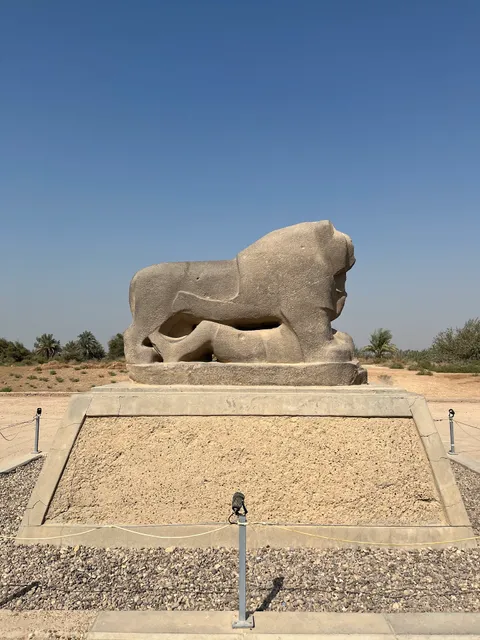
Babel Lion
الحلة‎،, Babylon Governorate, 51000, Iraq
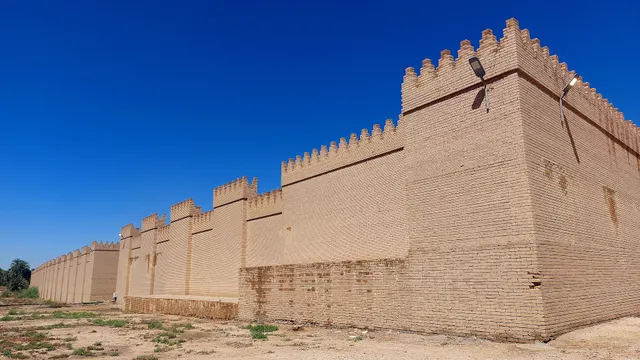
Ancient Ruins of Babylon
GCRC+Q93، سنجار, Babylon Governorate, Iraq
قصر العراق في منتجع بابل
GCV8+6WC، سنجار, Babylon Governorate, Iraq
Ishtar Gate
GCRF+JHG, Hillah, Babylon Governorate, Iraq
Ninmah Temple
Ninmah Temple, Babylon Governorate, Iraq
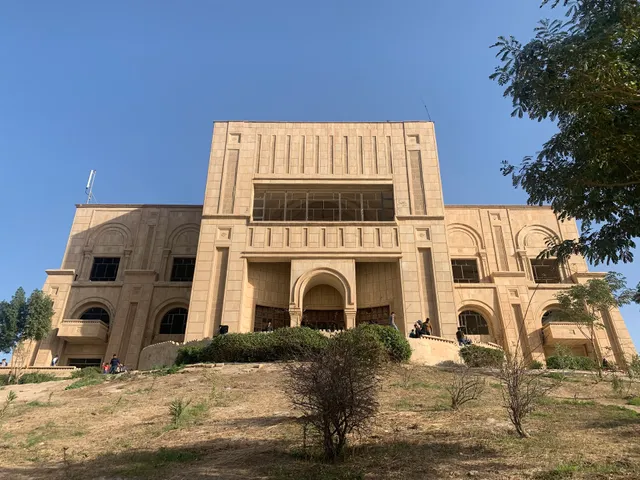
Babylon Palace
GCV8+8P7، سنجار, Babylon Governorate, Iraq
Nearby restaurants
Nearby hotels
Babylon Tourist Resort
GCR7+GX5, Babylon Governorate, Iraq
Related posts
Keywords
Remains of the Hanging Gardens of Babylon tourism.Remains of the Hanging Gardens of Babylon hotels.Remains of the Hanging Gardens of Babylon bed and breakfast. flights to Remains of the Hanging Gardens of Babylon.Remains of the Hanging Gardens of Babylon attractions.Remains of the Hanging Gardens of Babylon restaurants.Remains of the Hanging Gardens of Babylon travel.Remains of the Hanging Gardens of Babylon travel guide.Remains of the Hanging Gardens of Babylon travel blog.Remains of the Hanging Gardens of Babylon pictures.Remains of the Hanging Gardens of Babylon photos.Remains of the Hanging Gardens of Babylon travel tips.Remains of the Hanging Gardens of Babylon maps.Remains of the Hanging Gardens of Babylon things to do.
Remains of the Hanging Gardens of Babylon things to do, attractions, restaurants, events info and trip planning
Remains of the Hanging Gardens of Babylon
IraqBabil GovernorateAl-Hillah Central SubdistrictRemains of the Hanging Gardens of Babylon

Basic Info

Remains of the Hanging Gardens of Babylon

GCVC+J54, Mahawil, Babylon Governorate, Iraq
4.4(235)
Open 24 hours
Save
spot

Ratings & Description

Info

Cultural
Scenic
attractions: Ancient Babylon, Babel Lion, Ancient Ruins of Babylon, قصر العراق في منتجع بابل, Ishtar Gate, Ninmah Temple, Babylon Palace, restaurants:
logoLearn more insights from Wanderboat AI.

Plan your stay

hotel
Pet-friendly Hotels in Al-Hillah Central Subdistrict
Find a cozy hotel nearby and make it a full experience.

hotel
Affordable Hotels in Al-Hillah Central Subdistrict
Find a cozy hotel nearby and make it a full experience.

hotel
The Coolest Hotels You Haven't Heard Of (Yet)
Find a cozy hotel nearby and make it a full experience.

hotel
Trending Stays Worth the Hype in Al-Hillah Central Subdistrict
Find a cozy hotel nearby and make it a full experience.

Reviews

Nearby attractions of Remains of the Hanging Gardens of Babylon

Ancient Babylon

Babel Lion

Ancient Ruins of Babylon

قصر العراق في منتجع بابل

Ishtar Gate

Ninmah Temple

Babylon Palace
Ancient Babylon

Ancient Babylon

4.4

(1.3K)

Open 24 hours
Click for details
Babel Lion

Babel Lion

4.5

(113)

Closed
Click for details
Ancient Ruins of Babylon

Ancient Ruins of Babylon

4.6

(81)

Open 24 hours
Click for details
قصر العراق في منتجع بابل

قصر العراق في منتجع بابل

4.0

(218)

Closed
Click for details
Get the Appoverlay
Get the AppOne tap to find yournext favorite spots!
Wanderboat LogoWanderboat

Your everyday Al companion for getaway ideas

CompanyAbout Us
InformationAI Trip PlannerSitemap
SocialXInstagramTiktokLinkedin
LegalTerms of ServicePrivacy Policy

Get the app

© 2025 Wanderboat. All rights reserved.
logo

Posts

Ravindranath MurugesanRavindranath Murugesan
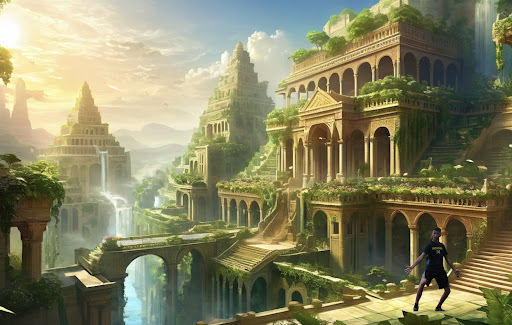
If they existed, the Hanging Gardens of Babylon would be the second oldest of the ancient wonders. Built during 425 - 240 BC, the gardens are long gone. Some scholars argue that the reason there's no record of them is precisely because they were gardens -- plants and flowers are living things that eventually die. Even if the structure on which the gardens were affixed remains, However the current state of the Legendary monument is in unrecognizable ruins. We'll start with the most popular theories about the gardens. They were likely located by the Euphrates River in what is now modern-day Iraq. The gardens didn't actually hang: They draped over the sides of terraces on a brick structure. Some accounts of the gardens claim that they grew as high as 75 feet (22.86 meters) in the air and that people could walk beneath them. Accounts from the classical writer Diodorus Siculus describe that the brick walls were 22 feet (6.7 meters) thick and 400 feet (121 meters) wide. And Philo wrote that there were several strata of flora and many levels of irrigation. The gardens wouldn't have been the only grand sight in Babylon. This ancient city was filled with shining palaces and sturdy ziggurats. Even the city gates were adorned with carvings and gleamed with glazed bricks [source: Smithsonian]. But in a desert country as dry as Iraq, canopying fronds and blooms would have been an awesome sight to see. If Babylon's buildings boasted of its great wealth, then the gardens would've demonstrated the engineering skills of their architect. It's no small feat to keep plants thriving in the desert, but to transport water to flowers perched atop a nearly five-story building is a monstrous challenge. The gardens would have relied on the Euphrates as their irrigation source, and the water would likely have been transported through a pumping system made of reeds and stone and stored in a massive holding tank. From the tank, a shaduf (a manually-operated water-lifting device) would have delivered water to the plants. According to legend, King Nebuchadnezzar built the gardens for his wife, Amytis. Amytis was a princess from Media, a region of Iran near the Caspian Sea. Nebuchadnezzar is said to have built the gardens for her as a reminder of her homeland. But it's strange that Nebuchadnezzar, who recorded his many accomplishments in cuneiform, a type of ancient writing used in record-keeping, didn't mention the gardens. This has led some scholars to theorize that the gardens were actually built by an Assyrian queen or even by Sennacherib, the ruler of Nineveh. Today, our knowledge of the Hanging Gardens of Babylon comes from interpretations of ancient accounts and artists' renderings of the wonder.
Jungle “Jungle Boy” jonesJungle “Jungle Boy” jones
What a great garden. Fair prices too, picked up a pack of dandelion seeds for $7.95 after taxes. The jungle garden really brought out the jungle in the Jungle Boy.
francesco saracinofrancesco saracino
Nonostante fosse tutto stato ricostruito e di originale c’era poco, anche perché costruivano con fango e mattoni, non usavano il marmo circa 5 mila anni fa in quest’area, il sito merita una visita per capire come vivevano e come erano i palazzi e le mura della città. Incantevole.
See more posts
See more posts
hotel
Find your stay

Pet-friendly Hotels in Al-Hillah Central Subdistrict

Find a cozy hotel nearby and make it a full experience.

If they existed, the Hanging Gardens of Babylon would be the second oldest of the ancient wonders. Built during 425 - 240 BC, the gardens are long gone. Some scholars argue that the reason there's no record of them is precisely because they were gardens -- plants and flowers are living things that eventually die. Even if the structure on which the gardens were affixed remains, However the current state of the Legendary monument is in unrecognizable ruins. We'll start with the most popular theories about the gardens. They were likely located by the Euphrates River in what is now modern-day Iraq. The gardens didn't actually hang: They draped over the sides of terraces on a brick structure. Some accounts of the gardens claim that they grew as high as 75 feet (22.86 meters) in the air and that people could walk beneath them. Accounts from the classical writer Diodorus Siculus describe that the brick walls were 22 feet (6.7 meters) thick and 400 feet (121 meters) wide. And Philo wrote that there were several strata of flora and many levels of irrigation. The gardens wouldn't have been the only grand sight in Babylon. This ancient city was filled with shining palaces and sturdy ziggurats. Even the city gates were adorned with carvings and gleamed with glazed bricks [source: Smithsonian]. But in a desert country as dry as Iraq, canopying fronds and blooms would have been an awesome sight to see. If Babylon's buildings boasted of its great wealth, then the gardens would've demonstrated the engineering skills of their architect. It's no small feat to keep plants thriving in the desert, but to transport water to flowers perched atop a nearly five-story building is a monstrous challenge. The gardens would have relied on the Euphrates as their irrigation source, and the water would likely have been transported through a pumping system made of reeds and stone and stored in a massive holding tank. From the tank, a shaduf (a manually-operated water-lifting device) would have delivered water to the plants. According to legend, King Nebuchadnezzar built the gardens for his wife, Amytis. Amytis was a princess from Media, a region of Iran near the Caspian Sea. Nebuchadnezzar is said to have built the gardens for her as a reminder of her homeland. But it's strange that Nebuchadnezzar, who recorded his many accomplishments in cuneiform, a type of ancient writing used in record-keeping, didn't mention the gardens. This has led some scholars to theorize that the gardens were actually built by an Assyrian queen or even by Sennacherib, the ruler of Nineveh. Today, our knowledge of the Hanging Gardens of Babylon comes from interpretations of ancient accounts and artists' renderings of the wonder.
Ravindranath Murugesan

Ravindranath Murugesan

hotel
Find your stay

Affordable Hotels in Al-Hillah Central Subdistrict

Find a cozy hotel nearby and make it a full experience.

Get the Appoverlay
Get the AppOne tap to find yournext favorite spots!
What a great garden. Fair prices too, picked up a pack of dandelion seeds for $7.95 after taxes. The jungle garden really brought out the jungle in the Jungle Boy.
Jungle “Jungle Boy” jones

Jungle “Jungle Boy” jones

hotel
Find your stay

The Coolest Hotels You Haven't Heard Of (Yet)

Find a cozy hotel nearby and make it a full experience.

hotel
Find your stay

Trending Stays Worth the Hype in Al-Hillah Central Subdistrict

Find a cozy hotel nearby and make it a full experience.

Nonostante fosse tutto stato ricostruito e di originale c’era poco, anche perché costruivano con fango e mattoni, non usavano il marmo circa 5 mila anni fa in quest’area, il sito merita una visita per capire come vivevano e come erano i palazzi e le mura della città. Incantevole.
francesco saracino

francesco saracino

See more posts
See more posts

Reviews of Remains of the Hanging Gardens of Babylon

4.4
(235)
avatar
5.0
5y

If they existed, the Hanging Gardens of Babylon would be the second oldest of the ancient wonders. Built during 425 - 240 BC, the gardens are long gone. Some scholars argue that the reason there's no record of them is precisely because they were gardens -- plants and flowers are living things that eventually die. Even if the structure on which the gardens were affixed remains, However the current state of the Legendary monument is in unrecognizable ruins.

We'll start with the most popular theories about the gardens. They were likely located by the Euphrates River in what is now modern-day Iraq. The gardens didn't actually hang: They draped over the sides of terraces on a brick structure. Some accounts of the gardens claim that they grew as high as 75 feet (22.86 meters) in the air and that people could walk beneath them. Accounts from the classical writer Diodorus Siculus describe that the brick walls were 22 feet (6.7 meters) thick and 400 feet (121 meters) wide. And Philo wrote that there were several strata of flora and many levels of irrigation.

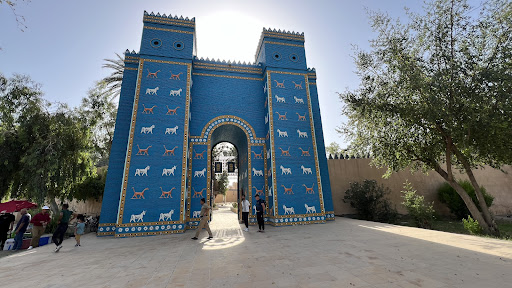
The gardens wouldn't have been the only grand sight in Babylon. This ancient city was filled with shining palaces and sturdy ziggurats. Even the city gates were adorned with carvings and gleamed with glazed bricks [source: Smithsonian]. But in a desert country as dry as Iraq, canopying fronds and blooms would have been an awesome sight to see.

If Babylon's buildings boasted of its great wealth, then the gardens would've demonstrated the engineering skills of their architect. It's no small feat to keep plants thriving in the desert, but to transport water to flowers perched atop a nearly five-story building is a monstrous challenge. The gardens would have relied on the Euphrates as their irrigation source, and the water would likely have been transported through a pumping system made of reeds and stone and stored in a massive holding tank. From the tank, a shaduf (a manually-operated water-lifting device) would have delivered water to the plants.

According to legend, King Nebuchadnezzar built the gardens for his wife, Amytis. Amytis was a princess from Media, a region of Iran near the Caspian Sea. Nebuchadnezzar is said to have built the gardens for her as a reminder of her homeland. But it's strange that Nebuchadnezzar, who recorded his many accomplishments in cuneiform, a type of ancient writing used in record-keeping, didn't mention the gardens.

This has led some scholars to theorize that the gardens were actually built by an Assyrian queen or even by Sennacherib, the ruler of Nineveh.

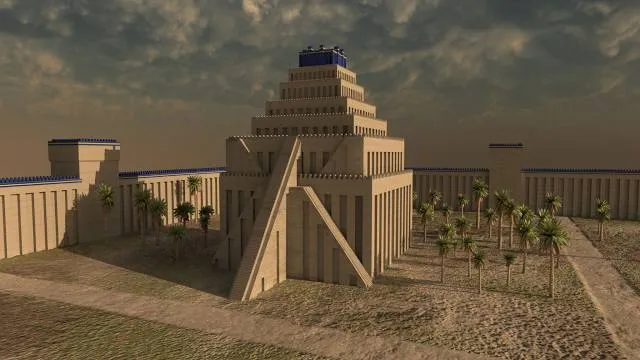
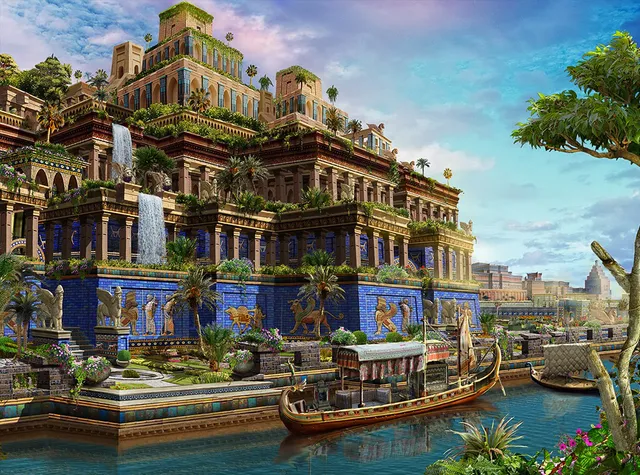
Today, our knowledge of the Hanging Gardens of Babylon comes from interpretations of ancient accounts and artists' renderings...

   Read more
avatar
5.0
1y

The Hanging Gardens of Babylon are ancient gardens considered one of the Seven Wonders of the World. These remarkable gardens were thought to have been located near the royal palace in Babylon, an ancient city in Mesopotamia (now in southern Iraq). However, the exact site of the Hanging Gardens has not been conclusively established, and many theories persist regarding their structure and location¹².

Here are some key points about the Hanging Gardens: Description: The gardens were described as an ascending series of tiered gardens containing a wide variety of trees, shrubs, and vines, resembling a large green mountain constructed of mud bricks. Origin: According to legend, they were built by Neo-Babylonian King Nebuchadnezzar II for his Median wife, Queen Amytis, who missed the green hills and valleys of her homeland. Some sources attribute their construction to the legendary queen Semiramis¹. Location Uncertainty: The Hanging Gardens are the only one of the Seven Wonders for which the location has not been definitively established. No extant Babylonian texts mention the gardens, and no definitive archaeological evidence has been found in Babylon. Three theories exist: Mythical Ideal: Some believe they were purely mythical, described in ancient Greek and Roman writings as a romantic ideal of an eastern garden. Destruction: Another theory suggests they existed in Babylon but were destroyed sometime around the first century AD. Alternative Location: The legend might refer to a well-documented garden that the Assyrian King Sennacherib built in his capital city of Nineveh on the River Tigris, near modern-day Mosul²³.

Despite the lack of definitive evidence, the Hanging Gardens continue to captivate our imaginations as a testament to ancient engineering and...

   Read more
avatar
4.0
8w

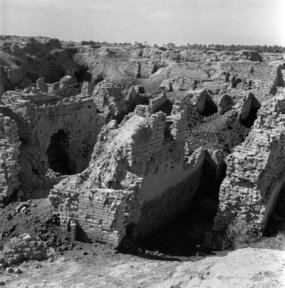
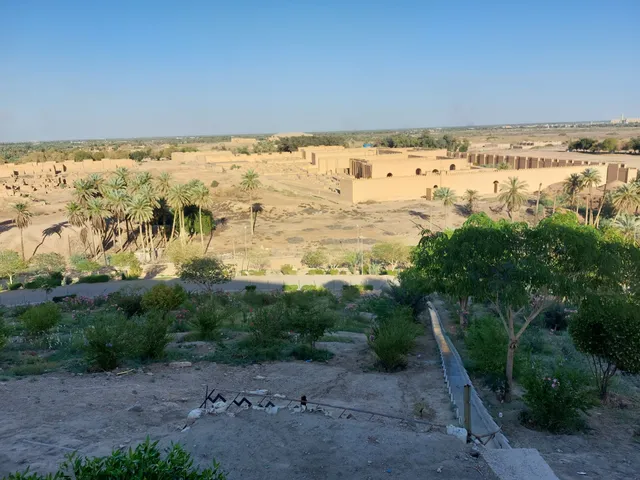
The Hanging Gardens of Babylon are one of the most famous wonders of the ancient world, but today there are no clear, visible remains of the gardens themselves. When you visit the Babylon archaeological site, you can see parts of the old city, including palace ruins, ancient walls, and some underground vaulted structures that many believe might have supported the gardens. The area is full of history and gives you a real sense of the ancient Babylonian civilization. Although the gardens no longer exist as described in history, walking through the site is still a special experience. It’s slightly worn and not fully preserved, but it’s fascinating and worth visiting for anyone interested in history and...

   Read more
Page 1 of 7
Previous
Next