HTML SitemapExplore
logo
Find Things to DoFind The Best Restaurants

Khan Murjan — Attraction in Baghdad

Name
Khan Murjan
Description
Nearby attractions
المتنبي مستنصر
89RQ+JRP, Mutanabi, Baghdad, Baghdad Governorate, Iraq
Haydar-Khana Mosque
89VQ+2Q4, Baghdad, Baghdad Governorate, Iraq
Amin Square
89VR+3WQ, Jumhuriya Street, Baghdad, Baghdad Governorate, Iraq
Statue of King Faisal I
89HR+XXJ, Baghdad, Baghdad Governorate, Iraq
Nearby restaurants
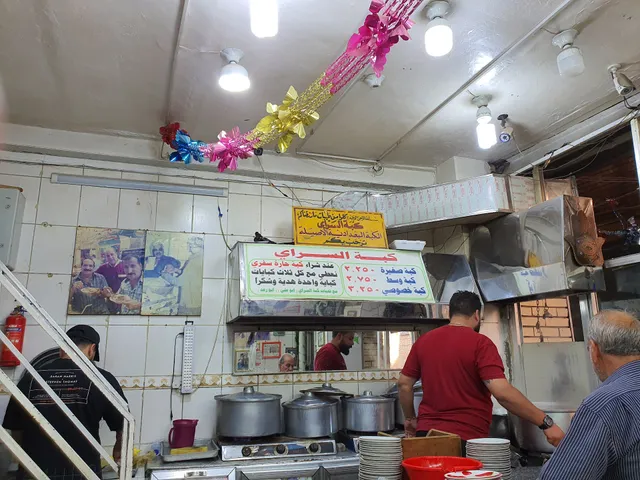
Kubba Saray
89RQ+27V, Mutanabbi St, Baghdad, Baghdad Governorate, Iraq
مطعم الحجية ام شوقي
Khulafa Mosque، بغداد، شارع الجمهورية، خلف, Iraq
Rasul Kahi Geymar
8CQ2+6R4 Bus Terminal, Baghdad, Baghdad Governorate, Iraq
مطعم كبة الاكابر
سوق الصدرية Baghdad الدهانة, Iraq
Hewlêr Kebab Restaurant
منطقة الصدرية, Baghdad, Baghdad Governorate, Iraq
Nearby hotels
Related posts
Keywords
Khan Murjan tourism.Khan Murjan hotels.Khan Murjan bed and breakfast. flights to Khan Murjan.Khan Murjan attractions.Khan Murjan restaurants.Khan Murjan travel.Khan Murjan travel guide.Khan Murjan travel blog.Khan Murjan pictures.Khan Murjan photos.Khan Murjan travel tips.Khan Murjan maps.Khan Murjan things to do.
Khan Murjan things to do, attractions, restaurants, events info and trip planning
Khan Murjan
IraqBaghdad GovernorateBaghdadKhan Murjan

Basic Info

Khan Murjan

89QR+CXM, Baghdad, Baghdad Governorate, Iraq
4.1(172)
Open 24 hours
Save
spot

Ratings & Description

Info

Cultural
Scenic
Family friendly
attractions: المتنبي مستنصر, Haydar-Khana Mosque, Amin Square, Statue of King Faisal I, restaurants: Kubba Saray, مطعم الحجية ام شوقي, Rasul Kahi Geymar, مطعم كبة الاكابر, Hewlêr Kebab Restaurant
logoLearn more insights from Wanderboat AI.

Plan your stay

hotel
Pet-friendly Hotels in Baghdad
Find a cozy hotel nearby and make it a full experience.

hotel
Affordable Hotels in Baghdad
Find a cozy hotel nearby and make it a full experience.

hotel
The Coolest Hotels You Haven't Heard Of (Yet)
Find a cozy hotel nearby and make it a full experience.

hotel
Trending Stays Worth the Hype in Baghdad
Find a cozy hotel nearby and make it a full experience.

Reviews

Nearby attractions of Khan Murjan

المتنبي مستنصر

Haydar-Khana Mosque

Amin Square

Statue of King Faisal I
المتنبي مستنصر

المتنبي مستنصر

4.5

(307)

Open 24 hours
Click for details
Haydar-Khana Mosque

Haydar-Khana Mosque

4.4

(339)

Open 24 hours
Click for details
Amin Square

Amin Square

3.6

(167)

Open 24 hours
Click for details
Statue of King Faisal I

Statue of King Faisal I

4.3

(45)

Open until 12:00 AM
Click for details
Nearby restaurants of Khan Murjan

Kubba Saray

مطعم الحجية ام شوقي

Rasul Kahi Geymar

مطعم كبة الاكابر

Hewlêr Kebab Restaurant

Kubba Saray

Kubba Saray

4.0

(194)

Click for details
مطعم الحجية ام شوقي

مطعم الحجية ام شوقي

4.9

(58)

Click for details
Rasul Kahi Geymar

Rasul Kahi Geymar

4.1

(1.3K)

Click for details
مطعم كبة الاكابر

مطعم كبة الاكابر

4.6

(21)

Click for details
Get the Appoverlay
Get the AppOne tap to find yournext favorite spots!
Wanderboat LogoWanderboat

Your everyday Al companion for getaway ideas

CompanyAbout Us
InformationAI Trip PlannerSitemap
SocialXInstagramTiktokLinkedin
LegalTerms of ServicePrivacy Policy

Get the app

© 2025 Wanderboat. All rights reserved.
logo

Posts

John TravelJohn Travel
Khan Murjan: Baghdad’s Timeless Caravanserai of Art, Culture, and Heritage Tucked away in the bustling alleys of Baghdad’s old city, Khan Murjan stands as a majestic reminder of Iraq’s rich past, blending Islamic architecture with centuries of cultural history. Built in the 14th century, this restored caravanserai has survived time, turmoil, and transformation, emerging today as a cherished hub for Iraqi heritage and traditional craftsmanship. Khan Murjan was constructed in 1356 AD during the rule of the Jalairid dynasty by Amin al-Din Murjan, a wealthy official and patron of architecture. Originally designed as a caravanserai—a roadside inn for travelers and merchants—the khan served as a vital waypoint for caravans traversing the Silk Road and trade routes connecting Baghdad to Syria, Persia, and beyond. Merchants would rest, trade, and store goods under the protection of the khan’s thick stone walls, arched ceilings, and elegant courtyards. It was more than an inn; it was a cultural melting pot where languages, religions, and ideas from across the Islamic world converged. The first thing that captures any visitor is the astonishing architecture. Khan Murjan is a masterpiece of Islamic design: towering brick arches, intricate muqarnas (ornamental vaulting), and a series of stone columns create a mesmerizing visual rhythm throughout the two-story structure. The central covered courtyard, with its symmetrical layout and domed ceilings rising over 13 meters high, showcases the architectural genius of medieval Iraq. The interior lighting, softened by small skylights and lanterns, gives the place an almost spiritual ambiance—quiet, cool, and timeless. Despite years of neglect during the 20th century, the structure has undergone several restoration efforts, and its core beauty remains intact. In the 1980s, under Saddam Hussein’s regime, Khan Murjan was transformed into a traditional Iraqi restaurant and cultural center, aiming to showcase the best of Iraqi folk music, cuisine, and decor. Patrons would dine under the vaulted arches while enjoying live performances of maqam—Iraq’s classical music—accompanied by traditional instruments like the oud and qanun. Although the restaurant no longer operates at the same scale, the Khan is still occasionally used for cultural events, exhibitions, and official functions. The space has become a favorite backdrop for artists, poets, and historians who view it as a symbol of Baghdad’s former cosmopolitan charm. More than a historical structure, Khan Murjan is a symbol of continuity. It represents Iraq’s historical role as a center of learning, commerce, and artistry. In a country that has seen immense upheaval, the khan offers a tangible connection to a proud, sophisticated past. Visitors—both Iraqis and foreigners—often describe the feeling of stepping into Khan Murjan as being transported to a different era. Its walls whisper stories of traders from Samarkand, scholars from Damascus, and the vibrant intellectual life that once defined Baghdad. While not as bustling as in its heyday, Khan Murjan remains not accessible to the public and is located in the heart of old Baghdad due to restoration, near al-Rasheed Street and close to several other historical landmarks. Walking through its halls is a peaceful experience, offering a contrast to the noise of the city outside. Local guides, craftsmen, and cultural preservationists often visit the khan, using it as a stage to promote Iraqi heritage and educate younger generations about their country's immense contributions to world culture. Khan Murjan is a jewel of Baghdad, reflecting the city’s golden age of trade, tolerance, and intellectual flourishing. It is a place where architecture, history, and culture meet—offering both a tribute to the past and hope for a future that respects and preserves Iraq’s irreplaceable heritage. If you’re exploring Baghdad’s historical heart, a visit to Khan Murjan is not just recommended—it’s Despite years of neglect during the 20th century, the structure has undergone several restoration e
King ΝαβουχοδονόσωρKing Ναβουχοδονόσωρ
من الأماكن التراثية الجميلة والتي يجب على أي سائح أجنبي أو زائر محلي زيارته خان مرجان أحد أشهر وأجمل خانات مدينة بغداد التاريخية ويقع في جانب الرصافة من المدينة قرب المدرسة المرجانية، عند مدخل شارع أسامة بن زيد حالياً، ولقد بني في الفترة بين عامي 758هـ/ 1356م - 760هـ/1358م المصدر/ احمد الملاح
Zaid zZaid z
قد يكون اجمل مشروع عملت بيه الى اللحظة، مبنى مميز بعبق روحي وهندسة معمارية وانشائية مميزة، اعمال الصيانة جارية ليعود كاحد اهم معالم بغداد التراثية.
See more posts
See more posts
hotel
Find your stay

Pet-friendly Hotels in Baghdad

Find a cozy hotel nearby and make it a full experience.

Khan Murjan: Baghdad’s Timeless Caravanserai of Art, Culture, and Heritage Tucked away in the bustling alleys of Baghdad’s old city, Khan Murjan stands as a majestic reminder of Iraq’s rich past, blending Islamic architecture with centuries of cultural history. Built in the 14th century, this restored caravanserai has survived time, turmoil, and transformation, emerging today as a cherished hub for Iraqi heritage and traditional craftsmanship. Khan Murjan was constructed in 1356 AD during the rule of the Jalairid dynasty by Amin al-Din Murjan, a wealthy official and patron of architecture. Originally designed as a caravanserai—a roadside inn for travelers and merchants—the khan served as a vital waypoint for caravans traversing the Silk Road and trade routes connecting Baghdad to Syria, Persia, and beyond. Merchants would rest, trade, and store goods under the protection of the khan’s thick stone walls, arched ceilings, and elegant courtyards. It was more than an inn; it was a cultural melting pot where languages, religions, and ideas from across the Islamic world converged. The first thing that captures any visitor is the astonishing architecture. Khan Murjan is a masterpiece of Islamic design: towering brick arches, intricate muqarnas (ornamental vaulting), and a series of stone columns create a mesmerizing visual rhythm throughout the two-story structure. The central covered courtyard, with its symmetrical layout and domed ceilings rising over 13 meters high, showcases the architectural genius of medieval Iraq. The interior lighting, softened by small skylights and lanterns, gives the place an almost spiritual ambiance—quiet, cool, and timeless. Despite years of neglect during the 20th century, the structure has undergone several restoration efforts, and its core beauty remains intact. In the 1980s, under Saddam Hussein’s regime, Khan Murjan was transformed into a traditional Iraqi restaurant and cultural center, aiming to showcase the best of Iraqi folk music, cuisine, and decor. Patrons would dine under the vaulted arches while enjoying live performances of maqam—Iraq’s classical music—accompanied by traditional instruments like the oud and qanun. Although the restaurant no longer operates at the same scale, the Khan is still occasionally used for cultural events, exhibitions, and official functions. The space has become a favorite backdrop for artists, poets, and historians who view it as a symbol of Baghdad’s former cosmopolitan charm. More than a historical structure, Khan Murjan is a symbol of continuity. It represents Iraq’s historical role as a center of learning, commerce, and artistry. In a country that has seen immense upheaval, the khan offers a tangible connection to a proud, sophisticated past. Visitors—both Iraqis and foreigners—often describe the feeling of stepping into Khan Murjan as being transported to a different era. Its walls whisper stories of traders from Samarkand, scholars from Damascus, and the vibrant intellectual life that once defined Baghdad. While not as bustling as in its heyday, Khan Murjan remains not accessible to the public and is located in the heart of old Baghdad due to restoration, near al-Rasheed Street and close to several other historical landmarks. Walking through its halls is a peaceful experience, offering a contrast to the noise of the city outside. Local guides, craftsmen, and cultural preservationists often visit the khan, using it as a stage to promote Iraqi heritage and educate younger generations about their country's immense contributions to world culture. Khan Murjan is a jewel of Baghdad, reflecting the city’s golden age of trade, tolerance, and intellectual flourishing. It is a place where architecture, history, and culture meet—offering both a tribute to the past and hope for a future that respects and preserves Iraq’s irreplaceable heritage. If you’re exploring Baghdad’s historical heart, a visit to Khan Murjan is not just recommended—it’s Despite years of neglect during the 20th century, the structure has undergone several restoration e
John Travel

John Travel

hotel
Find your stay

Affordable Hotels in Baghdad

Find a cozy hotel nearby and make it a full experience.

Get the Appoverlay
Get the AppOne tap to find yournext favorite spots!
من الأماكن التراثية الجميلة والتي يجب على أي سائح أجنبي أو زائر محلي زيارته خان مرجان أحد أشهر وأجمل خانات مدينة بغداد التاريخية ويقع في جانب الرصافة من المدينة قرب المدرسة المرجانية، عند مدخل شارع أسامة بن زيد حالياً، ولقد بني في الفترة بين عامي 758هـ/ 1356م - 760هـ/1358م المصدر/ احمد الملاح
King Ναβουχοδονόσωρ

King Ναβουχοδονόσωρ

hotel
Find your stay

The Coolest Hotels You Haven't Heard Of (Yet)

Find a cozy hotel nearby and make it a full experience.

hotel
Find your stay

Trending Stays Worth the Hype in Baghdad

Find a cozy hotel nearby and make it a full experience.

قد يكون اجمل مشروع عملت بيه الى اللحظة، مبنى مميز بعبق روحي وهندسة معمارية وانشائية مميزة، اعمال الصيانة جارية ليعود كاحد اهم معالم بغداد التراثية.
Zaid z

Zaid z

See more posts
See more posts

Reviews of Khan Murjan

4.1
(172)
avatar
5.0
33w

Khan Murjan: Baghdad’s Timeless Caravanserai of Art, Culture, and Heritage

Tucked away in the bustling alleys of Baghdad’s old city, Khan Murjan stands as a majestic reminder of Iraq’s rich past, blending Islamic architecture with centuries of cultural history. Built in the 14th century, this restored caravanserai has survived time, turmoil, and transformation, emerging today as a cherished hub for Iraqi heritage and traditional craftsmanship.

Khan Murjan was constructed in 1356 AD during the rule of the Jalairid dynasty by Amin al-Din Murjan, a wealthy official and patron of architecture. Originally designed as a caravanserai—a roadside inn for travelers and merchants—the khan served as a vital waypoint for caravans traversing the Silk Road and trade routes connecting Baghdad to Syria, Persia, and beyond.

Merchants would rest, trade, and store goods under the protection of the khan’s thick stone walls, arched ceilings, and elegant courtyards. It was more than an inn; it was a cultural melting pot where languages, religions, and ideas from across the Islamic world converged.

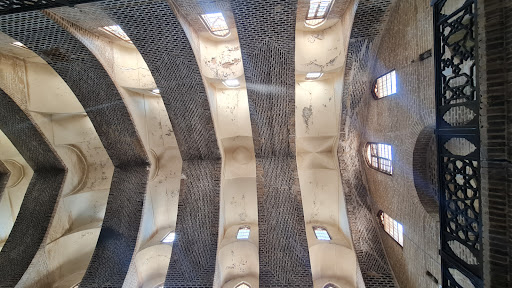
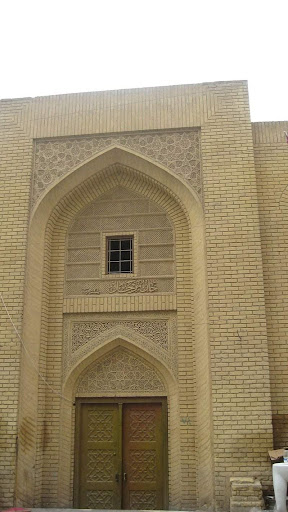
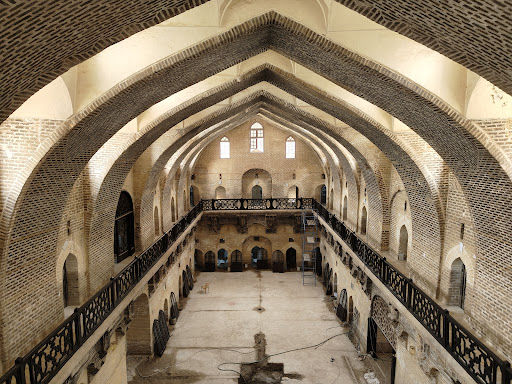
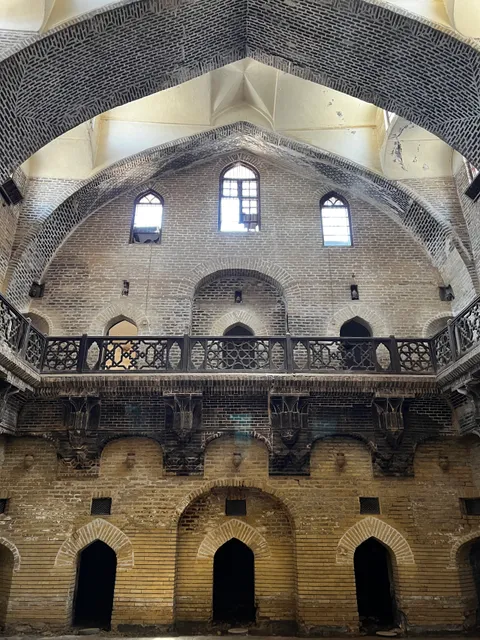
The first thing that captures any visitor is the astonishing architecture. Khan Murjan is a masterpiece of Islamic design: towering brick arches, intricate muqarnas (ornamental vaulting), and a series of stone columns create a mesmerizing visual rhythm throughout the two-story structure.

The central covered courtyard, with its symmetrical layout and domed ceilings rising over 13 meters high, showcases the architectural genius of medieval Iraq. The interior lighting, softened by small skylights and lanterns, gives the place an almost spiritual ambiance—quiet, cool, and timeless.

Despite years of neglect during the 20th century, the structure has undergone several restoration efforts, and its core beauty remains intact.

In the 1980s, under Saddam Hussein’s regime, Khan Murjan was transformed into a traditional Iraqi restaurant and cultural center, aiming to showcase the best of Iraqi folk music, cuisine, and decor. Patrons would dine under the vaulted arches while enjoying live performances of maqam—Iraq’s classical music—accompanied by traditional instruments like the oud and qanun.

Although the restaurant no longer operates at the same scale, the Khan is still occasionally used for cultural events, exhibitions, and official functions. The space has become a favorite backdrop for artists, poets, and historians who view it as a symbol of Baghdad’s former cosmopolitan charm.

More than a historical structure, Khan Murjan is a symbol of continuity. It represents Iraq’s historical role as a center of learning, commerce, and artistry. In a country that has seen immense upheaval, the khan offers a tangible connection to a proud, sophisticated past.

Visitors—both Iraqis and foreigners—often describe the feeling of stepping into Khan Murjan as being transported to a different era. Its walls whisper stories of traders from Samarkand, scholars from Damascus, and the vibrant intellectual life that once defined Baghdad.

While not as bustling as in its heyday, Khan Murjan remains not accessible to the public and is located in the heart of old Baghdad due to restoration, near al-Rasheed Street and close to several other historical landmarks. Walking through its halls is a peaceful experience, offering a contrast to the noise of the city outside.

Local guides, craftsmen, and cultural preservationists often visit the khan, using it as a stage to promote Iraqi heritage and educate younger generations about their country's immense contributions to world culture.

Khan Murjan is a jewel of Baghdad, reflecting the city’s golden age of trade, tolerance, and intellectual flourishing. It is a place where architecture, history, and culture meet—offering both a tribute to the past and hope for a future that respects and preserves Iraq’s irreplaceable heritage.

If you’re exploring Baghdad’s historical heart, a visit to Khan Murjan is not just recommended—it’s Despite years of neglect during the 20th century, the structure has undergone several...

   Read more
avatar
4.0
2y

The Khan Murjan building consists of two floors. The first, i.e., the ground floor, contains 22 rooms, and the second, i.e., the upper floor, contains 23 rooms. The doors of the ground floor are decorated with (muqarnas), in which the brick projection performs its optimal aesthetic function. It is a series of arched niches from which muqarnas motifs descend. It rests on brackets and friezes that gradually emerge from the wall until it is approximately one meter away from it, and forms a decorated band more than two meters wide and surrounds the lobby on its four sides at a height of four meters. This type of building, which separates the two floors, is considered one of the most important traces of the Art that can be seen in the construction of the khan. On the other hand, the designer of this hall succeeded in lighting it with sunlight, by using the vaulted windows in a beautiful artistic way. The viewer can see parts of the walls of the khan that have turned black, as the occupants used to burn a fire in its courtyard for the purpose of heating in the winter season, and this bad use affected the shape of the building, in general, as well as its impact on nature’s ravages, until it was exposed to ruins. Vandalism and damage, which prompted the General Directorate of Antiquities to completely restore it, and made it a museum of Islamic arts, and called it (the House of Arab Antiquities), so the khan became a destination for tourists and visitors for several decades, but the high level of groundwater in the land of the khan and its surroundings, This led to water flooding this land, and it was no longer fit to be a museum, so it was not part of the Department of Antiquities to move its exhibits, and to carry out an extensive maintenance process for it, during which it succeeded in cementing its floor and walls with cement until the process of groundwater seepage into the ground was controlled. Inside it, then it was exploited during the eighties of the twentieth century, and it was restored, and the building was used as a tourist restaurant, which is visited by tourists and people in general to spend hours in this authentic Baghdadi atmosphere. The Khan is considered one of the landmarks of the heritage...

   Read more
avatar
4.0
4y

تخصص خانات بغداد بنوع معين من الاعمال عند دخول الانگليز الى بغداد بين خان لبيع ليرات الذهب وخان لبيع المصادرات وخان للطيور وغيرها بعد دخول الانگليز ومغادرة العثمانيون لبغداد سنة ١٩١٧م كانت الخانات البغداديه والتي عددها ( ٣٢) خان متخصصه بنوع معين من الاعمال والتجارات اي ان كل خان كان خاصاً بعمل معيناً وعلى الشكل التالي:- فكان خان الاورتمه الذي بناه الخواجه أمين الدين مرجان في العهد الجلائري الذي حكم بغداد من سنة ١٣٣٨ م الى سنة ١٤١١م وهي الدوله الثالثه التي حكمت بغداد بعد دولة بني العباس ودولة بني هولاكو ووضعه بانيه الخان لخدمة المدرسه المرجانيه التي أنشأها وسمي ( الاورتمه) اي الخان المسقف او المغطى ومكانه مقابل رأس الشورجه من جهة شارع الرشيد كان كل تاجر بغدادي محدد له موقع في الخان وفيه تستوفى الرسوم والضرائب الخاصه بالتجاره وتجري فيه المزايدات والمناقصات والعمليات والعقود التجاريه. وخان الباشا الكبير الذي لا يبعد كثيراً عن الخان السابق كان خاصاً ببيع الاقمشه. وخان باب المعظم وبسمى احياناً خان( كولبنكيان) قريباً من مدينة الطب الحاليه كان يباع فيه الخشب الوارد في نهر دجله بالاكلاك الى بغداد. وخان الباشا الصغير قريباً من البنك المركزي خاص ببيع ليرات الذهب. وخان التمر كان يباع فيه التمر الوارد من البصره ومكانه عند شريعة المصبغه. وخان الجبن في شارع المأمون يباع فيه الجبن. واول خان عرفته بغداد خان إجغان خاص للصاغه. اما خان الخفافين مجاور المدرسه المستنصريه كان لجميع البضائع الوارده من البصره ثم اختص بالخفاف اي الاحذيه وما يلبس بالرجل من( اليمنيات) خاصة. وخان الدجاج في الشورجه اختص بالطيور والدجاج. وخان الدفتر دار في شارع المستنصر( النهر) اختص بالصوف والقطن. وخان دله الصغير في سوق البزازين اختص بالقماش. وخان الزرور او الدگمه اختص بالخيوط والازرار والقياطين الحريريه. وخان الذهب الصغير في شارع غازي اي الكفاح اختص بالصاغه . وخان الذهب الكبير في سوق البزازين خاص بالصاغه. وخان الرماح في سوق ( القندرچيه) تباع فيه الرماح والاخشاب ومكانه قريب من جسر الشهداء. وخان الصفارين قرب سوق الصفافير اختص بأواني الصفر. وخان الصاغه داخل سوق السراي خاص بالصاغه. وخان العادليه في شارع النهر اختص بخزن البضائع التي ترد من البصره عن طريق نهر دجله كونه بأطلالة على النهر. وخان فتح الله عبود في محلة تحت التكيه تباع في الملابس المستعمله ( اللنگه). وخان قبچه كهيه سي في محلة باب الأغا يباع فيه الاواني الخزفيه والفرفوري. وخان الگمرگ فرب المدرسه المستنصريه اختص بخزن البضائع المصادره بسبب عدم دفع الضريبه والرسم في العهد العثماني. وخان مخزوم خاص بالتبوغ على انواعها ومكانه قرب جامع مرجان. وخان المراديه الصغير وكان في محلة الميدان قرب جامع المراديه اختص بالابواب القديمه والاخشاب. وخان خضر الياس في الكرخ جوار جامع خضر الياس على نهر دجله خاص بالرقي والبطيخ الذي يجلب من سامراء على الأكلاك في نهر دجله. وخان المراديه الكبير مجاور جامع المراديه ايضاً تباع فيه الخيل والبغال والحمير وغيرها من الحمير. وخان المصبغه قرب المدرسه المستنصريه لصبغ الثياب وخيوط الحياكه. وخان رحمين بصري اليهودي قريباً من شارع النهر خاص بالفوط والچراغد والعباآت الخاصه بنساء بغداد. وخان الوقف في محلة الدهانه خاص ببيع الخضراوات على انواعها. وخان النفط في محلة العوينه يباع فيه النفط وقد حصل به حريق كبير سنة ١٩١٢ زمن والي بغداد العثماني جمال باشا وانفجارات واحترق الخان والاملاك المجاوره. وخان باب السيف بالكرخ تباع فيه الحبوب التي تجلب من الموصل وسامراء. وخان الكابولي بالكاظميه تباع فيه الكثير من الاموال وتمارس فيه العديد من المصالح ويكون مأوى للزوار وخاصة الافغان اذ ان كابول عاصمتها وبعد تأسيس الجيش في ٦ كانون الثاني ١٩٢١ اصبح الخان مقراً لأول فوج من الجيش فوج موسى الكاظم ورحم الله آمر الفوج محي...

   Read more
Page 1 of 7
Previous
Next