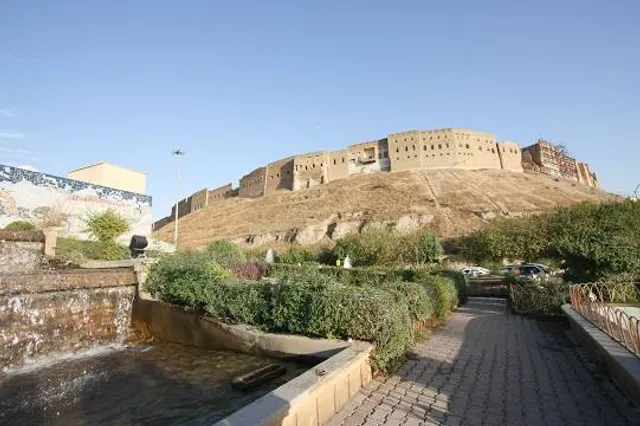
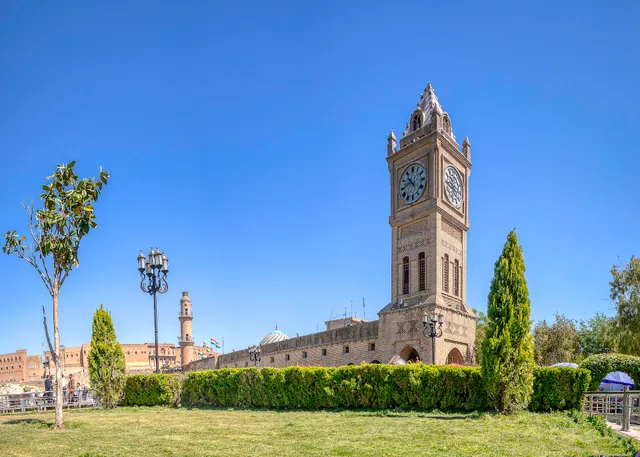
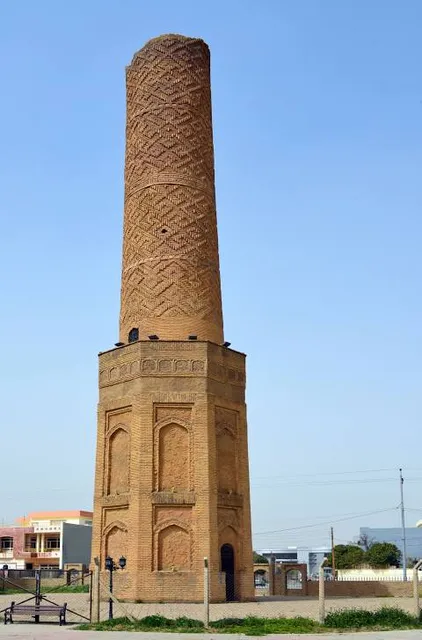
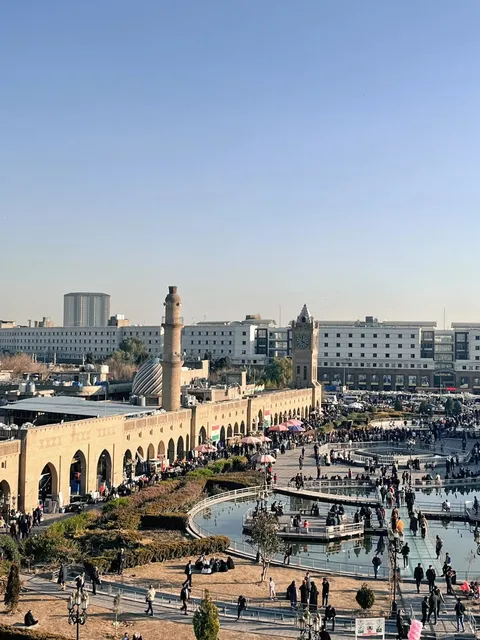
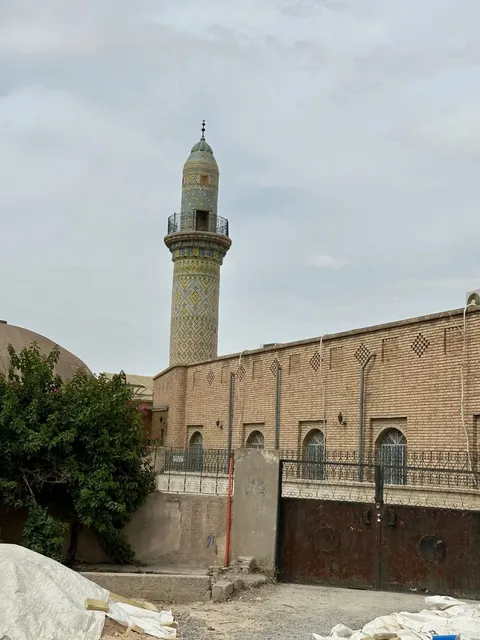
The historical value of Erbil Citadel to archaeologists and historians is immense. It is the only continuously inhabited citadel left in the entire world. Hence, the historical value and magnetism of the place are its main characteristic. Located in the historical city, Erbil in Kurdistan Iraq, this mound is house of Kurds of Iraq. It is the oldest constantly inhabited place in the whole world. There has never been a period in time in which the Erbil Citadel has been without its residents. This Citadel is primarily a raised mound at a height of about 25 to 32 meters from the surrounding plain areas. It is divided into three districts: Serai, Takya and Topkhana. The Serai district used to be inhabited by the notable families, whereas, the Takya district remained home to the dervishes of Iraq. Topkhana remained a home for the artisans and craftsmen. Erbil Citadel is a historical site recognized by the Archaeologists all around the world to have been in existence for 7000 years. In 2007, a special commission was established for Erbil Citadel revitalization to manage the restoration of Erbil Cidatel. Its main purpose is to provide safe way for the archaeologists to investigate and carry out ample research over its history and the way life was spent in the early days of Erbil Citadel town. Since then many local and international agencies have carried out archaeological activities at Erbil. According to the renovation plan issued by the High Commission for Erbil Citadel Revitalization (HCECR), the renovation will take place in a manner that all the historically valued sites are preserved and the population residing at Erbil shall be restricted to a number of 50 families only. The only religious structure that has survived on the mound is the Mulla Affandi Mosque. On the top of Erbil Citadel, buildings spring over an approximate oval area of 430 x 340m dominating 102,000sqm. According to Archaeological studies the earliest sign of existence here can be traced to as early as 5th millennium BC. It is discovered that it may have been occupied as a proper habitant locality as early as Neolithic period as fragments of pottery dating as old as that era were found at the Citadel. Historical sources have quoted Erbil Citadel for the first time in relation to mentioning the Ur III period. It appears from the archaeological as well as historical accounts that this town gained specific importance throughout the Neo-Assyrian period. Erbil Town was considered an important core for Christianity in the Sassanian epoch and the Abbasid Caliphate. Hence, Erbil’s history may be seen as diverse in view of religious influences exerted on the town. After the Mongols took control of the citadel in 1258, the importance of Erbil declined as the hub of Christianity. In the twentieth century, the inner-citadel structure was considerably modified, which resulted in the demolition of many houses and public buildings. The whole façade of the town changed significantly. Hence, in 2007 the restoration and renovation project was initiated to cater any further gross...
Read more🏰 Citadel of Erbil: A Historic Jewel in the Heart of Erbil, Iraq! 🇮🇶✨🌆
My visit to the Citadel of Erbil was a captivating journey through time, an exploration of ancient history, and an experience that left me enamored by the rich heritage of this Iraqi gem. Join me as we delve into the enchanting world of the Citadel of Erbil! 🏰🕰️🌆
Historical Marvel: The Citadel of Erbil is one of the oldest continuously inhabited settlements in the world, with a history spanning over 8,000 years.
Unesco World Heritage: It's a UNESCO World Heritage Site and stands as a testament to the enduring legacy of human civilization.
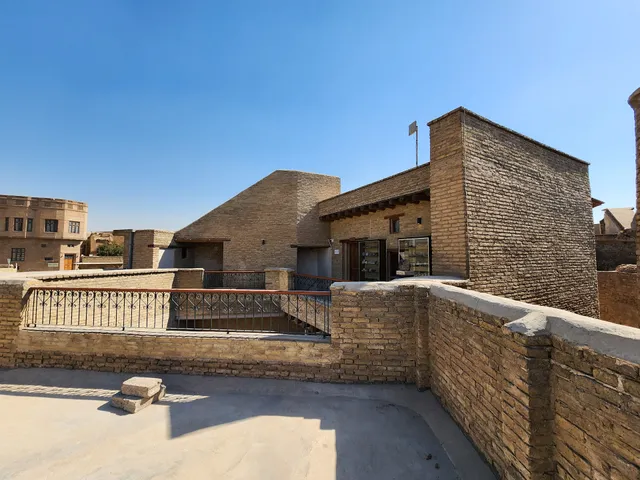
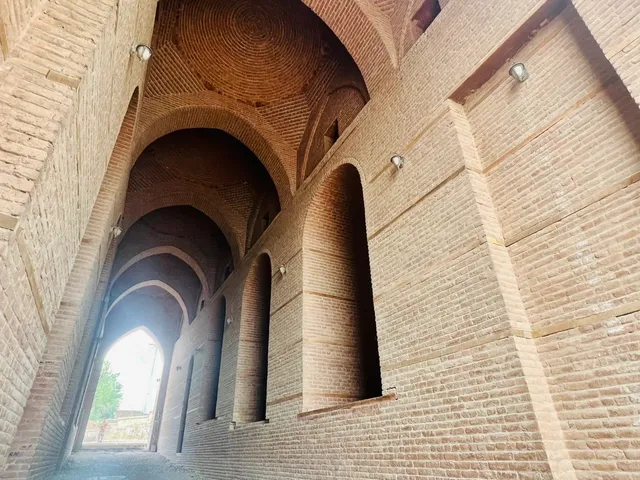
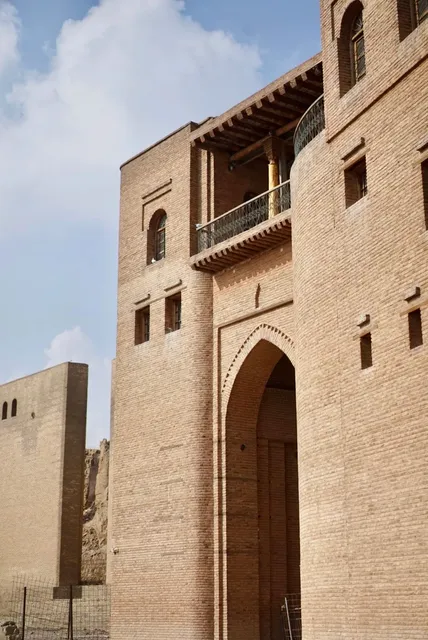
Majestic Architecture: The citadel boasts impressive mud-brick architecture, narrow alleys, and traditional buildings that have witnessed centuries of history.
Historical Significance: It has served as a cultural crossroads for various civilizations, including the Sumerians, Assyrians, Babylonians, and Persians.
Scenic Views: Ascending the citadel offers panoramic views of Erbil, providing a stunning backdrop for photographs.
Citadel Museum: Visitors can explore the Citadel Museum, which houses artifacts and exhibits that unravel the region's history.
Cultural Heritage: The citadel is a living testament to Kurdish culture and heritage, with residents preserving their traditions.
Restoration Efforts: In recent years, restoration efforts have been made to revitalize the citadel, ensuring its preservation for future generations.
Local Life: It's also a place where locals reside and go about their daily lives, giving visitors a glimpse into Kurdish culture.
Artisans: Within its walls, you can find artisans practicing traditional crafts, such as carpet weaving and metalwork.
In summary, the Citadel of Erbil is a 5-star treasure trove of history and culture, a place where the past merges seamlessly with the present, and where visitors can step back in time to witness the legacy of ancient civilizations. It's an attraction that invites travelers to explore the labyrinthine alleys of history, to appreciate the resilience of human heritage, and to leave with a deep reverence for the enduring spirit of Erbil. A visit to the Citadel of Erbil is not just an outing; it's a journey through millennia, a chance to connect with the heart of Iraq's history, and an experience that leaves one with a profound sense of wonder. It's a true gem for those seeking to immerse themselves in the tapestry of human...
Read moreAs I approached the Citadel, its imposing walls rose majestically against the backdrop of the city skyline. The sight was awe-inspiring, evoking a sense of wonder at the centuries of stories that lay within. Stepping through the arched gateway, I felt as though I was crossing a threshold into another era.
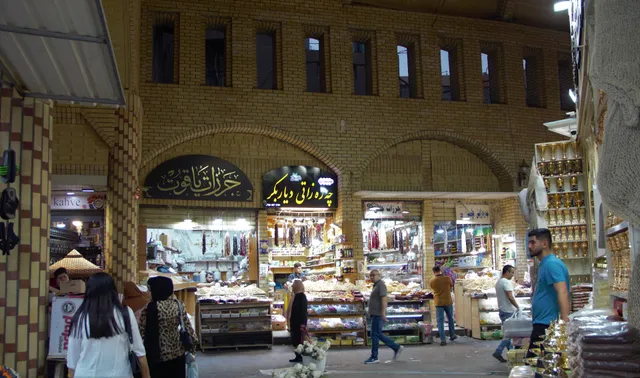
Wandering through the labyrinthine streets of the Citadel, I was transported back in time. Each alleyway and courtyard revealed hidden treasures, from ancient mosques adorned with intricate tile work to bustling bazaars where merchants peddled their wares. The sense of history was palpable, with every stone whispering tales of the civilizations that once thrived here.
One of the highlights of my experience was interacting with the locals who call the Citadel home. Their warmth and hospitality were unparalleled, and I was welcomed with open arms into their community. Over cups of sweet tea and shared stories, I gained insight into the rich tapestry of Kurdish culture and traditions.
Amidst the hustle and bustle of the Citadel, there were also moments of quiet reflection. Sitting atop the ancient ramparts, I watched as the sun dipped below the horizon, casting a golden glow over the city below. In that moment, I felt a profound sense of connection to the past and to the timeless beauty of this remarkable place.
Exploring the Citadel was not without its challenges. Navigating the uneven cobblestone streets and steep staircases tested my endurance, while the scorching sun beat down relentlessly overhead. Yet, with each step, I was rewarded with glimpses of history and culture that made the journey worthwhile.
In the end, my visit to the Citadel of Erbil was more than just a sightseeing excursion – it was a journey of the heart and soul. From the ancient architecture to the vibrant community that thrives within its walls, the Citadel is a testament to the resilience of the human spirit and the enduring legacy of Kurdistan. As I bid farewell to this storied fortress, I carried with me memories that will last a lifetime, and a newfound appreciation for the rich tapestry of history that weaves through the fabric...
Read more