HTML SitemapExplore
logo
Find Things to DoFind The Best Restaurants

Great Mosque of Al Nouri — Attraction in Mosul Central Subdistrict

Name
Great Mosque of Al Nouri
Description
Nearby attractions
Al-Masfi Mosque
84WJ+GVQ, Al-Mausil, Nineveh Governorate, Iraq
Nearby restaurants
كص باب السراي
Nineveh Mosul Alzhoor, 61002, Iraq
Nearby hotels
Related posts
Keywords
Great Mosque of Al Nouri tourism.Great Mosque of Al Nouri hotels.Great Mosque of Al Nouri bed and breakfast. flights to Great Mosque of Al Nouri.Great Mosque of Al Nouri attractions.Great Mosque of Al Nouri restaurants.Great Mosque of Al Nouri travel.Great Mosque of Al Nouri travel guide.Great Mosque of Al Nouri travel blog.Great Mosque of Al Nouri pictures.Great Mosque of Al Nouri photos.Great Mosque of Al Nouri travel tips.Great Mosque of Al Nouri maps.Great Mosque of Al Nouri things to do.
Great Mosque of Al Nouri things to do, attractions, restaurants, events info and trip planning
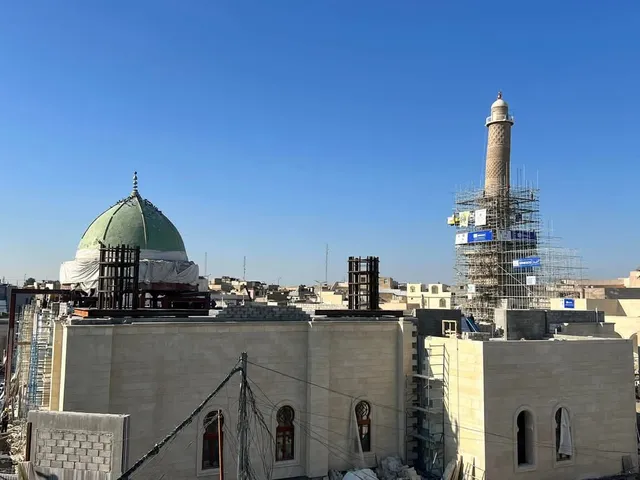
Great Mosque of Al Nouri
IraqNineveh GovernorateMosul Central SubdistrictGreat Mosque of Al Nouri

Basic Info

Great Mosque of Al Nouri

84VG+3PF, Al Shaziani St, Mosul, Nineveh Governorate, Iraq
4.5(252)
Open 24 hours
Save
spot

Ratings & Description

Info

Cultural
Family friendly
Accessibility
attractions: Al-Masfi Mosque, restaurants: كص باب السراي
logoLearn more insights from Wanderboat AI.

Plan your stay

hotel
Pet-friendly Hotels in Mosul Central Subdistrict
Find a cozy hotel nearby and make it a full experience.

hotel
Affordable Hotels in Mosul Central Subdistrict
Find a cozy hotel nearby and make it a full experience.

hotel
The Coolest Hotels You Haven't Heard Of (Yet)
Find a cozy hotel nearby and make it a full experience.

hotel
Trending Stays Worth the Hype in Mosul Central Subdistrict
Find a cozy hotel nearby and make it a full experience.

Reviews

Nearby attractions of Great Mosque of Al Nouri

Al-Masfi Mosque
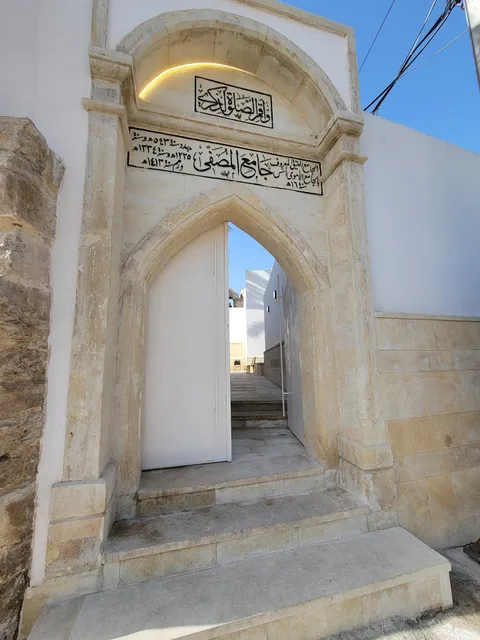
Al-Masfi Mosque

Al-Masfi Mosque

4.6

(35)

Open 24 hours
Click for details

Nearby restaurants of Great Mosque of Al Nouri

كص باب السراي

كص باب السراي

كص باب السراي

4.4

(6)

Click for details
Get the Appoverlay
Get the AppOne tap to find yournext favorite spots!
Wanderboat LogoWanderboat

Your everyday Al companion for getaway ideas

CompanyAbout Us
InformationAI Trip PlannerSitemap
SocialXInstagramTiktokLinkedin
LegalTerms of ServicePrivacy Policy

Get the app

© 2025 Wanderboat. All rights reserved.
logo

Posts

Sarmad SabeehSarmad Sabeeh
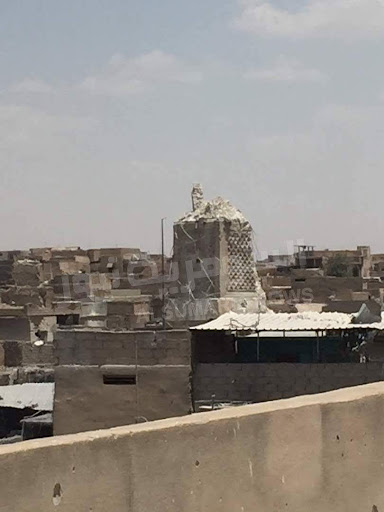
اليوم تم تفجر الجامع وهدم منارة الحدباء التاريخية ... على ايدي اقبح وانذل البشر (داعش) .وهذا ماتبقى منها ... The Great Mosque of al-Nuri (Arabic: جامع النوري‎ Jāmiʿ an-Nūrī) was a mosque in Mosul, Iraq. It was famous for its leaning minaret, which gave the city its nickname "the hunchback" (الحدباء al-Ḥadbāˈ). Tradition holds that the mosque was first built in the late 12th century, although it underwent many renovations over the years. The mosque withstood various hostile invading forces over its 850-year history until it was destroyed with its distinctive minaret in the Battle of Mosul in 2017.Iraqi troops attributed the destruction of the Great Mosque to the Islamic State of Iraq and the Levant (ISIL) in a vandalistic move to destroy it rather than let it go from their hold. It had held symbolic importance to ISIL and its leader Abu Bakr al-Baghdadi, as it was used in 2014 by the militants to self-declare their "caliphate". ISIL's black flag had been flying on the 45-metre minaret since June 2014, after their militants surged across Iraq and Syria seizing territory, and they had promised to never let their flag be lowered from it. Contrary to official accounts and local eyewitnesses, ISIL alleged that U.S. forces destroyed it. ISIL's claim was not substantiated. The BBC reported that "IS accused the United States-led coalition aircraft of bombing the site, but experts said a video circulated online appeared to show charges inside the structures exploding." Iraqi Prime Minister Haider al-Abadi stated that the destruction of the mosque by ISIL was a "declaration of defeat", and that "[b]lowing up the al-Hadba minaret and the al-Nuri mosque amounts to an official acknowledgment of defeat [by ISIS]."
Noor MohaNoor Moha
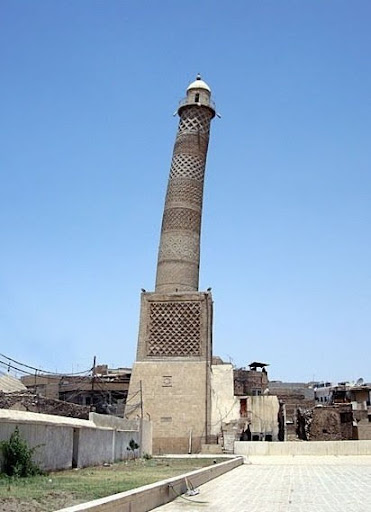
The Great Mosque of al-Nuri (Arabic: جامع النوري‎ Jāmiʿ an-Nūrī) was a mosque in Mosul, Iraq. It was famous for its leaning minaret, which gave the city its nickname "the hunchback" (الحدباء al-Ḥadbāˈ). Tradition holds that the mosque was first built in the late 12th century, although it underwent many renovations over the years. The mosque withstood various hostile invading forces over its 850-year history until it was destroyed with its distinctive minaret in the Battle of Mosul in 2017. Location Mosul Geographic coordinates 36°20′35″N 43°7′36″E Province Nineveh Governorate Year consecrated 1172–1173 Architectural description Architectural style Islamic Destroyed 21 June 2017 Specifications Minaret height 45 metres (148 ft) Materials brick, stone, hazarbaf
MUSTAFA FARAJMUSTAFA FARAJ
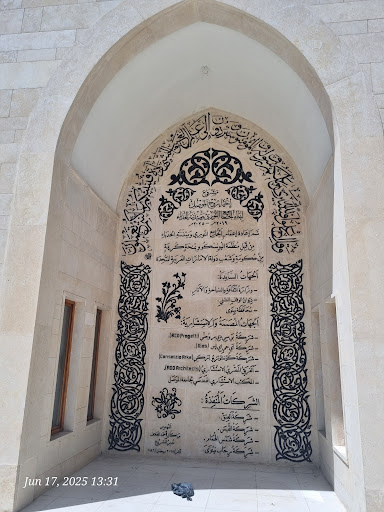
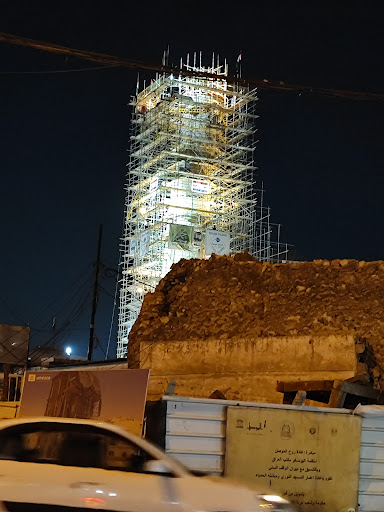
الجامع النوري أو الجامع الكبير أو جامع النوري الكبير، هو من مساجد العراق التاريخية ويقع في الموصل، منطقة السرجخانة وتسمى المنطقة المحيطة بالجامع محلة الجامع الكبير. بناه نور الدين زنكي سنة 1172م. بمساحة اكثر من خمسة الاف متر مربع، وضم الجامع قبة واحدة وخمسة منائر وتعد منارة الحدباء اشهرها بطول بلغ 56 متر والتي كانت اطول منارة اثرية في العراق واكتسبت المدينة لقب الموصل الحدباء لشهرة هذه المنارة. تعد الزخارف الجصية للجامع والمحفوظة حاليا في المتحف العراقي في بغداد من اروع نماذج الزخرفة حيث يعتبرها اساتذة الفن والعمارة الاسلامية من اروع الزخارف الجصية الاسلامية الباقية لهذا اليوم. ما يؤسف له ان تنظيم د. ا. ع. ش اقدم على تفجير الجامع والمنارة في جريمة بحق التراث والحضارة. وقامت منظمة اليونسكو بالاشتراك مع مفتشية آثار وتراث نينوى وبتمويل من دولة الإمارات العربية المتحدة بإعادة اعمار الجامع في المدة من ٢٠١٩ الى ٢٠٢٥
See more posts
See more posts
hotel
Find your stay

Pet-friendly Hotels in Mosul Central Subdistrict

Find a cozy hotel nearby and make it a full experience.

اليوم تم تفجر الجامع وهدم منارة الحدباء التاريخية ... على ايدي اقبح وانذل البشر (داعش) .وهذا ماتبقى منها ... The Great Mosque of al-Nuri (Arabic: جامع النوري‎ Jāmiʿ an-Nūrī) was a mosque in Mosul, Iraq. It was famous for its leaning minaret, which gave the city its nickname "the hunchback" (الحدباء al-Ḥadbāˈ). Tradition holds that the mosque was first built in the late 12th century, although it underwent many renovations over the years. The mosque withstood various hostile invading forces over its 850-year history until it was destroyed with its distinctive minaret in the Battle of Mosul in 2017.Iraqi troops attributed the destruction of the Great Mosque to the Islamic State of Iraq and the Levant (ISIL) in a vandalistic move to destroy it rather than let it go from their hold. It had held symbolic importance to ISIL and its leader Abu Bakr al-Baghdadi, as it was used in 2014 by the militants to self-declare their "caliphate". ISIL's black flag had been flying on the 45-metre minaret since June 2014, after their militants surged across Iraq and Syria seizing territory, and they had promised to never let their flag be lowered from it. Contrary to official accounts and local eyewitnesses, ISIL alleged that U.S. forces destroyed it. ISIL's claim was not substantiated. The BBC reported that "IS accused the United States-led coalition aircraft of bombing the site, but experts said a video circulated online appeared to show charges inside the structures exploding." Iraqi Prime Minister Haider al-Abadi stated that the destruction of the mosque by ISIL was a "declaration of defeat", and that "[b]lowing up the al-Hadba minaret and the al-Nuri mosque amounts to an official acknowledgment of defeat [by ISIS]."
Sarmad Sabeeh

Sarmad Sabeeh

hotel
Find your stay

Affordable Hotels in Mosul Central Subdistrict

Find a cozy hotel nearby and make it a full experience.

Get the Appoverlay
Get the AppOne tap to find yournext favorite spots!
The Great Mosque of al-Nuri (Arabic: جامع النوري‎ Jāmiʿ an-Nūrī) was a mosque in Mosul, Iraq. It was famous for its leaning minaret, which gave the city its nickname "the hunchback" (الحدباء al-Ḥadbāˈ). Tradition holds that the mosque was first built in the late 12th century, although it underwent many renovations over the years. The mosque withstood various hostile invading forces over its 850-year history until it was destroyed with its distinctive minaret in the Battle of Mosul in 2017. Location Mosul Geographic coordinates 36°20′35″N 43°7′36″E Province Nineveh Governorate Year consecrated 1172–1173 Architectural description Architectural style Islamic Destroyed 21 June 2017 Specifications Minaret height 45 metres (148 ft) Materials brick, stone, hazarbaf
Noor Moha

Noor Moha

hotel
Find your stay

The Coolest Hotels You Haven't Heard Of (Yet)

Find a cozy hotel nearby and make it a full experience.

hotel
Find your stay

Trending Stays Worth the Hype in Mosul Central Subdistrict

Find a cozy hotel nearby and make it a full experience.

الجامع النوري أو الجامع الكبير أو جامع النوري الكبير، هو من مساجد العراق التاريخية ويقع في الموصل، منطقة السرجخانة وتسمى المنطقة المحيطة بالجامع محلة الجامع الكبير. بناه نور الدين زنكي سنة 1172م. بمساحة اكثر من خمسة الاف متر مربع، وضم الجامع قبة واحدة وخمسة منائر وتعد منارة الحدباء اشهرها بطول بلغ 56 متر والتي كانت اطول منارة اثرية في العراق واكتسبت المدينة لقب الموصل الحدباء لشهرة هذه المنارة. تعد الزخارف الجصية للجامع والمحفوظة حاليا في المتحف العراقي في بغداد من اروع نماذج الزخرفة حيث يعتبرها اساتذة الفن والعمارة الاسلامية من اروع الزخارف الجصية الاسلامية الباقية لهذا اليوم. ما يؤسف له ان تنظيم د. ا. ع. ش اقدم على تفجير الجامع والمنارة في جريمة بحق التراث والحضارة. وقامت منظمة اليونسكو بالاشتراك مع مفتشية آثار وتراث نينوى وبتمويل من دولة الإمارات العربية المتحدة بإعادة اعمار الجامع في المدة من ٢٠١٩ الى ٢٠٢٥
MUSTAFA FARAJ

MUSTAFA FARAJ

See more posts
See more posts

Reviews of Great Mosque of Al Nouri

4.5
(252)
avatar
4.0
8y

اليوم تم تفجر الجامع وهدم منارة الحدباء التاريخية ... على ايدي اقبح وانذل البشر (داعش) .وهذا ماتبقى منها ... The Great Mosque of al-Nuri (Arabic: جامع النوري‎ Jāmiʿ an-Nūrī) was a mosque in Mosul, Iraq. It was famous for its leaning minaret, which gave the city its nickname "the hunchback" (الحدباء al-Ḥadbāˈ). Tradition holds that the mosque was first built in the late 12th century, although it underwent many renovations over the years. The mosque withstood various hostile invading forces over its 850-year history until it was destroyed with its distinctive minaret in the Battle of Mosul in 2017.Iraqi troops attributed the destruction of the Great Mosque to the Islamic State of Iraq and the Levant (ISIL) in a vandalistic move to destroy it rather than let it go from their hold. It had held symbolic importance to ISIL and its leader Abu Bakr al-Baghdadi, as it was used in 2014 by the militants to self-declare their "caliphate". ISIL's black flag had been flying on the 45-metre minaret since June 2014, after their militants surged across Iraq and Syria seizing territory, and they had promised to never let their flag be lowered from it. Contrary to official accounts and local eyewitnesses, ISIL alleged that U.S. forces destroyed it. ISIL's claim was not substantiated. The BBC reported that "IS accused the United States-led coalition aircraft of bombing the site, but experts said a video circulated online appeared to show charges inside the structures exploding."

Iraqi Prime Minister Haider al-Abadi stated that the destruction of the mosque by ISIL was a "declaration of defeat", and that "[b]lowing up the al-Hadba minaret and the al-Nuri mosque amounts to an official acknowledgment of...

   Read more
avatar
5.0
51w

Nûreddin Mahmud Zengi'nin yaptırdığı en büyük ve en güzel eseri (1172-73) yılında tamamlanan bu Musul Ulucami'dir (Câmiu’n-Nûrî). Maalesef 2017 yılında İŞİD tarafından tahrip edilmiştir. Zengiler Devleti'nin kurucusu olan Sultan Nureddin Mahmud Zengi, 1118 yılında Halep’te doğmuştur. Yazısının güzel olması, çok okuması, hadis ezberleyip rivayet etmesi ve fıkıh bilgisiyle ilgili rivayetler onun iyi bir eğitim aldığını göstermektedir. Diğer yandan gençlik döneminde askerî bakımdan temayüz ettiği ve babası İmâdüddin Zengî’nin yanında zaman zaman savaşlara katıldığı da bilinmektedir. Nureddin Mahmut, hayatı boyunca Müslümanların birlik ve beraberliğini temin için uğraşmış ve Komutanı Selahaddin Eyyubi aracılığıyla Mısır'daki Şii Fatımi Halifeliği'ne ve İslam Dünyasındaki ikiliğe son vererek, bu hedefini gerçekleştirmiştir. Yine ömrü boyunca Filistin, Suriye'yi işgal eden ve Kudüs'te katliamlar yapan Haçlılar'a karşı mücadele vermiştir. Ömrü, bu uğurda savaş meydanlarında geçmiştir. Kudüs'ü Haçlılar'dan geri almak, kendisine nasip olmamakla birlikte, bu idealini ölümünden sonra özenle yetiştirdiği büyük komutanı Selahaddin Eyyubi'ye nasip olmuştur. Hayattaki üçüncü hedefi de İttihad-ı İslam ve Kudüs'ün kurtarılmasından sonra, İstanbul'un Fethedilmesi'dir. Bu ideali de ölümünden yaklaşık üç asır sonra, yine bir Türk Hakanı olan Fatih Sultan Mehmet tarafından gerçekleştirilmiştir. Nûreddin Mahmud, Mısır’a gitmek üzere hazırlık yaptığı sırada, Dımaşk Kalesi’nde 15 Mayıs 1174 tarihinde vefat etmiş ve önce iç kaledeki bir odaya gömülmüş, daha sonra Havvâsin denilen çarşının girişinde Hanefîler için yaptırdığı en-Nûriyyetü’l-Kübrâ adını taşıyan medresesinin girişindeki türbesine nakledilmiştir. Nûreddin Mahmud, adaleti ve dindarlığından dolayı “el-Melikü’l-âdil” lakabıyla anıldığı gibi, Haçlılar’la yapılan savaşlarda şehid olmayı çok arzu ettiğinden dolayı “Şehîd” lakabıyla da anılmıştır. Hanefî fıkhını iyi bildiği, ancak kendisinde mezhep taassubu bulunmadığı, hadisle de meşgul olduğu, geceleri zikir yaptığı, zikre kalkmak isteyenleri uyandırmak amacıyla Dımaşk Kalesi’nde belli saatlerde davul çaldırdığı kaydedilmektedir. İbnü’l-Esîr, Hulefâ-yi Râşidîn ile Ömer b. Abdülazîz’den sonra, hükümdar olarak Nûreddin Mahmud'dan daha iyisini, daha adaletli ve merhametlisini görmediğini söylemektedir. Nureddin Mahmud, Kudüs’ün fethedileceğine inandığından Mescid-i Aksâ’ya konulmak üzere Halep’te sanat değeri çok yüksek bir ağaç minber yaptırmıştır. Selâhaddîn-i Eyyûbî’nin Kudüs’ü fethettiğinde Mescid-i Aksâ’ya koydurduğu bu minber, 1969 yılında bir Yahudi tarafından kasten çıkarılan yangında maalesef yanmıştır. Rabbim, bu güzel insana rahmet etsin ve mekanını Firdevs...

   Read more
avatar
5.0
6y

The Great Mosque of al-Nuri (Arabic: جامع النوري‎ Jāmiʿ an-Nūrī) was a mosque in Mosul, Iraq. It was famous for its leaning minaret, which gave the city its nickname "the hunchback" (الحدباء al-Ḥadbāˈ). Tradition holds that the mosque was first built in the late 12th century, although it underwent many renovations over the years. The mosque withstood various hostile invading forces over its 850-year history until it was destroyed with its distinctive minaret in the Battle of Mosul in 2017. Location Mosul Geographic coordinates 36°20′35″N 43°7′36″E Province Nineveh Governorate Year consecrated 1172–1173 Architectural description Architectural style Islamic Destroyed 21 June 2017 Specifications Minaret height 45 metres (148 ft) Materials brick,...

   Read more
Page 1 of 7
Previous
Next