HTML SitemapExplore
logo
Find Things to DoFind The Best Restaurants

Horvat Midras — Attraction in Mate Yehuda Regional Council

Name
Horvat Midras
Description
Nearby attractions
Rock-cut tombs in ancient Israel
Israel
Zafririm Winery
יקב, Tzafririm, 99830, Israel
Nearby restaurants
Nearby hotels
צל הזית The Olive Tree
היקב 47, Tzafririm, 9983000, Israel
Related posts
Keywords
Horvat Midras tourism.Horvat Midras hotels.Horvat Midras bed and breakfast. flights to Horvat Midras.Horvat Midras attractions.Horvat Midras restaurants.Horvat Midras travel.Horvat Midras travel guide.Horvat Midras travel blog.Horvat Midras pictures.Horvat Midras photos.Horvat Midras travel tips.Horvat Midras maps.Horvat Midras things to do.
Horvat Midras things to do, attractions, restaurants, events info and trip planning
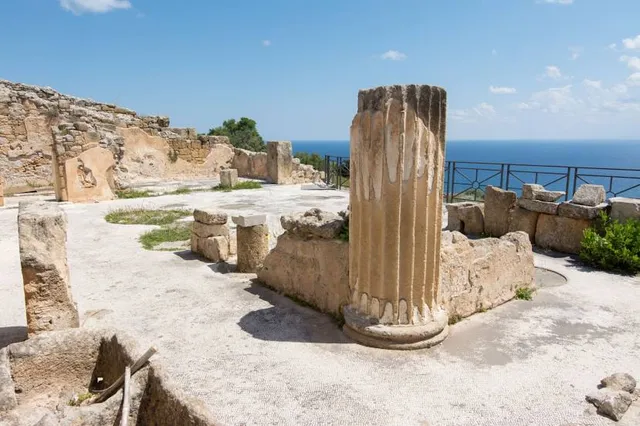
Horvat Midras
IsraelJerusalem DistrictMate Yehuda Regional CouncilHorvat Midras

Basic Info

Horvat Midras

Israel
4.6(559)
Open until 12:00 AM
Save
spot

Ratings & Description

Info

Cultural
Outdoor
Adventure
Family friendly
Off the beaten path
attractions: Rock-cut tombs in ancient Israel, Zafririm Winery, restaurants:
logoLearn more insights from Wanderboat AI.
Website
parks.org.il
Open hoursSee all hours
FriOpen 24 hoursOpen

Plan your stay

hotel
Pet-friendly Hotels in Mate Yehuda Regional Council
Find a cozy hotel nearby and make it a full experience.

hotel
Affordable Hotels in Mate Yehuda Regional Council
Find a cozy hotel nearby and make it a full experience.

hotel
The Coolest Hotels You Haven't Heard Of (Yet)
Find a cozy hotel nearby and make it a full experience.

hotel
Trending Stays Worth the Hype in Mate Yehuda Regional Council
Find a cozy hotel nearby and make it a full experience.

Reviews

Nearby attractions of Horvat Midras

Rock-cut tombs in ancient Israel

Zafririm Winery
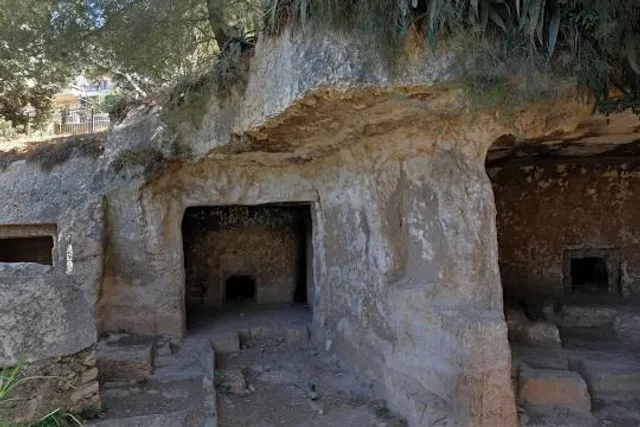
Rock-cut tombs in ancient Israel

Rock-cut tombs in ancient Israel

4.6

(97)

Open 24 hours
Click for details
Zafririm Winery

Zafririm Winery

4.4

(119)

Open 24 hours
Click for details

Things to do nearby

סיור עצמאי בשוק מחנה יהודה עם השפית טלי פרידמן
Thu, Dec 11 • 11:00 PM
אגריפס 88, ירושלים
View details
סיור פרטי של יום שלם על אומנות הקרמיקה הארמנית בירושלים
Sat, Dec 13 • 8:00 AM
דוד רמז 4, ירושלים, 9354102
View details
סיור טעימות יין בהרי יהודה מירושלים
Sun, Dec 14 • 7:00 AM
גרשון אגרון 20, ירושלים
View details
Get the Appoverlay
Get the AppOne tap to find yournext favorite spots!
Wanderboat LogoWanderboat

Your everyday Al companion for getaway ideas

CompanyAbout Us
InformationAI Trip PlannerSitemap
SocialXInstagramTiktokLinkedin
LegalTerms of ServicePrivacy Policy

Get the app

© 2025 Wanderboat. All rights reserved.
logo

Reviews of Horvat Midras

4.6
(559)
avatar
4.0
9y

A lightly excavated site from the Roman/Byzantine era. The site is generally unmanned and its access is free of charge. A small car park is located a short walking distance from the site, the routes are well marked and there are Hebrew and English signs with some details. On site, it's possible to see some remains of a Byzantine church (a nice mosaic floor was also discovered but was later covered for preservation and can not be seen), some remains of what appears to be an ancient synagogue, a very fancy looking burial cave along with its original round heavy stone (a typical Jewish contraption used to block entry), Israel's only pyramid (tiny though half the age of Egypt's one...) and a somewhat small and neglected columbarium cave but the highlight of the visit and the reason most people go there is the local tunnel system which consists of 10-20 (tiny) rooms carved inside a soft chalk stone and connected by a series of (ultra) narrow tunnels. Similar tunnels can be found around the entire region and they date back to the preparations for the Bar Kochba revolt which was likely the most disastrous event in the ancient history of the Jewish people. Visiting the tunnel system can be somewhat hardcore... while the entire "trip" is not very long, the tunnels are not much wider or taller than the width of an average person (40cm/15in) and they twist and turn sideways but also upward and downward. These are not walking tunnels, they are crawling tunnels and by crawling I don't mean "baby crawling" but rather "commando crawling" with the tummy on the ground. Scratches are difficult to avoid, tears in the pants are also quite likely and you will definitely emerge completely covered in fine powdered chalk dust. Darkness is total and it's necessary to bring your own flashlights. The path is circular, the movement is unidirectional (you can't crawl back) and directions are shown using reflectors but are not very clear so it's highly advisable to enter with someone familiar with the tunnels or at the very least download and print the tunnel map. Halfway inside the tunnels the air becomes stale, moldy and low in oxygen and the entire experience can become somewhat dubious. If you ever had any dreams of becoming a real life version of Indiana Jones or Lara Croft, then these tunnels are likely to rid you of it but do bring your kids because they're going to enjoy this experience a lot more than you would... If you are overweight, suffering from asthma or other breathing disorders or even lightly claustrophobic then it's highly highly advisable to skip it and continue along the short way south to Beit-Govrin for a much more impressive and accessible version of all this (for a fee) but...

   Read more
avatar
4.0
2y

Very interesting site with lots to see. Easily accessible by road to the car park, and the main paths are mostly accessible with a buggy, but to see all the sites and to access the caves you need to be on foot, and some light climbing and scrambling or crawling is necessary to see absolutely everything. But even without this, it's a worthwhile outing. You can often find pottery fragments on the ground: shards from pots or fragments from handles. They are often made of brown clay with a white clay 'slip' coating on both sides for decoration. Most are probably Byzantine or later in origin but it's possible some are older.

The views are lovely and Ramat Beit Shemesh D looms over the hills to the north east with Tel Yarmut visible, and swinging across towards the south there are lovely views of Tel Socho and the Hebron hills, which teach 200m higher than Jerusalem. Immediately below is a beautiful, fertile valley dominated by the agricultural community of Tzafririn.

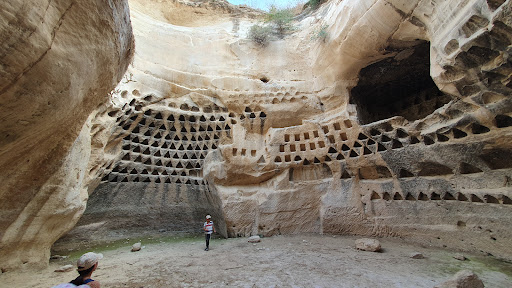
Within the site, one of the main attractions is the Columbarium cave, where thousands of doves were bred in Temple times, when every woman offered one or two doves as Temple offerings following childbirth. Doves were also used for other offerings, so raising then formed a significant sectors of the economy. They also provided eggs and meat for general consumption. The Columbarium walls hold hundreds of triangular niches carved to hold nesting doves.

There are several other large caves peppering the area, which were used by Jews hiding from Roman occupation forces. One of the largest caves contains a tunnel that you can crawl through in about 5 minutes - but you'll need a torch that you can hold in your mouth, and it's not for the claustrophobic. Or for those of bulky build. You'll get filthy. But it's fun!

There's a fascinating burial chamber, containing several exquisitely carved and lined burial niches, and in an inner chamber there's an empty stone sarcophagus with the discarded covering next to it.

A short walk further brings you to the only burial pyramid in Israel - like the burial cave, evidently the last resting place of prominent and wealthy individuals.

There are three well-marked trails leading to all these attractions.

There are also the ruins of a Byzantine-era church with a fairly plain mosaic floor.

What the site lacks, in common with too many other nature and archeological sites in Israel, is any toilet or even drinking water facilities, so make sure you take everything you might...

   Read more
avatar
5.0
5y

חורבת מדרס היא כינוי לשרידיו של יישוב חקלאי קדום, שראשיתו בתקופה ההלניסטית, ושעיקרי השרידים בו הם מהתקופה הרומית המאוחרת ומהתקופה הביזנטית, הנמצא בתחום פארק עדולם מדרום ליישוב צפרירים שבשפלת יהודה.

השם "חורבת מדרס" ניתן לאתר על ידי ועדת השמות הממשלתית בעקבות השם הערבי "ח'רבת דרוסיה", ששימר לפי הסברה את שם היישוב הקדום "דרוסיאס" (ביוונית: "אלונים"), הנזכר ברשימת אתרים ביהודה שערך תלמי במאה ה-2. היו חוקרים ששיערו כי מכאן הגיע בן דרוסאי המוזכר בתלמוד. זאב וילנאי שיער שהיונים ההרדסיאות מקורן מחורבת מדרס, ועל כן נקראות הרדסיאות.

שרידי היישוב - תחילתם בתקופת הברזל (1000 לפנה"ס) שיאו בתקופה הרומית, (המאות הראשונה לפנה"ס - הרביעית לספירה) וסופו בתקופה הערבית הקדומה. מן היישוב נותרו חרבות בתים, מערכות קבורה ומערכות מסתור, וכן מערות פעמון, מתקני קולומבריום חצובים בסלע, ופירמידת קבורה מרשימה.

הפירמידה בחורבת מדרס הוא מבנה מדורג דמוי פירמידה הבנוי מאבני גזית גדולות. המבנה שימש מצבת קבורה מפוארת, למערכת קבורה מפוארת, החצובה בקרבת מקום. אורך צלעות הבסיס הוא כ-10 מטרים וגובהו כ-3.5 מטרים. בפירמידה חסרים כנראה שלושה נדבכים שהביאו את גובהה המקורי ל-5 מטר. שמה הערבי של פירמידה זו הוא אל מונטאר (המצפה).

ממערב לאתר, ומחוץ לתחומי היישוב הקדום, הותקנה מערת קבורה מפוארת, המורכבת מחצר ריבועית עם אבן גולל בכניסה לשני חדרים עם כוכי קבורה. המערה הכילה גלוסקמות - תיבות אבן ששימשו אוכלוסייה יהודית, שנהגה ליקוט עצמות בשלהי תקופת הבית השני. מהחרסים שנתגלו במקום נמצא שהמערה הייתה בשימוש מתחילת המאה הראשונה לספירה עד מרד בר כוכבא (132 - 135). טרם הכשרת המקום למערכת מסתור בימיו של בר כוכבא היו חללים אלו חלק מבורות מים ומרתפי הבתים הפרטיים של הכפר. אנשיו של בר כוכבא הכשירו את המרתפים לטובת מערכת מסתור. כיום ניתן לראות במערכת מקווה, מתקן קולומבריום, מחסנים ועוד.

האתר הוסדר לביקורי קהל. ממגרש החניה מוביל שביל מעגלי מסומן דרך מחילות המסתור, הפירמידה, מערת הקבורה והקולומבריום. בסמוך לחורבת מדרס, נמצא יישוב יהודי קדום נוסף מתקופת בית שני בשם חורבת עתרי. קק"ל הסדירה את האתר וניתן לבקר בו ולראות מערות מסתור ומתקני...

   Read more
Page 1 of 7
Previous
Next

Posts

Yitzchak FreemanYitzchak Freeman
Very interesting site with lots to see. Easily accessible by road to the car park, and the main paths are mostly accessible with a buggy, but to see all the sites and to access the caves you need to be on foot, and some light climbing and scrambling or crawling is necessary to see absolutely everything. But even without this, it's a worthwhile outing. You can often find pottery fragments on the ground: shards from pots or fragments from handles. They are often made of brown clay with a white clay 'slip' coating on both sides for decoration. Most are probably Byzantine or later in origin but it's possible some are older. The views are lovely and Ramat Beit Shemesh D looms over the hills to the north east with Tel Yarmut visible, and swinging across towards the south there are lovely views of Tel Socho and the Hebron hills, which teach 200m higher than Jerusalem. Immediately below is a beautiful, fertile valley dominated by the agricultural community of Tzafririn. Within the site, one of the main attractions is the Columbarium cave, where thousands of doves were bred in Temple times, when every woman offered one or two doves as Temple offerings following childbirth. Doves were also used for other offerings, so raising then formed a significant sectors of the economy. They also provided eggs and meat for general consumption. The Columbarium walls hold hundreds of triangular niches carved to hold nesting doves. There are several other large caves peppering the area, which were used by Jews hiding from Roman occupation forces. One of the largest caves contains a tunnel that you can crawl through in about 5 minutes - but you'll need a torch that you can hold in your mouth, and it's not for the claustrophobic. Or for those of bulky build. You'll get filthy. But it's fun! There's a fascinating burial chamber, containing several exquisitely carved and lined burial niches, and in an inner chamber there's an empty stone sarcophagus with the discarded covering next to it. A short walk further brings you to the only burial pyramid in Israel - like the burial cave, evidently the last resting place of prominent and wealthy individuals. There are three well-marked trails leading to all these attractions. There are also the ruins of a Byzantine-era church with a fairly plain mosaic floor. What the site lacks, in common with too many other nature and archeological sites in Israel, is any toilet or even drinking water facilities, so make sure you take everything you might need with you.
Noam VaslNoam Vasl
Great place to visit, we went into the caves dont go in if you are not wearing cloths you can crawl in with, these caves can get as low as 40 cm that is really low and they are also very narrow at some points there are a few resting spots inside where you can sit and think why you decided to go in, but in the end when you pop out all sweaty you are thankful you did it. Enjoy!
Nitzan HarelNitzan Harel
I live in Israel, travel a lot and still think that this place and the very close Beit Govrin park are among the most unique and fun places. Caves from all kind (housing caves, burial caves, Columbariums, and all set in a beautiful setting and close to each other. This place is free to enter and the adjacent will cost you some enter fee.
See more posts
See more posts
hotel
Find your stay

Pet-friendly Hotels in Mate Yehuda Regional Council

Find a cozy hotel nearby and make it a full experience.

Very interesting site with lots to see. Easily accessible by road to the car park, and the main paths are mostly accessible with a buggy, but to see all the sites and to access the caves you need to be on foot, and some light climbing and scrambling or crawling is necessary to see absolutely everything. But even without this, it's a worthwhile outing. You can often find pottery fragments on the ground: shards from pots or fragments from handles. They are often made of brown clay with a white clay 'slip' coating on both sides for decoration. Most are probably Byzantine or later in origin but it's possible some are older. The views are lovely and Ramat Beit Shemesh D looms over the hills to the north east with Tel Yarmut visible, and swinging across towards the south there are lovely views of Tel Socho and the Hebron hills, which teach 200m higher than Jerusalem. Immediately below is a beautiful, fertile valley dominated by the agricultural community of Tzafririn. Within the site, one of the main attractions is the Columbarium cave, where thousands of doves were bred in Temple times, when every woman offered one or two doves as Temple offerings following childbirth. Doves were also used for other offerings, so raising then formed a significant sectors of the economy. They also provided eggs and meat for general consumption. The Columbarium walls hold hundreds of triangular niches carved to hold nesting doves. There are several other large caves peppering the area, which were used by Jews hiding from Roman occupation forces. One of the largest caves contains a tunnel that you can crawl through in about 5 minutes - but you'll need a torch that you can hold in your mouth, and it's not for the claustrophobic. Or for those of bulky build. You'll get filthy. But it's fun! There's a fascinating burial chamber, containing several exquisitely carved and lined burial niches, and in an inner chamber there's an empty stone sarcophagus with the discarded covering next to it. A short walk further brings you to the only burial pyramid in Israel - like the burial cave, evidently the last resting place of prominent and wealthy individuals. There are three well-marked trails leading to all these attractions. There are also the ruins of a Byzantine-era church with a fairly plain mosaic floor. What the site lacks, in common with too many other nature and archeological sites in Israel, is any toilet or even drinking water facilities, so make sure you take everything you might need with you.
Yitzchak Freeman

Yitzchak Freeman

hotel
Find your stay

Affordable Hotels in Mate Yehuda Regional Council

Find a cozy hotel nearby and make it a full experience.

Get the Appoverlay
Get the AppOne tap to find yournext favorite spots!
Great place to visit, we went into the caves dont go in if you are not wearing cloths you can crawl in with, these caves can get as low as 40 cm that is really low and they are also very narrow at some points there are a few resting spots inside where you can sit and think why you decided to go in, but in the end when you pop out all sweaty you are thankful you did it. Enjoy!
Noam Vasl

Noam Vasl

hotel
Find your stay

The Coolest Hotels You Haven't Heard Of (Yet)

Find a cozy hotel nearby and make it a full experience.

hotel
Find your stay

Trending Stays Worth the Hype in Mate Yehuda Regional Council

Find a cozy hotel nearby and make it a full experience.

I live in Israel, travel a lot and still think that this place and the very close Beit Govrin park are among the most unique and fun places. Caves from all kind (housing caves, burial caves, Columbariums, and all set in a beautiful setting and close to each other. This place is free to enter and the adjacent will cost you some enter fee.
Nitzan Harel

Nitzan Harel

See more posts
See more posts