Following Google Maps we traveled from Noto, Sicily, to Noto Antica. The route provided was the SP64. This route is very risky and dangerous and is unfit for cars. For most of the route there is no tarmac just an unmade track with numerous potholes which were very difficult to negotiate and sections of road that had completely fallen away. We saw no warnings whatsoever. Instead of the 25 minutes identified by Google Maps the journey took 45 minutes. Thankfully there was an alternative route for our return journey along the SS287 with tarmaced roads which are...
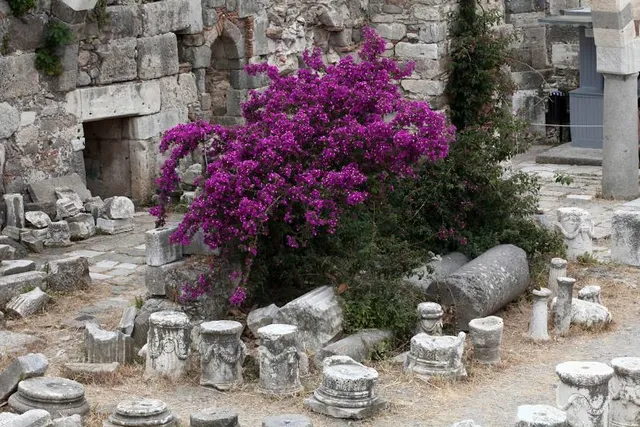
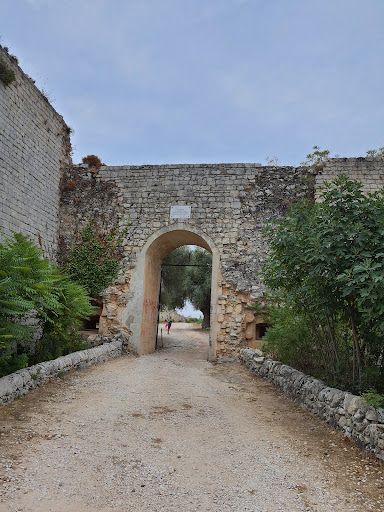
Read moreLuogo suggestivo, ai limiti dell'incantato, una coltre di vegetazione spontanea copre gran parte di quello che furono i fasti del periodo greco e arabo di questa città. Il terremoto del 1693 distrusse gran parte degli edifici, da lì, come in molti altri casi, venne ricostituito un nuovo centro abitato in altra area, non molto distante dalla precedente. Mi raccomando, non perdetevi l'Eremo della Provvidenza, costruito in epoca post terremoto (1700). Si può lasciare l'auto all'ingresso paese dove c'è la porta del castello quattrocentesco e da lì iniziare il percorso a piedi. Fatevi una foto della piantina presente lì vicino alla porta per potervi orientare con i siti, non essendo tutti allineati sulla medesima via. Imperdibile anche la Collina della Memoria, a circa 300 mt proseguendo dal parcheggio del castello. Qui vi sono delle tombe scavate del banco verticale della roccia della collina. Questo fenomeno è ravvisabile ai più acuti anche mentre si percorre la strada verso Noto antica. Questa area venne utilizzata da più popolazioni distinte, preistorica, paleocristiana, bizantina, giudaica, ed in epoche distinte come necropoli. Se avrete un secondo giorno per tornare in zona, c'è un fantastico sentiero a ring (3 ore buone di camminata) che segue il corso del fiume scendendo nella cava del Carosello, dove sono ancora presenti le antiche concerie ed un mulino ad acqua, da lì proseguire verso la cascata e la chiesa rupestre di San Giuliano per poi congiungersi al fiume Asinaro e risalire in prossimità della Chiesa del Carmine (versante opposto) raggiungendo subito dopo il castello ed...
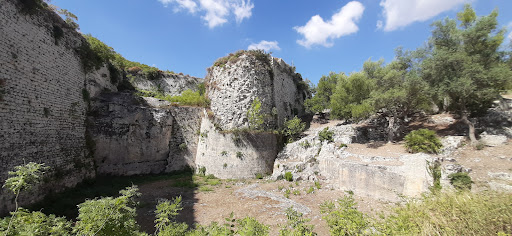
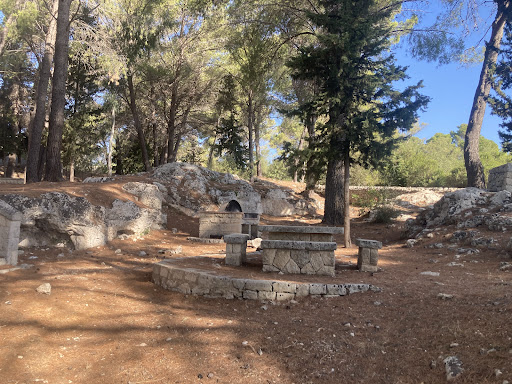
Read moreDas ist der Standort der ehemaligen seit der antike recht wichtigen Stadt Noto. Sie wurde 1693 durch ein Erdbeben vollständig verwüstet und ein anderer Stelle wieder aufgebaut. Das Gelände ist natürlich inzwischen vollständig überwachsen beziehungsweise verbuscht. Die Ruinenstätte liegt auf dem Plateau eines Berges, umgeben von Schluchten. Man kann das Gelände gut begehen, es sind sowohl schmale Wanderwege als auch breite Wege, die kinderwagentauglich sind, vorhanden. Einer der schönsten Orte, die ich kenne, außerdem fast keine Touristen vorhanden. Wer gerne zu Fuß geht, historisch interessiert ist, Ruinen – Romantik mag, etwas Entdeckergeist und ein Gefühl für schöne Aussichten hat, bekommt das alles hier. Man sieht hier und da noch Ruinen, zum einen des sehr mächtige Eingangstor, die Reste der Stauferburg (ja, auch die waren hier), einige andere Gemäuer, Gewölbe und Keller. Es empfiehlt sich, von der Burg aus sich etwas rechts haltend entlang den Resten der Stadtmauer entlang zu gehen, bis man zur Einsiedelei (Eremo) auf der anderen Seite des Plateaus kommt, ca. 30 Minuten Fußmarsch. Das kleine Kloster steht noch komplett, ist baufällig, man kann es aber auf eigene Gefahr betreten. Hier gibt es auch eine sehr schöne Aussicht in das Tal des Asinaro in Richtung Meer. Gastronomie gibt es keine, aber es gibt einen riesigen und hervorragend durch Pinien und Zypressen beschatteten Picknickplatz (area atrezzata di noto antica) mit fließendem Wasser und Grillgelegenheiten in dem Gelände gegenüber dem...
Read more