A Fascinating Glimpse into Myth and History
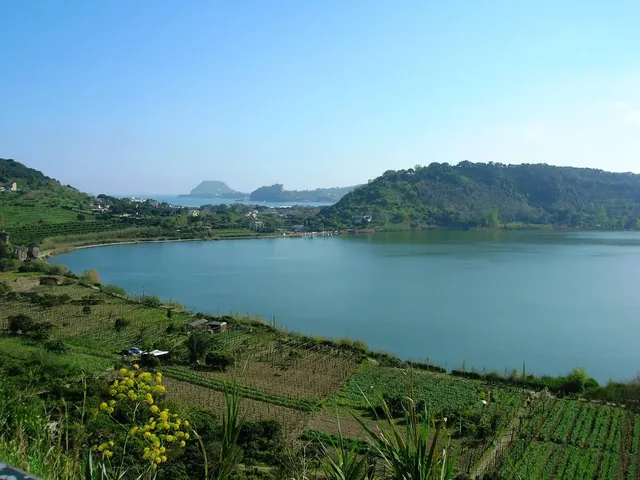
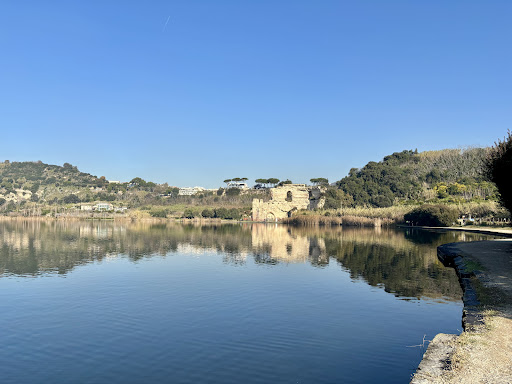
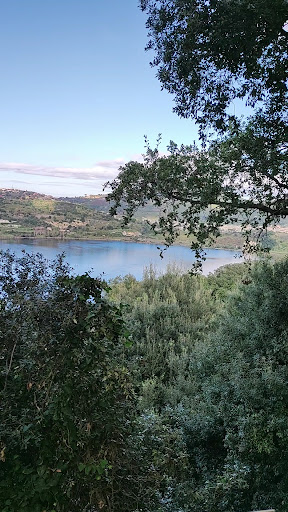
Lake Avernus is a must-visit for anyone interested in history, mythology, or just enjoying a beautiful natural setting. This crater lake, formed in a dormant volcano, was once believed to be the entrance to the underworld!
What I loved: The atmosphere: Even knowing the myths aren't true, there's a definite sense of mystery and ancient power here. It's incredibly peaceful and evocative. Historical remnants: You can see ruins of temples and structures from the Roman era, adding another layer of interest. Great for walking: The path around the lake is easy to follow and provides stunning views. Perfect for a leisurely stroll or a jog. Nearby attractions: The Sibyl's Cave is a short distance away and worth exploring as well.
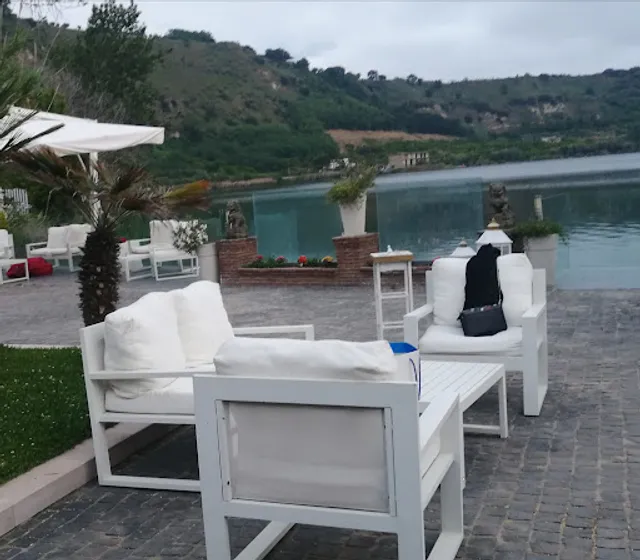
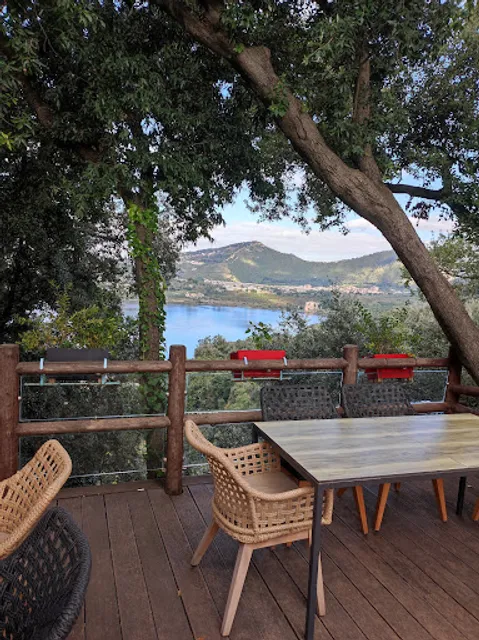
Things to keep in mind: Accessibility: While the main path is fairly level, some areas might be challenging for those with mobility issues. Amenities: There are a few cafes and restaurants nearby, but it's not overly commercialized. Seasonal changes: I visited in the spring and it was lovely, but I imagine it could get quite hot in summer. Overall, Lake Avernus is a unique and memorable place. It's a fascinating blend of natural beauty, history, and legend. Highly...
Read moreAncient Greeks called Lago d’Averno the mouth of hell because passing birds were suffocated by the fumes. The lake was turned into part of a naval base by Cornelius Agrippa after he cut a canal. Emperor Nero furthered this by building a canal lined with colonnades.
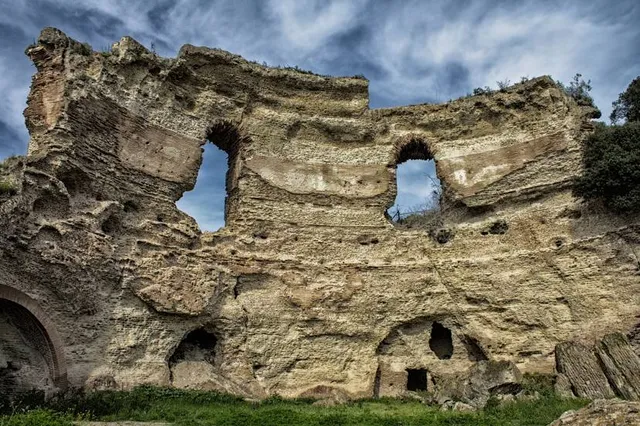
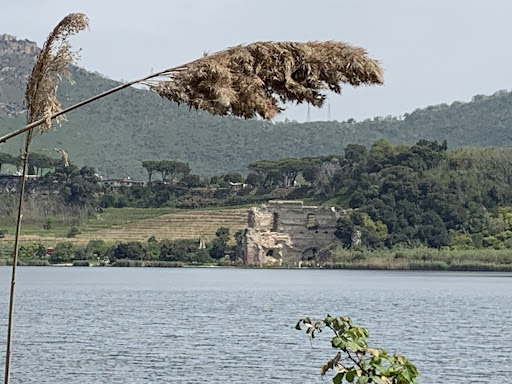
Ruins surround the lake, including the Temple of Apollo which is currently being renovated and is covered with no trespassing tape and remains of a dome building which is suspected to have been as big as the Roman Pantheon.
If you gaze into the water, you can visibly see steps going down and leading somewhere…
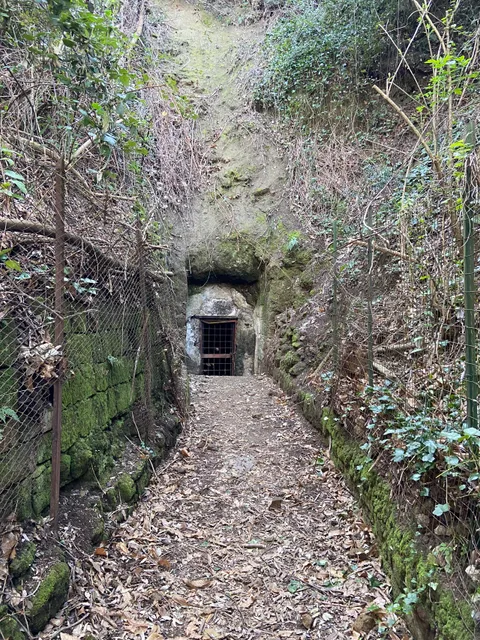
There is nothing marked on the trail about whether excavations are being done of the water or the nearby dome and Sibylline cave.
A walk around the lake is tranquil. There are many agro tourism places open for lunch on weekends with prices ranging from €30-40 per person.
Birds, ducks and turtles are the most popular creatures here. It may be worthwhile for the government to look into what is killing all of the fish in the lake as the stench is awful and one can only walk a few feet without being Greeted by stinky, belly up, rotting fish who have drifted...
Read moreLuogo meraviglioso, atmosfera di calma e serenità garantita. Luogo poco valorizzato nonostante la sua importanza, oltre che naturalistica, storica e soprattutto mitologica. È un lago vulcanico, l'unico ad acqua dolce rispetto agli altri tre laghi flegrei di origine vulcanica (Fusaro, Miseno e Lucrino, tutti ad acqua salata). Con la macchina si può arrivare fino ad un certo punto, poi si parcheggia e si prosegue lungo il percorso pedonale che costeggia le sponde del lago. Consigliate scarpette comode considerando la strada, a tratti sterrata e polverosa. Vicino al lago si trovano il Tempio di Apollo e la Grotta di Cocceio, un cunicolo scavato dai Romani per scopi militari che collegava il lago a Cuma, ad oggi non visitabile. In questo lago l'Enea di Virgilio e poi Dante vi trovarono l’ingresso degli inferi e, tempi addietro, le sue acque erano state teatro dello scontro fra Zeus e i Titani. "Una spelonca profonda, protetta da un cupo lago e dalle tenebre dei boschi, sopra la quale nessun volatile poteva impunemente avventurarsi ad ali spiegate", così Virgilio nel sesto libro dell’Eneide descriveva il lago. Le antiche geografie individuavano qui, nascosto fra le sue acque, immobili e scure, l'ingresso degli inferi; qui, dunque, per gli antichi romani si incontravano i defunti, diventando così questo luogo simbolo per eccellenza del regno di Ade. Perfino Galileo Galilei, al termine di lunghi studi sul territorio e complessi calcoli matematici, affermò che senza dubbio la porta dell’Inferno cantato da Dante doveva trovarsi lì, presso le acque dell’Averno. Non solo: la celebre “selva oscura” secondo Galilei, era proprio quella che circondava il lago arrivando fino alla Solfatara di Pozzuoli. Il nome del lago spiega il motivo per cui nessun uccello volasse sulle sue acque o scegliesse un nido fra i suoi alberi. Secondo la leggenda che ha dato nome a questo luogo infatti, le esalazioni solforose emanate dallo specchio d’acqua (esalazioni che si credeva giungessero dal sotterraneo e infernale Acheronte) uccidevano all'istante qualunque volatile troppo audace: ecco perché "Averno" dunque, dal greco "a-ornòs", senza uccelli. Storicamente invece il lago ebbe un ruolo centrale durante tutto il periodo romano: già ai tempi della guerra civile contro Pompeo quest’area fu estremamente rilevante dal punto di vista militare e in seguito, durante l’epoca augustea, il lago d’Averno divenne una delle basi navali più importanti dell’antichità. In questo luogo storia e leggenda si confondono, così come anche scienza e superstizione. Un luogo ancora oggi pieno di magia e con una storia affascinante, a metà fra mito e realtà....
Read more