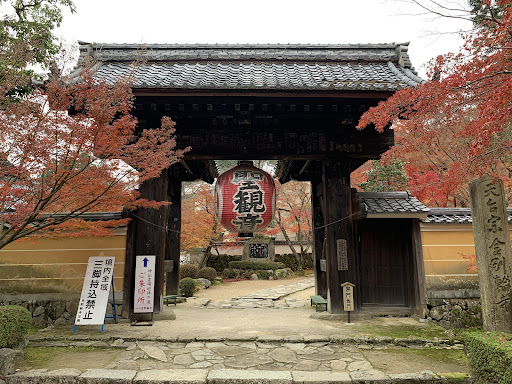
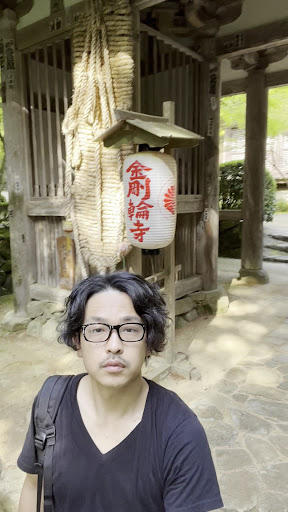
Kongorinji things to do, attractions, restaurants, events info and trip planning
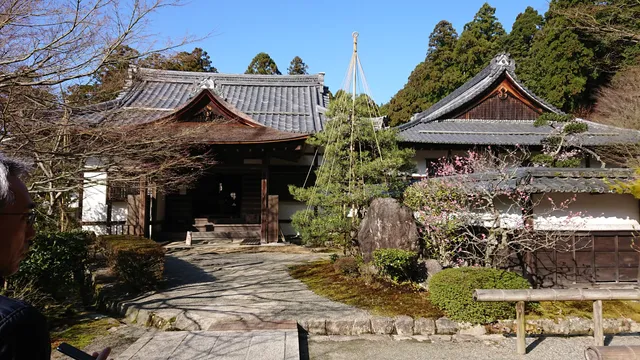
Basic Info
Kongorinji
874 Matsuoji, Aishō, Echi District, Shiga 529-1202, Japan
4.4(464)
Open until 5:00 PM
Save
spot
spot
Ratings & Description
Info
Kongōrin-ji, also known as Matsuo-dera is a Buddhist temple of the Tendai sect located in the town of Aishō, Shiga Prefecture, Japan. The honzon of the temple is Kannon Bosatsu.
Cultural
Scenic
Outdoor
Family friendly
attractions: Aisho Town Museum of History and Culture, restaurants: ラーメンショップ 愛荘店, local businesses: Kongorinji Hondo (Main Hall), Kongorin-ji Hondo (Main Hall)
 Learn more insights from Wanderboat AI.
Phone
+81 749-37-3211
Website
kongourinji.jp
Open hoursSee all hours
Sat8:30 AM - 5 PMOpen
Plan your stay

Pet-friendly Hotels in Aisho
Find a cozy hotel nearby and make it a full experience.

Affordable Hotels in Aisho
Find a cozy hotel nearby and make it a full experience.

The Coolest Hotels You Haven't Heard Of (Yet)
Find a cozy hotel nearby and make it a full experience.

Trending Stays Worth the Hype in Aisho
Find a cozy hotel nearby and make it a full experience.
Reviews
Live events
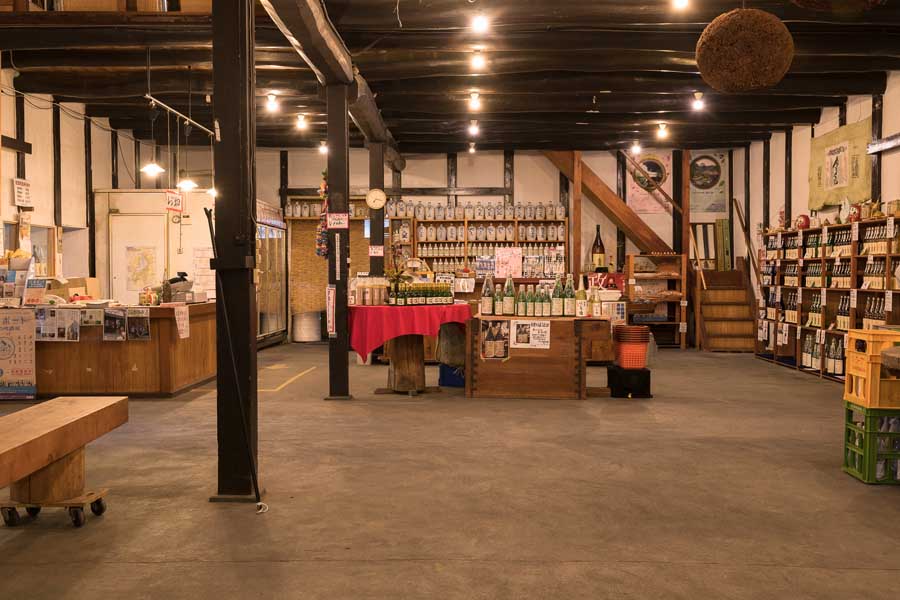
Experience at the Okamura Honka Sake tasting & brewery tour
Sat, Feb 14 • 9:00 AM
529-1165, Shiga, Toyosato, Inukami District, Japan
View details
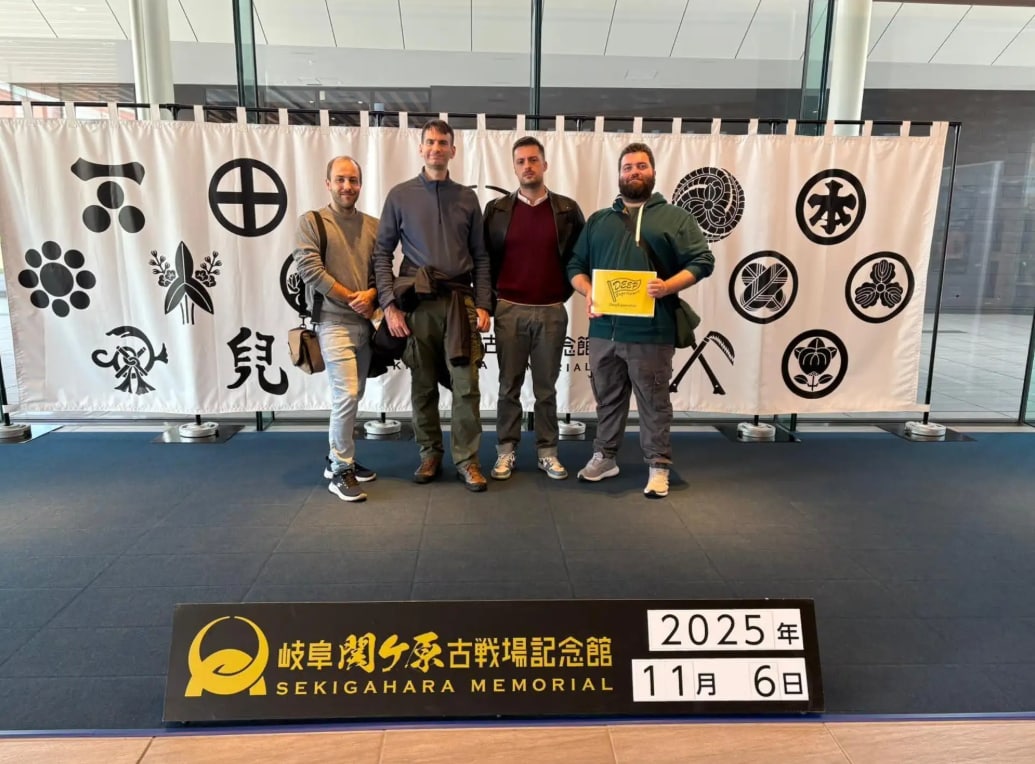
Sekigahara: Japan’s Most Decisive Battlefield
Sat, Feb 14 • 10:00 AM
503-1501, Gifu, Sekigahara, Fuwa District, Japan
View details
Nearby attractions of Kongorinji
Aisho Town Museum of History and Culture
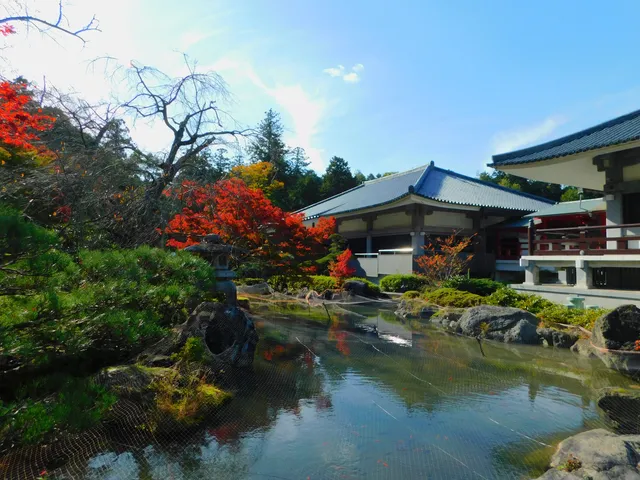
Aisho Town Museum of History and Culture
3.8
(39)
Open until 5:00 PM
Click for details
Nearby restaurants of Kongorinji
ラーメンショップ 愛荘店
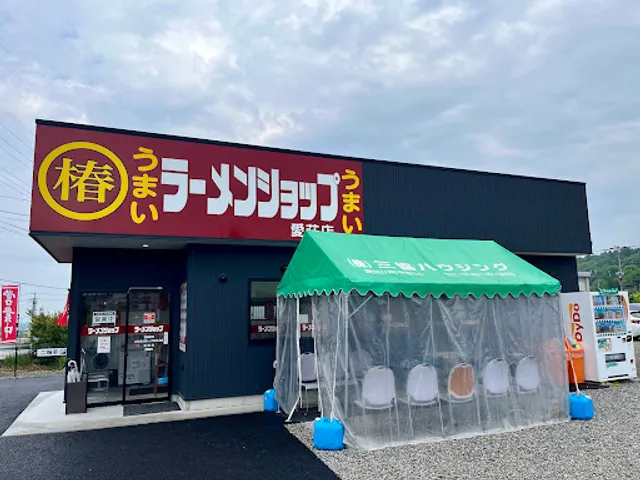
ラーメンショップ 愛荘店
3.8
(282)
Open until 8:00 PM
Click for details
Nearby local services of Kongorinji
Kongorinji Hondo (Main Hall)
Kongorin-ji Hondo (Main Hall)
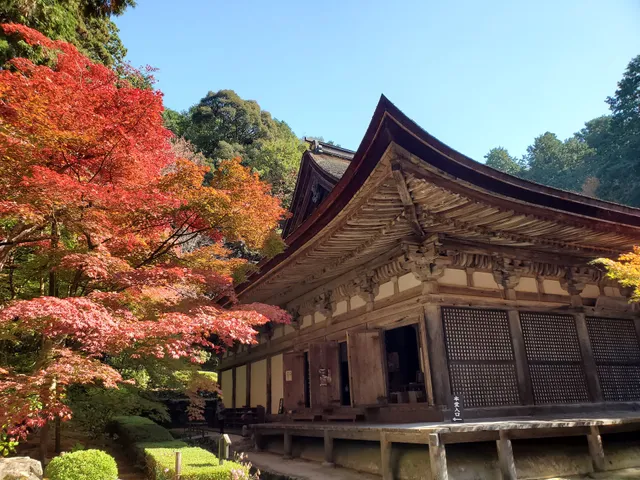
Kongorinji Hondo (Main Hall)
4.3
(62)
Click for details
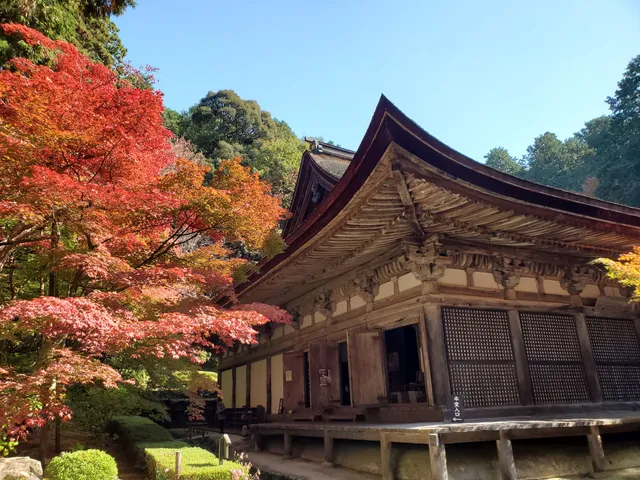
Kongorin-ji Hondo (Main Hall)
4.3
(51)
Click for details