HTML SitemapExplore
logo
Find Things to DoFind The Best Restaurants

Daihonzan Eiheiji — Attraction in Eiheiji

Name
Daihonzan Eiheiji
Description
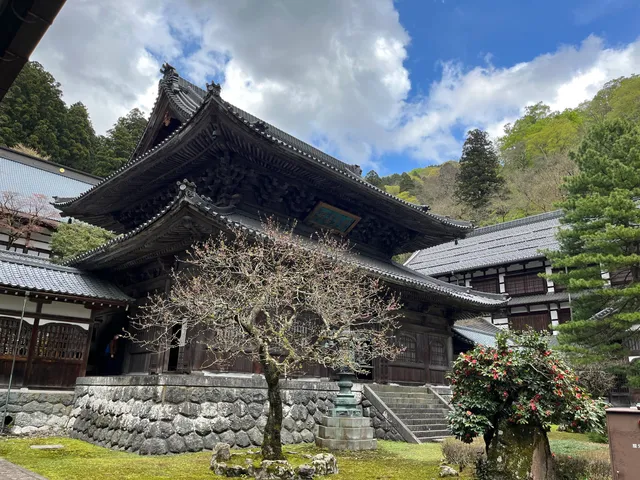
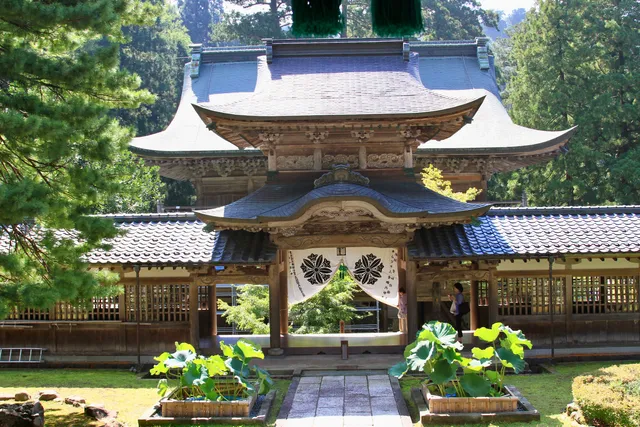
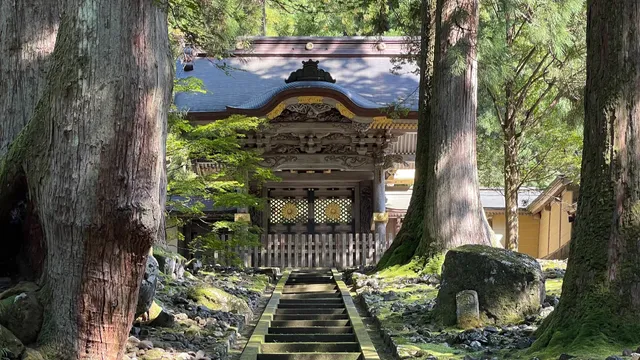
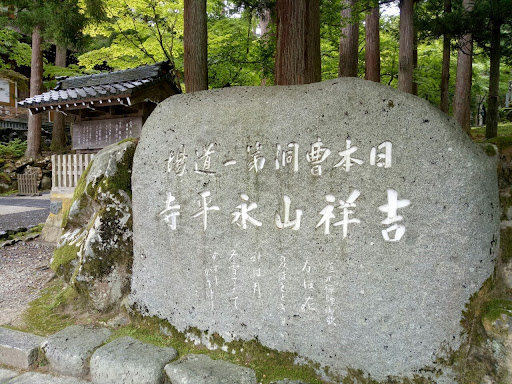
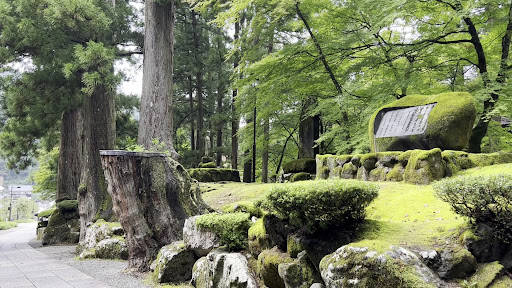
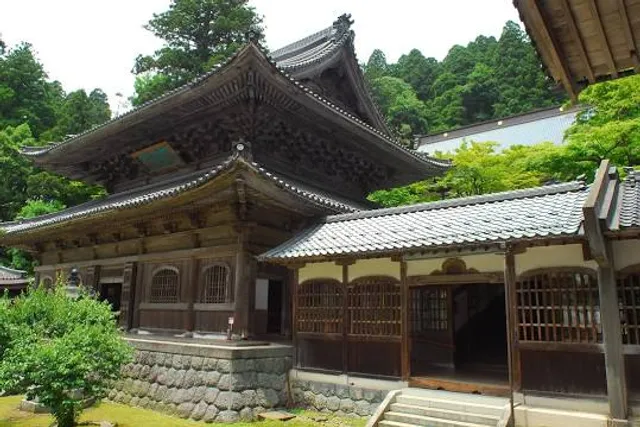
Eihei-ji is one of two main temples of the Sōtō school of Zen Buddhism, the largest single religious denomination in Japan. Eihei-ji is located about 15 km east of Fukui in Fukui Prefecture, Japan. In English, its name means "temple of eternal peace".
Nearby attractions
Nearby restaurants
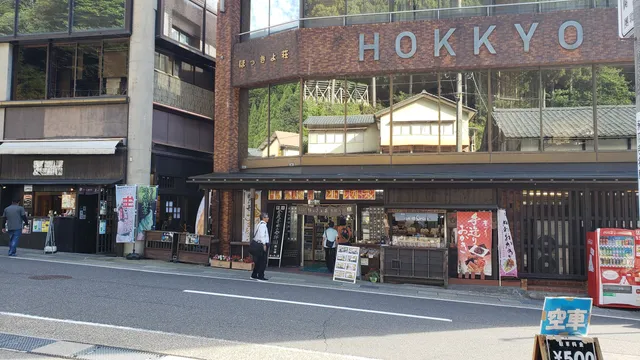
Hokkyoso
24-35 Shihi, Eiheiji, Yoshida District, Fukui 910-1228, Japan
Sanrakutei
23-31-10 Shihi, Eiheiji, Yoshida District, Fukui 910-1228, Japan
Related posts
Keywords
Daihonzan Eiheiji tourism.Daihonzan Eiheiji hotels.Daihonzan Eiheiji bed and breakfast. flights to Daihonzan Eiheiji.Daihonzan Eiheiji attractions.Daihonzan Eiheiji restaurants.Daihonzan Eiheiji travel.Daihonzan Eiheiji travel guide.Daihonzan Eiheiji travel blog.Daihonzan Eiheiji pictures.Daihonzan Eiheiji photos.Daihonzan Eiheiji travel tips.Daihonzan Eiheiji maps.Daihonzan Eiheiji things to do.
Daihonzan Eiheiji things to do, attractions, restaurants, events info and trip planning
Daihonzan Eiheiji
JapanFukui PrefectureEiheijiDaihonzan Eiheiji

Basic Info

Daihonzan Eiheiji

5-15 Shihi, Eiheiji, Yoshida District, Fukui 910-1228, Japan
4.5(3.2K)
Open 24 hours
Save
spot

Ratings & Description

Info

Eihei-ji is one of two main temples of the Sōtō school of Zen Buddhism, the largest single religious denomination in Japan. Eihei-ji is located about 15 km east of Fukui in Fukui Prefecture, Japan. In English, its name means "temple of eternal peace".

Cultural
Family friendly
attractions: , restaurants: Hokkyoso, Sanrakutei
logoLearn more insights from Wanderboat AI.
Phone
+81 776-63-3102
Website
daihonzan-eiheiji.com

Plan your stay

hotel
Pet-friendly Hotels in Eiheiji
Find a cozy hotel nearby and make it a full experience.

hotel
Affordable Hotels in Eiheiji
Find a cozy hotel nearby and make it a full experience.

hotel
The Coolest Hotels You Haven't Heard Of (Yet)
Find a cozy hotel nearby and make it a full experience.

hotel
Trending Stays Worth the Hype in Eiheiji
Find a cozy hotel nearby and make it a full experience.

Reviews

Nearby restaurants of Daihonzan Eiheiji

Hokkyoso

Sanrakutei

Hokkyoso

Hokkyoso

3.2

(92)

Open until 5:00 PM
Click for details
Sanrakutei

Sanrakutei

3.9

(70)

Click for details
Get the Appoverlay
Get the AppOne tap to find yournext favorite spots!
Wanderboat LogoWanderboat

Your everyday Al companion for getaway ideas

CompanyAbout Us
InformationAI Trip PlannerSitemap
SocialXInstagramTiktokLinkedin
LegalTerms of ServicePrivacy Policy

Get the app

© 2025 Wanderboat. All rights reserved.
logo

Reviews of Daihonzan Eiheiji

4.5
(3,238)
avatar
5.0
6y

We took the Eihei-ji Liner bus at the bus stop from the east exit of Fukui Station to Eihei-ji. When we got off the bus, the rain was very heavy. Fortunately, the stop was a building to prevent being wet. After a while, when the rain was getting lighter, we walked to the visitor center to buy the tickets. The center was self-service , there was a ticket machine, and lots of information to take. After buying the tickets, we walked to Eihei-ji. Eihei-ji was one of two main temples of Sōtō Zen in Japan. The temple name was "Ji-siang Mountain" meaning happiness allover the mountain. And , the main god was Sakyamuni, Maitreya Buddha and Amitabha. Normally, the famous mountain gate named "Tangmen" we saw on the poster was closed, and the visitors came in and out from the General Gate which was a big building and had to go upstairs. When entering the building, we took off shoes, handed over the tickets and our shuincho to the counter staffs, and when we finished visiting, returned to take the shuincho. I saw a few piles of shuinchos on the counter, and three staffs were busy writing. Obviously , the number of visitors here was amazing! At present, there were still more than 200 monks practicing here, so it was very impolite to be noisy and take pictures against the monks. Eihei-ji covered a very large area. It was said that there were more than 70 buildings and it stretched over the whole mountain. Therefore, it spended at least two to three hours to finish visiting. Even though, the visit indicators were very detailed and perfect, as long as visitors followed the indicators, they would never get lost. Because Eihei-ji was far away from the city, it was very quiet, and the buildings were built on the mountain, blending with nature, surrounded by centuries-old giant firs, so many tourists came here mainly for the tranquility and beauty. This was also one of the reasons why I loved this temple very much. There were many places worthy of savoring in this temple. When we stepped into the Big Hall, we were deeply attracted by hundreds of beautiful flower and bird paintings on the ceiling. The temple staffs were afraid that the visitors would be too hard to enjoy the paintings, so they copied the paintings to be smaller ones and gathered on the wall for the visitors to enjoy them. When we walked to the Big Restaurant, we saw a huge stick hanging from the ceiling. It was said that it symbolized cooking. So as visitors touched it by hand, they would be good at cooking. Very interesting! Besides, there were many buildings connected each oter with the corridors, even if it rained, didn't worry. If visitors walked to be tired, there were lots of chairs for them to rest. It was worthy to mention that there were many rest rooms, and even platforms for infants to change diapers. How thoughtful the staffs were!! If you want to visit Eihei-ji, then I suggest you to purchase the Eihei-ji- Tojinbo 2 day pass bus ticket at the Keifuku Bus Counter of Echizen Railway Fukui Station and take the Eihei-ji Line at the east exit of Fukui Station. This will save you much time and...

   Read more
avatar
5.0
20w

Eiheiji Temple One-Day Monk Experience – A Peaceful and Enlightening Retreat

It took me about 3.5 hours to travel from Tokyo to Fukui, but the journey was absolutely worth it. Eiheiji Temple offers a deeply peaceful and reflective atmosphere, unlike anywhere I’ve ever been.

The highlight for me was learning zazen (seated meditation) the proper way. The program had English-speaking guides who were incredibly kind and respectful to us international participants. There were only six of us from abroad, while the rest were Japanese students (around 10–15). They followed a different schedule from us, and honestly, I wish I spoke Japanese to engage more deeply with the experience.

We were asked to wake up at 3:50 AM, and interestingly, there was no shower the next day—which I personally found a bit uncomfortable. If given a choice, I’d rather wake at 3:30 AM just to have a quick shower and feel refreshed before starting the day.

During the zazen session, the core message was clear: enlightenment comes from within, and practice should be part of daily life. I’ve done meditation before, but Soto Zen teaches you to meditate with your eyes open, which is surprisingly challenging. Even in a quiet space, thoughts and emotions constantly bubble up—nothing too serious, just random things. It feels like you’re quietly observing your own soul. And yes, sitting for 30 minutes will definitely make your legs go numb!

They also taught us about mindful eating. There was a beautiful chanting ceremony before meals to express gratitude, which I found really touching. They even gave us souvenir chopsticks and a small booklet so we can continue the practice at home.

One of the most powerful moments was the early morning prayer ceremony. All the monks gathered and chanted in unison—it felt sacred, healing, and almost magical.

Overall, I learned so much from this one-day monk experience. It wasn’t just about meditation or rituals—it was about slowing down, being present, and finding meaning in small, everyday actions. I would highly recommend this to anyone looking for a meaningful escape from the busy modern world.

The one-day monk experience costs ¥15,000 and must be applied for at least a month in advance. Your application also needs to be approved by the temple.

I stayed in the women’s tatami room, and it was surprisingly comfortable and beautiful—it honestly felt a bit luxurious. The soft green and yellow tones were calming and well-coordinated, adding to the serene vibe.

What really surprised me was the bath setup—it’s similar to a traditional public bath, where everyone bathes nude. There’s even a large shared hot tub in the center where you can soak and relax. It was an unexpected but authentic part of...

   Read more
avatar
5.0
1y

This place is breathtaking and if you can you should definitely stop here for a visit.

We arrived by car and parked in one of the first parking lots we found in the village, it was 300 yen for the day and overall was one of the cheapest. From there we walked 10 mins uphill to reach the area where the temple is located.

The first impression is majestic with secular trees surrounding the buildings. Once you enter and pay the fee (700 yen per person) you will take off your shoes in the provided bags and will be guided by colorful lines on the wooden floor.

Just walking around the area in silence gives you a sense of zen. This place is solemn and you can see monks walking around and taking care of the gardens. There are videos along the way together with informational signs (all translated to English) that provide interesting insights on the history of the temple and how it is used today by the monks living there.

This is definitely in the top 5 of the places I...

   Read more
Page 1 of 7
Previous
Next

Posts

李明洋李明洋
We took the Eihei-ji Liner bus at the bus stop from the east exit of Fukui Station to Eihei-ji. When we got off the bus, the rain was very heavy. Fortunately, the stop was a building to prevent being wet. After a while, when the rain was getting lighter, we walked to the visitor center to buy the tickets. The center was self-service , there was a ticket machine, and lots of information to take. After buying the tickets, we walked to Eihei-ji. Eihei-ji was one of two main temples of Sōtō Zen in Japan. The temple name was "Ji-siang Mountain" meaning happiness allover the mountain. And , the main god was Sakyamuni, Maitreya Buddha and Amitabha. Normally, the famous mountain gate named "Tangmen" we saw on the poster was closed, and the visitors came in and out from the General Gate which was a big building and had to go upstairs. When entering the building, we took off shoes, handed over the tickets and our shuincho to the counter staffs, and when we finished visiting, returned to take the shuincho. I saw a few piles of shuinchos on the counter, and three staffs were busy writing. Obviously , the number of visitors here was amazing! At present, there were still more than 200 monks practicing here, so it was very impolite to be noisy and take pictures against the monks. Eihei-ji covered a very large area. It was said that there were more than 70 buildings and it stretched over the whole mountain. Therefore, it spended at least two to three hours to finish visiting. Even though, the visit indicators were very detailed and perfect, as long as visitors followed the indicators, they would never get lost. Because Eihei-ji was far away from the city, it was very quiet, and the buildings were built on the mountain, blending with nature, surrounded by centuries-old giant firs, so many tourists came here mainly for the tranquility and beauty. This was also one of the reasons why I loved this temple very much. There were many places worthy of savoring in this temple. When we stepped into the Big Hall, we were deeply attracted by hundreds of beautiful flower and bird paintings on the ceiling. The temple staffs were afraid that the visitors would be too hard to enjoy the paintings, so they copied the paintings to be smaller ones and gathered on the wall for the visitors to enjoy them. When we walked to the Big Restaurant, we saw a huge stick hanging from the ceiling. It was said that it symbolized cooking. So as visitors touched it by hand, they would be good at cooking. Very interesting! Besides, there were many buildings connected each oter with the corridors, even if it rained, didn't worry. If visitors walked to be tired, there were lots of chairs for them to rest. It was worthy to mention that there were many rest rooms, and even platforms for infants to change diapers. How thoughtful the staffs were!! If you want to visit Eihei-ji, then I suggest you to purchase the Eihei-ji- Tojinbo 2 day pass bus ticket at the Keifuku Bus Counter of Echizen Railway Fukui Station and take the Eihei-ji Line at the east exit of Fukui Station. This will save you much time and money! 我們在福井站東口搭乘永平寺專車前往,下車時,雨下得很大,幸好車站是一棟建物,不至於被淋濕。等過一會兒,雨勢較小後,我們就走路過去案內所買票。案內所採自助式,有購票機,也有許多資訊可以拿。買好票後,我們再循著參道前往永平寺。 永平寺是曹洞宗的大本山,廟號是吉祥山,主祀釋迦摩尼、彌勒佛和阿彌陀如來。平常我們在永平寺海報上看到的唐門平日是關閉的,遊客都從一旁的通用門進出。 通用門是個很大的建築,必須走樓梯上去,一進室內,就要脫鞋子,然後將票交給櫃檯檢查,如果要寫御朱印,也把帳冊交給櫃檯,等參觀完後再回頭來拿。只見櫃檯上推放著好幾堆的御朱帳冊,右面還有三個職員在忙著寫御朱印,可見這裡的遊客有多少。目前還有200多位僧人在這裡修行,所以入內參觀時,千萬要保持肅靜,也不可以拍攝僧人,那是很不禮貌的。 永平寺佔地非常大,據說有超過70棟建築,綿延整座山,所以至少要花兩、三個小時,才可能走完,儘管如此,寺廟的參觀指標做得很詳細,也很完善,所以只要遵循指標走,絕對不會迷路。由於永平寺遠離塵囂,非常幽靜,建築依山而建,與自然融為一體,周邊被百年巨杉環繞著,所以鏡頭每每能夠捕捉到美麗的畫面,許多遊客專程來這裡,就是為了這裡的寧靜與美景。這也是我非常喜愛這座寺廟的原因之一。 永平寺有許多值得細細品味的地方,當我們踏進傘松閣大廳時,被天花板上數百幅精美的花鳥畫深深吸引住了,廟方怕遊客仰頭過於辛苦,還將各幅畫作複製、集結在一起,做成告示牌讓遊客可以盡情欣賞。而當我們走到寺方用膳的大庫院時,看到堂前懸掛著一根巨大的棒子,據說那是象徵煮飯的工具,只要用手撫摸,就會廚藝大進,非常有趣。永平寺裡的迴廊很多,各棟建築相互聯繫,即使下雨,也不必擔心,走累了,還有椅子可以休息,化妝室也很多,甚至還有為嬰兒準備換尿布的平台,實在非常貼心。 如果您想造訪永平寺,那麼我建議您可以在越前鐵道福井站的京福巴士櫃台購買永平寺東尋坊巴士二日乘車券,在福井站東口搭乘永平寺專線前往,這樣會比較省時間和金錢喔!
Olive “Lily” OOlive “Lily” O
Eiheiji Temple One-Day Monk Experience – A Peaceful and Enlightening Retreat It took me about 3.5 hours to travel from Tokyo to Fukui, but the journey was absolutely worth it. Eiheiji Temple offers a deeply peaceful and reflective atmosphere, unlike anywhere I’ve ever been. The highlight for me was learning zazen (seated meditation) the proper way. The program had English-speaking guides who were incredibly kind and respectful to us international participants. There were only six of us from abroad, while the rest were Japanese students (around 10–15). They followed a different schedule from us, and honestly, I wish I spoke Japanese to engage more deeply with the experience. We were asked to wake up at 3:50 AM, and interestingly, there was no shower the next day—which I personally found a bit uncomfortable. If given a choice, I’d rather wake at 3:30 AM just to have a quick shower and feel refreshed before starting the day. During the zazen session, the core message was clear: enlightenment comes from within, and practice should be part of daily life. I’ve done meditation before, but Soto Zen teaches you to meditate with your eyes open, which is surprisingly challenging. Even in a quiet space, thoughts and emotions constantly bubble up—nothing too serious, just random things. It feels like you’re quietly observing your own soul. And yes, sitting for 30 minutes will definitely make your legs go numb! They also taught us about mindful eating. There was a beautiful chanting ceremony before meals to express gratitude, which I found really touching. They even gave us souvenir chopsticks and a small booklet so we can continue the practice at home. One of the most powerful moments was the early morning prayer ceremony. All the monks gathered and chanted in unison—it felt sacred, healing, and almost magical. Overall, I learned so much from this one-day monk experience. It wasn’t just about meditation or rituals—it was about slowing down, being present, and finding meaning in small, everyday actions. I would highly recommend this to anyone looking for a meaningful escape from the busy modern world. The one-day monk experience costs ¥15,000 and must be applied for at least a month in advance. Your application also needs to be approved by the temple. I stayed in the women’s tatami room, and it was surprisingly comfortable and beautiful—it honestly felt a bit luxurious. The soft green and yellow tones were calming and well-coordinated, adding to the serene vibe. What really surprised me was the bath setup—it’s similar to a traditional public bath, where everyone bathes nude. There’s even a large shared hot tub in the center where you can soak and relax. It was an unexpected but authentic part of the experience!
Alessandro BaloccoAlessandro Balocco
This place is breathtaking and if you can you should definitely stop here for a visit. We arrived by car and parked in one of the first parking lots we found in the village, it was 300 yen for the day and overall was one of the cheapest. From there we walked 10 mins uphill to reach the area where the temple is located. The first impression is majestic with secular trees surrounding the buildings. Once you enter and pay the fee (700 yen per person) you will take off your shoes in the provided bags and will be guided by colorful lines on the wooden floor. Just walking around the area in silence gives you a sense of zen. This place is solemn and you can see monks walking around and taking care of the gardens. There are videos along the way together with informational signs (all translated to English) that provide interesting insights on the history of the temple and how it is used today by the monks living there. This is definitely in the top 5 of the places I visited in Japan.
See more posts
See more posts
hotel
Find your stay

Pet-friendly Hotels in Eiheiji

Find a cozy hotel nearby and make it a full experience.

We took the Eihei-ji Liner bus at the bus stop from the east exit of Fukui Station to Eihei-ji. When we got off the bus, the rain was very heavy. Fortunately, the stop was a building to prevent being wet. After a while, when the rain was getting lighter, we walked to the visitor center to buy the tickets. The center was self-service , there was a ticket machine, and lots of information to take. After buying the tickets, we walked to Eihei-ji. Eihei-ji was one of two main temples of Sōtō Zen in Japan. The temple name was "Ji-siang Mountain" meaning happiness allover the mountain. And , the main god was Sakyamuni, Maitreya Buddha and Amitabha. Normally, the famous mountain gate named "Tangmen" we saw on the poster was closed, and the visitors came in and out from the General Gate which was a big building and had to go upstairs. When entering the building, we took off shoes, handed over the tickets and our shuincho to the counter staffs, and when we finished visiting, returned to take the shuincho. I saw a few piles of shuinchos on the counter, and three staffs were busy writing. Obviously , the number of visitors here was amazing! At present, there were still more than 200 monks practicing here, so it was very impolite to be noisy and take pictures against the monks. Eihei-ji covered a very large area. It was said that there were more than 70 buildings and it stretched over the whole mountain. Therefore, it spended at least two to three hours to finish visiting. Even though, the visit indicators were very detailed and perfect, as long as visitors followed the indicators, they would never get lost. Because Eihei-ji was far away from the city, it was very quiet, and the buildings were built on the mountain, blending with nature, surrounded by centuries-old giant firs, so many tourists came here mainly for the tranquility and beauty. This was also one of the reasons why I loved this temple very much. There were many places worthy of savoring in this temple. When we stepped into the Big Hall, we were deeply attracted by hundreds of beautiful flower and bird paintings on the ceiling. The temple staffs were afraid that the visitors would be too hard to enjoy the paintings, so they copied the paintings to be smaller ones and gathered on the wall for the visitors to enjoy them. When we walked to the Big Restaurant, we saw a huge stick hanging from the ceiling. It was said that it symbolized cooking. So as visitors touched it by hand, they would be good at cooking. Very interesting! Besides, there were many buildings connected each oter with the corridors, even if it rained, didn't worry. If visitors walked to be tired, there were lots of chairs for them to rest. It was worthy to mention that there were many rest rooms, and even platforms for infants to change diapers. How thoughtful the staffs were!! If you want to visit Eihei-ji, then I suggest you to purchase the Eihei-ji- Tojinbo 2 day pass bus ticket at the Keifuku Bus Counter of Echizen Railway Fukui Station and take the Eihei-ji Line at the east exit of Fukui Station. This will save you much time and money! 我們在福井站東口搭乘永平寺專車前往,下車時,雨下得很大,幸好車站是一棟建物,不至於被淋濕。等過一會兒,雨勢較小後,我們就走路過去案內所買票。案內所採自助式,有購票機,也有許多資訊可以拿。買好票後,我們再循著參道前往永平寺。 永平寺是曹洞宗的大本山,廟號是吉祥山,主祀釋迦摩尼、彌勒佛和阿彌陀如來。平常我們在永平寺海報上看到的唐門平日是關閉的,遊客都從一旁的通用門進出。 通用門是個很大的建築,必須走樓梯上去,一進室內,就要脫鞋子,然後將票交給櫃檯檢查,如果要寫御朱印,也把帳冊交給櫃檯,等參觀完後再回頭來拿。只見櫃檯上推放著好幾堆的御朱帳冊,右面還有三個職員在忙著寫御朱印,可見這裡的遊客有多少。目前還有200多位僧人在這裡修行,所以入內參觀時,千萬要保持肅靜,也不可以拍攝僧人,那是很不禮貌的。 永平寺佔地非常大,據說有超過70棟建築,綿延整座山,所以至少要花兩、三個小時,才可能走完,儘管如此,寺廟的參觀指標做得很詳細,也很完善,所以只要遵循指標走,絕對不會迷路。由於永平寺遠離塵囂,非常幽靜,建築依山而建,與自然融為一體,周邊被百年巨杉環繞著,所以鏡頭每每能夠捕捉到美麗的畫面,許多遊客專程來這裡,就是為了這裡的寧靜與美景。這也是我非常喜愛這座寺廟的原因之一。 永平寺有許多值得細細品味的地方,當我們踏進傘松閣大廳時,被天花板上數百幅精美的花鳥畫深深吸引住了,廟方怕遊客仰頭過於辛苦,還將各幅畫作複製、集結在一起,做成告示牌讓遊客可以盡情欣賞。而當我們走到寺方用膳的大庫院時,看到堂前懸掛著一根巨大的棒子,據說那是象徵煮飯的工具,只要用手撫摸,就會廚藝大進,非常有趣。永平寺裡的迴廊很多,各棟建築相互聯繫,即使下雨,也不必擔心,走累了,還有椅子可以休息,化妝室也很多,甚至還有為嬰兒準備換尿布的平台,實在非常貼心。 如果您想造訪永平寺,那麼我建議您可以在越前鐵道福井站的京福巴士櫃台購買永平寺東尋坊巴士二日乘車券,在福井站東口搭乘永平寺專線前往,這樣會比較省時間和金錢喔!
李明洋

李明洋

hotel
Find your stay

Affordable Hotels in Eiheiji

Find a cozy hotel nearby and make it a full experience.

Get the Appoverlay
Get the AppOne tap to find yournext favorite spots!
Eiheiji Temple One-Day Monk Experience – A Peaceful and Enlightening Retreat It took me about 3.5 hours to travel from Tokyo to Fukui, but the journey was absolutely worth it. Eiheiji Temple offers a deeply peaceful and reflective atmosphere, unlike anywhere I’ve ever been. The highlight for me was learning zazen (seated meditation) the proper way. The program had English-speaking guides who were incredibly kind and respectful to us international participants. There were only six of us from abroad, while the rest were Japanese students (around 10–15). They followed a different schedule from us, and honestly, I wish I spoke Japanese to engage more deeply with the experience. We were asked to wake up at 3:50 AM, and interestingly, there was no shower the next day—which I personally found a bit uncomfortable. If given a choice, I’d rather wake at 3:30 AM just to have a quick shower and feel refreshed before starting the day. During the zazen session, the core message was clear: enlightenment comes from within, and practice should be part of daily life. I’ve done meditation before, but Soto Zen teaches you to meditate with your eyes open, which is surprisingly challenging. Even in a quiet space, thoughts and emotions constantly bubble up—nothing too serious, just random things. It feels like you’re quietly observing your own soul. And yes, sitting for 30 minutes will definitely make your legs go numb! They also taught us about mindful eating. There was a beautiful chanting ceremony before meals to express gratitude, which I found really touching. They even gave us souvenir chopsticks and a small booklet so we can continue the practice at home. One of the most powerful moments was the early morning prayer ceremony. All the monks gathered and chanted in unison—it felt sacred, healing, and almost magical. Overall, I learned so much from this one-day monk experience. It wasn’t just about meditation or rituals—it was about slowing down, being present, and finding meaning in small, everyday actions. I would highly recommend this to anyone looking for a meaningful escape from the busy modern world. The one-day monk experience costs ¥15,000 and must be applied for at least a month in advance. Your application also needs to be approved by the temple. I stayed in the women’s tatami room, and it was surprisingly comfortable and beautiful—it honestly felt a bit luxurious. The soft green and yellow tones were calming and well-coordinated, adding to the serene vibe. What really surprised me was the bath setup—it’s similar to a traditional public bath, where everyone bathes nude. There’s even a large shared hot tub in the center where you can soak and relax. It was an unexpected but authentic part of the experience!
Olive “Lily” O

Olive “Lily” O

hotel
Find your stay

The Coolest Hotels You Haven't Heard Of (Yet)

Find a cozy hotel nearby and make it a full experience.

hotel
Find your stay

Trending Stays Worth the Hype in Eiheiji

Find a cozy hotel nearby and make it a full experience.

This place is breathtaking and if you can you should definitely stop here for a visit. We arrived by car and parked in one of the first parking lots we found in the village, it was 300 yen for the day and overall was one of the cheapest. From there we walked 10 mins uphill to reach the area where the temple is located. The first impression is majestic with secular trees surrounding the buildings. Once you enter and pay the fee (700 yen per person) you will take off your shoes in the provided bags and will be guided by colorful lines on the wooden floor. Just walking around the area in silence gives you a sense of zen. This place is solemn and you can see monks walking around and taking care of the gardens. There are videos along the way together with informational signs (all translated to English) that provide interesting insights on the history of the temple and how it is used today by the monks living there. This is definitely in the top 5 of the places I visited in Japan.
Alessandro Balocco

Alessandro Balocco

See more posts
See more posts