HTML SitemapExplore
logo
Find Things to DoFind The Best Restaurants

Lake Saiko Bat Cave — Attraction in Fujikawaguchiko

Name
Lake Saiko Bat Cave
Description
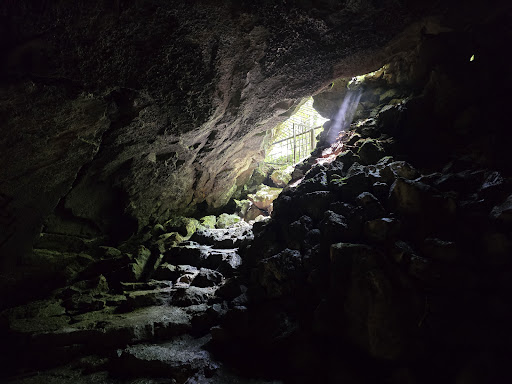
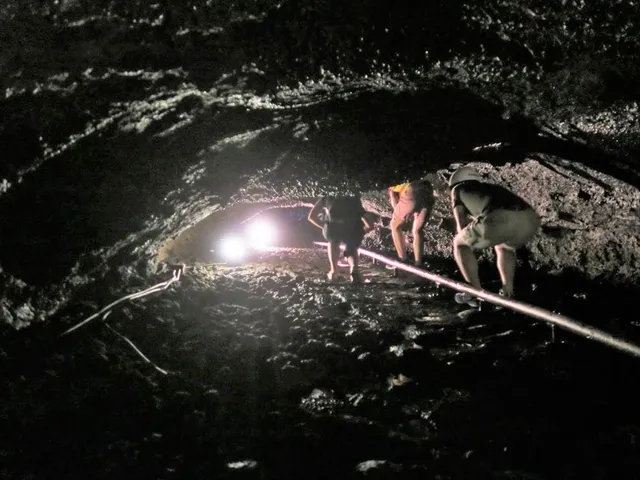
Lake Sai Bat Cave is the largest of the several lava tubes that are near Lake Sai, in the Aokigahara forest in the northern side of Mount Fuji, Japan. It is known as a cave where visitors can observe the bats which live there.
Nearby attractions
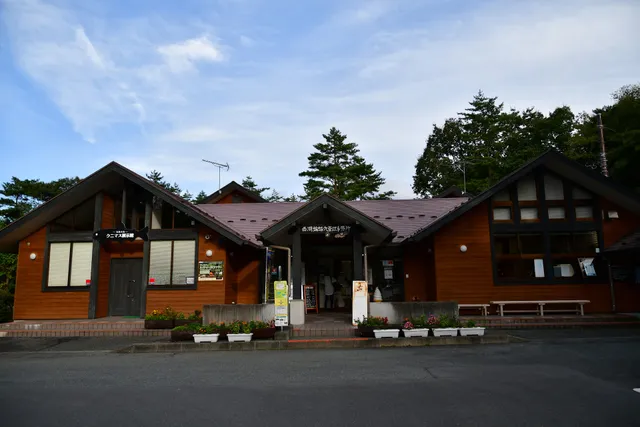
Lake Saiko nature center
2068 Saiko, Fujikawaguchiko, Minamitsuru District, Yamanashi 401-0332, Japan
Saiko Nenba-hama
Saiko, Fujikawaguchiko, Minamitsuru District, Yamanashi 401-0332, Japan
Nearby restaurants
Nearby hotels
星の宿 樹里庵 LIfe goes on.
Japan, 〒401-0334 Yamanashi, Minamitsuru District, Fujikawaguchiko, Saikominami, 3−12
Related posts
🌄🍁 Fuji River Lake Lesser-Known Spots | Autumn Leaves 🍁
Keywords
Lake Saiko Bat Cave tourism.Lake Saiko Bat Cave hotels.Lake Saiko Bat Cave bed and breakfast. flights to Lake Saiko Bat Cave.Lake Saiko Bat Cave attractions.Lake Saiko Bat Cave restaurants.Lake Saiko Bat Cave travel.Lake Saiko Bat Cave travel guide.Lake Saiko Bat Cave travel blog.Lake Saiko Bat Cave pictures.Lake Saiko Bat Cave photos.Lake Saiko Bat Cave travel tips.Lake Saiko Bat Cave maps.Lake Saiko Bat Cave things to do.
Lake Saiko Bat Cave things to do, attractions, restaurants, events info and trip planning
Lake Saiko Bat Cave
JapanYamanashi PrefectureFujikawaguchikoLake Saiko Bat Cave

Basic Info

Lake Saiko Bat Cave

2068 Saiko, Fujikawaguchiko, Minamitsuru District, Yamanashi 401-0332, Japan
4.0(715)
Closed
Save
spot

Ratings & Description

Info

Lake Sai Bat Cave is the largest of the several lava tubes that are near Lake Sai, in the Aokigahara forest in the northern side of Mount Fuji, Japan. It is known as a cave where visitors can observe the bats which live there.

Outdoor
Adventure
Scenic
Off the beaten path
attractions: Lake Saiko nature center, Saiko Nenba-hama, restaurants:
logoLearn more insights from Wanderboat AI.
Phone
+81 555-82-3111
Open hoursSee all hours
Thu9 AM - 4 PMClosed

Plan your stay

hotel
Pet-friendly Hotels in Fujikawaguchiko
Find a cozy hotel nearby and make it a full experience.
hotel
Affordable Hotels in Fujikawaguchiko
Find a cozy hotel nearby and make it a full experience.
hotel
The Coolest Hotels You Haven't Heard Of (Yet)
Find a cozy hotel nearby and make it a full experience.
hotel
Trending Stays Worth the Hype in Fujikawaguchiko
Find a cozy hotel nearby and make it a full experience.

Reviews

Nearby attractions of Lake Saiko Bat Cave

Lake Saiko nature center

Saiko Nenba-hama

Lake Saiko nature center

Lake Saiko nature center

4.0

(59)

Closed
Click for details
Saiko Nenba-hama

Saiko Nenba-hama

4.5

(484)

Open until 12:00 AM
Click for details

Things to do nearby

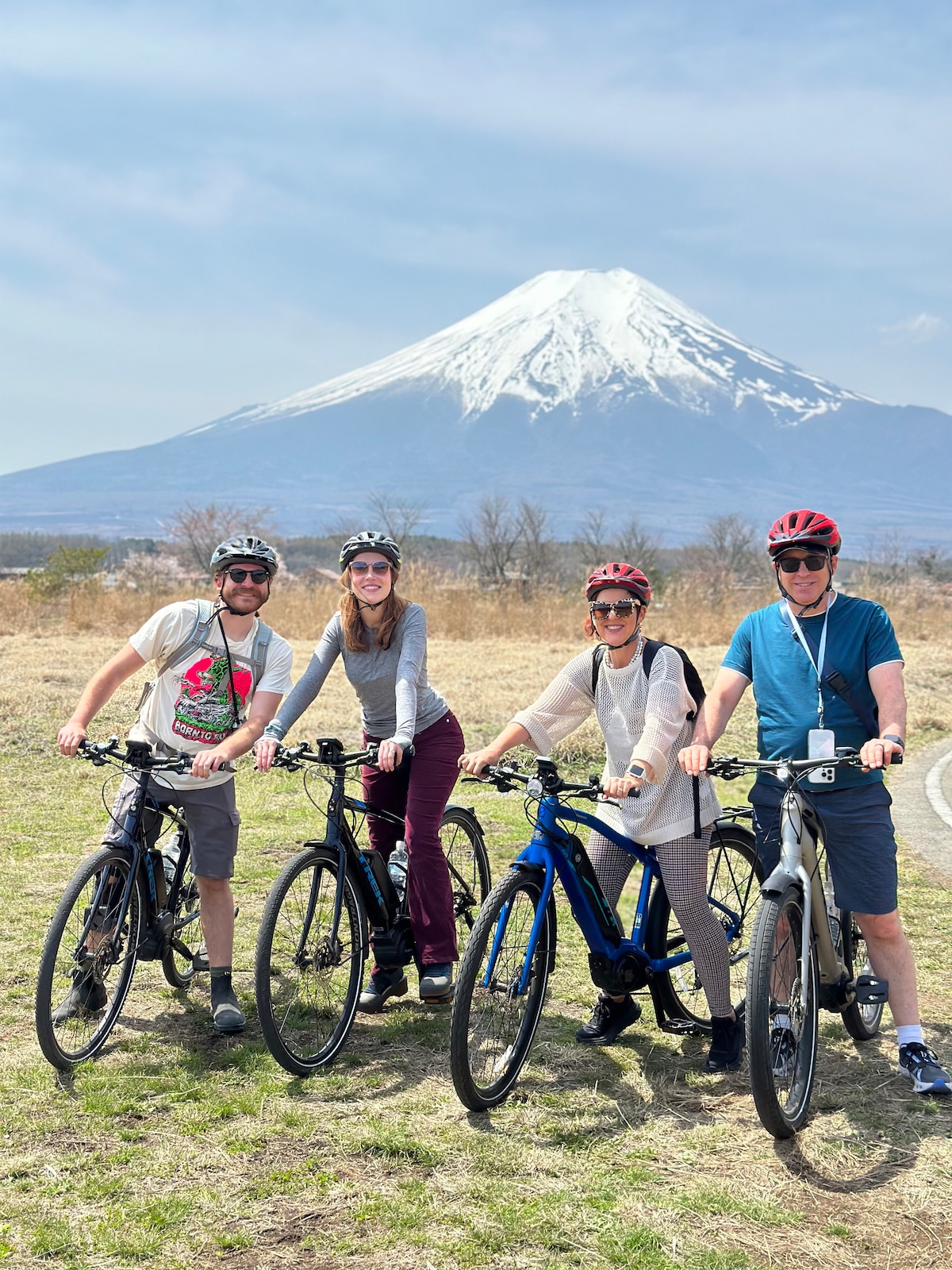
Mount Fuji Countryside & Lake Cycling E-Bike Tour
Tue, Dec 16 • 10:00 AM
403-0005, Yamanashi, Fujiyoshida, Japan
View details
Mountain Climb with a Expert Guide
Thu, Dec 11 • 9:30 AM
401-0301, Yamanashi, Fujikawaguchiko, Minamitsuru District, Japan
View details
Get the Appoverlay
Get the AppOne tap to find yournext favorite spots!
Wanderboat LogoWanderboat

Your everyday Al companion for getaway ideas

CompanyAbout Us
InformationAI Trip PlannerSitemap
SocialXInstagramTiktokLinkedin
LegalTerms of ServicePrivacy Policy

Get the app

© 2025 Wanderboat. All rights reserved.
logo

Reviews of Lake Saiko Bat Cave

4.0
(715)
avatar
4.0
7w

Located in Aokigahara Forest near Lake Saiko, the Saiko Bat Cave is the largest lava cave formed by the eruption of Mount Fuji in 864 AD. The cave extends approximately 386 meters in total length and features several chambers and corridors with varying ceiling heights. It is part of the “Fugaku Wind Cave – Narusawa Ice Cave – Saiko Bat Cave” trio of lava tubes, all created by the same ancient lava flow.

The cave’s name comes from the bats that used to inhabit it, primarily the Eastern Bent-Wing Bats. However, the population has significantly decreased due to temperature fluctuations and human activity, and the cave is now mostly a geological site rather than a wildlife habitat.

Inside, visitors can observe fascinating natural formations such as lava ledges, lava shelves, and diatomite layers, which indicate the prehistoric water levels of the ancient Sea of Se-no-Umi. The cave’s temperature remains around 10°C (50°F) throughout the year, making it cool even during summer.

Illuminated pathways and safety railings make the route accessible, though some passages are narrow or require bending down. The cave tour takes about 15–20 minutes, and informative signs in Japanese and English explain...

   Read more
avatar
4.0
16w

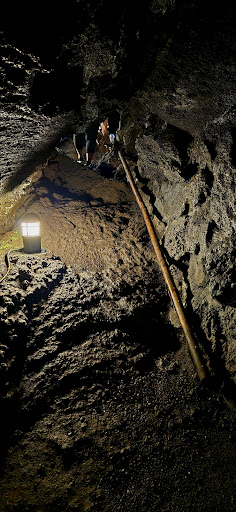
This is the largest cave in the area, with multiple levels. There is a decent amount to see and learn about, and the free nature center attached to it makes it worth the visit. Inside the cave there is some signage in English, and some in only Japanese (no internet to translate either). There is a path that is easy and accessible, and an optional path with tunnels so small you almost have to crawl through them, which added to the fun factor for us.

More importantly, this area connects to a large network of trails through Aokigahara, an enormous old-growth forest that is breathtakingly beautiful. We used this cave as the starting point, then walked through the forest to the nearby Wind Cave (about an hour walk taking our time). There are maps all around and the trails are very well maintained and easy to follow. Taken as a whole, this was a really amazing day and well...

   Read more
avatar
5.0
1y

Very underrated place! The cave is in the middle of a volcanic forest, and is beautiful and serene. It's a nice, 8 minute stroll to the cave from the entrance. They lend you a helmet because parts of the cave are very low (and I'm not a tall person). The cave is fantastic, short, sweet, and cold. It's beautiful. One section, through the low path where you practically have to crawl, the cooled down lava rivets can be seen and are amazing. You can reach two little wooden doors, behind which are bats. You don't actually see any bats, because they are nocturnal. The point is to visit the cool cave, and allow for the bats to do...

   Read more
Page 1 of 7
Previous
Next

Posts

🌄🍁 Fuji River Lake Lesser-Known Spots | Autumn Leaves 🍁
MadisonMadison
🌄🍁 Fuji River Lake Lesser-Known Spots | Autumn Leaves 🍁
Anna KrzakAnna Krzak
Located in Aokigahara Forest near Lake Saiko, the Saiko Bat Cave is the largest lava cave formed by the eruption of Mount Fuji in 864 AD. The cave extends approximately 386 meters in total length and features several chambers and corridors with varying ceiling heights. It is part of the “Fugaku Wind Cave – Narusawa Ice Cave – Saiko Bat Cave” trio of lava tubes, all created by the same ancient lava flow. The cave’s name comes from the bats that used to inhabit it, primarily the Eastern Bent-Wing Bats. However, the population has significantly decreased due to temperature fluctuations and human activity, and the cave is now mostly a geological site rather than a wildlife habitat. Inside, visitors can observe fascinating natural formations such as lava ledges, lava shelves, and diatomite layers, which indicate the prehistoric water levels of the ancient Sea of Se-no-Umi. The cave’s temperature remains around 10°C (50°F) throughout the year, making it cool even during summer. Illuminated pathways and safety railings make the route accessible, though some passages are narrow or require bending down. The cave tour takes about 15–20 minutes, and informative signs in Japanese and English explain geological features.
Timothy NeherTimothy Neher
This is the largest cave in the area, with multiple levels. There is a decent amount to see and learn about, and the free nature center attached to it makes it worth the visit. Inside the cave there is some signage in English, and some in only Japanese (no internet to translate either). There is a path that is easy and accessible, and an optional path with tunnels so small you almost have to crawl through them, which added to the fun factor for us. More importantly, this area connects to a large network of trails through Aokigahara, an enormous old-growth forest that is breathtakingly beautiful. We used this cave as the starting point, then walked through the forest to the nearby Wind Cave (about an hour walk taking our time). There are maps all around and the trails are very well maintained and easy to follow. Taken as a whole, this was a really amazing day and well worth doing.
See more posts
See more posts
hotel
Find your stay

Pet-friendly Hotels in Fujikawaguchiko

Find a cozy hotel nearby and make it a full experience.

🌄🍁 Fuji River Lake Lesser-Known Spots | Autumn Leaves 🍁
Madison

Madison

hotel
Find your stay

Affordable Hotels in Fujikawaguchiko

Find a cozy hotel nearby and make it a full experience.

Get the Appoverlay
Get the AppOne tap to find yournext favorite spots!
Located in Aokigahara Forest near Lake Saiko, the Saiko Bat Cave is the largest lava cave formed by the eruption of Mount Fuji in 864 AD. The cave extends approximately 386 meters in total length and features several chambers and corridors with varying ceiling heights. It is part of the “Fugaku Wind Cave – Narusawa Ice Cave – Saiko Bat Cave” trio of lava tubes, all created by the same ancient lava flow. The cave’s name comes from the bats that used to inhabit it, primarily the Eastern Bent-Wing Bats. However, the population has significantly decreased due to temperature fluctuations and human activity, and the cave is now mostly a geological site rather than a wildlife habitat. Inside, visitors can observe fascinating natural formations such as lava ledges, lava shelves, and diatomite layers, which indicate the prehistoric water levels of the ancient Sea of Se-no-Umi. The cave’s temperature remains around 10°C (50°F) throughout the year, making it cool even during summer. Illuminated pathways and safety railings make the route accessible, though some passages are narrow or require bending down. The cave tour takes about 15–20 minutes, and informative signs in Japanese and English explain geological features.
Anna Krzak

Anna Krzak

hotel
Find your stay

The Coolest Hotels You Haven't Heard Of (Yet)

Find a cozy hotel nearby and make it a full experience.

hotel
Find your stay

Trending Stays Worth the Hype in Fujikawaguchiko

Find a cozy hotel nearby and make it a full experience.

This is the largest cave in the area, with multiple levels. There is a decent amount to see and learn about, and the free nature center attached to it makes it worth the visit. Inside the cave there is some signage in English, and some in only Japanese (no internet to translate either). There is a path that is easy and accessible, and an optional path with tunnels so small you almost have to crawl through them, which added to the fun factor for us. More importantly, this area connects to a large network of trails through Aokigahara, an enormous old-growth forest that is breathtakingly beautiful. We used this cave as the starting point, then walked through the forest to the nearby Wind Cave (about an hour walk taking our time). There are maps all around and the trails are very well maintained and easy to follow. Taken as a whole, this was a really amazing day and well worth doing.
Timothy Neher

Timothy Neher

See more posts
See more posts