Hirosaki Castle Honmaru Site things to do, attractions, restaurants, events info and trip planning
Basic Info
Hirosaki Castle Honmaru Site
1-1 Shimoshiroganecho, Hirosaki, Aomori 036-8356, Japan
4.3(113)
Closed

tickets
Save
spot
spot
Ratings & Description
Info
Cultural
Outdoor
Scenic
Family friendly
Accessibility
attractions: Hirosaki Castle, Hirosaki Park, Hirosaki Castle Historical Museum, Gejō-bashi Bridge, Hirosaki Shidare (Cherry Blossom Tree), Hirosaki Castle Ninomaru Inner East Gate (Higashiuchimon Gate), Hirosaki Castle Information Center, Shunyō-bashi Bridge, Hirosaki Civic Hall, Hirosaki City Museum, restaurants: Cafe Kita-no-kuruwa, Starbucks Coffee - Hirosaki Park Front, Cafe Buruman, Cafe baton, Taishō Roman Tea Room, Sakuraya, Fresh Bakery Popolo, Craft & Japanese Cafe Takumikan, ポアブル, Fujita Ice Cream Shop, local businesses: Hirosaki Park, Hirosaki Cherry Blossom Festival, Hirosaki Castle Ninomaru Inner South Gate (Minamiuchimon Gate), Shunyō-bashi Bridge, Hirosaki Castle Kitanokuruwa Site, Ishibashi Bridge, Nonoan, Tsugaru-han Neputa mura Village, Hirosaki Castle Sannomaru East Gate, Oyama Sembei, Ōuramachi Main Store
 Learn more insights from Wanderboat AI.
Phone
+81 172-33-8739
Website
hirosakipark.jp
Open hoursSee all hours
Sun9 AM - 5 PMClosed
Plan your stay

Pet-friendly Hotels in Hirosaki
Find a cozy hotel nearby and make it a full experience.

Affordable Hotels in Hirosaki
Find a cozy hotel nearby and make it a full experience.

The Coolest Hotels You Haven't Heard Of (Yet)
Find a cozy hotel nearby and make it a full experience.

Trending Stays Worth the Hype in Hirosaki
Find a cozy hotel nearby and make it a full experience.
Reviews
Nearby attractions of Hirosaki Castle Honmaru Site
Hirosaki Castle
Hirosaki Park
Hirosaki Castle Historical Museum
Gejō-bashi Bridge
Hirosaki Shidare (Cherry Blossom Tree)
Hirosaki Castle Ninomaru Inner East Gate (Higashiuchimon Gate)
Hirosaki Castle Information Center
Shunyō-bashi Bridge
Hirosaki Civic Hall
Hirosaki City Museum
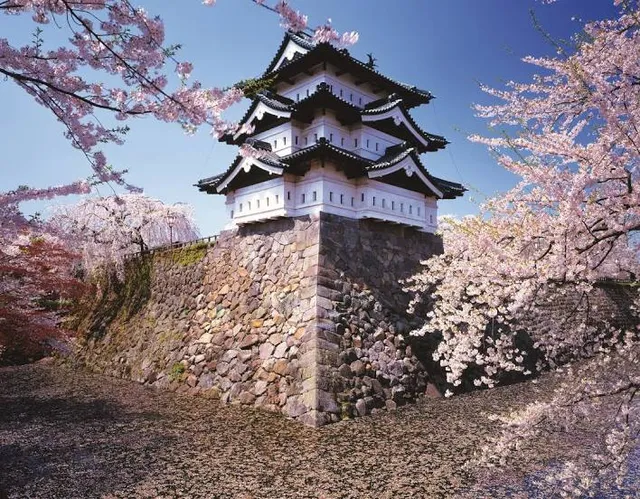
Hirosaki Castle
4.3
(4.3K)
Closed
Click for details
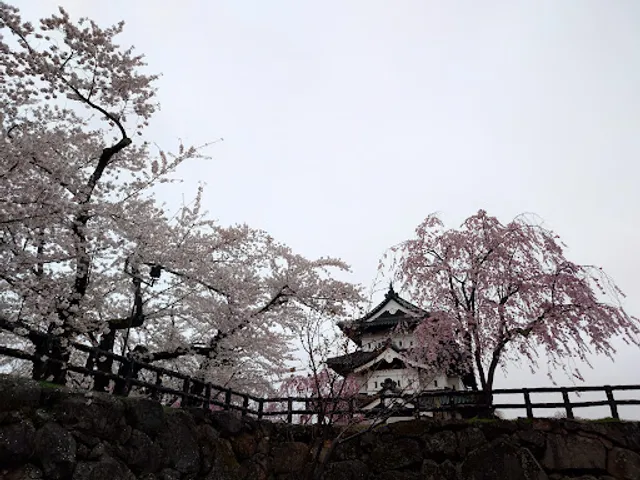
Hirosaki Park
4.4
(3.2K)
Open until 12:00 AM
Click for details
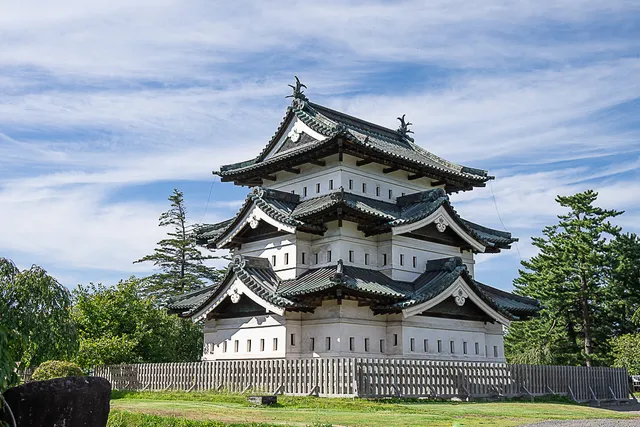
Hirosaki Castle Historical Museum
4.0
(21)
Closed
Click for details
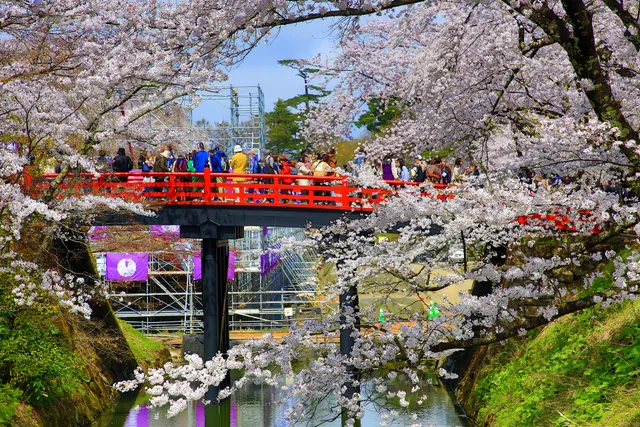
Gejō-bashi Bridge
4.3
(57)
Open until 12:00 AM
Click for details
Nearby restaurants of Hirosaki Castle Honmaru Site
Cafe Kita-no-kuruwa
Starbucks Coffee - Hirosaki Park Front
Cafe Buruman
Cafe baton
Taishō Roman Tea Room
Sakuraya
Fresh Bakery Popolo
Craft & Japanese Cafe Takumikan
ポアブル
Fujita Ice Cream Shop
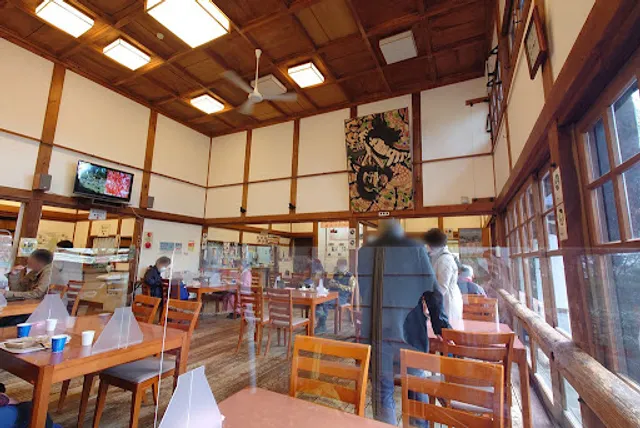
Cafe Kita-no-kuruwa
3.7
(29)
Closed
Click for details
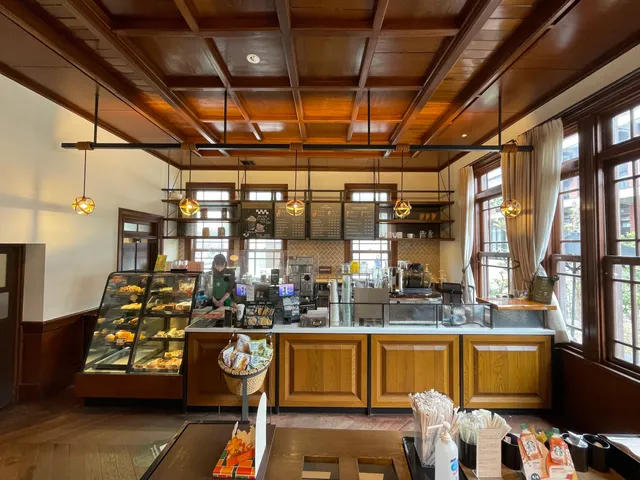
Starbucks Coffee - Hirosaki Park Front
4.4
(795)
Closed
Click for details
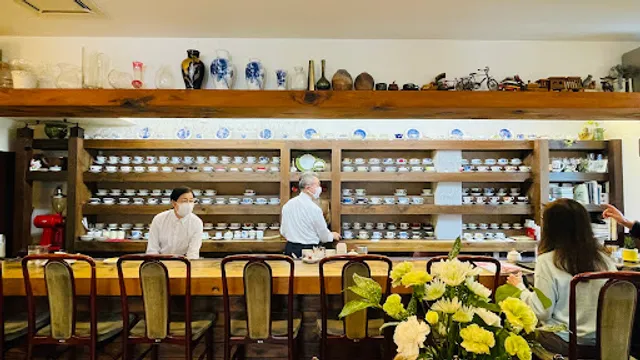
Cafe Buruman
4.4
(200)
Closed
Click for details
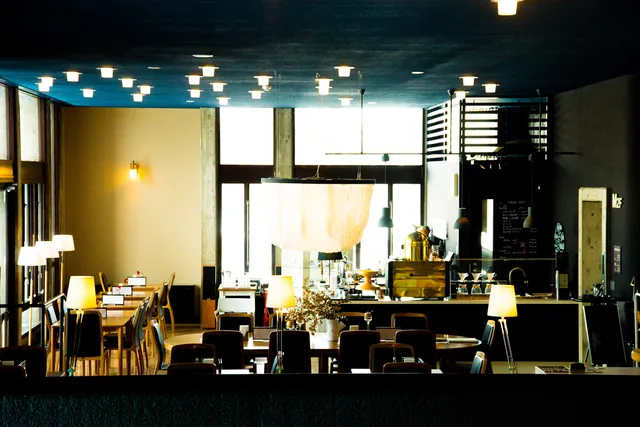
Cafe baton
4.2
(137)
Closed
Click for details
Nearby local services of Hirosaki Castle Honmaru Site
Hirosaki Park
Hirosaki Cherry Blossom Festival
Hirosaki Castle Ninomaru Inner South Gate (Minamiuchimon Gate)
Shunyō-bashi Bridge
Hirosaki Castle Kitanokuruwa Site
Ishibashi Bridge
Nonoan
Tsugaru-han Neputa mura Village
Hirosaki Castle Sannomaru East Gate
Oyama Sembei, Ōuramachi Main Store
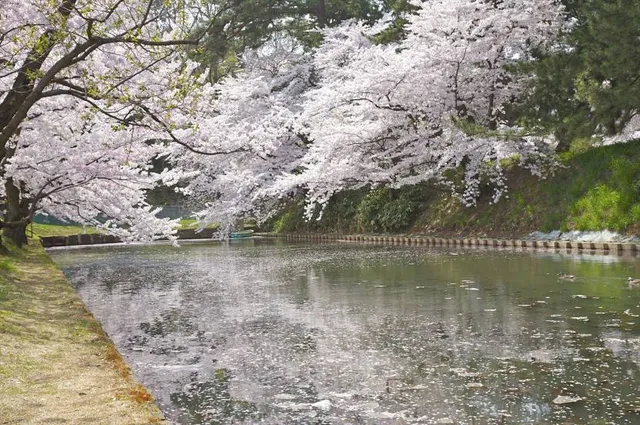
Hirosaki Park
4.4
(2.7K)
Click for details
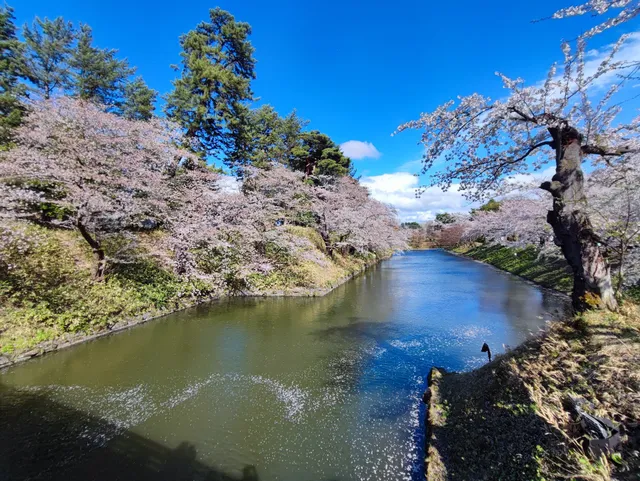
Hirosaki Cherry Blossom Festival
4.7
(63)
Click for details
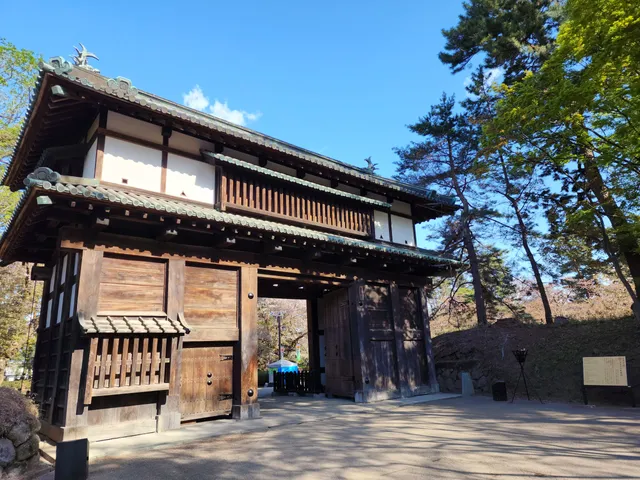
Hirosaki Castle Ninomaru Inner South Gate (Minamiuchimon Gate)
4.2
(33)
Click for details
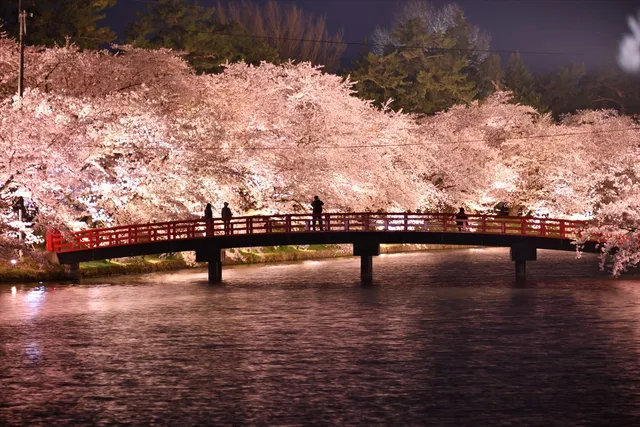
Shunyō-bashi Bridge
4.4
(44)
Click for details