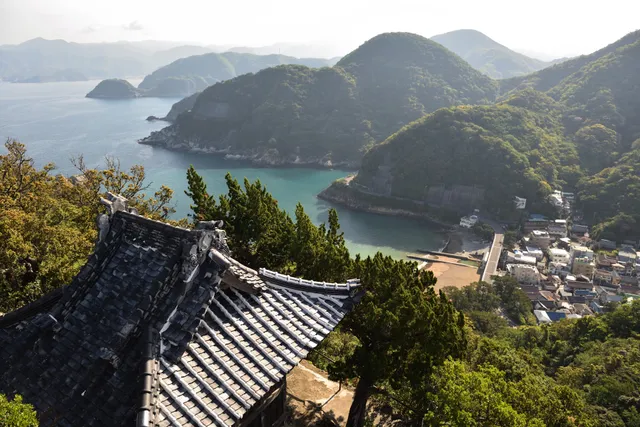
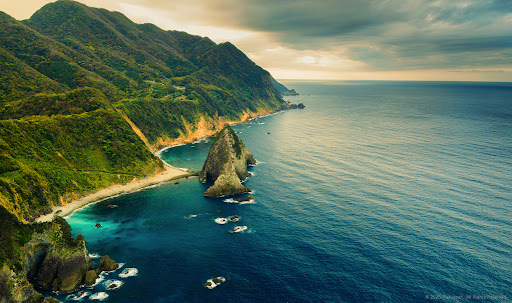
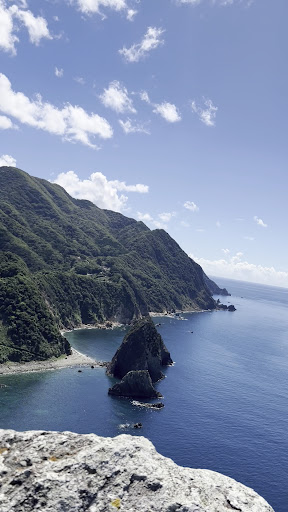
The honden (main shrine) of Kumomi Sengen-Jinja Shrine is located near the summit of a large rock called Mt. Eboshi (162 m / 531 ft). This large "rock" is actually just a volcanic neck, which refers to a large hill formed when magma in a volcanic vent has cooled and solidified.
Mt. Eboshi is such a volcanic neck that was once under the sea. Over time, as the volcano was pushed above the water's surface, the walls and softer outer layers of the volcano eroded leaving behind the much harder magma column jutting high above the sea.
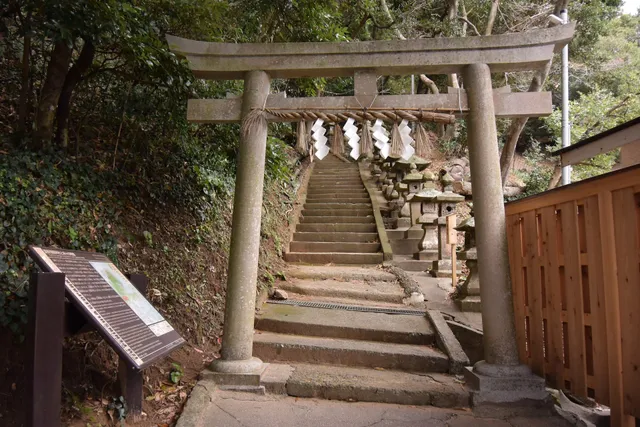
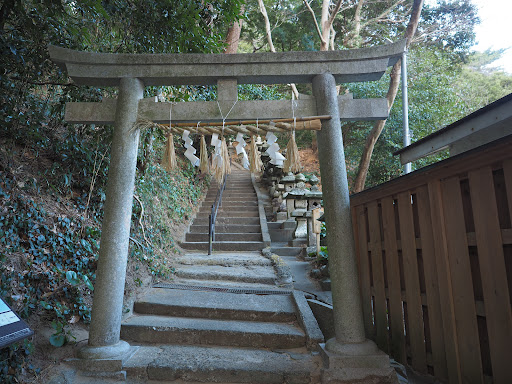
From the base of the rock, there are 130 stone steps that will take you to the worship hall of the shrine. The steps are wide and easy to climb even for children or the elderly. For practical reasons, I assume that the worship hall is where regular parishioners go to make an offering and pray, instead of going all the way to the top.
From the worship hall, there are two sets of very steep stone stairs for a total of 320 stone steps. The first set of stairs is slightly better maintained and not to difficult to climb compared with the second set of stairs.
When you reach the second set of stone stairs, you can see that the handrail is a bit older, a bit more wobbly and rudimentary. Also, the stone steps are much smaller with just enough space for the forefoot. The stone steps seem older and in some cases slanting downwards, which can be hazardous if you are climbing in inclement weather. Just one slip could be disastrous if you lost hold of the railing.
At the top of the second set of stairs, the trail widens up a bit and mostly consists of a rocky path, worn tree roots, and less arduous than the second set of stairs. No special gear is needed for this climb. Good walking shoes with non-slip tread on the soles should suffice if hiking during dry conditions.
Soon thereafter, you will reach the actual Kumomi-Sengen Shrine. At first glance, this shrine reminded me of Afuri-Jinja shrine on the peak of Oyama in Kanagawa Prefecture.
In both cases, most parishioners or visitors wanting to offer a prayer do not go all the way to the peak to visit the actual shrine, which would be impractical. Both this shrine and the one at Oyama have worship halls or a lower shrine that is much more easy to access, more photogenic, and definitely a better draw for tourists.
At Oyama and Eboshi, the honden or actual shrine structures that house the deity on the peak, seem to place a greater emphasis on spiritual value or purpose of the structure instead of what might draw new parishioners or tourists, which might explain why both shrines have very simple architectural designs and are free of any grandiose colors or overt ornamental elements. Or, maybe it's just too expensive and difficult to build and maintain eye-catching structures in such remote locations.
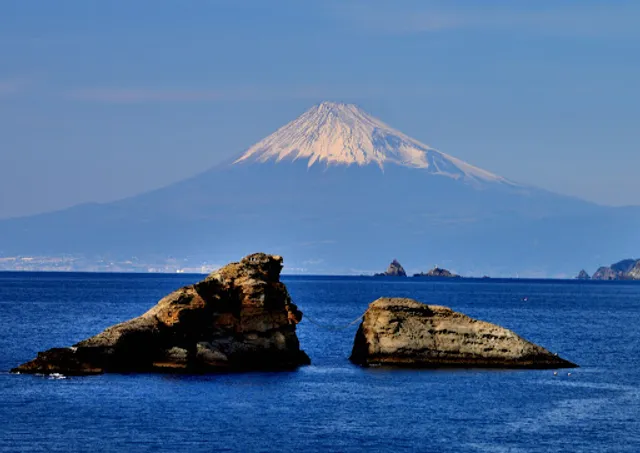
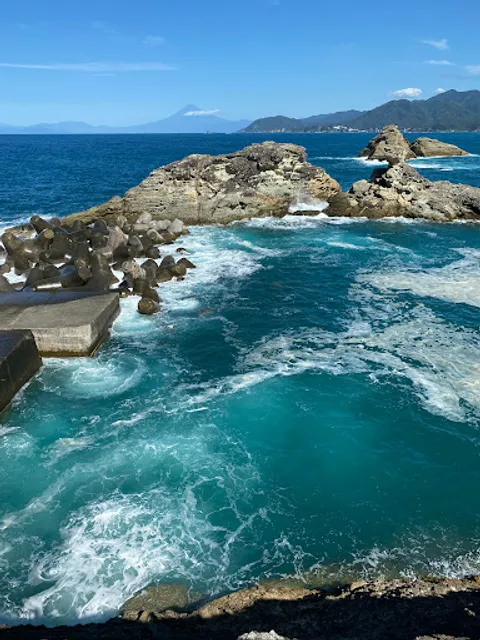
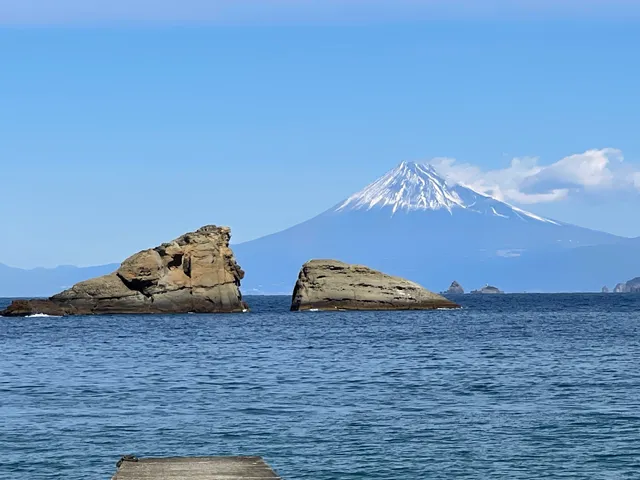
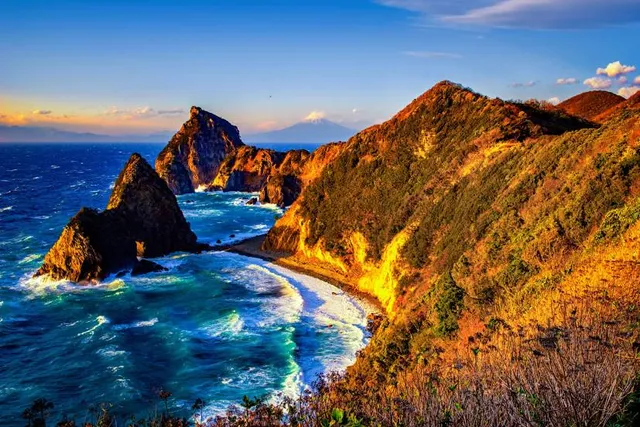
Once you reach Kumomi-Sengen Shrine, there is a small, but very steep set of concrete stairs to a platform that is just a a meter or so higher than the roofline of the shrine. From there, you have a 360-degree view of Suruga Bay and the entire Kumomi coastline. Check out the Pix4Japan YouTube channel for a video of...
Ā Ā Ā Read moreā č¶ ēµ¶ē¾å„³ćØé儳ć®ę¦ćā
ē„社ćÆå¤§å±±ē„å½ć®åØćē£é·å§«å½ćē„ć£ć¦ćććē£é·å§«ļ½²ļ¾ļ¾ ļ½¶ļ¾ļ¾ļ¾ćØå¦¹ć®ęØč±éč¶å§«ļ½ŗļ¾ļ¾ļ¾ サクļ¾ļ¾ļ¾ć®ē©čŖć«åŗć„ćć¦ćć¾ć
ē£é·å§«ćÆé儳ć§ć妹ć®ęØč±éč¶å§«ćÆč¶ ēµ¶ē¾äŗŗć§ćć
å¤äŗčØć«ććć天å«éčØć®č©±ć®äøć§å¤©ććäøć£ćééčøå½ļ¾ļ¾ļ½·ļ¾ļ¾ļ¾ļ½ŗļ¾ć«ē£é·å§«ćØęØč±éč¶å§«ćå«ć«åŗććć¾ć
ćØćććććć®ćÆäŗć®ććććē¾å„³ć®ęØč±éč¶å§«ć ćć娶ććē£é·å§«ćčæ½ćčæćć¦ćć¾ćć®ć§ćć
ććć«ē£é·å§«ćÆććć®ć¬
ē¾å„³ć§ćć妹ć«åŖćććććć ćć§ćŖććę°øé ć®å½ćåøćē£é·å§«ćÆäøć®äŗŗć ć®å½ć¾ć§ćēå½ć«ćć¦ćć¾ć£ćčØććć¦ćć¾ć
ā»ē£ļ¼å²©ćØććé äøćŖć¤ć”ć¼ćøććé·åÆæć®ē„ćØčØććć¦ćć¾ć
ä»ę„ęć ććć£ć100幓弱ć®åÆæå½ć«ćŖć£ć¦ććć®ćÆć¾ćć«ćć®åŗę„äŗćåå
ććć®ććććŖćć”ć ćäŗćć¦ććććć§ćććć (;^_^A
ćć®å¾ē£é·å§«ćÆé²č¦ęµ éć«ē„ćććęØč±éč¶å§«ćÆåÆå£«å±±ć«ē„ććć¾ćć
ē£é·å§«ćÆåÆå£«å±±ćč¦ćć®ćå«ććé²ć§é”ćé ćć¦ćććØćććé²č¦ćØåÆå£«å±±ćÆäø”č ćäøåŗ¦ć«ę“ććććØććŖććØčØććć¦ćć¾ć
ć¾ććé²č¦ć§åÆå£«å±±ć®č©±ććććØęµ·ć«ęćåŗććććØććčØćä¼ćććććå°å ć®äŗŗć ćÆåÆå£«ē»å±±ćéæćć¦ććććć§ć
ćØććäŗćÆć©ććŖę“ćéć§ććć«čØŖćć¦ćåÆå£«å±±ćÆč¦ććŖćć£ć¦ććØć
ę®åæµć§ćć»ć» (ļ½”-ā-)...
Ā Ā Ā Read moreå¾”ē„ē„ļ¼ē£é·å§«å½ćććŖćć²ćć®ćæććØ å Øå½ć«ę°å¤ćććęµ éē„社ć®ć»ćØćć©ćęØč±éč¶å§«å½ļ¼åÆå£«å±±ļ¼ćē„ć£ć¦ćć¾ćććććę¾å“ēŗć®é²č¦ćä¼ę±åøć®å¤§å®¤å±±ćŖć©ćä¼č±åå³¶ć«ćÆćć®å§ć®ē£é·å§«å½ć®ćæćē„ē„ćØććęµ éē„社ćććć¾ććčØē“ē„話ć§ćå§å¦¹ć®ē¶ć§ćć大山ē„ē„ćÆć天ććéčØććēēęµå°ć«å§å¦¹ćå·®ćåŗćć¾ćććććć妹ćć容姿ć®å£ćē£é·å§«å½ćÆčæććć¦ćć¾ćć¾ćććē£é·å§«å½ć®ćē£ļ¼å²©ļ¼ććÆćę°øé ć®å½ć®č±”従ćē£é·å§«å½ćęØć¦ćēēęµå°ćØćć®åå«ćÆćéććć寿å½ćęć¤ććć«ćŖćć¾ććć ē¾ćć妹ć妬ćć ē£é·å§«å½ćēåø½åå±±ć§åÆå£«å±±ćć»ćććØęŖęććććŖć©ć®čØćä¼ććę®ć£ć¦ćć¾ćć(ē„社HPććęē²)
äøä¹å®®ć«ē¶ć320ꮵć®éꮵćÆå¹ 25cmēØććē”ććäøč ¹ä»„äøć«ćÆä¼ććć¹ćć¼ć¹ćē”ćć®ć§ćć»ććØć«ćć¤ććåø°ćć®äøććÆę“ć«å±éŗćå¢ćć®ć§ćä½åć«äøå®ć®ććę¹ććå°ććŖåä¾ćććÆćććę¹ćē”é£ć§ććęåć®ę殿ć¾ć§ćÆęÆč¼ēå®å Øć§ćēŗęćććććčÆćć§ććę¬ę®æć®å ć«ććēåø½å山山é ććć®ēµ¶ęÆćÆććć®é å¼µćć«č¦åćē“ ę“ććććč¤ē¾ć§ććć ćć®é£ęć¾ć§å»ŗēÆč³ęććććäøćććć®ć ćØćęåæćććØå ±ć«ęč¬ćć¾ćć å¾ę„ććć”ćć®ē„äø»ę§ććććęē“ćØćęćå±ćé©ć¾ćććåęć®éćčØåø³ćć¦ććććć ć£ćć®ć§ćććåæć®ććć£ćć便ćććć ć...
Ā Ā Ā Read more