Miyazaki Heiwadai Park things to do, attractions, restaurants, events info and trip planning
Basic Info
Miyazaki Heiwadai Park
Koshigasako-6146 Shimokitakatamachi, Miyazaki, 880-0035, Japan
4.1(850)
Open until 12:00 AM
Save
spot
spot
Ratings & Description
Info
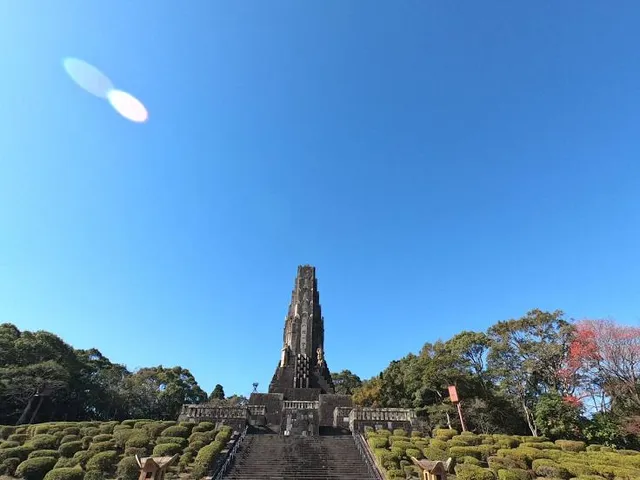
Heiwadai Park or Miyazaki Peace Park is a municipal park in Miyazaki, Miyazaki on Japan's Kyushu Island. A popular honeymoon destination for Japanese couples, the park's Peace Tower has generated controversy because of its place in Japanese history.
Cultural
Outdoor
Scenic
Relaxation
Family friendly
Accessibility
attractions: Tower of Peace, Haniwa Garden, restaurants: 平和台公園管理事務所, 珈琲倶楽部, MOS BURGER Miyazaki Peace Town Shop, シンドバッド, ボンフール 平和台店, ブランジェール 平和台店, local businesses: Haniwa park, オオヨドガワガクシュウカン, Taishakuji
 Learn more insights from Wanderboat AI.
Phone
+81 985-35-3181
Website
h.park-miyazaki.jp
Open hoursSee all hours
FriOpen 24 hoursOpen
Plan your stay

Pet-friendly Hotels in Miyazaki
Find a cozy hotel nearby and make it a full experience.

Affordable Hotels in Miyazaki
Find a cozy hotel nearby and make it a full experience.

The Coolest Hotels You Haven't Heard Of (Yet)
Find a cozy hotel nearby and make it a full experience.

Trending Stays Worth the Hype in Miyazaki
Find a cozy hotel nearby and make it a full experience.
Reviews
Nearby attractions of Miyazaki Heiwadai Park
Tower of Peace
Haniwa Garden
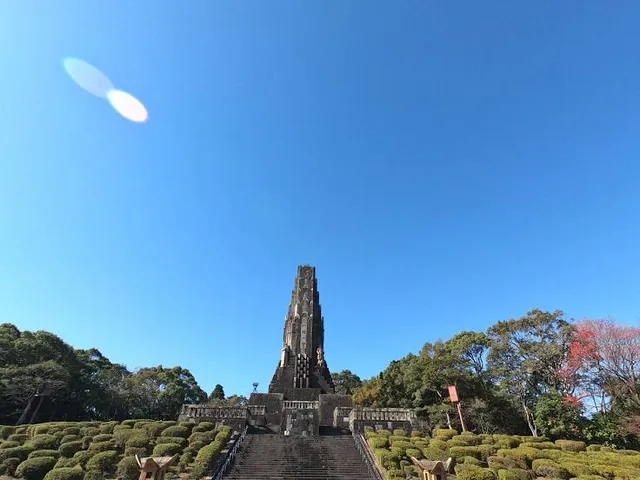
Tower of Peace
4.2
(110)
Open until 12:00 AM
Click for details
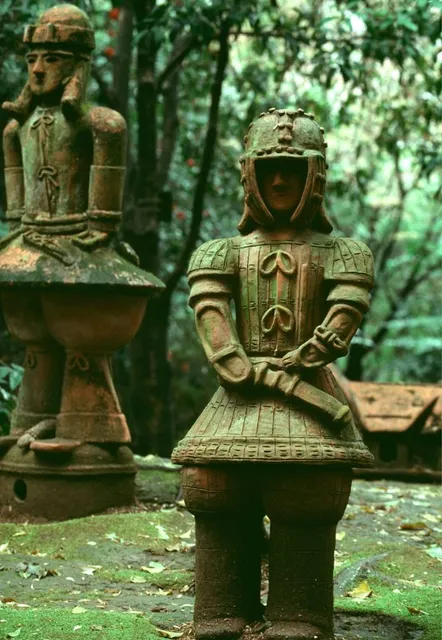
Haniwa Garden
4.0
(30)
Open 24 hours
Click for details
Nearby restaurants of Miyazaki Heiwadai Park
平和台公園管理事務所
珈琲倶楽部
MOS BURGER Miyazaki Peace Town Shop
シンドバッド
ボンフール 平和台店
ブランジェール 平和台店
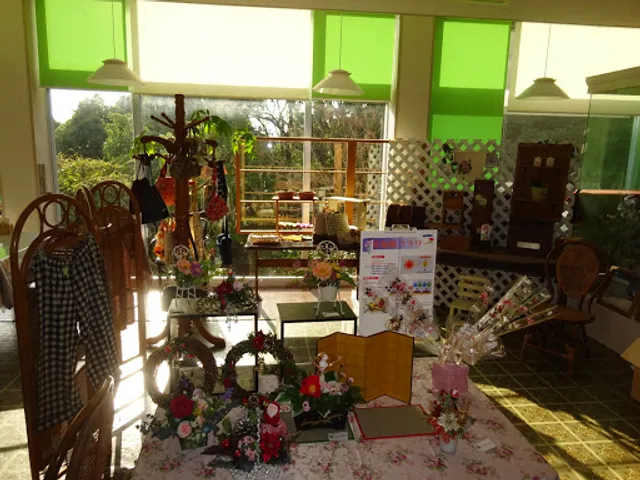
平和台公園管理事務所
3.8
(20)
$$
Click for details
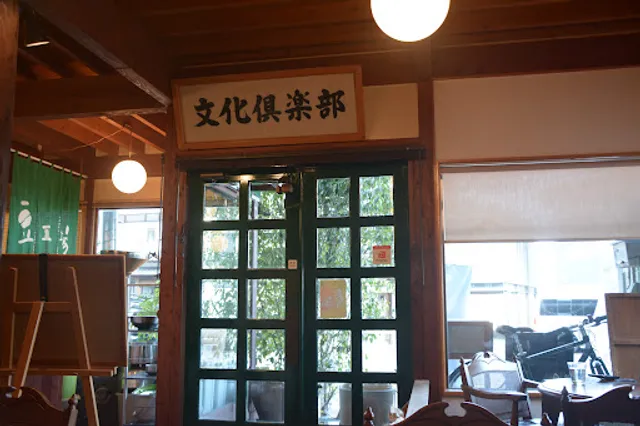
珈琲倶楽部
4.4
(28)
Closed
Click for details
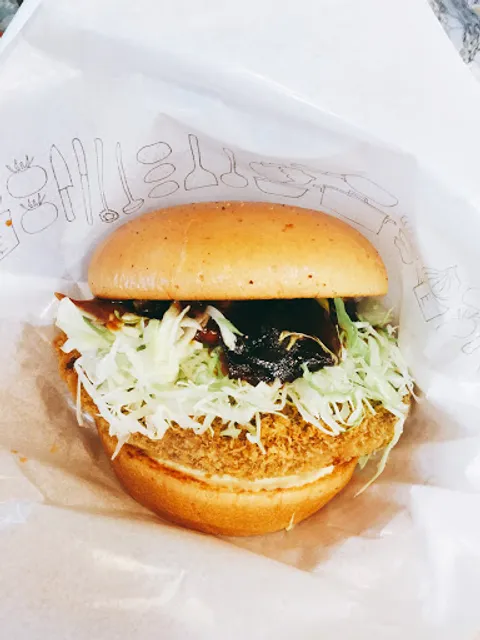
MOS BURGER Miyazaki Peace Town Shop
4.0
(74)
Closed
Click for details
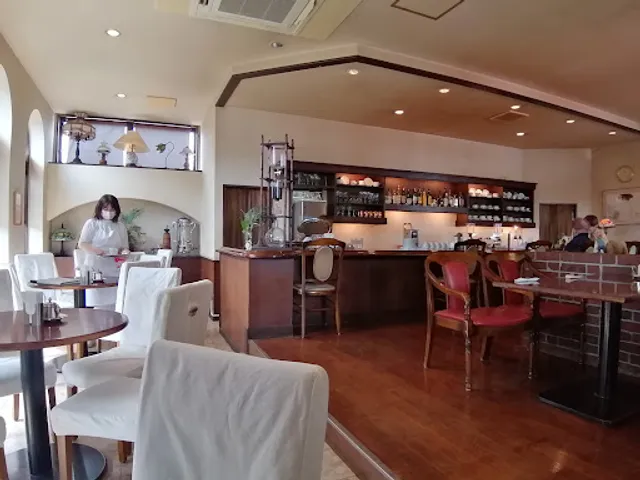
シンドバッド
4.0
(104)
Closed
Click for details
Nearby local services of Miyazaki Heiwadai Park
Haniwa park
オオヨドガワガクシュウカン
Taishakuji
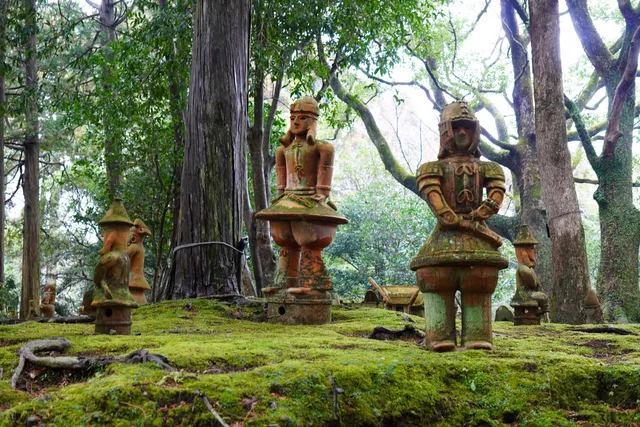
Haniwa park
4.2
(14)
Click for details
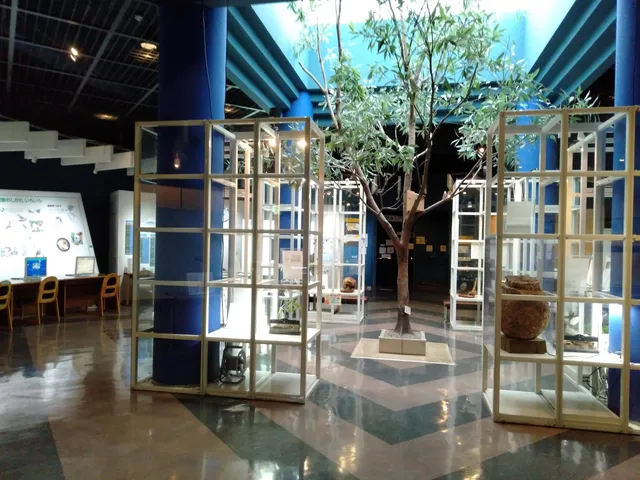
オオヨドガワガクシュウカン
4.4
(54)
Click for details
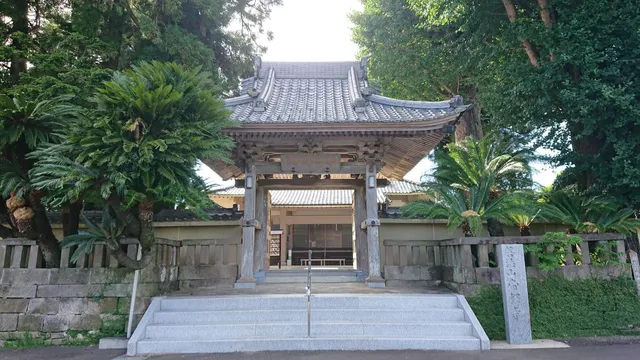
Taishakuji
3.9
(22)
Click for details