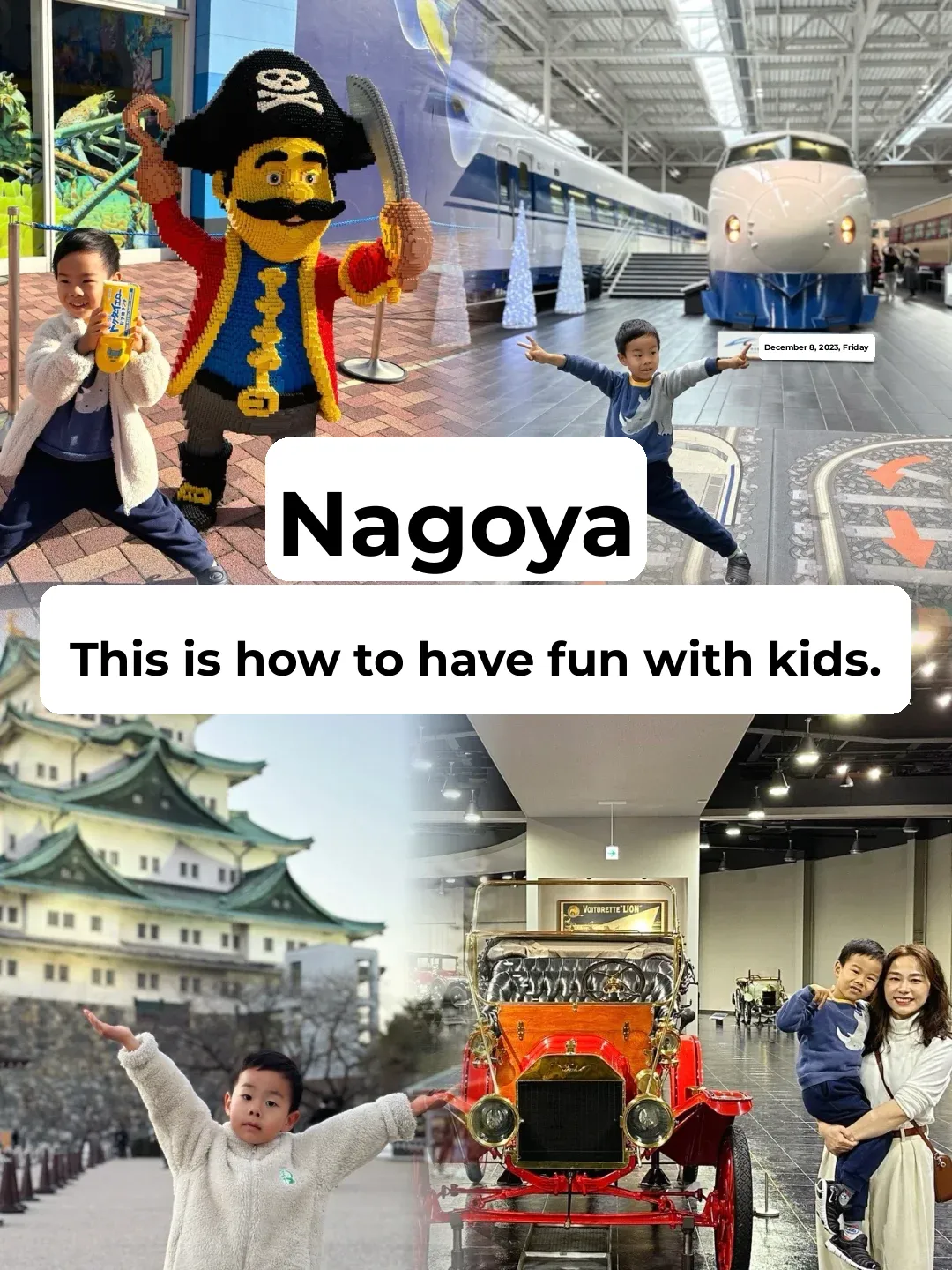
It’s a great place to get a motivation for life. As well as you can experience how to build the Toyota cars. You have to spend at least 5 hours to visit the entire museum.
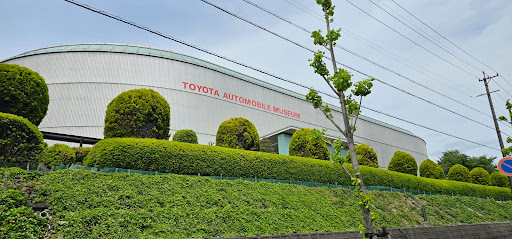
On the outskirts of Nagoya City in Nagakute is the magnificent Toyota Automobile Museum, dedicated to the history of motoring and the influence of cars in our culture. The museum opened on April 16, 1989 to commemorate the 50th anniversary of the establishment of Toyota Motor Corporation.
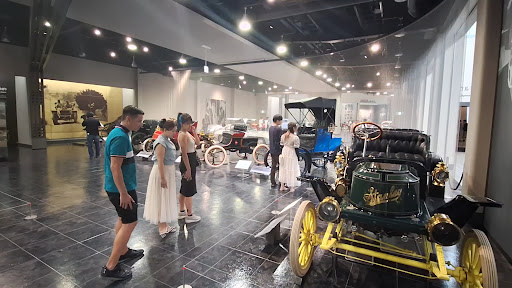
Over 120 cars from all eras of the motoring age are on stunning display in the Automobile Gallery. Not just Toyota, but American and European automobiles, too. Many different and famous brands are represented: Mercedes Benz, Ford, Mazda, Porsche, Subaru, Rolls Royce, De Soto, Volkswagen, even little Isuzu to name just a few.
Vehicles produced from the beginning of the automobile age up to the 1950s are displayed on the second floor, while vehicles from the 1950s to the present fill the third floor. The building is oval shaped, like a race circuit, with visitors walking the course, surrounded by many exciting and beautiful vehicles.
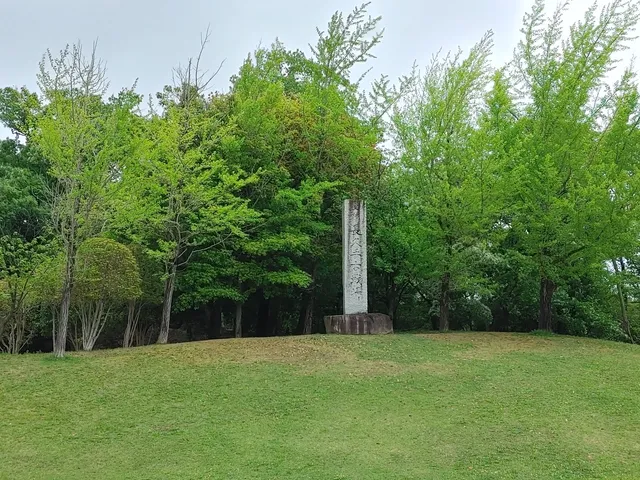
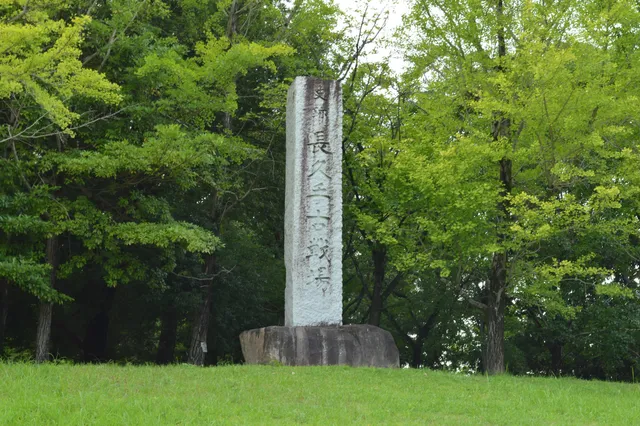
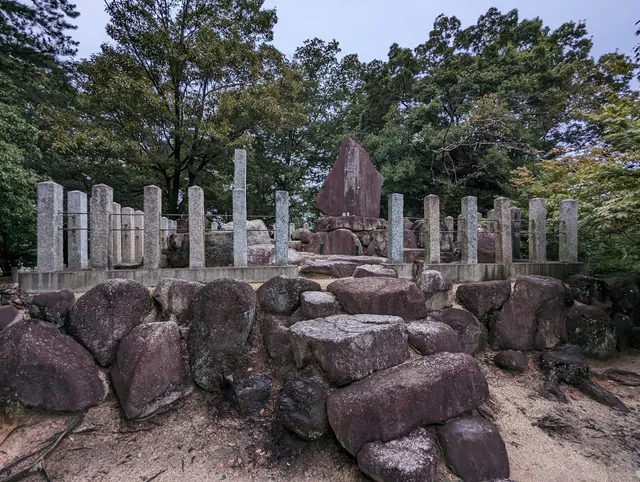
Even non-motor enthusiasts are impressed by the scale, range and beauty of the cars. Highlights include a classic fire engine red 1955 Ford Thunderbird with white walled tires and President Roosevelt’s 12 cylinder Packard Twelve, the first car to be armor plated and contain bulletproof glass. There’s a rare bright red and gold trim 1910 Rolls Royce Silver Ghost, over 100 years old, but looking like it’s just rolled off the assembly line. See an early Toyoda Model AA from 1939, an open top 1965 E-Type Jaguar, even a pink Cadillac Eldorado Biarritz with the Batmobile-like wings and tons of blinding chrome. All the cars are in spotless condition, and 98% are original. To coincide with the 30th anniversary of the opening of the Toyota Automobile Museum, the Cultural Gallery opened a new permanent exhibition, “Automobile Culture Showroom.” Under the theme “Mobility as Culture,” approximately 4,000 cultural artifacts are on display, including miniature cars, car badges, posters, and more related to both domestic and international automobiles. There is also a Special Exhibition Room which presents various exhibits throughout the year. If you tire of looking at the cars, (and that will take some time) or if you need re-hydrating after drooling over the vehicles, take a break in the Museum Cafe "Cars & Books" or the relaxing Museum Restaurant "AVIEW," with views overlooking the old Nagakute Battlefield. Let the kids play in the Kids Garage, or stop by the Museum Shop with over 500 miniature cars and original souvenirs.
The Toyota Automobile Museum is not just for car fans. Men and women, young and old, it doesn’t matter, the range and selection in this expansive museum has something...
Read moreAn interesting museum on the history of the automobile industry, displaying many cars from the earliest up to just prior to present day (circa 2010s), with models produced by US, European and Japanese manufacturers. It exhibits the cars chronologically, so it's very interesting to see how the car designs change over time, with European and US manufacturers dominating the early years. There's a section showing how Japan entered and rose in the automobile industry, the government regulations that supported this, the Japanese entrepreneurs behind it and stats on the overall sales growth of the industry.
It is pretty much exclusively history, placing Japan's part in context of the history of the global automobile industry. There's no exhibits on the science or technology of automobiles or their manufacturing. It also focuses exclusively on the consumer models and while sports models are on display, there's very little mention of motorsport vehicles specifically.
What I liked about the museum was the reasonably priced entry of 1,200 yen for standard adult ticket, and the main showrooms can be viewed in 2-3 hours, so no fear of missing out or needing to revisit. There's a cultural showroom that I didn't get to see so I'd add an hour for that. Also the descriptions are all in English (as well as Japanese) plus there's an audio guide for Android and Apple smartphones
Less positive things I'd mention is that there are no interactive or child friendly exhibits in the main showrooms, so young children may get bored, but there are toy cars on display. Also the cultural showroom may be of some interest to children, with toy cars and manga, but I didn't get to see this. I might liked to have seen more on the technology and manufacturing process of automobiles, as this interests me a little more than history, but still interesting all the same.
In summary, I'd describe it as a museum of the history of the automobile industry in Japan and the world, combined with a...
Read moreThis is an excellent museum. A very great partner to the Toyota Commemorative Museum of Industry and Technology closer to the city center.
One museum focuses on history of Toyota and industry in the Nagoya area, and the other focuses on showcasing brilliant artifacts from automotive history.
The best comparison I can make is this: In Washington DC, you have the Smithsonian National Air and Space Museum on the mall. In it, you will learn all about the history of air and space travel and see some cool exhibits to enable learning. If you go out near Dulles, you'll see the Udvar-Hazy Center which is a part of the Smithsonian but houses absolute treasures of aviation history.
The scale of the air and space museums in Washington is obviously larger because planes are huge and they have a lot of them. But the significance, I mean I can't state this enough. Absolute treasures of automotive history are contained here. The amazement I experienced at Udvar-Hazy almost a decade ago now was repeated here.
Cars I've never even heard of, from brands other than Toyota, are displayed here with signs explaining why they're significant. They were the first to take some innovation or another, and while they may have failed, what they innovated reverberated through decades.
You must visit both museums. This one takes some time to get to, and involves a transfer or two, but the travel is easy and well...
Read more