Steps Back in Time: Walking the Magome-Tsumago Post Town Trail
The walk between Magome and Tsumago is a journey through time. It's the most famous and best-preserved section of the Nakasendo Trail, an ancient trade route that connected Kyoto to Edo (modern-day Tokyo) during the Edo Period (1603–1868). Today, this path is 8 kilometers of historical tranquility, cutting through the lush and enchanting Kiso Valley.
Magome: A Vibrant Start on the Slope
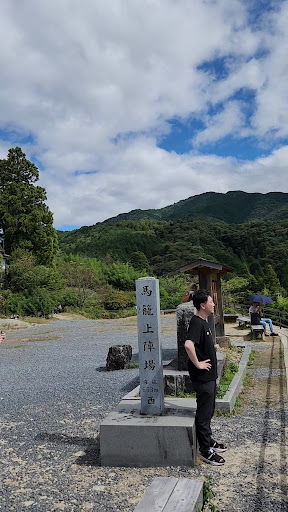
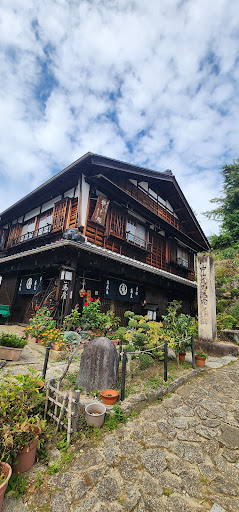
The journey often begins at Magome-juku, a picturesque post town built entirely on a steep slope. Its main street is inclined and lined with reconstructed wooden houses with tiled roofs, small watermills, and shops selling traditional Japanese souvenirs and sweets like Gohei Mochi (grilled, skewered rice coated in a sweet glaze). The atmosphere here is lively, and the view from the town’s upper section overlooking the Kiso Valley is stunning.
The Trail: Forests, Waterfalls, and Rural Calm
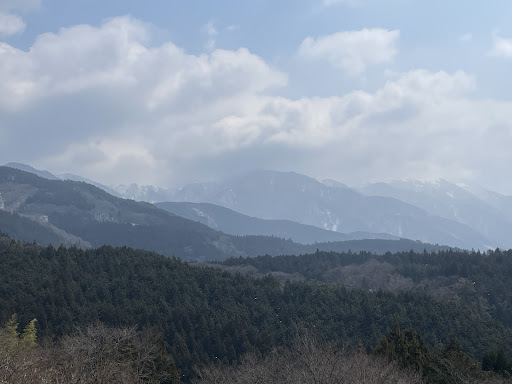
Leaving Magome leads you deep into the dense forest. The path itself is mostly easy to walk—combining stretches of ancient stone pavement used by travelers centuries ago, soft dirt paths shaded by cedar and cypress trees, and sections passing through green bamboo groves.
The hike is considered easy to moderate. It's recommended to start from Magome to Tsumago because most of the path is a gentle descent or flat after the initial climb over the mountain pass leaving Magome.
Along the way, you'll encounter:
Bear Bells: Large brass bells are hung beside the path, which hikers ring to deter local bears (although the chance of an encounter is low, it's a fun tradition).
Rushing Waterfalls: Two small, beautiful waterfalls (Otaki and Metaki) provide a refreshing break.
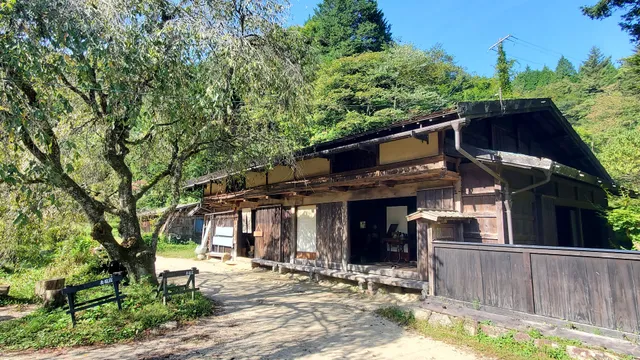
The Historic Teahouse: Near the halfway point, you’ll find Ichikokutochi Tateba Chaya. This traditional wooden hut is where local volunteers often greet passersby with free hot green tea and sweets. It’s a wonderful spot to rest, chat with other hikers, and feel the spirit of Japanese hospitality.
The dominant sounds on the trail are the murmur of the river, the chirping of birds, and the clang of the bear bells echoing through the woods—a constant reminder that you are far from the urban noise of modern Japan.
Tsumago: The Perfect, Most Preserved End
Arriving at Tsumago-juku is the climax of the trip. This post town is considered the best-preserved along the Nakasendo. Here, authorities made a conscious decision to ban utility poles and modern advertising signs to preserve the town's appearance exactly as it was centuries ago.
In Tsumago, the traditional buildings (including the Waki Honjin, the historic secondary inn) look as if time has stood still. Tsumago offers a quieter, more dignified atmosphere than Magome, making it a perfect end to a day rich in nature, history, and...
Read more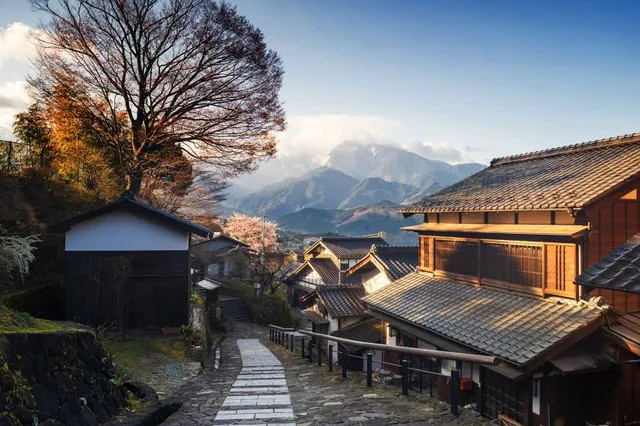
 Learn more insights from Wanderboat AI.